

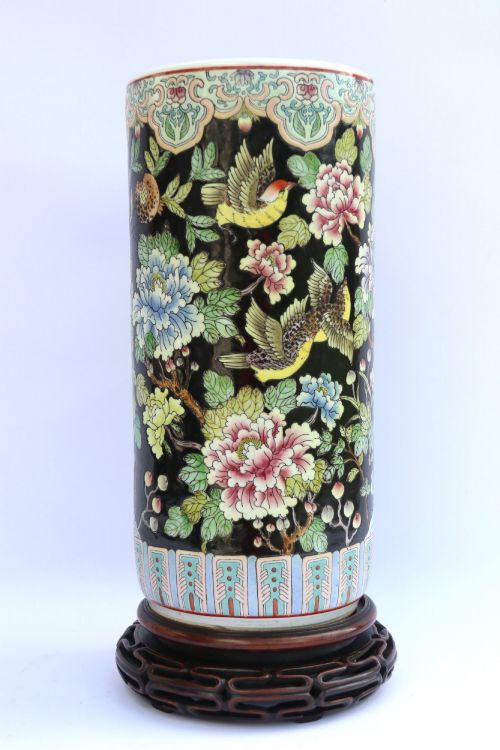

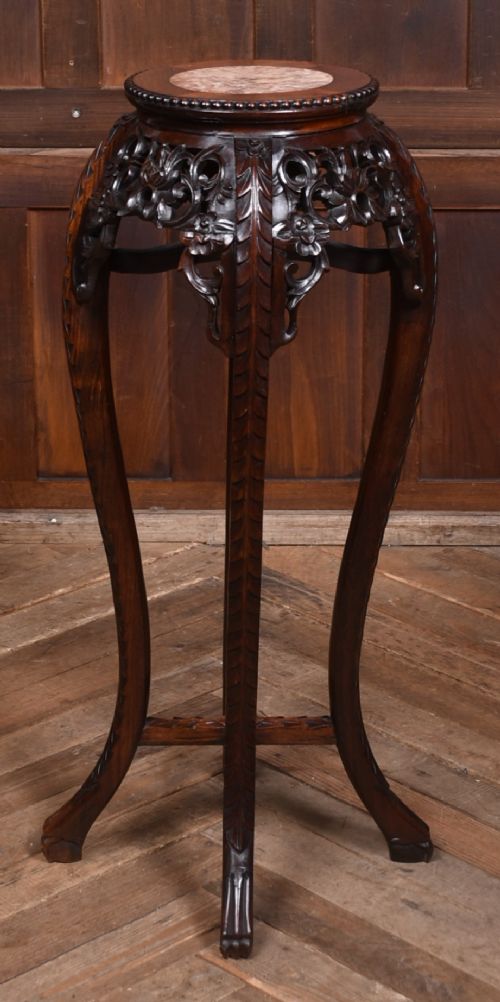
Antique Vase Stand
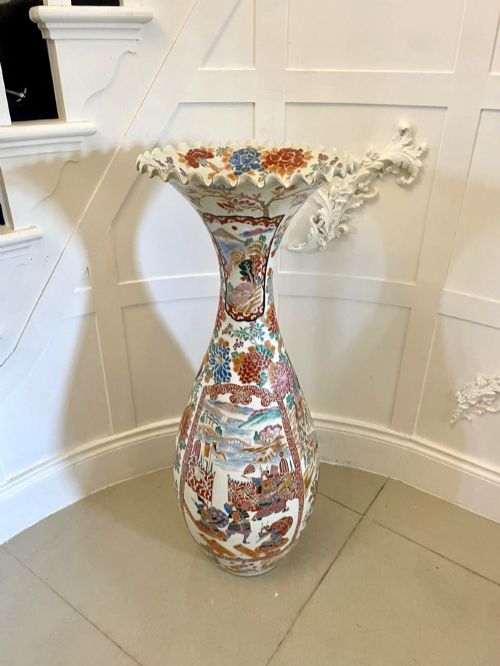
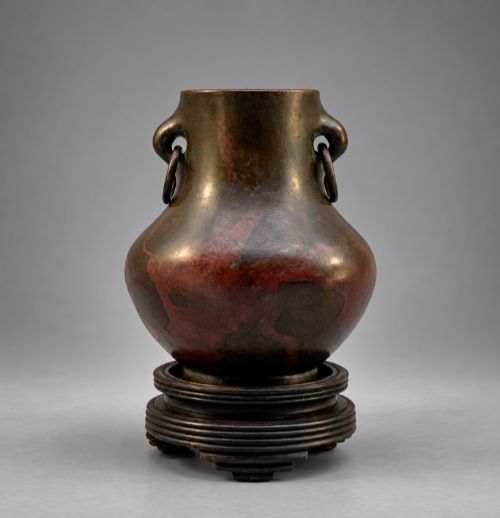
An antique vase stand provides a stable and elevated platform for display, holding everything from porcelain vessels to bronze urns.
Antique Vase Stand
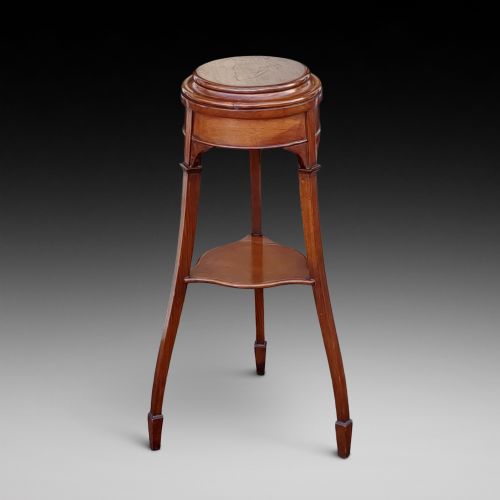
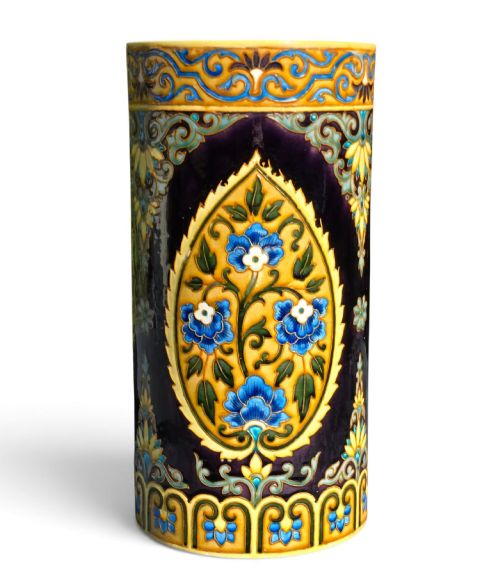
An antique vase stand is a dedicated piece designed to elevate and display decorative vessels, ranging from small ceramic plates to monumental floor vases. When searching for an antique vase stand, buyers encounter various forms including low tables, pedestals, and fitted supports.
The evidence shows these supports originating from several periods, predominantly the nineteenth century and the Edwardian era, alongside specific styles such as Qing Dynasty, Meiji Period, and Victorian designs.
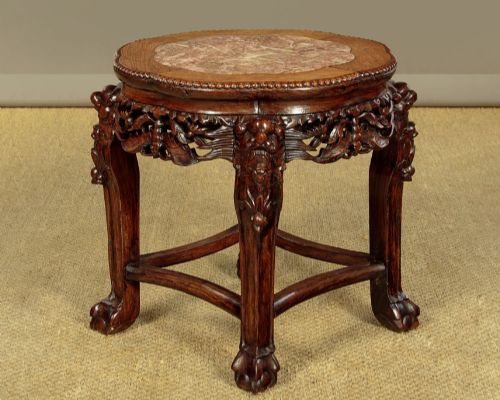
Materials for these pieces vary widely, encompassing carved hardwoods like hongmu with inset marble tops, cast iron, and porcelain. Some examples serve as independent furniture items like jardiniere stands, while others accompany specific vessels as matched sets.
How they were made
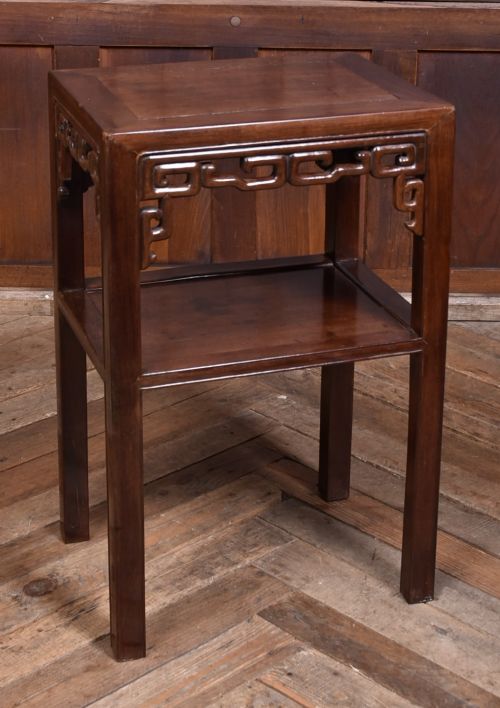
Carpenters and artisans utilised dense hardwoods such as hongmu, shaping them through carving and joinery to create low plant and jardiniere stands, frequently incorporating inset variegated rouge marble tops for a durable display surface.
Metalwork pieces rely on casting techniques, seen in bronze urns, cast iron campana urns on plinths, and silver-plated accessories from firms like Walker & Hall.
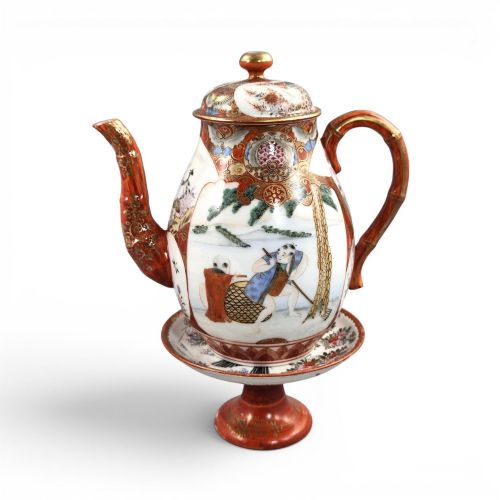
Ceramic and porcelain stands emerge from firing traditions, including Chinese Qing Dynasty and Meiji Period Japanese workshops, sometimes finished with lacquer over paint or gold leaf details.
Listings feature items spanning the Georgian period, the nineteenth century, and the Edwardian era, incorporating materials like porcelain, bronze, and hardwood.
What varies in quality
The calibre of carving on hardwood stands dictates much of the distinction at the upper end, where crisp details in foliage or geometric motifs show superior hand work rather than mechanical production.
Materials contribute significantly, with heavy variegated rouge marble tops and dense, well-seasoned timber indicating a higher grade of manufacture than softer woods or replacement panels.
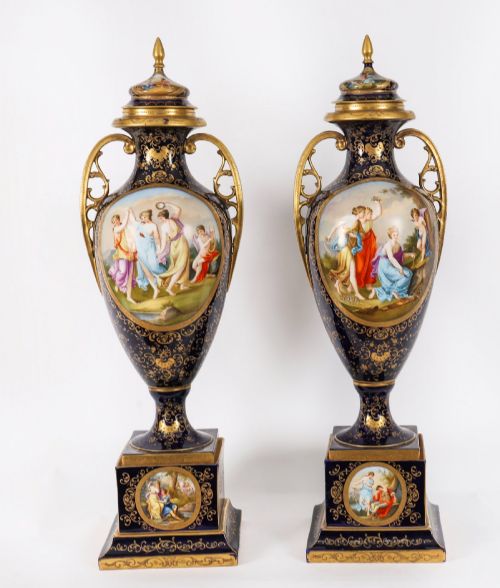
Integration between the object and its support matters, as seen in original matching porcelain stands produced alongside specific vases, which maintain stylistic and material continuity.
Kato Sanhei·Walker And Hall·Théodore Deck
The Antique Vase Stand Glossary
- Jardiniere stand
- A tall or low piece of furniture designed specifically to hold a plant pot or flower bowl. These often feature inset marble tops to resist water damage from watering plants.
- Hongmu
- A category of dense, dark Chinese hardwoods utilised for traditional furniture. It translates literally to red wood and is prized for its strength and rich grain.
- Imari
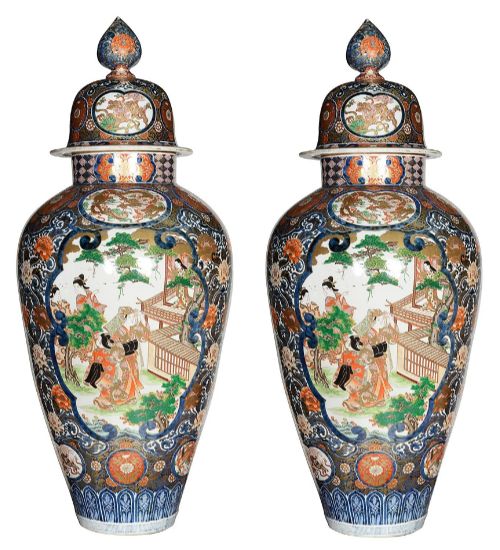
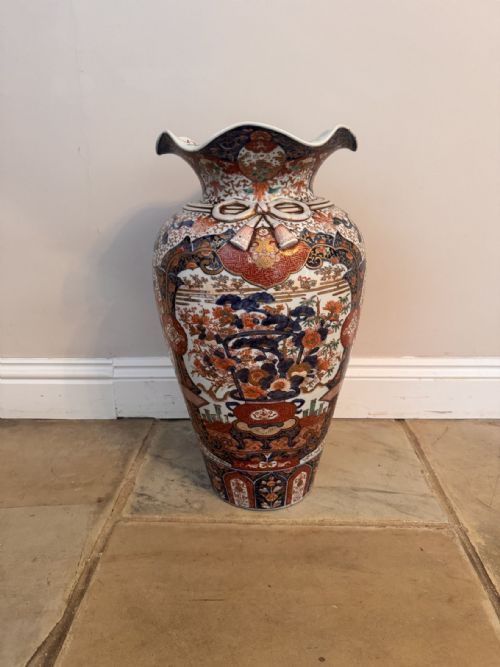
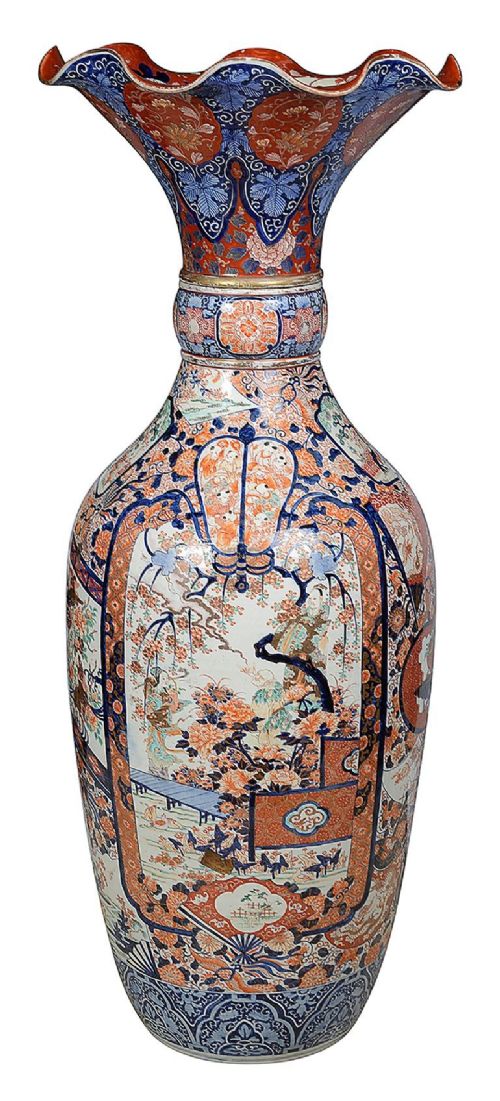
- A style of Japanese export porcelain characterised by a palette of underglaze blue, iron red, and gold. Pieces in this style frequently appeared on the international market during the nineteenth century.
- Campana
- A classical vase shape resembling an inverted bell with flared rims and handles. Cast iron examples often sit upon matching plinths in garden or interior settings.
- Archaistic
- A design approach that imitates ancient forms and motifs from earlier historical dynasties. In bronze or ceramic pieces, this involves referencing ritual vessels from antiquity.
Antique Vase Stand: Frequently Asked Questions
What is an antique vase stand used for?
These pieces function primarily to lift heavy or decorative vessels off the floor or furniture surface, protecting delicate surfaces and improving the visual balance of a room.
Historically, they supported large Japanese Imari vases, Chinese jardiniere pots, and bronze urns, placing them at an optimal height for viewing.
How do I identify a nineteenth-century hardwood stand?
Nineteenth-century examples, particularly those from Chinese workshops, often employ dense timbers like hongmu with traditional joinery rather than modern fasteners.
They frequently incorporate inset marble tops, carved apron details, and patination acquired through decades of handling and wax polishing.
Can these stands support heavy porcelain vases?
Solid construction and durable materials allow many of these pieces to bear substantial weight from large ceramic and bronze vessels.
Hardwood frames and cast iron plinths offer structural stability, though checking the integrity of the joints helps ensure safe display for monumental floor vases.
What is the difference between a jardiniere stand and a table?
Jardiniere stands generally feature narrower proportions and water-resistant insert surfaces, such as marble or glazed ceramic, designed to hold planted pots.
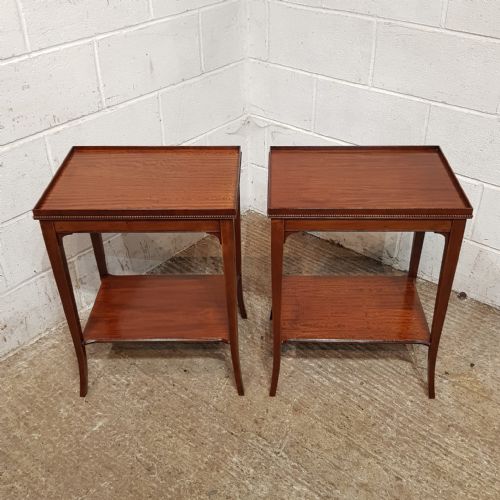
Standard occasional tables provide a flat wooden top intended for general display or lighting rather than damp flower containers.