
Brown Wood Sideboard
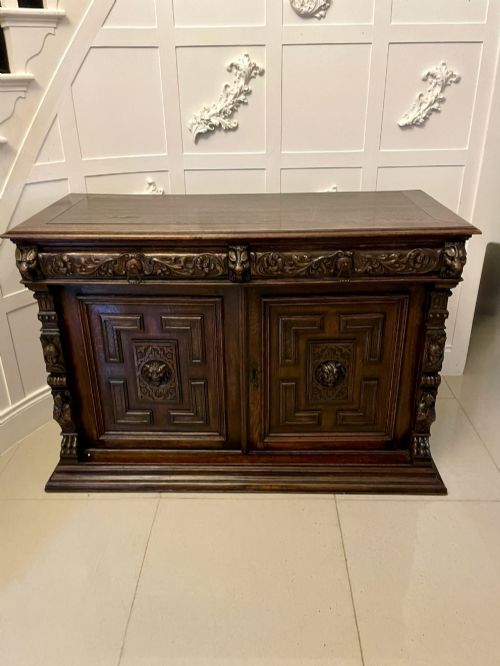
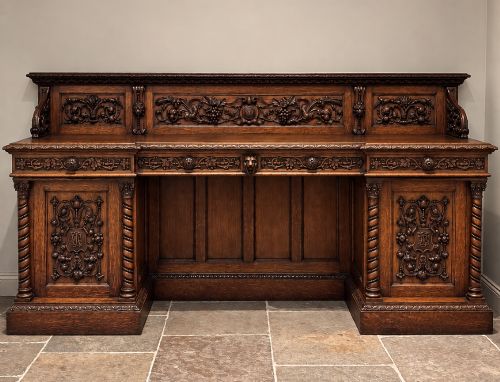
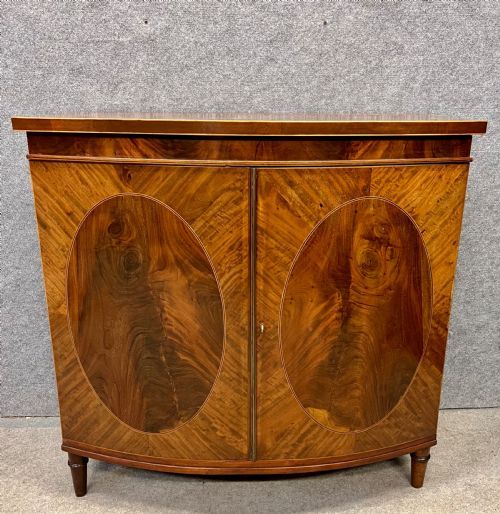
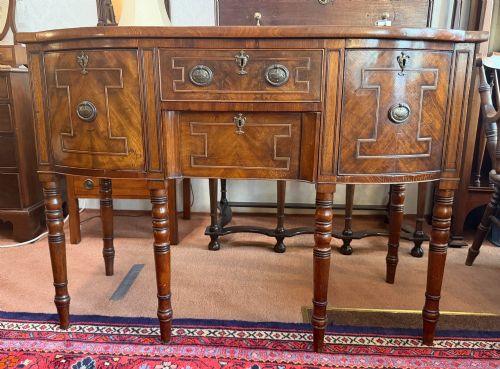
A brown wood sideboard provides essential dining room storage while bringing deep tones of mahogany and oak into the interior.
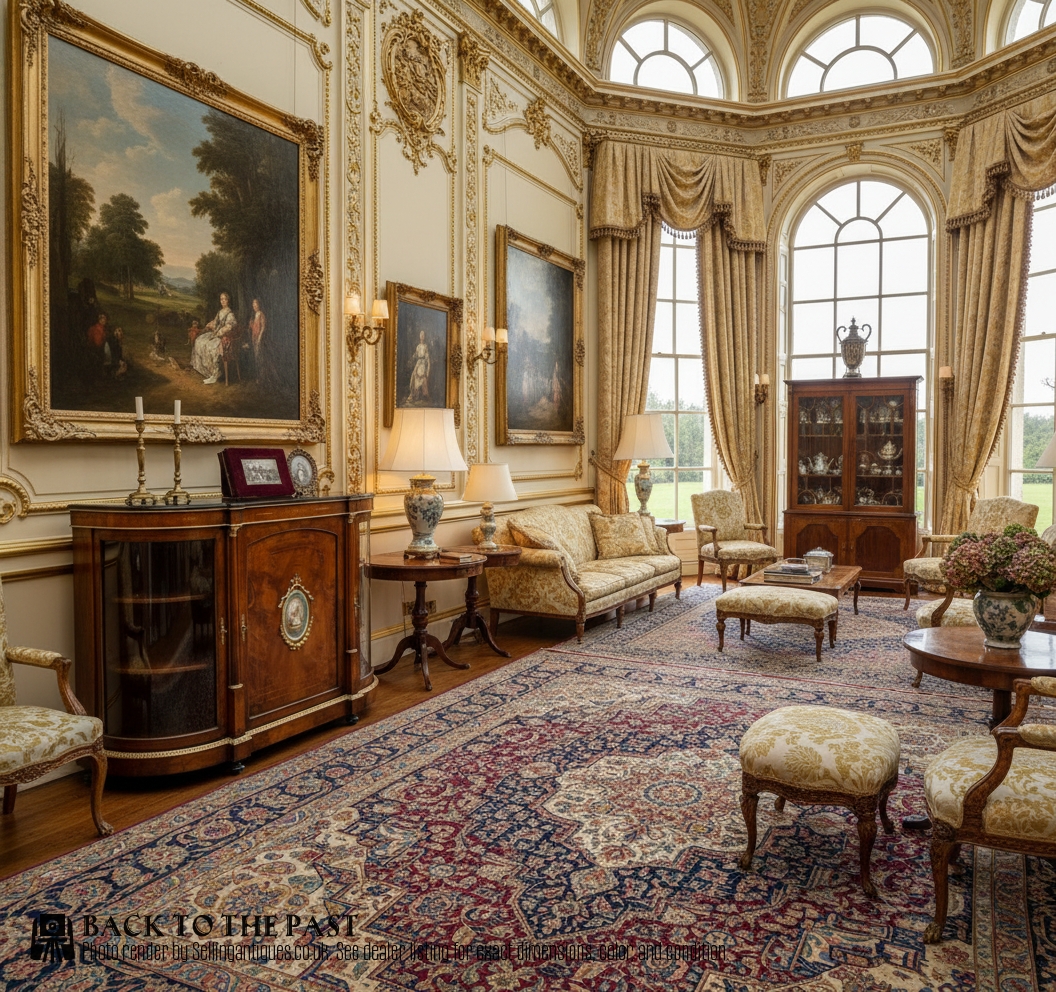
Brown Wood Sideboard
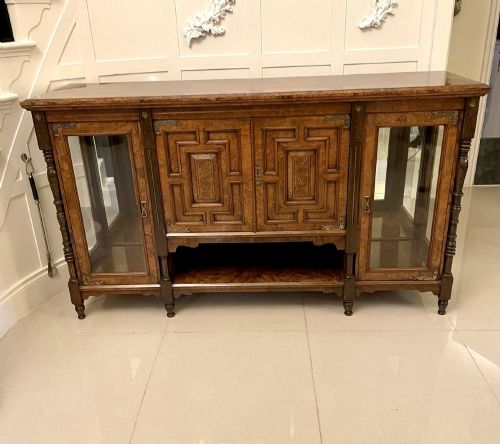
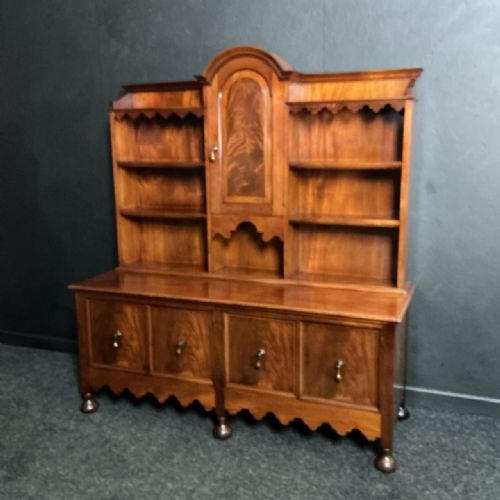
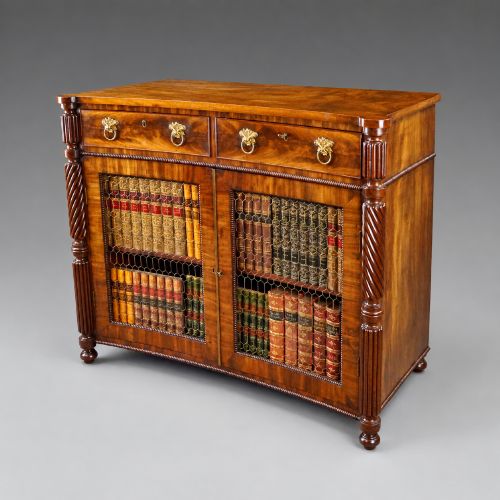
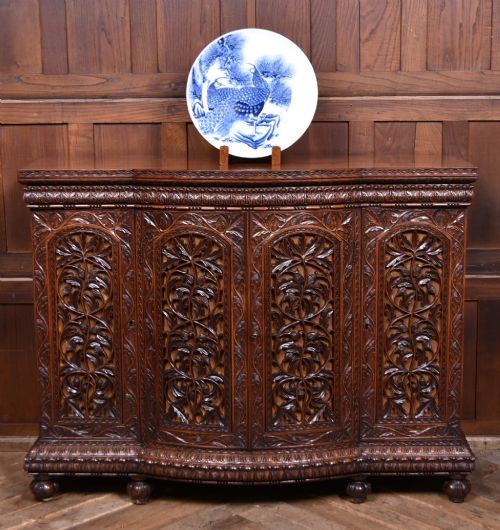
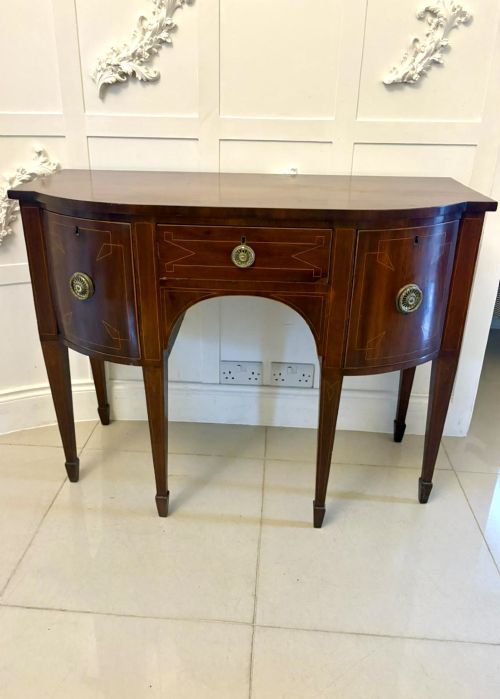
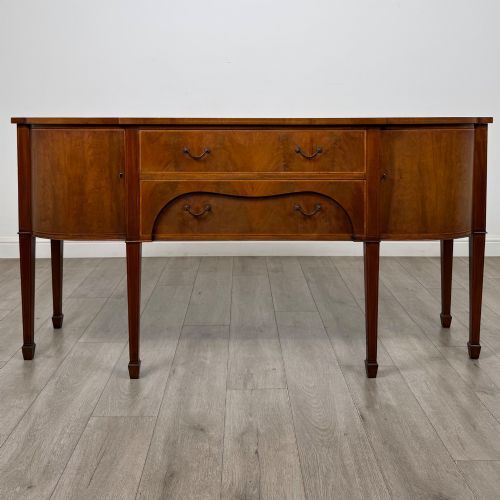
A brown wood sideboard encompasses dining room servers, credenzas, and large cupboards spanning the Georgian, Victorian, and Edwardian periods. These foundational pieces of furniture were built to store dining silver, linen, and glassware, serving as functional centres for formal meal preparation and display.
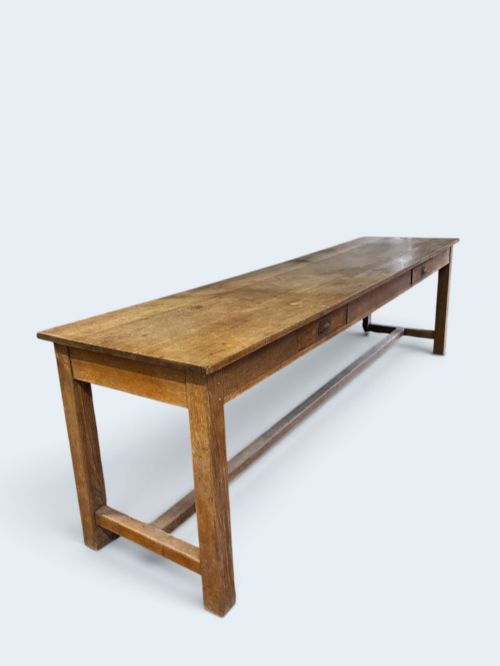
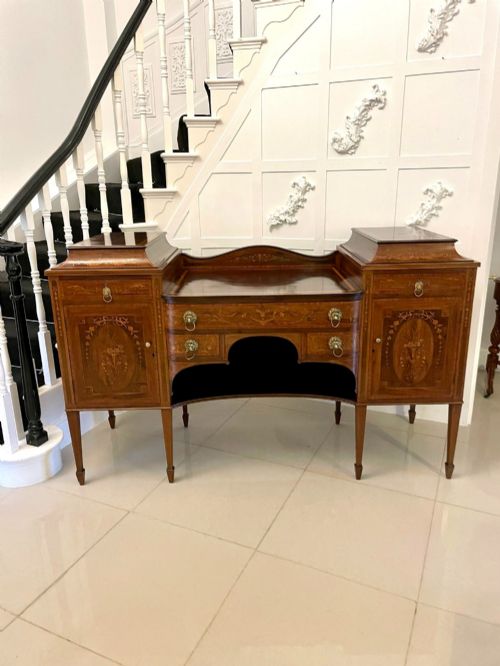
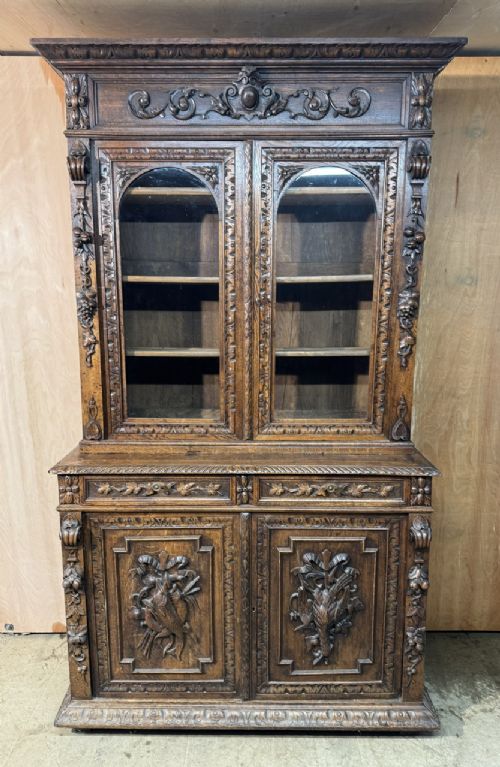
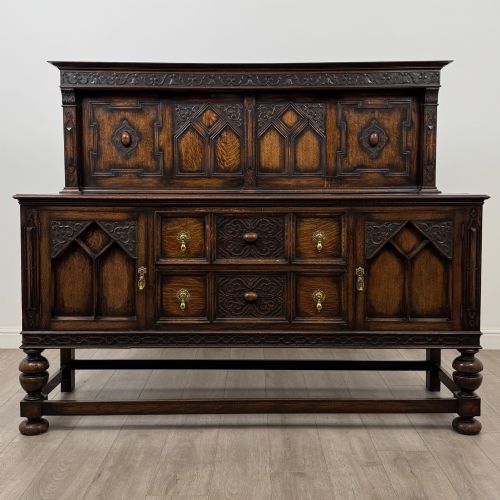
The versions most frequently met on this page include mahogany bow-front cabinets from the 19th century and solid oak sideboards influenced by Jacobean and Gothic revival styles. Alongside these, buyers encounter Georgian Sheraton designs and Edwardian inlaid demi-lune servers.

Materials and Construction
Cabinet makers constructed these pieces using solid and veneered timbers including mahogany, oak, satinwood, and boxwood, often reinforced with brass hardware and iron fittings. Timber selection dictated the structural integrity and visual depth of the sideboard, employing dense hardwoods to withstand heavy daily use in the dining room.
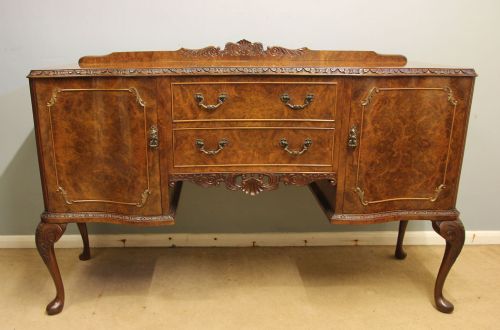
Surface decoration involved intricate marquetry inlay, boxwood stringing, and elaborate hand carving executed during the Victorian and Edwardian eras. French polishing techniques brought out the natural grain patterns in figured mahogany, walnut, and kingwood panels.
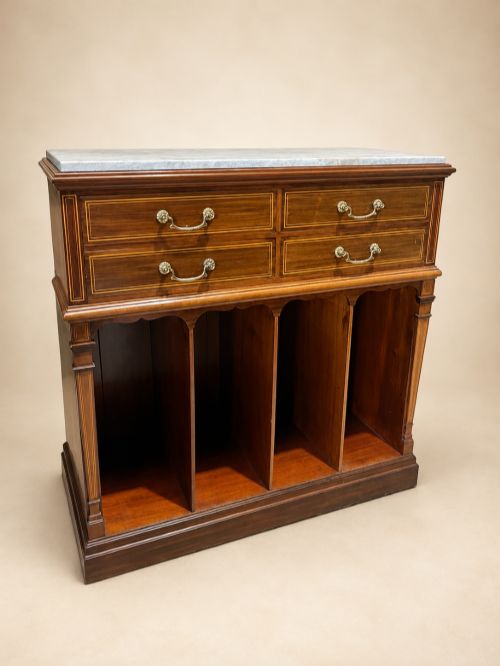
Structural elements incorporated dove-tailed drawer construction and panelled doors, sometimes finished with marble tops or glazed glass panels in display sections. These methods ensured stability across large sideboard bases and tall dresser tops.
Brown Wood Sideboard Retail Price Guide 2026
Typical asking prices for brown wood sideboard among the pieces listed under this phrase on Sellingantiques today, from the lower quarter to the upper quarter. They describe what is for sale here now, not the wider market.
Listings feature 19th-century and Edwardian sideboards built from mahogany, oak, satinwood, and rosewood.
Assessing Quality
Quality rests on the depth of the timber grain, the precision of the marquetry inlay, and the crispness of any hand-carved ornamentation. Superior examples display carefully matched veneers and uncompromised structural proportions that command presence in a room.
The integration of original brass handles, working locks, and secondary woods inside drawers indicates higher workshop standards. Pieces featuring refined details like serpentine fronts or subtle boxwood stringing reflect superior craftsmanship compared to plainer utility furniture.
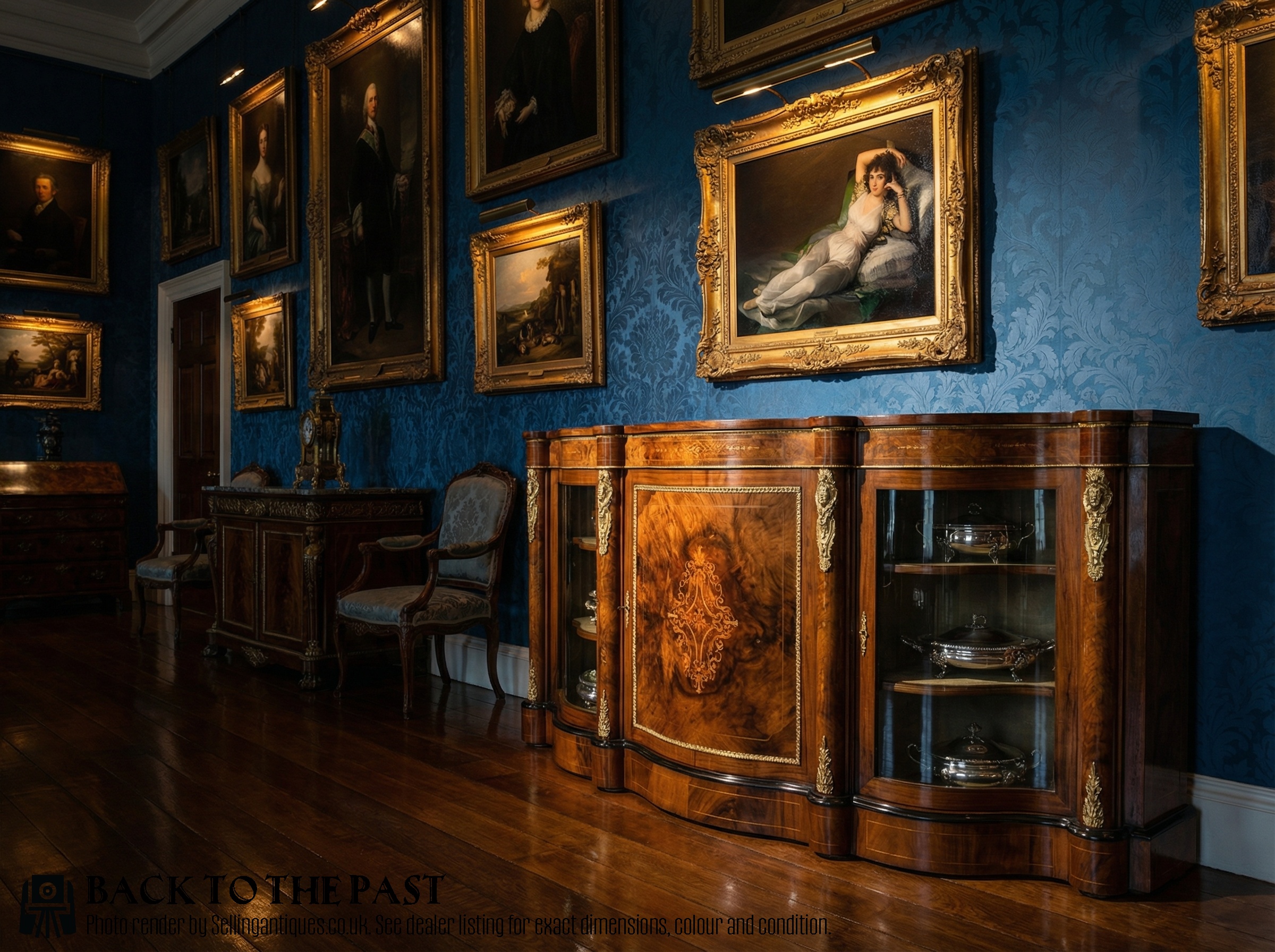
Hewetsons London·Collinson & Lock
The Brown Wood Sideboard Glossary
- Bow-front
- A convex curved cabinet front popular in Georgian and Victorian pieces. This shape softens room angles and maximises internal storage capacity.
- Marquetry
- Decorative patterns formed by fitting together small pieces of veneer. Craftsmen utilised contrasting woods like satinwood and mahogany to create pictorial designs.
- Serpentine
- A furniture front featuring a concave centre flanked by two convex ends. This flowing contour demands advanced woodworking skill to execute correctly.
- Credenza
- A sideboard or buffet typically lacking legs, standing low to the ground. Originating in Italy, it became a staple dining room piece during the Victorian era.
- Demi-lune
- A half-moon shape used for side cabinets and tables. These pieces fit flat against walls while offering a curved surface for display.
Brown Wood Sideboard: Frequently Asked Questions
Where did people keep a sideboard?
Sideboards traditionally stood in the dining room against a main wall, positioned close to the dining table for easy access during meals.
They functioned primarily as serving stations for dishes and storage units for silverware, linen, and glassware.
How do I clean wooden sideboards?
Dust surfaces regularly with a soft, dry cloth to prevent dirt build-up on the polished timber grain.
Apply natural beeswax periodically to nourish the wood and maintain the protective finish without harming antique patination.
How do I tell Georgian from Victorian?
Georgian pieces generally display restrained classical proportions, fine mahogany veneers, and delicate inlay work like boxwood stringing.
Victorian sideboards tend to be larger and heavier, often featuring bolder hand-carved oak details and Gothic or Jacobean revival motifs.
Can I use one in a hallway?
Narrower sideboards and demi-lune cabinets fit well in hallways, providing a surface for keys and correspondence.
Their enclosed cupboards offer hidden storage for everyday items while introducing period character to entrance spaces.