

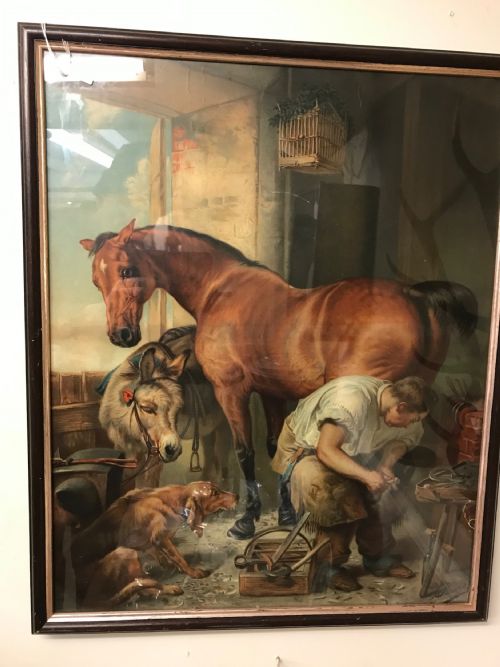

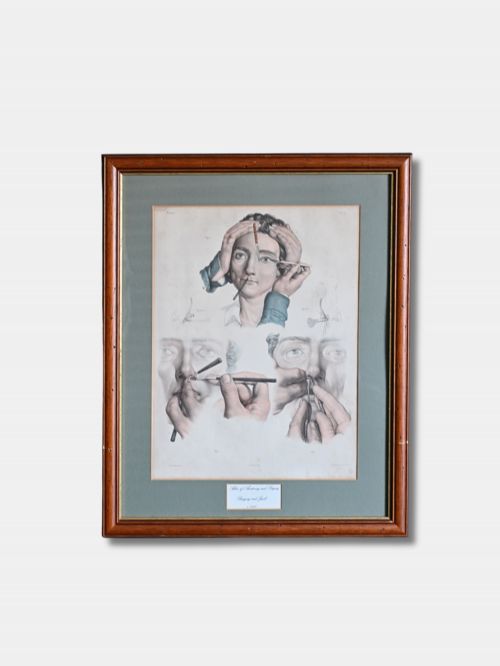


Brown Wood Framed Print
These brown wood framed print selections bring character to a room through centuries of historic imagery.
What these brown wood framed print pieces are
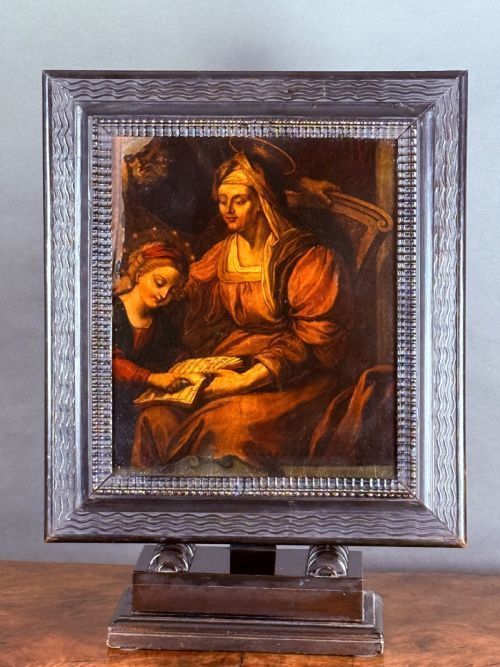
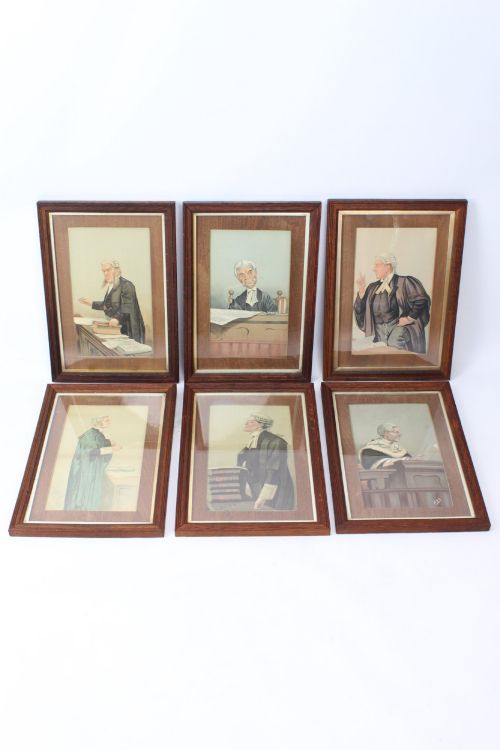
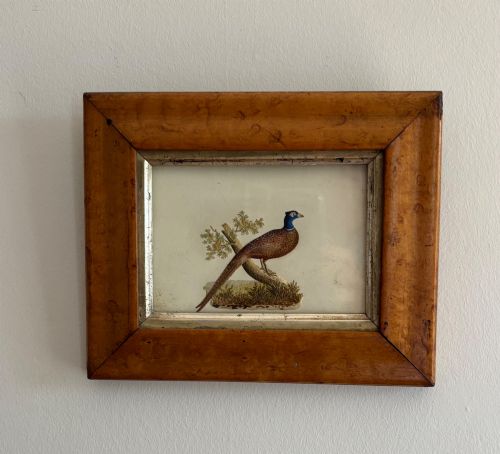
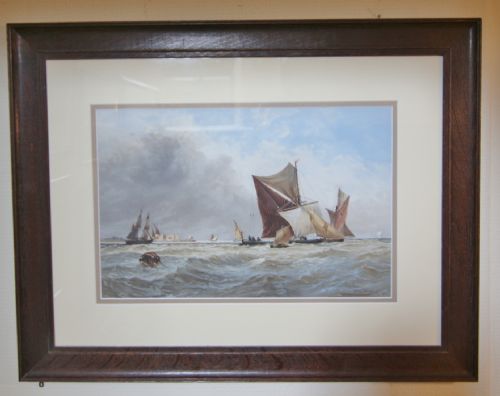
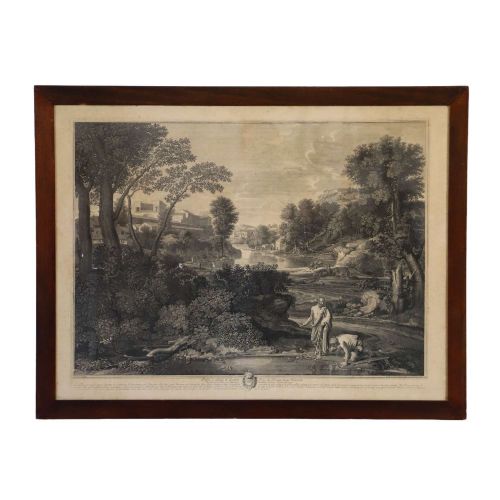
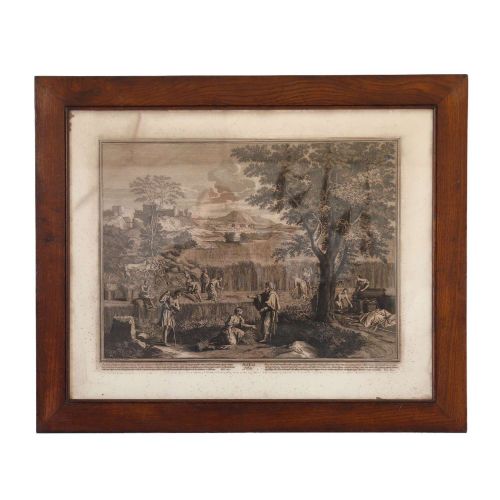
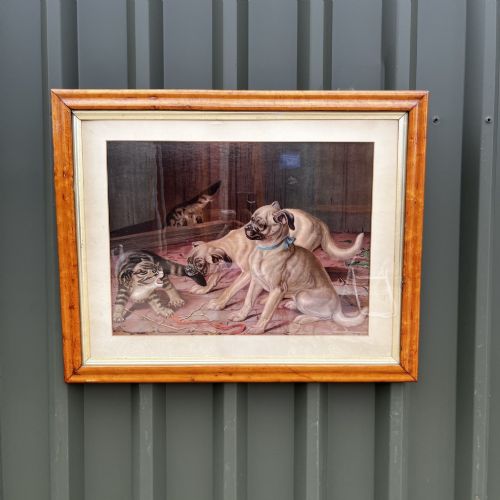
When searching for a brown wood framed print, collectors examine wall art spanning the eighteenth century, the nineteenth century, the Victorian era, and nineteen ten. These works encompass framed prints, reverse glass paintings, wall art, framed artwork, and prints and art.
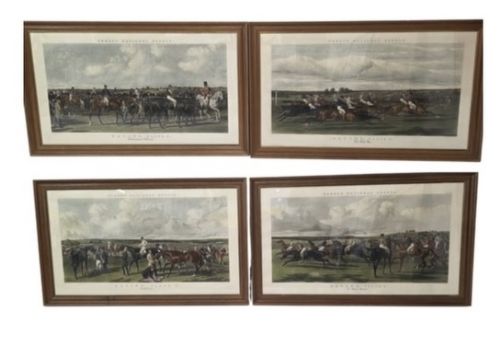
The physical forms on this page include architectural plans, lithographs, original prints, copper engravings, stipple engravings, and reverse glass mezzotints. Subjects range from religious scenes and African portraits to sporting scenes and classical architecture.
Origin points and stylistic traditions include French industrial lithography, Edwardian sporting art, Neoclassical design, Georgian composition, Baroque influence, and nineteenth century French work.
How they were made
Makers utilised wood to construct the enclosing frames that protect these paper and glass works. Ink and oil pigment convey the visual imagery across the various print formats and reverse glass techniques.
Production techniques recorded in the listings include copper engraving, stipple engraving with hand colouring, lithography, and reverse glass mezzotint. Each method requires specialist preparation of plates, stones, or glass surfaces before application.
Retail Price Guide 2026
Typical UK retail prices for brown wood framed print, calculated from the Sellingantiques database of over a million retail prices indexed since 2003. This retail price guide relies exclusively on Sellingantiques data; no external sources or auction records are used, so the figures do not describe the wider market.
The inventory includes diverse object types such as reverse glass paintings, architectural plans, and copper engravings.
What varies in quality
The standard of execution in the engraving or lithography sets finer examples apart from simpler productions. Precision in the ink work and the finesse of hand colouring dictate visual depth.
The integrity and age of the enclosing wood frame contribute to the overall character of the piece. Authentic period framing matches the historical window of the artwork contained within.
The Brown Wood Framed Print Glossary
- Mezzotint
- A printmaking process of the intaglio family where the plate is roughened to produce tonal gradations. Early examples demonstrate considerable depth in shadow and light.
- Lithograph
- A planographic process that relies on the repulsion of oil and water on a flat stone or metal plate. This technique allowed for accurate reproduction of detailed imagery.
- Stipple engraving
- An intaglio method using dots rather than lines to depict form and texture. Hand colouring was frequently applied to enhance the finished print.
- Reverse glass painting
- An art form where the image is painted or printed directly onto the back of a piece of glass and viewed from the front. This creates a glossy, luminous surface.
Frequently Asked Questions
How do I hang a heavy wood framed print?
Ensure your wall fixings match the weight of the timber frame and glass. Use appropriate picture hooks secured into wall studs or solid masonry.
Check the hanging wire or cord on the reverse of the frame before mounting. Professional framing hooks distribute the weight evenly.
Where should I place these pieces at home?
Position these artworks away from direct sunlight to protect the paper, ink, and pigments from fading over time. Stable indoor humidity prevents timber frames from warping.
Consider eye-level placement in hallways, studies, or living rooms to appreciate the fine details of the engravings and lithographs.
How do I clean an antique wood frame?
Dust the timber gently with a soft, dry cloth to remove surface particles. Avoid chemical polishes that can damage aged wood finishes.
Clean the glass carefully with a cloth sprayed with cleaning fluid, taking care not to let moisture seep beneath the frame edge.
How do I identify the period of a print?
Examine the paper stock, the printing technique, and the style of the subject matter for historical clues. Eighteenth-century works often display distinct plate marks and laid paper characteristics.
Compare the framing style and joinery methods with known historical examples. Professional dealer descriptions provide verified period attributions.