




Brown Wood Collector Box
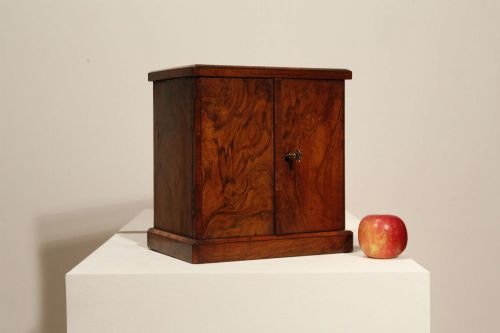
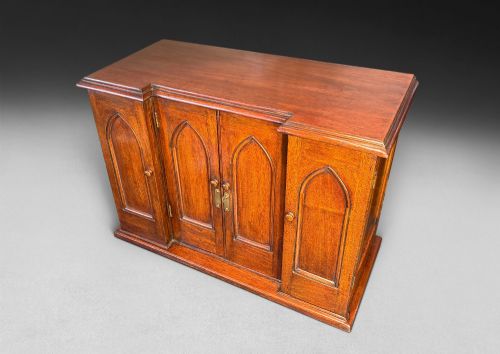
A brown wood collector box gathers miniature drawers, display tables, and tabletop cabinets made from walnut, mahogany, oak, and exotic timbers.
Brown Wood Collector Box
When you search for a brown wood collector box, you are looking at functional storage vessels designed to hold small curiosities, specimens, or personal items. These pieces span from the nineteenth century into the Edwardian period, encompassing Victorian and Arts and Crafts examples.
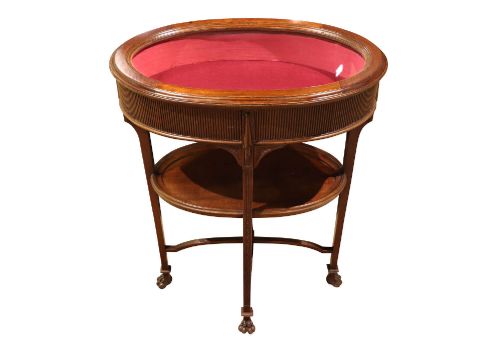
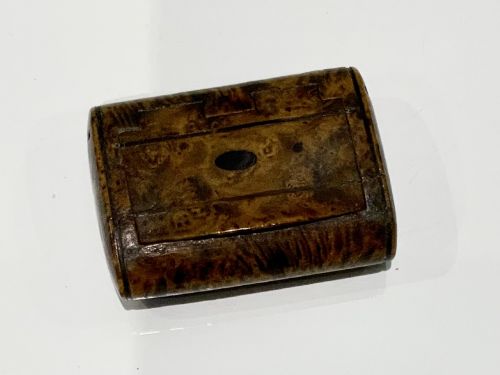
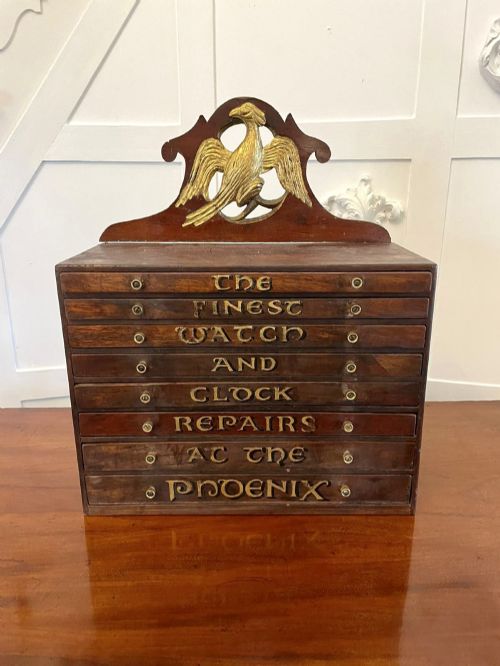
The most common forms on this page include tabletop cabinets with multiple drawers, miniature chests of drawers, and glazed bijouterie tables. You will also encounter specialised containers such as specimen wood snuff boxes and small watch repairer chests.
Origins range across British and continental workshops, utilising dense timbers like mahogany, walnut, and oak. Each piece serves to organise and display intimate collections within domestic spaces.
Distinguishing quality in timber boxes
Quality rests in the selection of figured wood veneers, such as burr walnut, laburnum oyster, and thuya wood, matched with precision crossbanding. The crispness of carved details and the integration of specialised inlays dictate the standard of execution.
Internal fidelity matters equally, seen in smooth-running dovetailed miniature drawers and intact velvet linings. Hardware integrity, including original brass hinges and working locks with keys, elevates the piece.
Brown Wood Collector Box Retail Price Guide 2026
Typical asking prices for brown wood collector box among the pieces listed under this phrase on Sellingantiques today, from the lower quarter to the upper quarter. They describe what is for sale here now, not the wider market.
The listings feature mahogany, oak, walnut, amboyna, satinwood, boxwood, and laburnum across nineteenth and early twentieth-century periods.
The Brown Wood Collector Box Glossary
- Bijouterie table
- A glass-topped display table designed for showcasing small valuable objects and jewellery. These pieces rose to prominence during the Victorian and Edwardian eras.
- Crossbanding
- A narrow strip of veneer laid around the border of a panel so that the grain runs at right angles to the central grain. This technique frames the wood surface.
- Oyster veneer
- Slices cut transversely from small branches to produce circular or oval patterns resembling oyster shells. Laburnum was frequently utilised for this decorative effect.
- Specimen wood
- Furniture or boxes constructed from a variety of different timbers to display contrasting natural colours and grain patterns. Makers often collected these woods from global sources.
- Treen
- Small handmade wooden household objects and vessels. Georgian treen includes utilitarian and decorative pocket containers.
Brown Wood Collector Box: Frequently Asked Questions
What fits inside a miniature chest of drawers?
These small drawers were historically used to store coins, medals, precious stones, or sewing accessories.
Today, they suit modern collections of small curiosities, rings, or desk stationery.
How do I care for polished wood boxes?
Keep wooden boxes away from direct sunlight and radiators to prevent the timber and delicate veneers from drying out and cracking.
Apply a traditional beeswax polish occasionally and buff gently with a soft cloth to maintain the finish.
Are tabletop cabinets heavy?
Most nineteenth-century tabletop cabinets and miniature chests are constructed from dense hardwoods like oak or mahogany. While compact in size, their solid timber frames give them a reassuring weight.
They are easily moved between surfaces but require sturdy placement.
How do I distinguish Victorian from Edwardian boxes?
Victorian pieces often feature darker timbers, heavier carvings, and Gothic Revival influences or rich burr walnut veneers. Edwardian examples tend to showcase lighter satinwood, simpler geometric inlays, and brighter polished surfaces.
Construction details and secondary woods also help confirm the period of manufacture.