



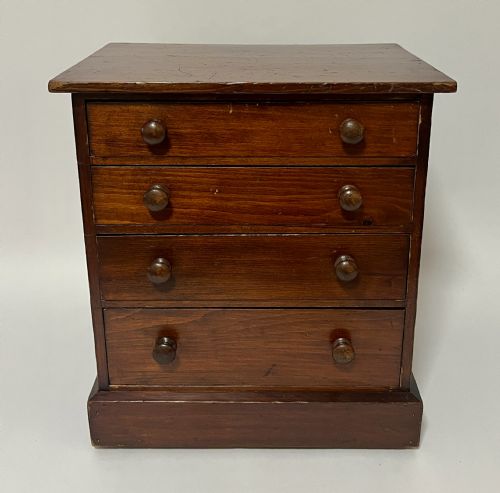
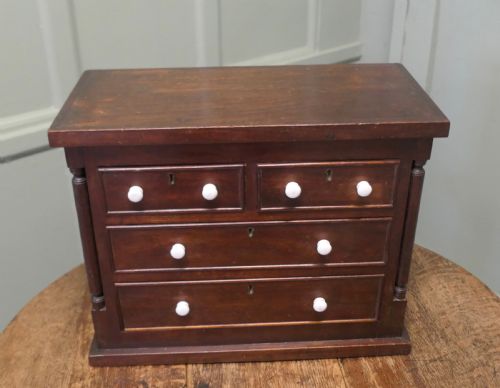
19th Century Tabletop Chest
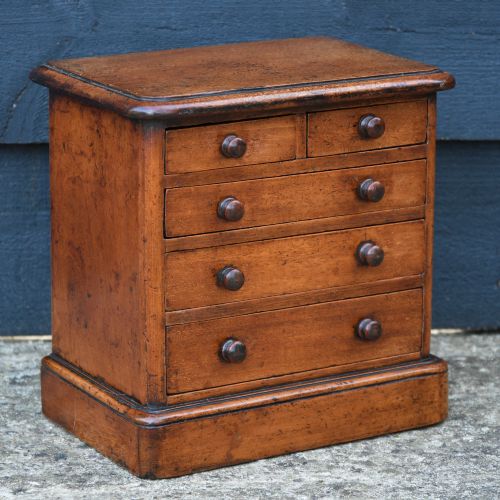
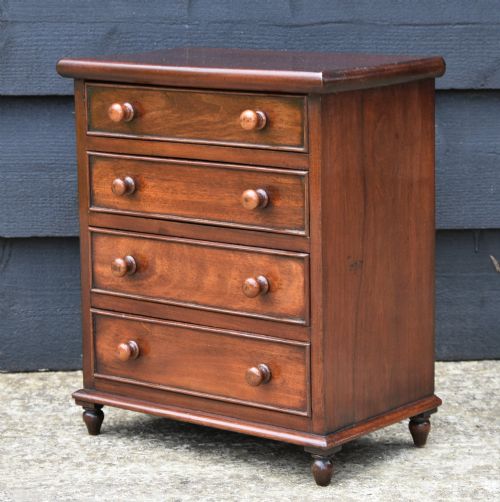
A 19th century tabletop chest brings the presence of full-scale case furniture into a domestic interior on a diminutive scale.
19th Century Tabletop Chest
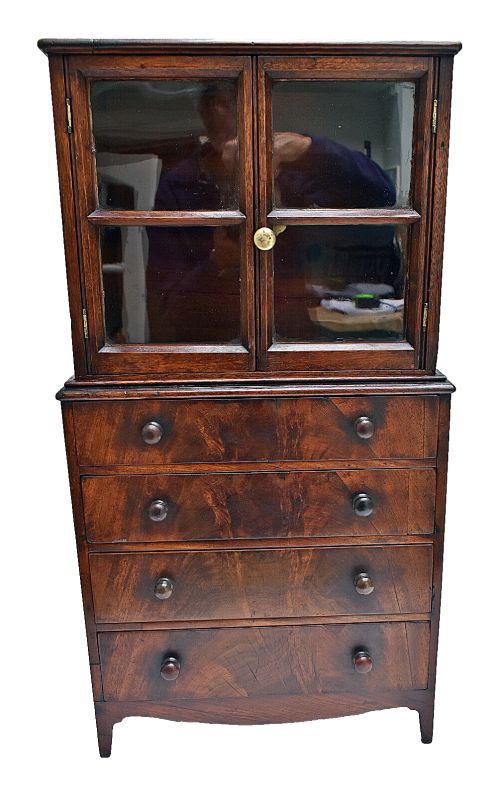
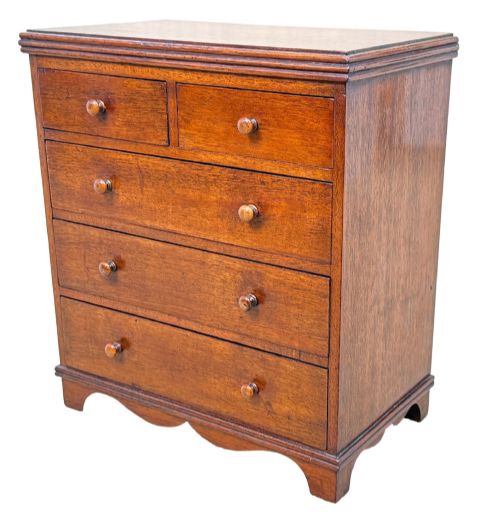
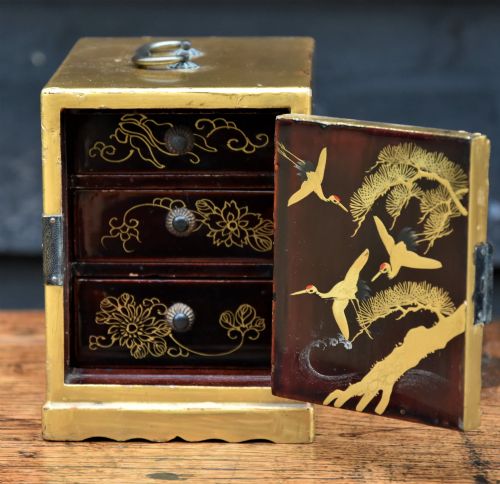
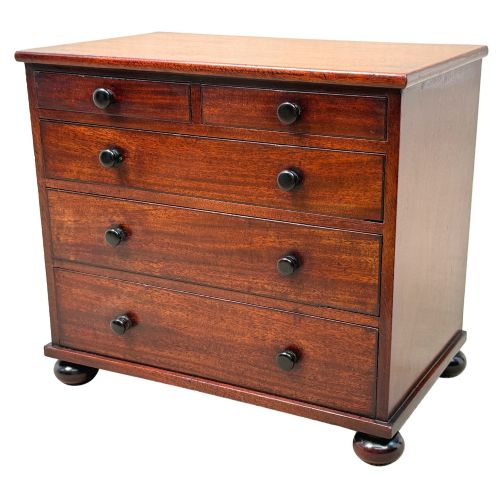
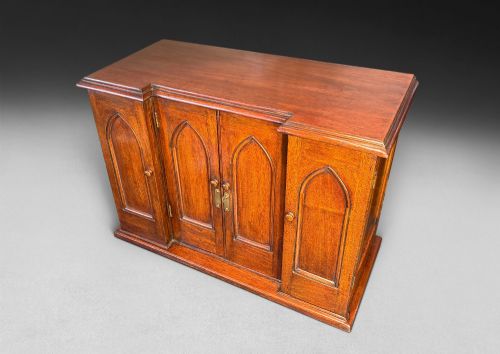
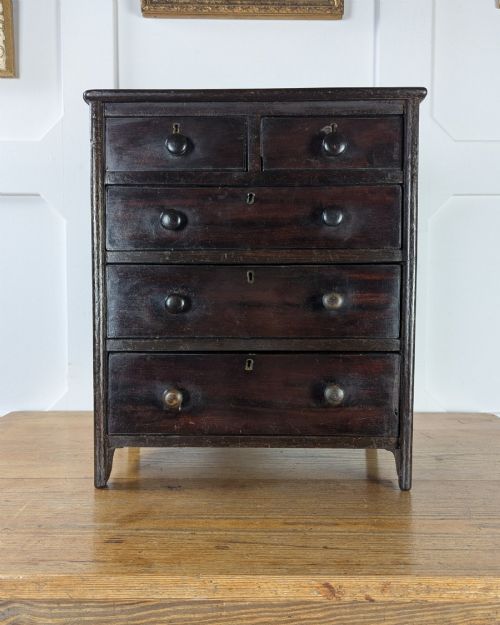
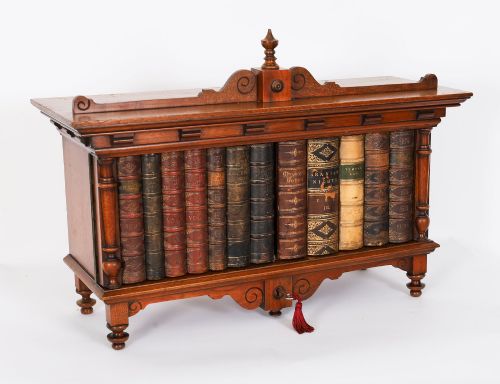
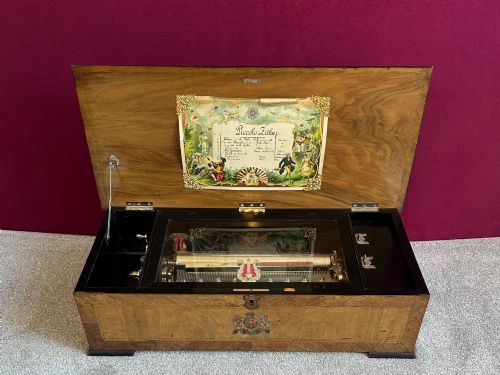
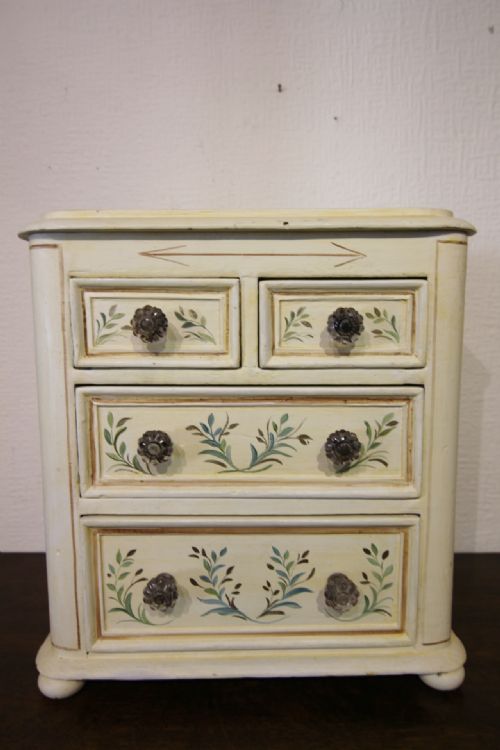
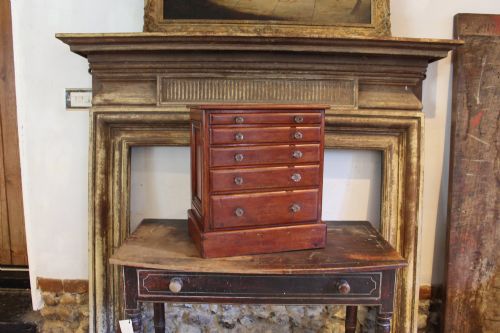
A 19th century tabletop chest comprises miniature chests of drawers, collectors' cabinets, spice drawers, and specialised storage made to sit on surfaces. These items range from apprentice pieces and utilitarian apothecary cabinets to ornate jewellery chests.
The periods represented stretch across the Victorian era, the Regency period, and the broader 19th century, drawing on regional British styles as well as Chinese Export and Anglo-Indian traditions. Forms include bow-front chests, banks of small drawers, and lockable display cabinets.
Buyers select these objects for compact display and practical storage of small valuables, specimens, or sewing ephemera. Their small proportions allow them to sit easily upon desks, sideboards, and tables.
What Varies in Quality
Quality rests in the crispness of the miniature proportions and the fidelity with which large-scale architectural details are scaled down. Superior examples maintain balanced drawer distributions and clean joins without clumsy alterations.
The choice of primary timber and secondary framing woods marks the distinction between workshop levels. Plain stained pine serves utility, whereas figured burr veneers and well-chosen mahogany denote deliberate cabinetmaking.
19th Century Tabletop Chest Retail Price Guide 2026
Typical asking prices for 19th century tabletop chest among the pieces listed under this phrase on Sellingantiques today, from the lower quarter to the upper quarter. They describe what is for sale here now, not the wider market.
Some miniature chests hide secret compartments behind primary drawers for stashing truly tiny treasures.
Luxmore's of Ilfracombe
The 19th Century Tabletop Chest Glossary
- Apprentice piece
- A small item of furniture demonstrated by a journeyman to prove skill to a guild. These often take the form of miniature chests of drawers.
- Collectors cabinet
- A specialised storage chest fitted with multiple small drawers for organising natural history specimens, coins, or small curiosities. Microscope slide cabinets represent a specific variant.
- Apothecary chest
- A compact multi-drawer chest designed for storing medicines, phials, or homeopathic remedies. They frequently feature secure locking mechanisms.
- Chinese Export
- Decorative items produced in China specifically for Western markets during the 19th century. These often display distinctive lacquerwork and gilded decoration.
19th Century Tabletop Chest: Frequently Asked Questions
What were miniature chests used for?
These small chests served multiple domestic and professional purposes, from storing sewing gear and jewellery to holding specialised medical phials or dried specimens.
Cabinetmakers also produced them as demonstration pieces to display technical proficiency to prospective employers.
How do I date a tabletop chest?
Dating relies on observing timber choices, construction methods, and handling of decorative hardware such as brass pulls or mother of pearl inlay.
Stylistic markers correspond to the broader periods visible in the timber and proportions, ranging from Regency elegance to heavier Victorian taste.
Where should I place a tabletop chest?
Their small footprint allows them to sit securely upon larger case furniture, desks, or sideboards without dominating a room.
Placing them away from direct heat sources protects vulnerable timbers and delicate veneers from drying out.
What is an apprentice piece?
An apprentice piece is a small-scale model built by a craftsman demonstrating competence to master furniture makers.
They replicate full-sized chests of drawers with working drawers and precise dovetail joints at a reduced scale.