






Dark Brown Collector Cabinet
A dark brown collector cabinet holds small treasures, bringing order to specimens, coins, and curiosities in mahogany, oak, and walnut.
Dark Brown Collector Cabinet
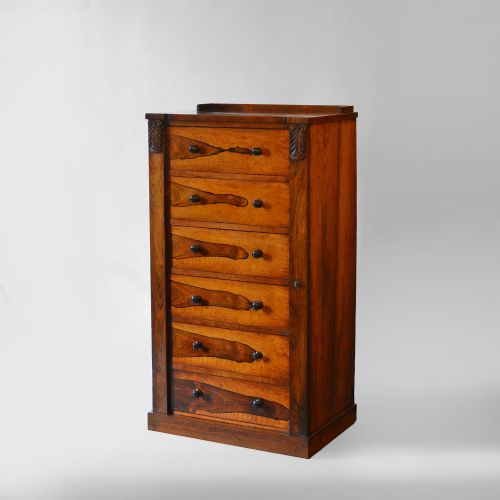
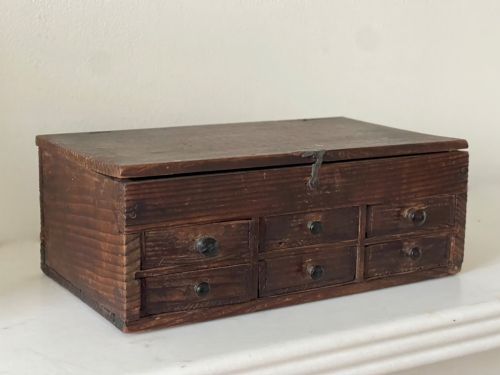
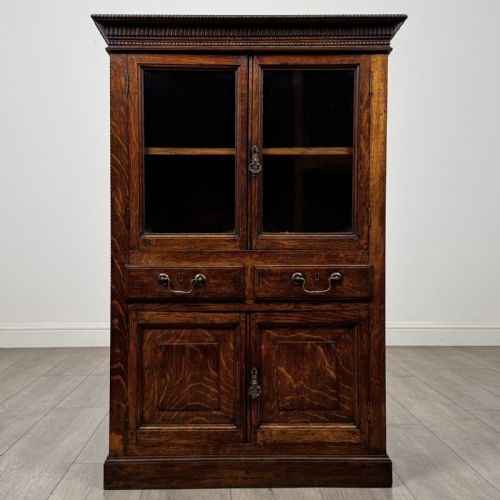
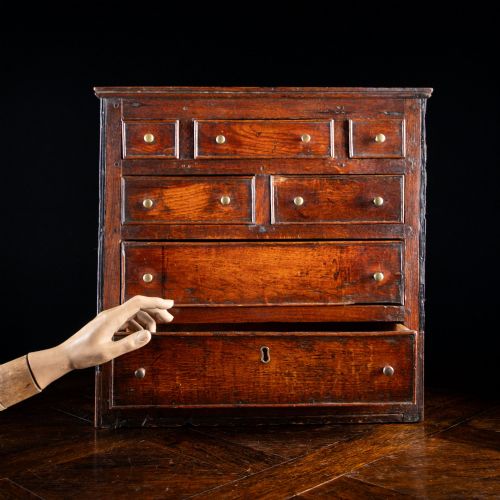
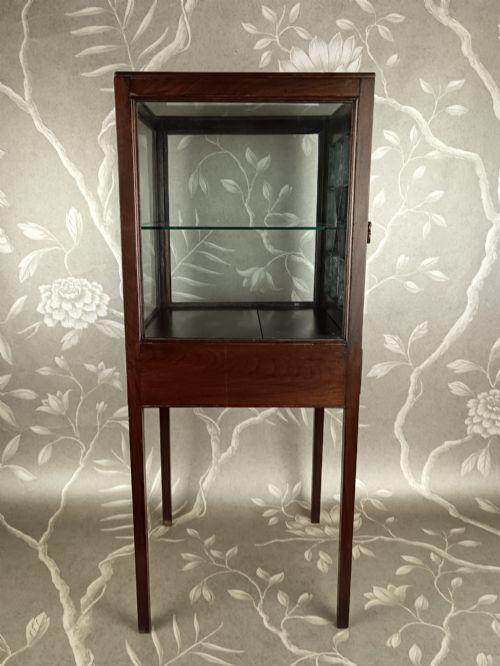
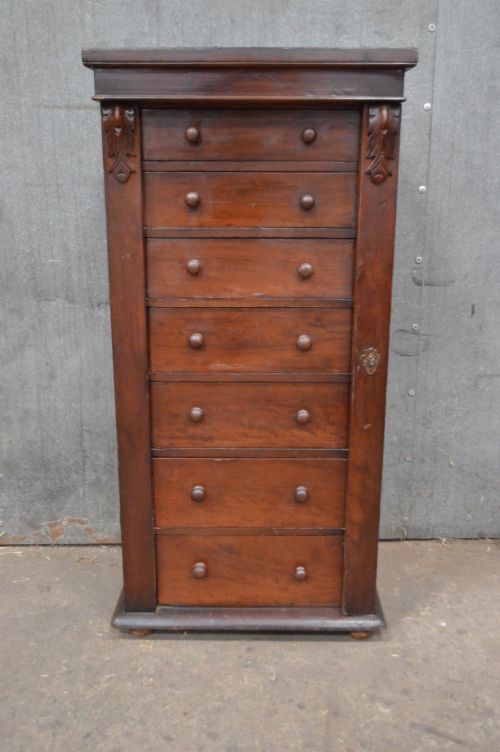
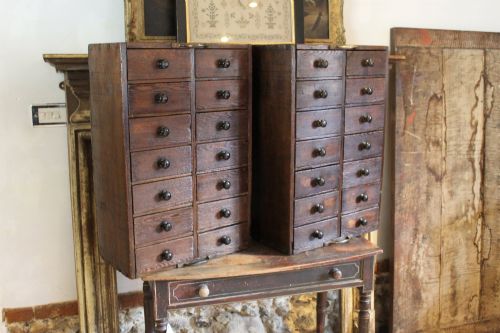
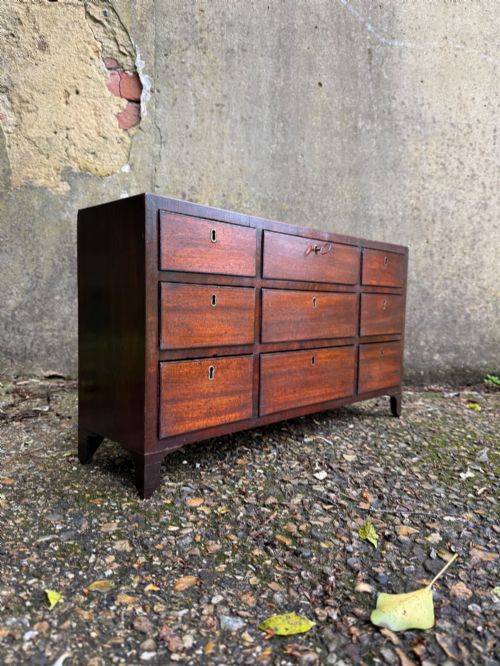
A dark brown collector cabinet comprises multi-drawer chests, tabletop pieces, and glazed display vitrines designed to house natural history specimens, coins, and small artefacts. These objects emerge from periods spanning the Georgian era through to the early twentieth century.
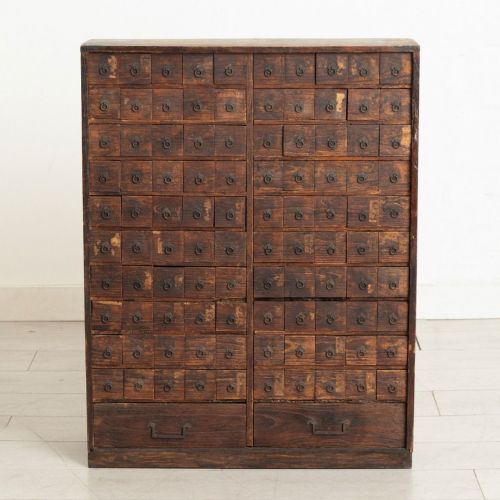
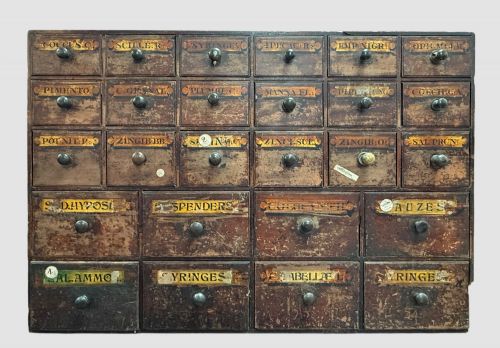
Buyers most frequently encounter mahogany and oak examples, often formed as banks of drawers or watchmaker chests with brass hardware. The selection includes Victorian specimen chests, Apothecary banks of drawers, and small tabletop cabinets originating from English and continental workshops.
How they were made
Cabinetmakers utilised dense timbers such as mahogany, oak, walnut, and deal, constructing carcases with tight joinery to protect delicate contents from dust. Surfaces received polished or stained finishes that brought out the deep brown tones of the wood.
Hardware typically incorporates brass drop handles, campaign-style recessed pulls, and glazed panel doors fitted with working locks. Interior drawer construction often involves hand-cut dovetails designed to bear the weight of numerous small compartments.
Dark Brown Collector Cabinet Retail Price Guide 2026
Typical asking prices for dark brown collector cabinet among the pieces listed under this phrase on Sellingantiques today, from the lower quarter to the upper quarter. They describe what is for sale here now, not the wider market.
Object forms range from miniature chests of drawers and apothecary banks to glazed tabletop vitrines and specimen cabinets.
What varies in quality
Quality rests in the precision of the drawer fit and the choice of secondary timbers used in internal framing. Superior pieces display consistent timber figure across the facade and retain original brass fixtures rather than later replacements.
The complexity of the interior arrangement, such as numerous graduated small drawers or specialised compartments for clocks and specimens, distinguishes standard storage chests from finer collector pieces.
Luxmore's of Ilfracombe·D Napier & Sons
The Dark Brown Collector Cabinet Glossary
- Specimen chest
- A specialised cabinet containing multiple shallow drawers intended for housing geological, botanical, or entomological samples.
- Vitrine
- A glass-fronted display cabinet used for exhibiting objects of vertu and small collector items while keeping them protected.
- Bank of drawers
- A multi-drawer storage unit, often originating from a shop, apothecary, or watchmaker's workshop for organising small components.
- Apprentice piece
- A miniature item demonstrating a craftsman's skill in mastering various woodworking joints before attaining full guild membership.
Dark Brown Collector Cabinet: Frequently Asked Questions
What fits inside a dark brown collector cabinet?
These cabinets house small artefacts, natural history specimens, pocket watches, coins, and geological samples within their shallow drawers.
The compartmentalised interior keeps delicate items organised and protected from dust and light exposure.
How do I date a wooden collector cabinet?
Dating relies on examining construction methods, timber choices, and hardware styles such as brass drawer pulls and lock mechanisms.
Georgian and Victorian pieces often show hand-cut dovetails and denser mahogany or oak boards compared to later twentieth-century production.
Where were tabletop collector cabinets placed?
Tabletop cabinets sat upon larger desks, sideboards, or dedicated stands within studies and libraries for easy daily access.
Their compact footprint allowed collectors to examine contents closely without needing floor-standing furniture.
Are apothecary drawers the same as collector cabinets?
Apothecary chests served originally to store medicinal ingredients and dry goods in pharmacies rather than display private collections.
Both forms utilise banks of small wooden drawers, making apothecary units popular repurposed alternatives for storing modern collections.