


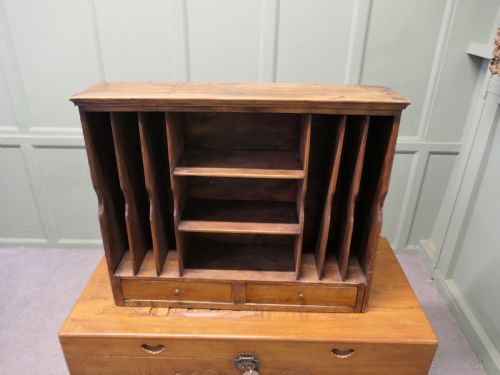


Desktop Drawer Unit
A desktop drawer unit brings order to a workspace, offering compact storage for letters, trinkets, and small treasures.
Desktop Drawer Unit
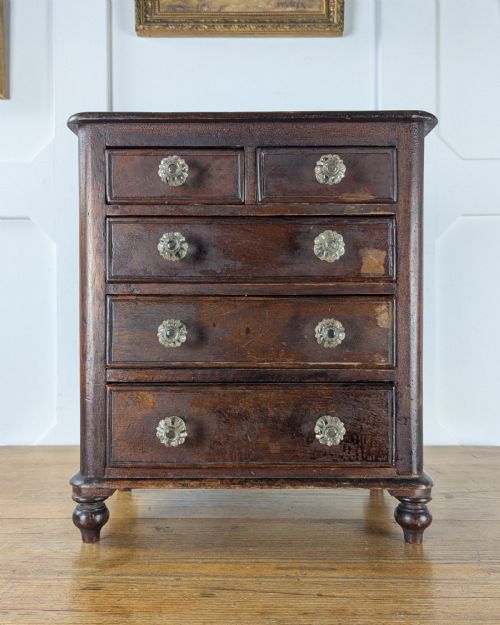
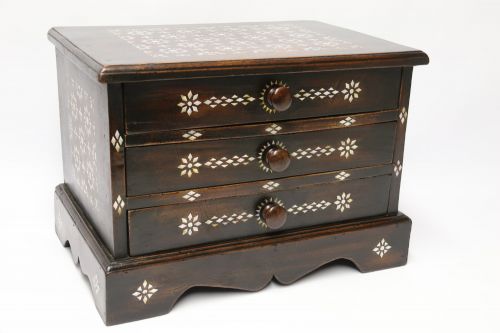
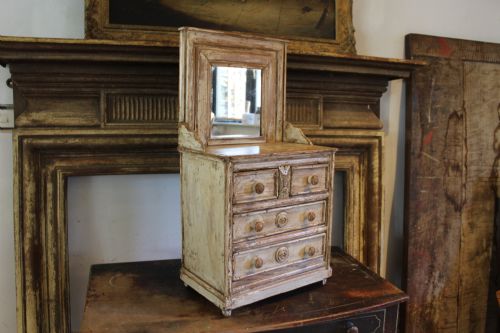
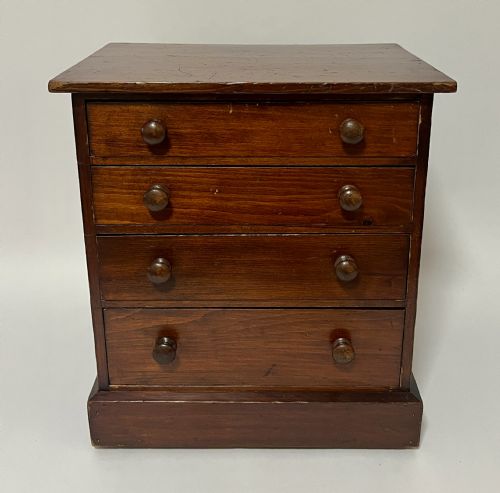
A desktop drawer unit provides practical tabletop storage in various period forms. When you search for desktop drawer unit, you encounter miniature chests, filing cabinets, and small storage boxes designed for utilitarian or domestic use.
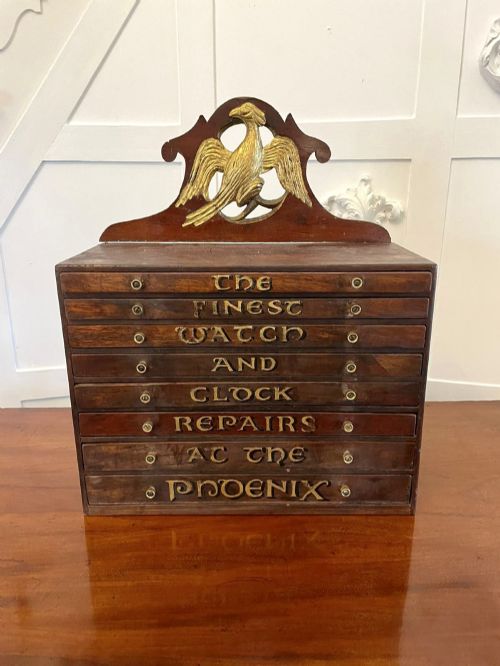
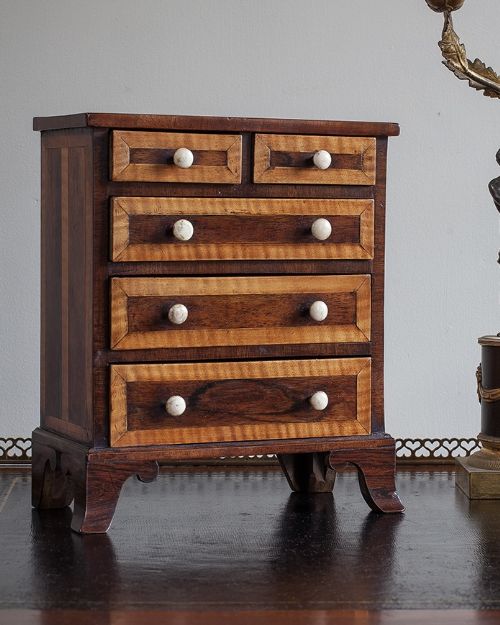
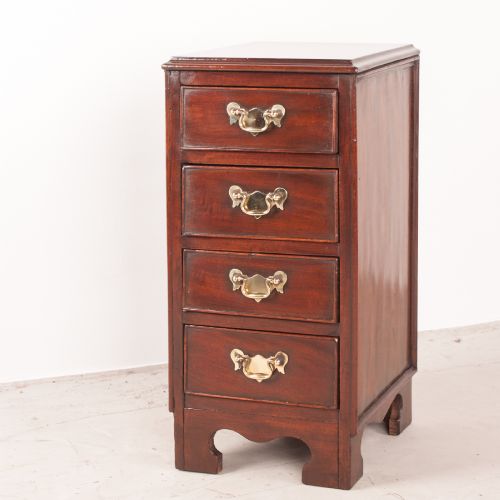
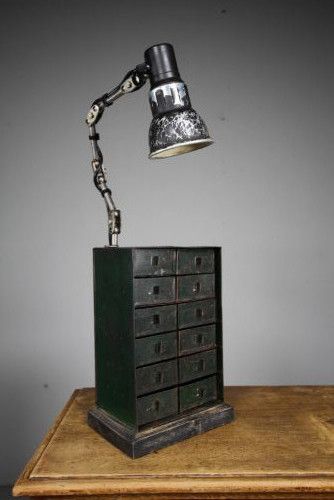
The selection spans Victorian apprentice pieces, Edwardian shop fittings, and early twentieth-century office furniture. These pieces range from mahogany miniature chests of drawers to industrial steel and wooden filing units.
Common configurations include multi-drawer collector cabinets, seed chests, and jewellery boxes intended to sit upon a desk, counter, or table.
How they were made
Cabinet makers utilised a variety of woods including mahogany, oak, walnut, pine, and deal. Hardwoods often received polished or inlaid finishes, whilst utilitarian workshop pieces relied on simpler stained softwoods.
Brass fittings, handles, and card holders appear frequently across the periods, complementing the timber construction. Metal and glass elements also feature in industrial and jewellers' chests from the Edwardian era onward.
Desktop Drawer Unit Retail Price Guide 2026
Typical asking prices for desktop drawer unit among the pieces listed under this phrase on Sellingantiques today, from the lower quarter to the upper quarter. They describe what is for sale here now, not the wider market.
What varies in quality
Original hardware, such as brass pulls and working locks, elevates the integrity of a piece. The presence of maker details or specialised trade adaptation, like seed or drapery labelling, alters the character of the unit.
The Desktop Drawer Unit Glossary
- Apprentice piece
- A small-scale item created by a craftsman to demonstrate skill for trade guild admission. These miniature chests mirror full-size furniture construction.
- Collector cabinet
- A small multi-drawer unit designed for storing specimens, coins, or curiosities. They often feature shallow drawers.
- Draper's cabinet
- A countertop storage unit utilised in retail shops for ribbons, needles, or small haberdashery items. They frequently feature glazed or labelled fronts.
- Specimen cabinet
- A specialised storage chest built to house natural history collections such as insects or botanical samples. The drawers are tightly fitted to protect contents.
- Turned feet
- Feet shaped on a lathe to form circular profiles. They support the base of many Victorian and Edwardian miniature chests.
Desktop Drawer Unit: Frequently Asked Questions
What were desktop drawer units originally used for?
These small chests served diverse practical purposes in homes, offices, and shops. Merchants used them for seeds and notions, whilst professionals stored correspondence and records.
Collectors also utilised them to organise small items like coins, stamps, and natural history specimens.
How do I date a desktop drawer unit?
Dating relies upon timber choices, construction techniques, and hardware styles. Victorian pieces often display turned feet and mahogany or walnut veneers, whilst later Edwardian and interwar units lean toward oak and industrial filing formats.
Drawer construction, such as hand-cut versus machine-cut dovetails, also provides clear clues to the decade of manufacture.
Where should I place one in my home?
A desktop drawer unit fits well on top of a writing desk, chest of drawers, or hallway console table. Their compact footprint provides functional storage without dominating a room.
They work effectively in studies for stationery or in living spaces for small collections and everyday accessories.
Are these units suitable for daily use?
Many of these pieces were built for robust commercial or domestic storage, making them sturdy enough for contemporary use. Solid timber construction and functional drawer runners ensure they withstand regular opening and closing.
Care should be taken with delicate veneers or antique glass fronts to preserve their condition.