

Brown Walnut Dressing Table
A brown walnut dressing table brings rich grain and practical surface space to a bedroom, drawing on styles from the eighteenth century to the art deco period.
Brown Walnut Dressing Table
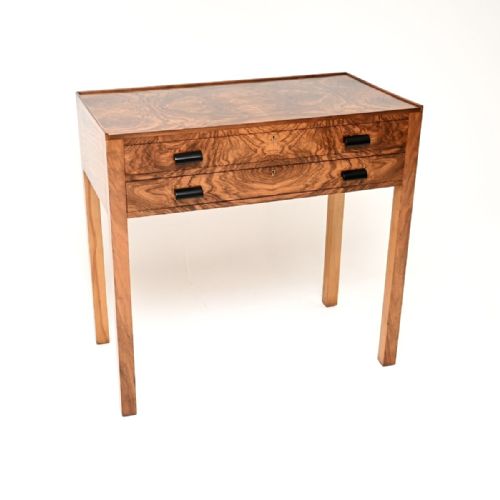
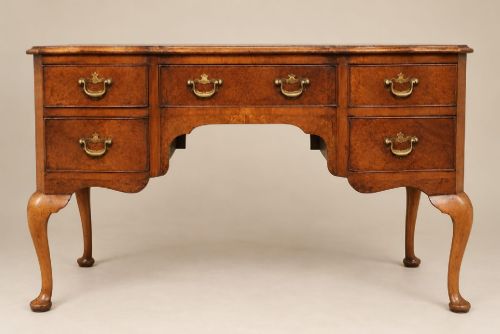
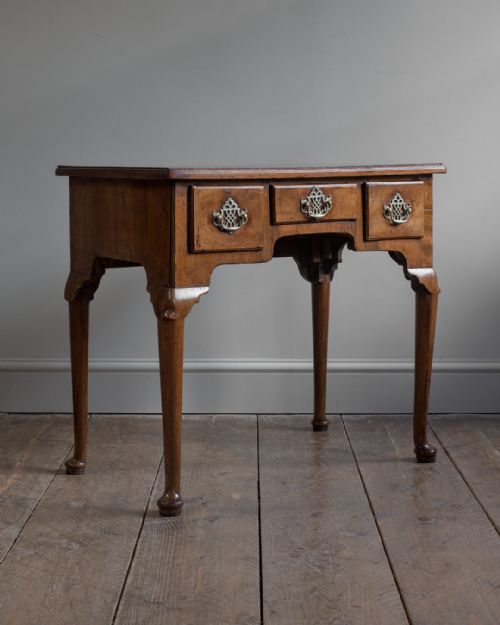
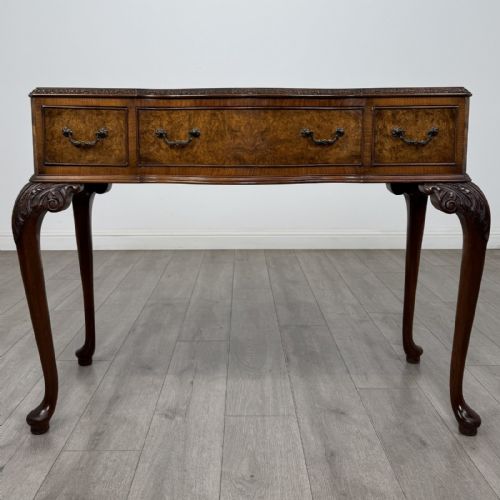
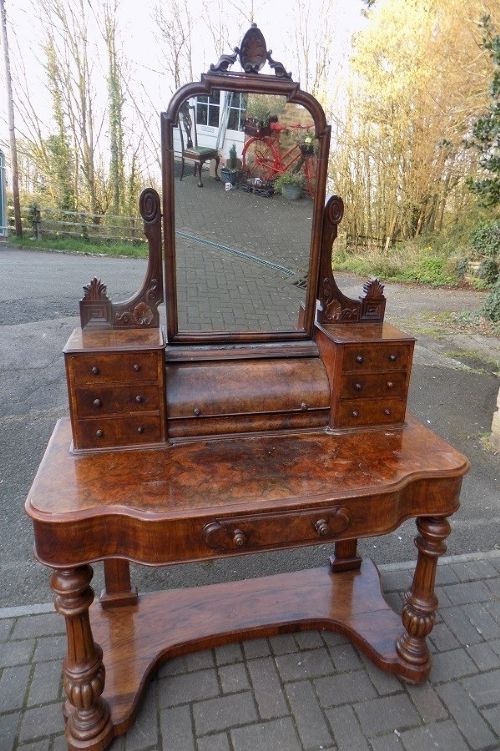
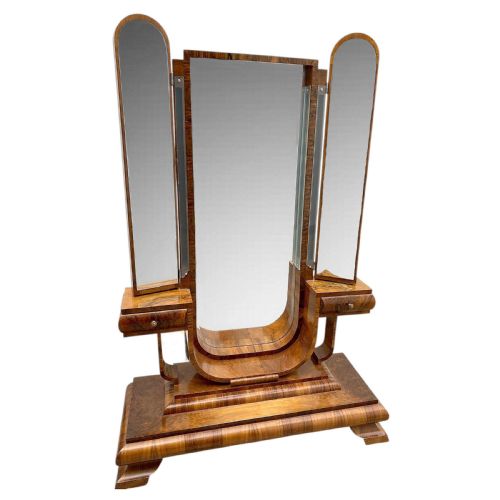
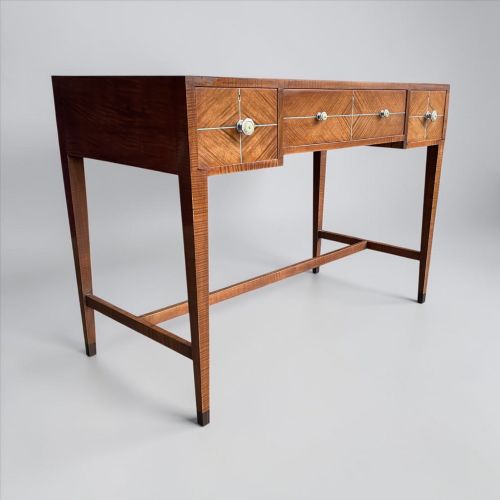
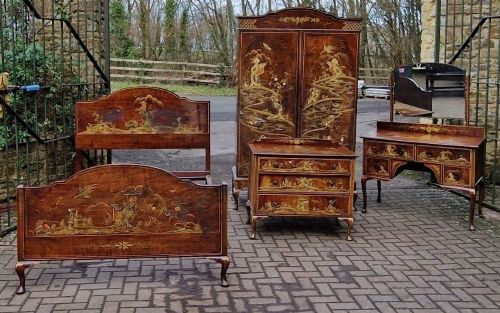
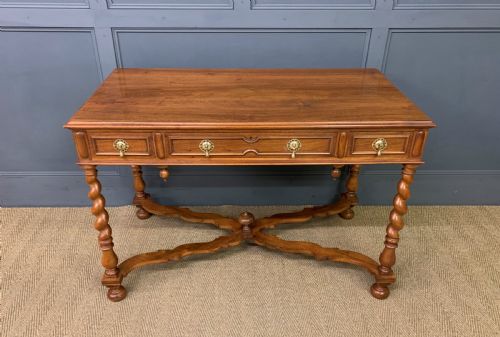
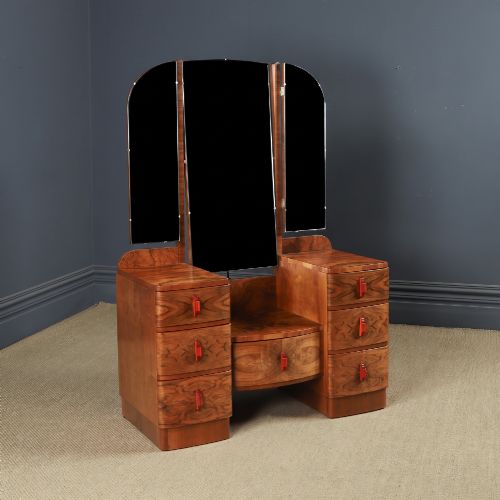
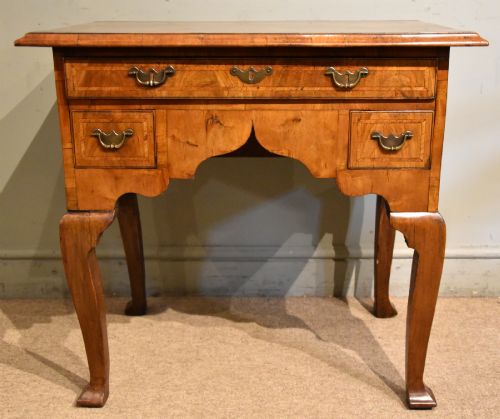
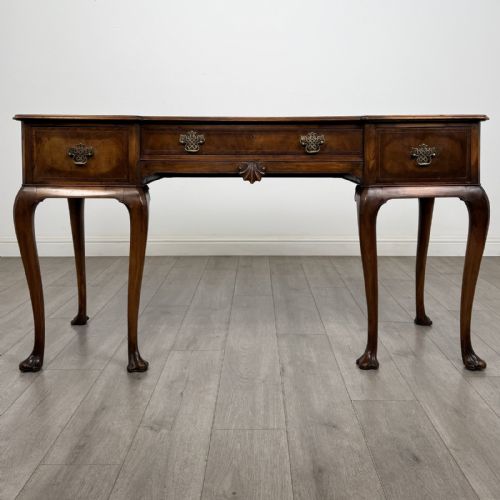
A brown walnut dressing table is a purposeful piece of furniture designed for personal grooming, combining a supportive surface with integrated storage drawers and often accompanied by a matching mirror or stool. When you examine a brown walnut dressing table on this page, you encounter forms that span the Georgian era, the Victorian period, Edwardian revivals, and 1930s art deco designs.
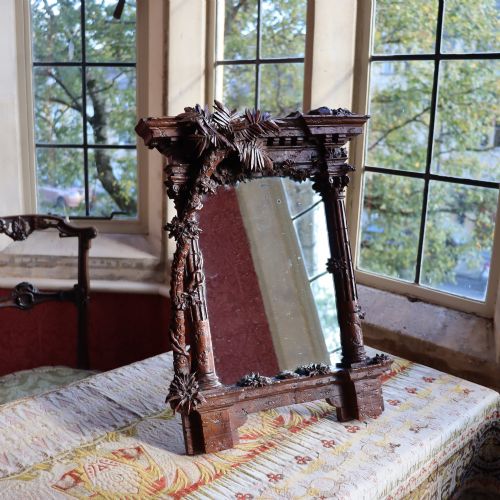
The selection ranges from lowboys and kneehole desks adapted for vanity use to freestanding tables featuring marquetry, burr veneers, and pivoting toilet mirrors. These pieces originate from English and continental workshops, utilising traditional cabinetmaking forms such as Queen Anne curves and straight pedestal lines.
How they were made
Cabinetmakers constructed these tables using solid timber frames of walnut, oak, and satin walnut, applying figured or burr walnut veneers to the primary surfaces to accentuate the natural grain patterns. Brass handles, ormolu mounts, and green tooled leather inserts frequently supplement the woodwork, while glass elements appear in associated mirrors and table tops.
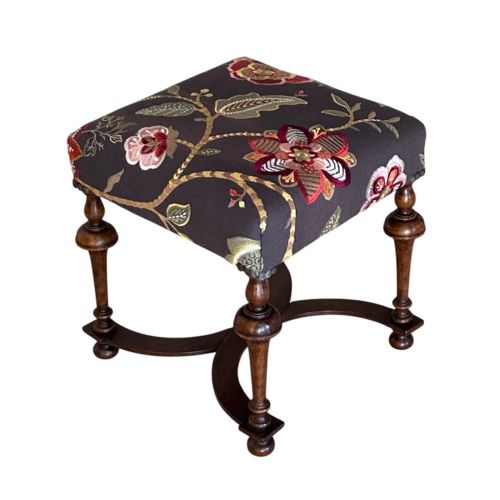
Joinery methods rely on traditional drawer construction and frame assembly, complemented by decorative marquetry inlay in selected French and English examples. Stools associated with these sets utilise wood frames paired with fabric or leather upholstery.
Brown Walnut Dressing Table Retail Price Guide 2026
Typical asking prices for brown walnut dressing table among the pieces listed under this phrase on Sellingantiques today, from the lower quarter to the upper quarter. They describe what is for sale here now, not the wider market.
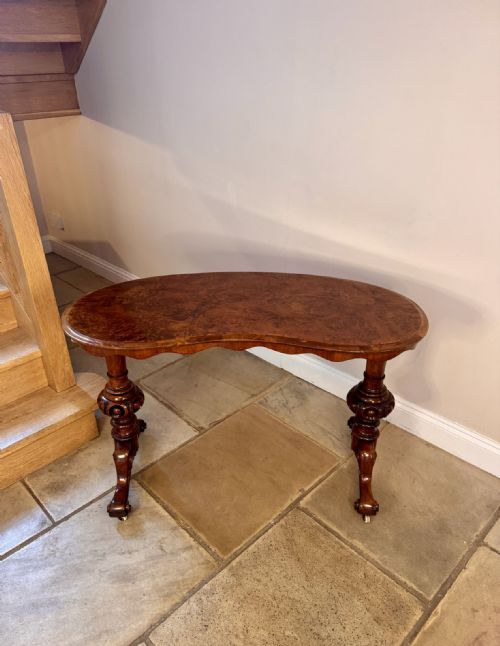
Some nineteenth-century tables cleverly doubled as music stands and dressing stations, accommodating both a morning tune and a mirror.
What varies in quality
The quality of a dressing table rests on the selection and matching of the walnut veneers, where symmetrical figure and rich warm colour elevate an example far above plain timber. Finer pieces demonstrate careful attention to secondary timbers, hand-cut dovetails in the drawer linings, and the crispness of any carved details or marquetry work.
Proportion and structural integrity also divide the range, as well-balanced proportions from the eighteenth century or early twentieth-century revivals hold their presence better than heavier, unrefined interpretations. The original integration of hardware, mirrors, and matching stools adds significantly to the cohesive integrity of a piece.
Wylie & Lochhead Glasgow·Waring & Gillows
The Brown Walnut Dressing Table Glossary
- Lowboy
- A small table with drawers, typically raised on four tall legs, frequently used as a dressing table or side table in the eighteenth century and later revivals.
- Burr walnut
- A veneer sliced from the knotty growth of a walnut tree, highly prized for its swirling, intricate grain patterns.
- Kneehole desk
- A writing or dressing desk featuring a central recess for the user's knees, flanked by pedestals of small drawers.
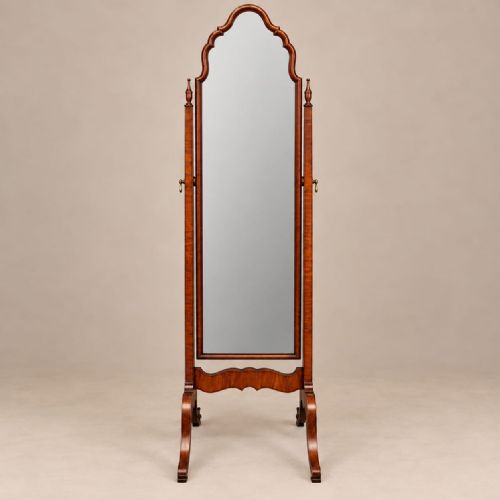
- Toilet mirror
- A small mirror mounted on a pivoting frame above a miniature set of drawers, designed to sit atop a dressing table or chest.
- Marquetry
- The art of applying decorative pieces of veneer to a structure to form intricate pictorial designs or geometric patterns.
Brown Walnut Dressing Table: Frequently Asked Questions
How do I date a walnut dressing table?
Dating relies on observing structural characteristics, hardware types, and prevailing stylistic revivals such as Queen Anne curves or Art Deco geometries. Secondary woods and construction methods inside the drawers also offer clear clues to the period of manufacture.
Comparison with documented pieces from eras like the Georgian period or the 1930s helps confirm whether a table belongs to its original era or is a later revival piece.
What is the difference between a lowboy and a dressing table?
A lowboy is a compact table with drawers supported on slender legs, which historically served multiple domestic functions including personal grooming before dedicated vanity furniture became widespread. Dressing tables often incorporate specific adaptations such as attached or matching mirrors and compartments for toiletries.
In many listings, the forms overlap because lowboys were frequently repurposed as dressing tables or side tables across different centuries.
How should I care for walnut veneer surfaces?
Walnut veneer benefits from regular dusting with a soft, dry cloth and protection from direct sunlight to prevent the rich brown tones from fading. Maintaining stable room humidity prevents the timber and veneer from drying out or splitting.
Avoid silicone-based polishes, opting instead for traditional wax applied sparingly to nourish the wood and preserve the sheen.
Are mirrors and stools usually original to the table?
Mirrors and stools found with older dressing tables are sometimes later pairings or matched during revival periods, particularly in pieces from the Georgian and Victorian eras. Evaluating the timber grain, wear patterns, and stylistic harmony helps determine if the components were created together.
Even when assembled later, matching suites from periods like the 1920s provide a cohesive look for modern interiors.