

Brown Walnut Buffet
When you want a brown walnut buffet, you are looking at substantial timber storage pieces that anchor a room with rich grain.
Brown Walnut Buffet
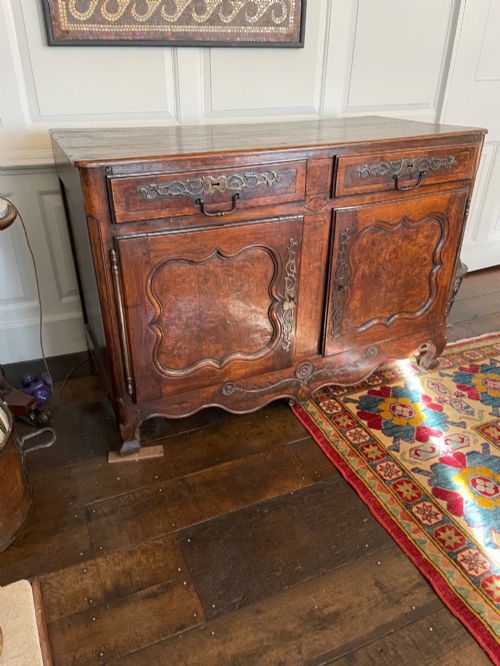
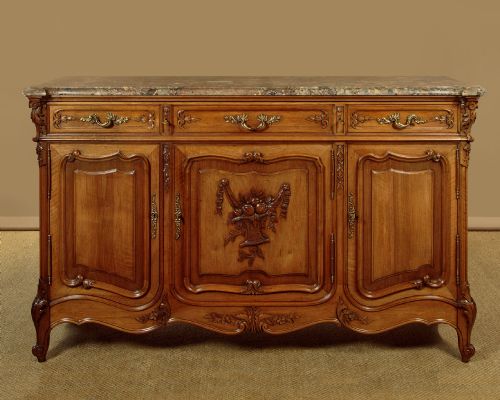
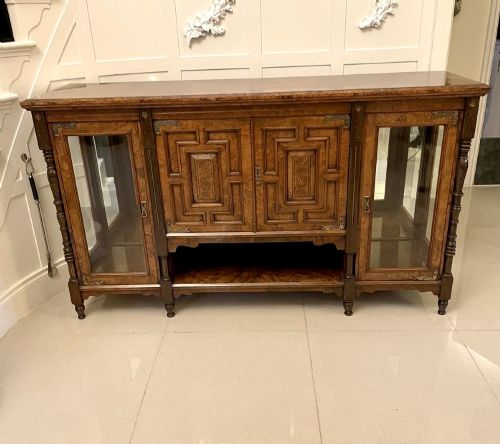
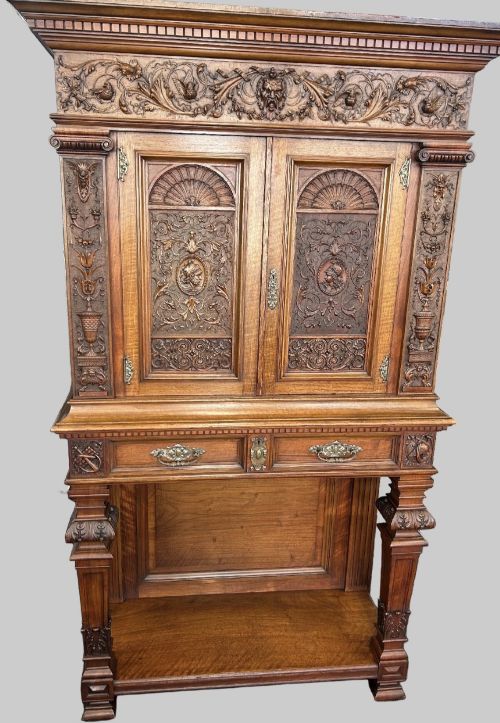
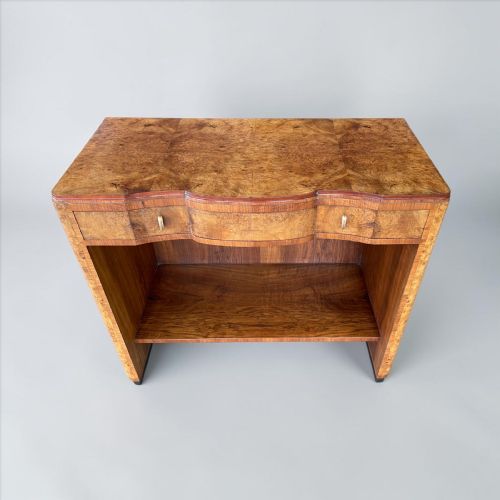
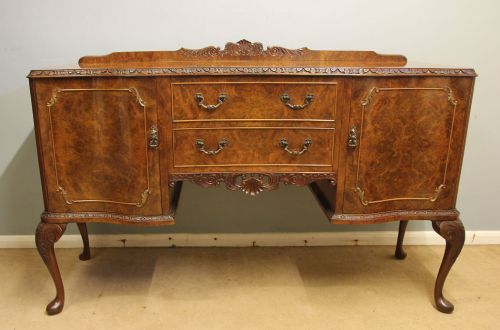
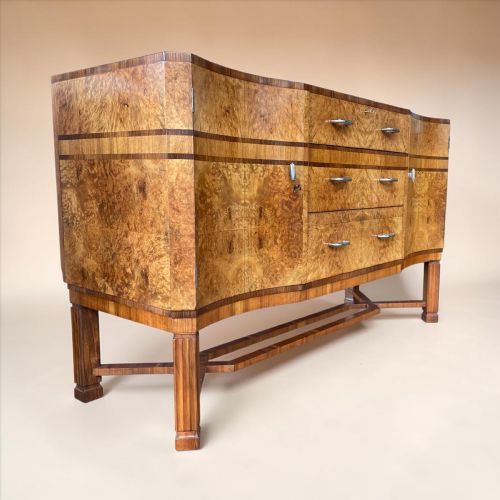
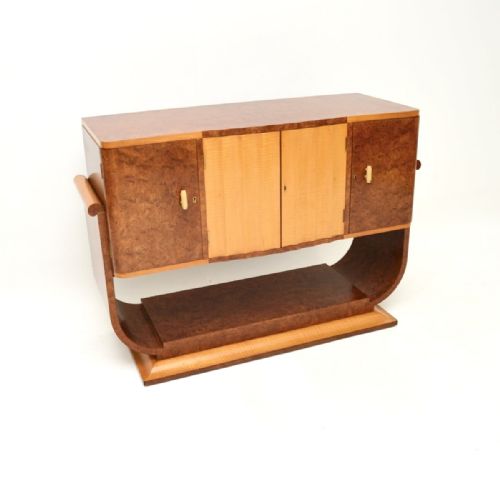
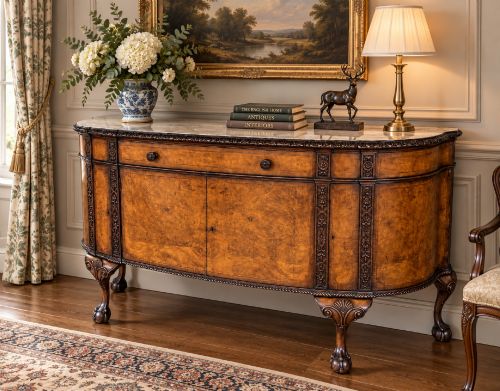
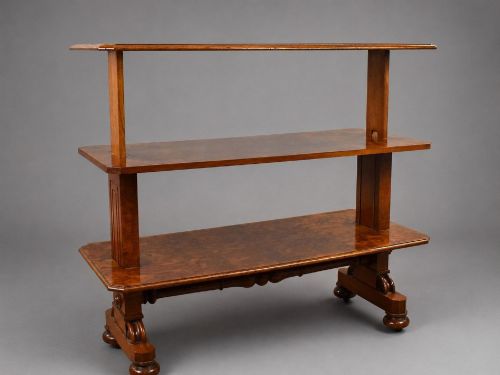
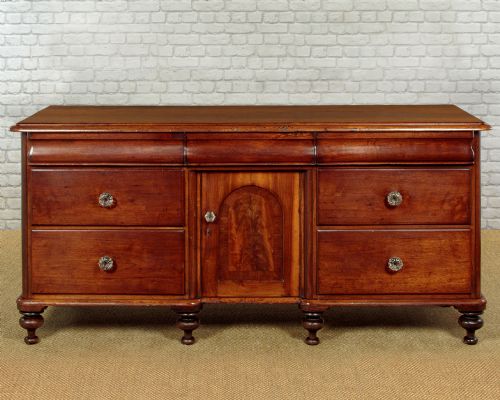
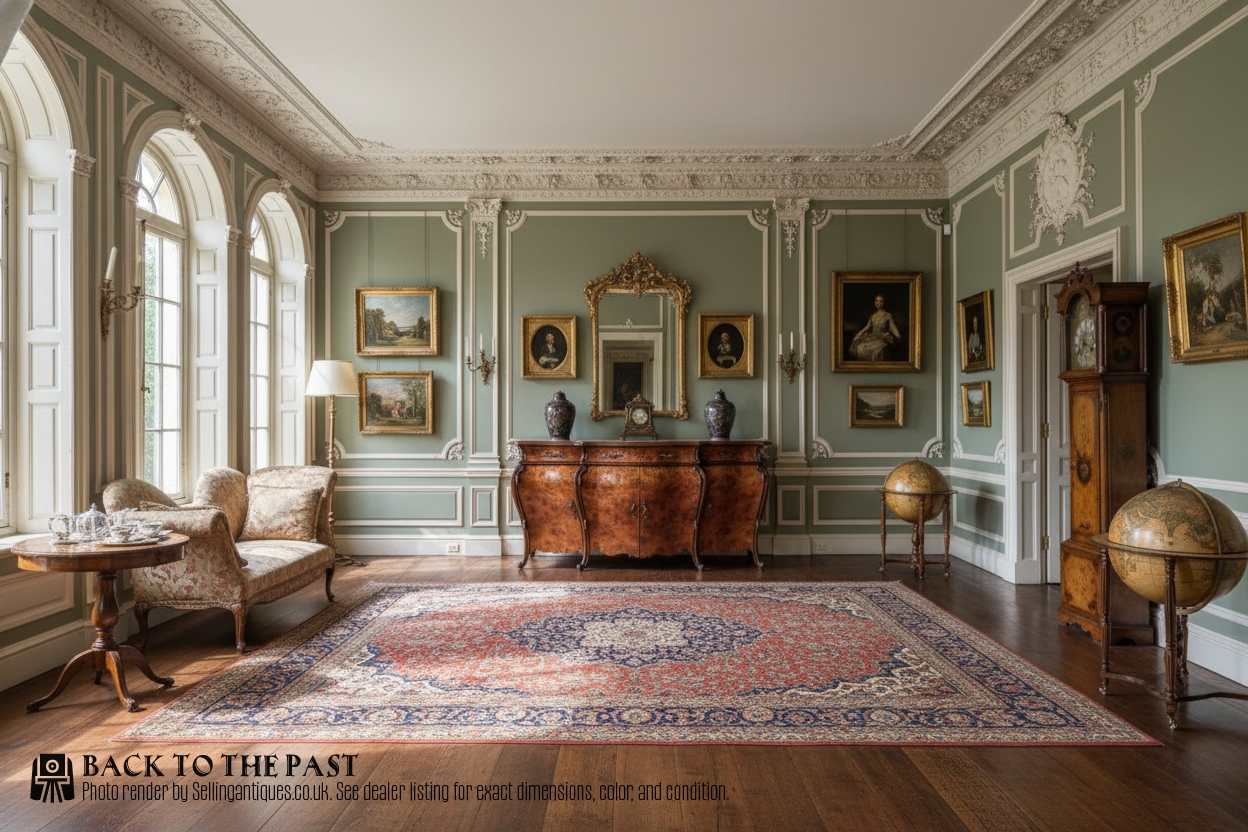
A brown walnut buffet encompasses a range of substantial timber storage furniture including sideboards, credenzas, and serving tables. Pieces spanning the eighteenth century to the art deco period appear here, showing diverse regional designs from British workshops to French and Italian makers.
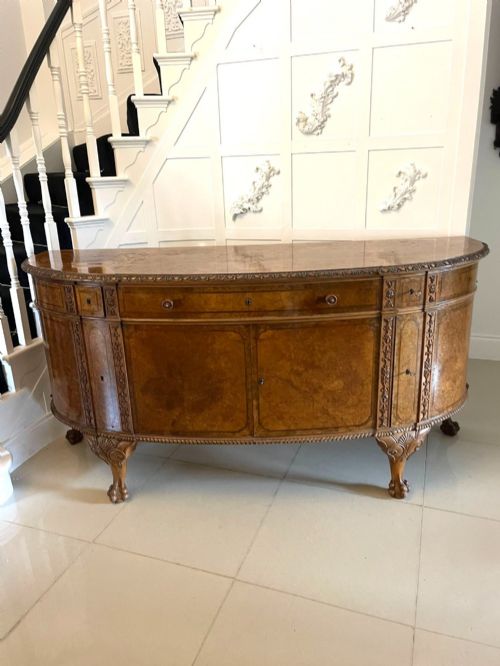
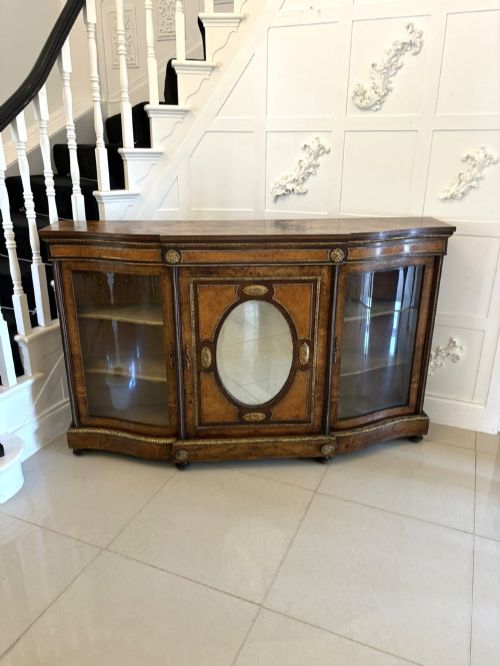
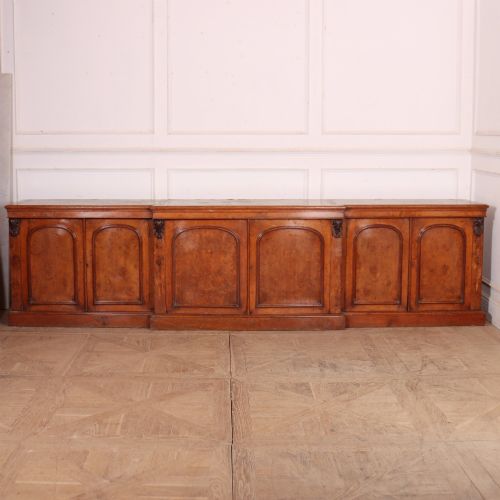
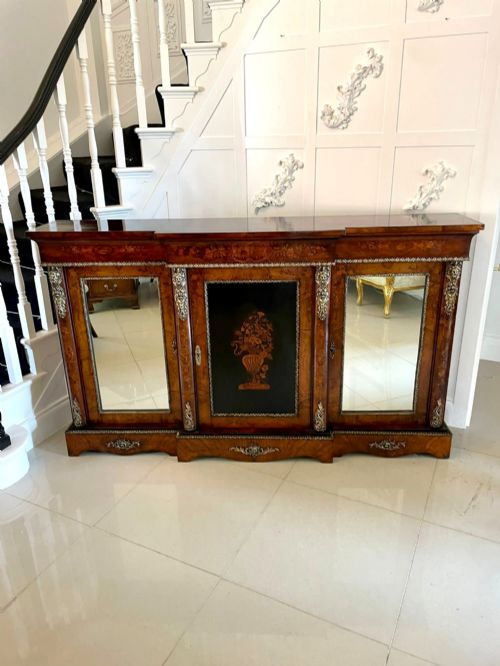
Victorian examples dominate the selection, frequently utilising burr walnut veneers alongside marquetry inlay and brass mounts. Credenza cabinets and serpentine front servers provide formal dining room storage while smaller side cabinets offer compact display space.
Materials and construction
Cabinet makers built these pieces using solid walnut and decorative burr walnut veneers applied over secondary timbers to create striking grain patterns. Ormolu mounts, brass hardware, and inset marble tops frequently complement the timber surfaces on finer nineteenth and twentieth century examples.
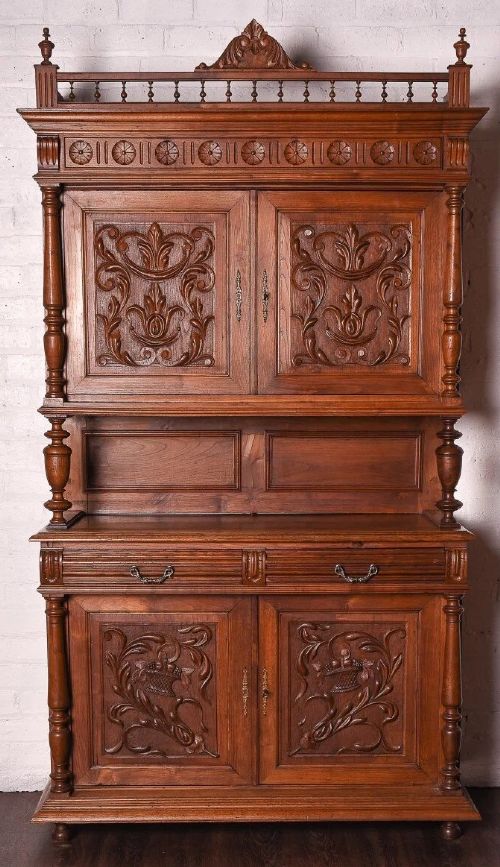
Marquetry and inlay techniques add contrasting botanical or geometric motifs into the cabinet doors and top panels. Carved wooden elements appear on Victorian and revival pieces, while later art deco designs rely on clean geometric lines and contrasting sycamore.
Brown Walnut Buffet Retail Price Guide 2026
Typical asking prices for brown walnut buffet among the pieces listed under this phrase on Sellingantiques today, from the lower quarter to the upper quarter. They describe what is for sale here now, not the wider market.
One exceptional walnut sideboard even arrives equipped with its original twelve piece cutlery set ready for dinner.
Judging quality
The sophistication of the timber veneer selection dictates the visual impact of the piece, with figured burr walnut commanding greater presence than plain grain. Crispness in the hand-carved details and precision in the marquetry inlay separate standard production from exhibition pieces.
Hardware integration, such as original brass mounts and fitted interiors including cutlery sets, elevates a piece. The weight and integration of marble tops or bevelled mirror glass further distinguish finer examples from simpler kitchen or utility furniture.
Maurice Adams·Hille of London·Hamptons of Pall Mall London·Bowman Brothers
The Brown Walnut Buffet Glossary
- Burr walnut
- A figured wood grain obtained from walnut tree growths that produces intricate, swirling patterns. Cabinet makers prized this timber for veneering prominent drawer fronts and cabinet doors.
- Credenza
- A low cabinet piece designed for dining rooms, typically featuring central doors flanked by curved glass end cabinets. Victorian versions often incorporated ormolu mounts and elaborate marquetry.
- Marquetry
- The art of applying decorative pieces of veneer to a structure to form ornamental designs. Artisans used various coloured woods to create floral or geometric scenes.
- Ormolu
- Gilded bronze ornamentation applied to furniture mounts and feet. This technique added metallic contrast to nineteenth century cabinets and sideboards.
- Serpentine front
- A furniture front shape that curves outward at the centre and inward at the sides. This contour requires skilled carpentry to shape the timber and matching veneer.
Brown Walnut Buffet: Frequently Asked Questions
How do I date a walnut buffet?
Examine the overall style, construction methods, and secondary timbers used inside the carcass. Victorian pieces often feature elaborate marquetry and burr walnut veneers, whereas Art Deco examples display streamlined geometric forms from the nineteen twenties and thirties.
Hardware and mount styles also help determine the period. Ormolu mounts and brass gallery rails typically point to nineteenth century craftsmanship, while simpler handles or integrated sycamore accents suggest later twentieth century production.
Where should I place a credenza?
A credenza traditionally serves dining rooms for storing tableware, linens, and serving dishes. Their low profile makes them suitable against a dining room wall beneath large mirrors or artwork.
Modern living rooms and hallways also accommodate these cabinets well for media storage or display surfaces. Ensure adequate clearance for doors to open fully without obstructing walkways.
What is the difference between a sideboard and a buffet?
Sideboards and buffets both provide dining room storage, though traditional terminology historically separated them by leg length and cabinet depth. Buffets often sat higher with more enclosed lower cupboard space for food preparation and serving.
In modern usage, these terms overlap significantly as seen across nineteenth and twentieth century listings. Both formats function primarily for surface serving and interior storage of dining accessories.
How do I care for walnut veneer?
Protect walnut furniture from direct sunlight to prevent the timber and veneer from fading over time. Maintain stable indoor humidity levels to avoid wood movement that could stress the delicate veneer surfaces.
Dust regularly with a soft, dry cloth and apply quality beeswax periodically to nourish the timber. Avoid using harsh chemical cleaners or placing hot dishes directly onto the polished wood or marble tops.