
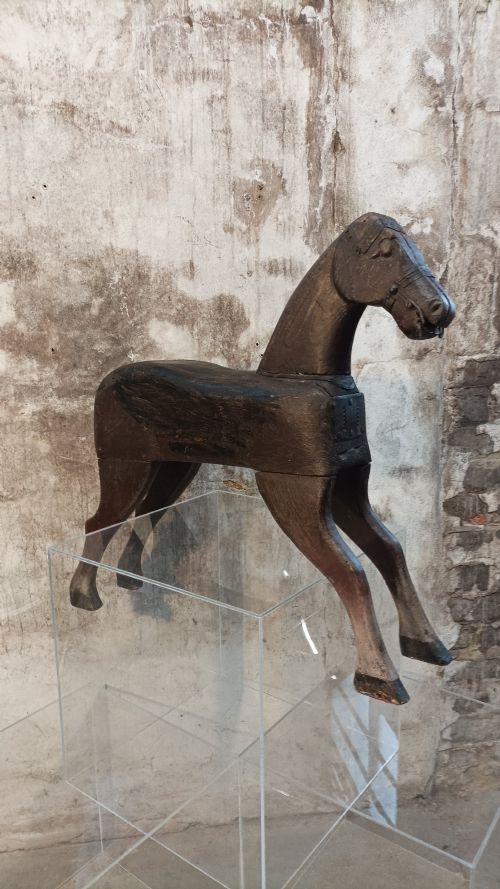


Brown Timber Animal Sculpture
Brown timber animal sculpture brings character into a room through carved representations of wildlife and domestic beasts.

Brown Timber Animal Sculpture
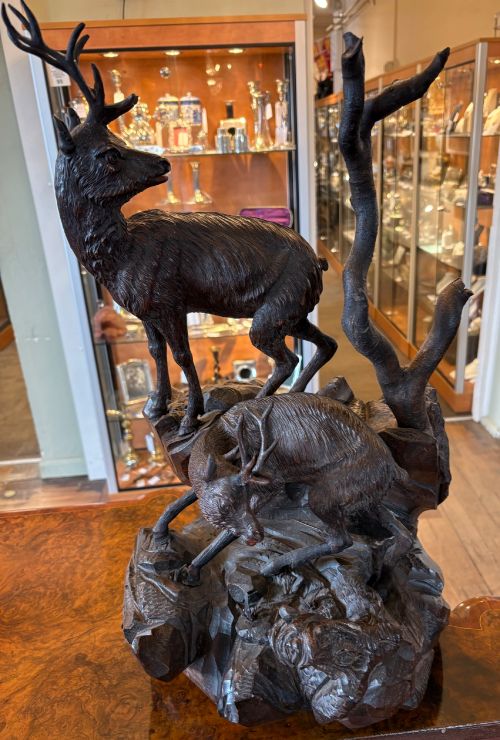
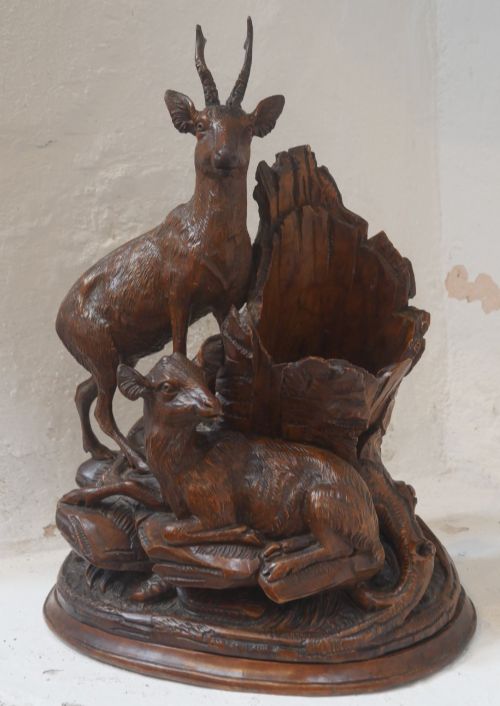
A brown timber animal sculpture represents living creatures shaped from wood across various historical periods, notably the nineteenth and early twentieth centuries. These pieces encompass regional carving traditions including European Black Forest work, Japanese folk art, and Anglo-Indian colonial productions.
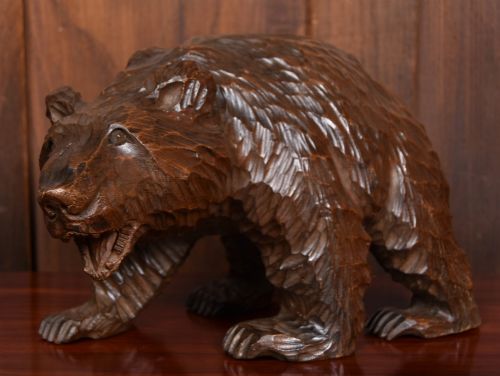
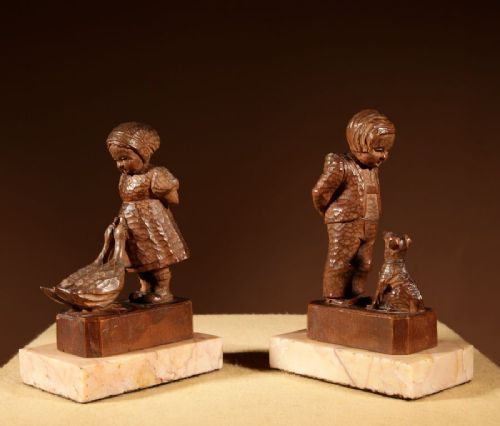
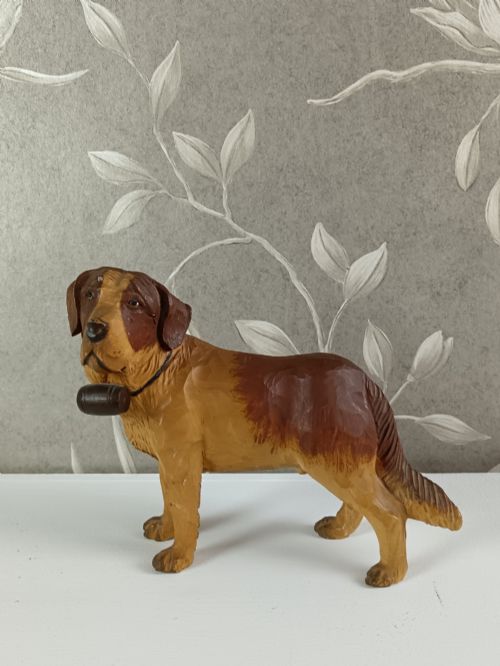
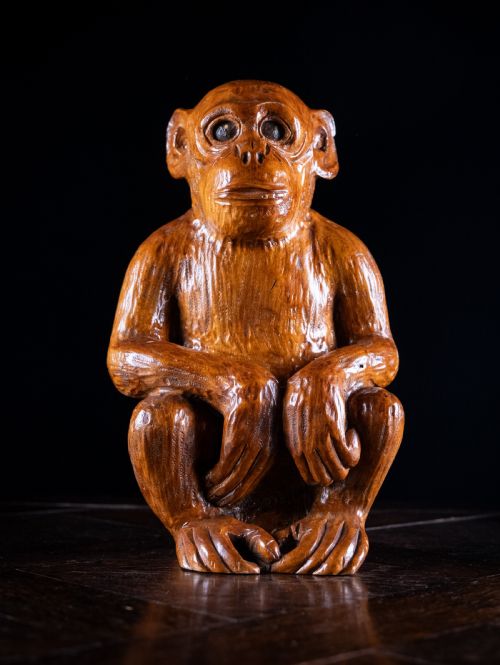
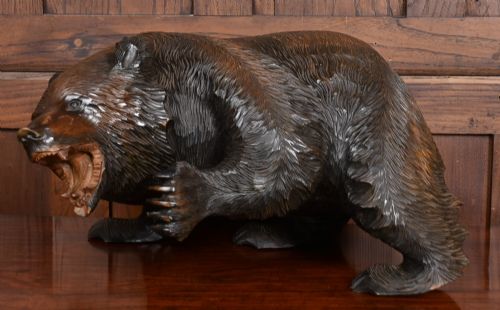
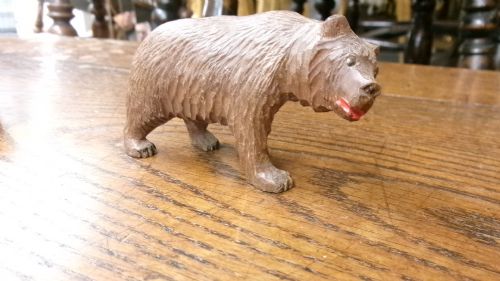
The objects take diverse forms ranging from freestanding figures of bears, lions, and deer to bookends, wall masks, and functional inkwells. Buyers frequently encounter bears, large cats, and farm animals carved with varied attention to naturalistic detail or naive charm.
Origins span Alpine workshops, East Asian studios, and British colonial outposts, reflecting local fauna and regional carving techniques. The selection balances decorative household ornaments with studies of specific animals rendered in hardwoods and softwoods alike.
Materials and carving techniques
Carvers utilised local timber varieties including walnut, pine, teak, and specific European softwoods such as linden wood and lime wood. These woods allowed artisans to achieve both minute facial expressions and monumental proportions depending on the intended subject.
Hand tools shaped the raw timber through deliberate chiselling and knife work, occasionally enhanced by paint or glass stud eyes. The resulting surface textures retain chisel marks or show smooth polish, depending on the stylistic demands of the region.
The listings demonstrate a strong presence of nineteenth-century European softwood and hardwood carvings, alongside distinct regional traditions from Asia.
Distinctions in quality
Anatomical proportion and expressive depth separate master carvers from simpler vernacular makers, evident in the musculature of a lion or the gentle turn of a deer's head. Superior pieces capture movement and character convincingly rather than relying on stiff symmetry.
The handling of the material dictates the finish, where crisp tool work and well-preserved timber grain elevate a sculpture above heavily worn or clumsily repaired examples. Original surfaces without excessive later intervention retain greater integrity.
The Brown Timber Animal Sculpture Glossary
- Black Forest
- A style of wood carving originating from the mountainous region of central Europe, famous for bears and woodland animals. These carvings often feature rich dark timber and deep relief work.
- Hardwood
- Timber derived from broad-leaved deciduous trees, offering durability and fine grain for detailed animal studies. Walnut and teak are notable examples found in these sculptures.
- Kibori Kuma
- A traditional Japanese style of hand-carved wooden bear, often associated with Hokkaido folk art. These pieces typically display textured fur rendering using simple chisel strokes.
- Raj Period
- The era of British governance in the Indian subcontinent, which produced distinctive carved teak and hardwood fauna. Animals from this period frequently depict elephants and ceremonial beasts.
- Naive
- An artistic approach characterised by unpretentious charm and simplified form rather than strict academic proportion. Such sculptures rely on directness of expression for their appeal.
Brown Timber Animal Sculpture: Frequently Asked Questions
How do I identify Black Forest carvings?
Black Forest carvings are typically identified by their subject matter, which centres on woodland animals like bears, deer, and chamois executed in rich walnut or linden wood. The style often incorporates naturalistic details such as glass eyes and foliage motifs.
Many of these pieces originate from nineteenth-century Swiss and German workshops where woodcarving was a primary cottage industry. Look for deep undercutting and expressive poses that distinguish them from other regional traditions.
Where should I place these sculptures?
These wooden animal figures suit mantels, sideboards, and bookshelves where their varied silhouettes can be appreciated closely. Larger pieces, such as lions or antelopes, work well positioned on dedicated pedestals or floor areas.
Keep them away from direct sunlight and steady heat sources to prevent the timber from drying out and splitting over time. A stable indoor environment preserves both the wood and any original surface finish.
What does folk art mean here?
Folk art denotes pieces created by untrained or community artisans working within local cultural traditions rather than academic art schools. These sculptures prioritise bold character and direct representation over precise anatomical accuracy.
Examples range from painted Swedish deer to naive wooden horses, each carrying the distinct aesthetic of its maker's locality. This vernacular quality gives them a unique presence distinct from factory-produced ornaments.