
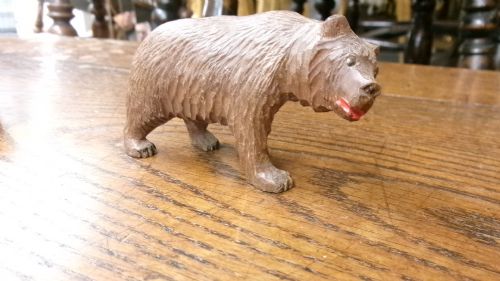


Swiss Carved Wooden Bear
These Swiss carved wooden bear figures combine functional utility with distinct regional charm, bringing character to any interior.
Swiss Carved Wooden Bear
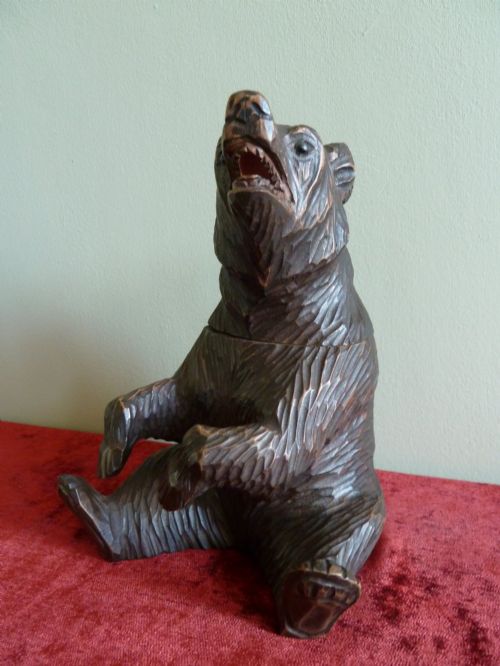
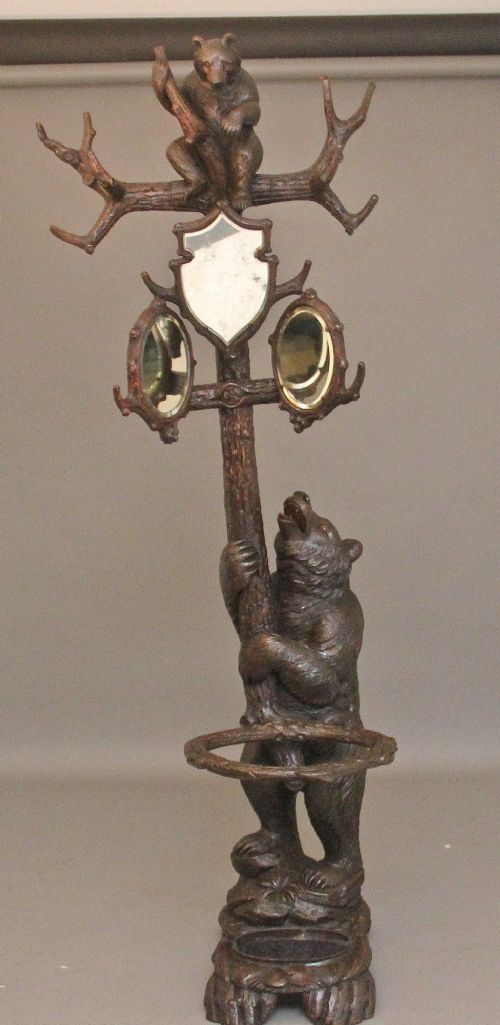
A swiss carved wooden bear typically manifests as a decorative yet practical object, spanning utility items such as hall stands, stick stands, and tobacco jars.
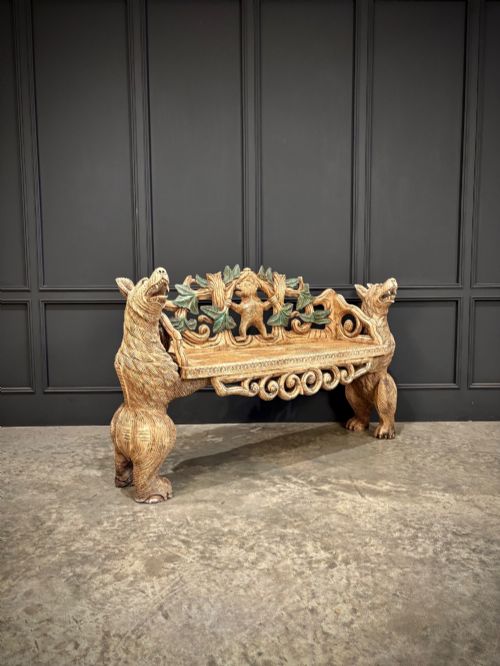
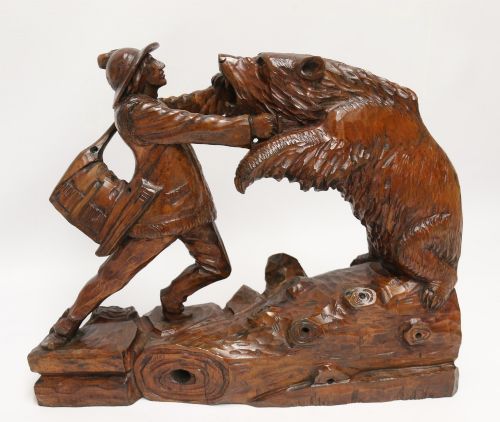
Collectors encounter smaller decorative sculptures, bookends, and inkstands alongside substantial furniture pieces like benches and seats.
The objects originate primarily from the nineteenth century and the early twentieth century, rooted in Black Forest and Swiss folk art traditions.
Materials and Carving Techniques
Carvers utilised linden wood and walnut, valuing timber that allowed for deep, expressive detail and smooth finishing.
Craftsmanship and Proportion
Quality rests on the depth of the carving and the naturalism of the anatomy, separating simpler pieces from finely articulated sculptures.
The integration of the bear form into functional objects like furniture or umbrella stands determines the distinction between standard items and exceptional examples.
The Swiss Carved Wooden Bear Glossary
- Black Forest
- A style of wood carving originating from the Central European mountain region. It is characterised by realistic animal figures and rustic furniture.
- Linden wood
- A pale timber favoured by carvers for its fine grain and soft texture. It allows for intricate tool work without splitting.
- Humidor
- A specialised box or jar designed to keep tobacco moist. These often took the humorous shape of carved animals.
- Stud eyes
- Inset glass or metal pins used to represent the eyes of carved animals. They provide a lifelike glint to the wooden figures.
Swiss Carved Wooden Bear: Frequently Asked Questions
How were these bear figures used?
Many of these pieces served practical purposes in grand hallways and parlours. They functioned as umbrella stands, coat racks, benches, and small desk accessories like inkwells.
Other examples were purely decorative sculptures or novelty items designed to amuse guests. Their dual nature as art and furniture made them popular in Victorian interiors.
What wood was used for carving?
Carvers relied primarily on linden wood and walnut for their projects. Linden wood offered a soft, even grain that suited intricate detailing.
Walnut was chosen for larger furniture pieces like hall stands and benches requiring greater structural strength. Paint and glass were sometimes added to enhance the realism of the animals.
How do I identify the period?
Dating relies on the style of the carving, the integration of hardware, and the documented era of the piece. Nineteenth-century examples often display deeper anatomical detailing and heavier proportions.
Edwardian and early twentieth-century pieces frequently include practical items like table lamps and bookends. Examining the wear on the wood and the type of glass eyes also aids in dating.
Where should I place a bear hall stand?
These large furniture pieces suit entrance halls and spacious corridors where they can function as intended. Their presence adds a strong rustic element to an interior.
Smaller items like inkstands or bookends fit well on desks, mantelpieces, or bookshelves. They pair effectively with traditional wood-panelled rooms and eclectic decor.