


Wooden Animal Figurine
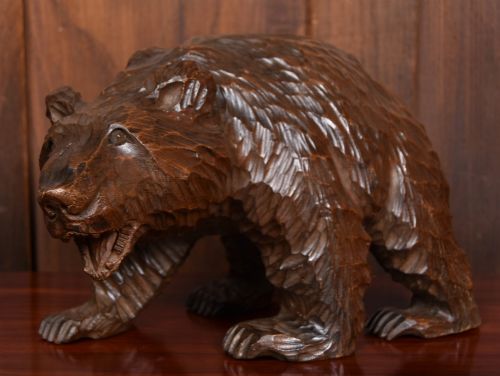
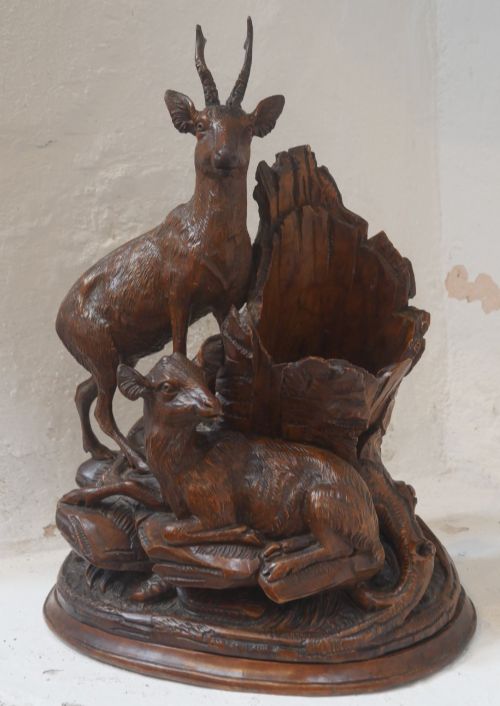
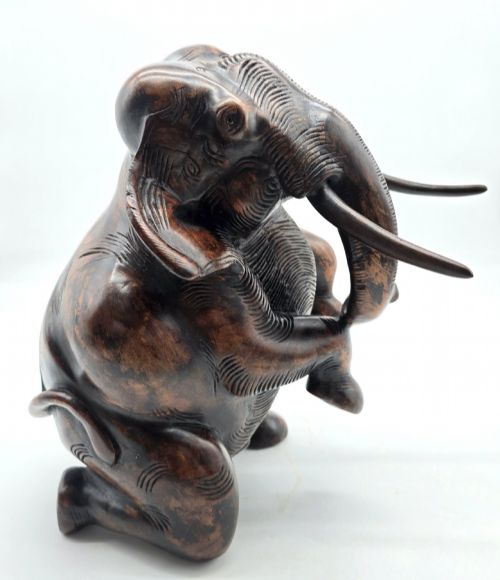
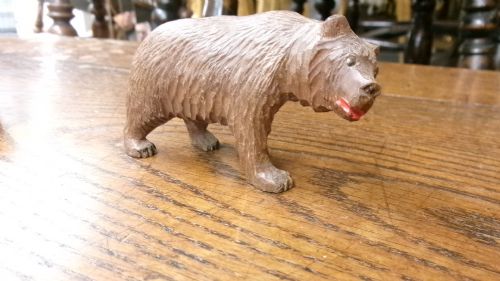
These wooden animal figurine examples range from Swiss Black Forest bears to Raj period elephants, offering tactile charm for collectors.

Wooden Animal Figurine
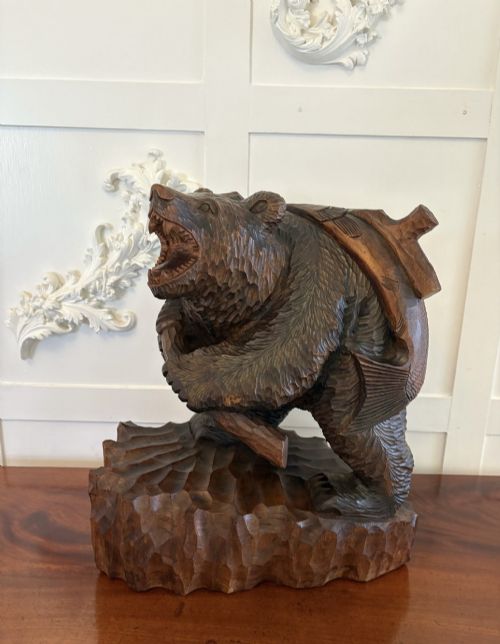
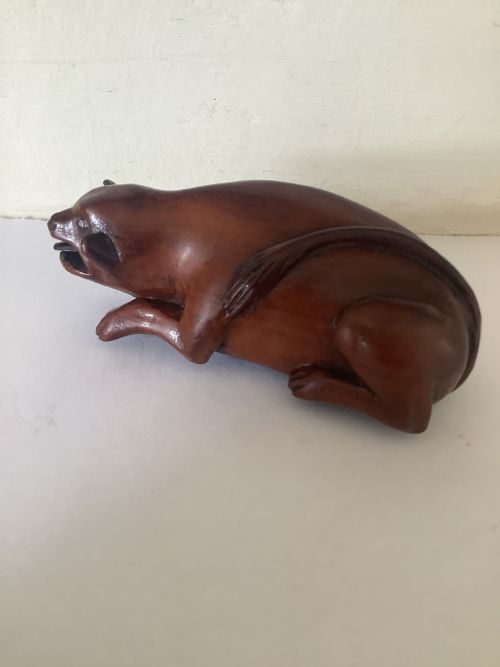
A wooden animal figurine is a carved representation of wildlife or domestic creatures, shaped from various timber blocks. Buyers seeking a wooden animal figurine often encounter regional folk art styles, particularly from European alpine workshops and Asian traditions.
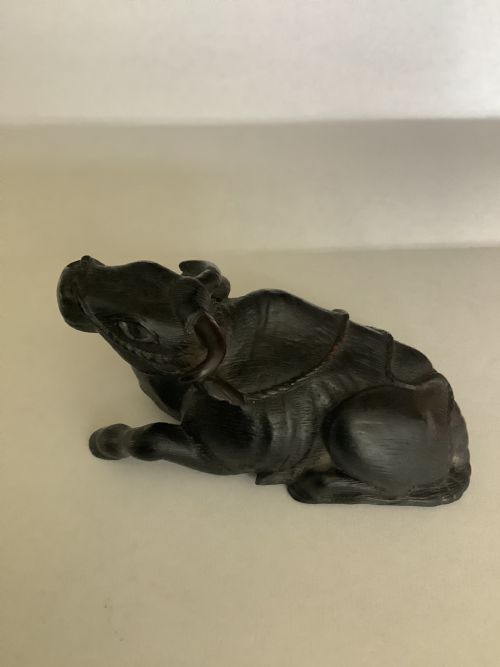
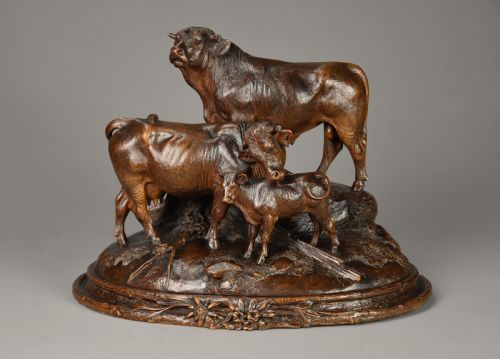
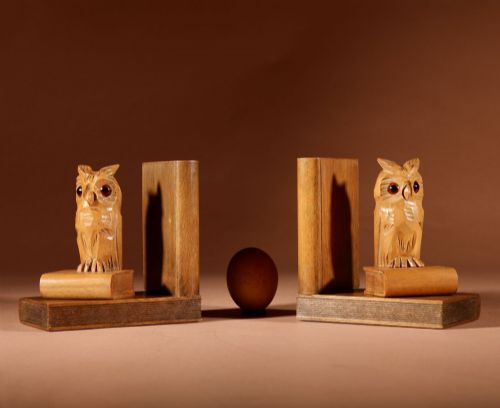
The selection includes bears, elephants, cattle, and lions produced across the nineteenth and twentieth centuries. These objects served as decorative sculptures, bookends, snuff boxes, and desk ornaments in period interiors.
How they were made
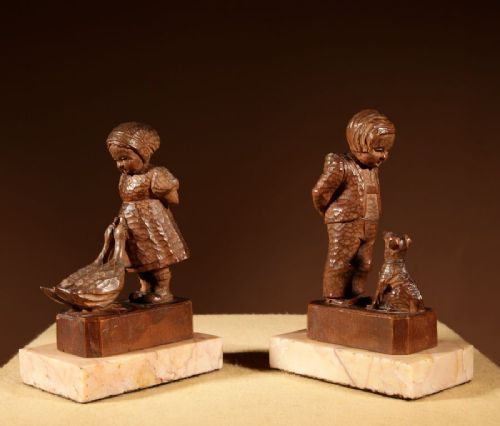
Carvers utilised linden wood, walnut, teak, ebony, and general hardwoods, employing hand chisels and gouges to shape the animal forms. Linden wood and limewood provided a soft, fine grain suited to detailed facial expressions and fur texture.
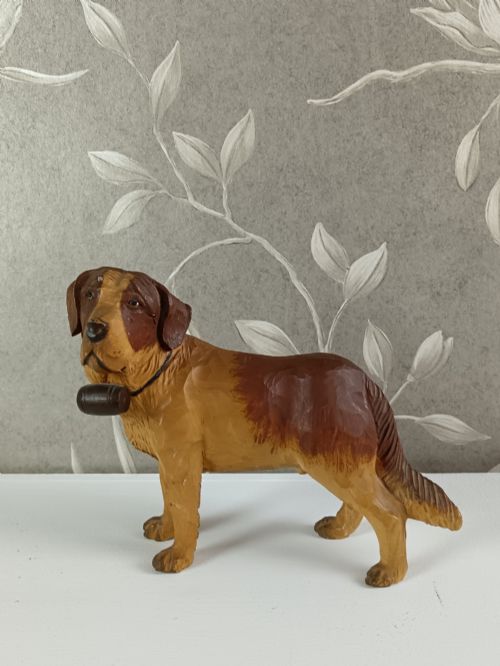
Certain pieces incorporate painted highlights, glass stud eyes, or applied bone details to enhance realism. The work ranges from naive folk art carving to highly finished depictions created in specialised regional centres.
Several miniature bears peer out with tiny glass stud eyes fixed firmly into their wooden heads.
What varies in quality
Quality rests upon the anatomical accuracy and the sensitivity of the carving work. Master carvers captured musculature, movement, and characteristic poses with precision, whereas simpler pieces rely on basic block shaping.
The depth of undercut details and the preservation of the original timber surface distinguish finer examples. Signed pieces or those from established workshop traditions hold particular distinction.
J Huggler·Laszlo Hoenig
The Wooden Animal Figurine Glossary
- Black Forest
- A style of wood carving originating from the Brienz region of Switzerland, known for realistic animals such as bears, deer, and cattle.
- Raj Period
- The period of British rule in the Indian subcontinent, associated with dense tropical hardwood carvings of elephants and local fauna.
- Okimono
- A Japanese decorative sculpture designed for display on a shelf or in a traditional alcove, often depicting animals with intricate detail.
- Netsuke
- A small Japanese carved toggle used to secure a pouch on traditional clothing, frequently taking the form of an animal.
- Linden Wood
- A pale, close-grained timber favored by European carvers for its ability to hold fine detail without splitting.
Wooden Animal Figurine: Frequently Asked Questions
What animals do these carvings depict?
The pieces show a wide assortment of creatures including bears, elephants, lions, cattle, dogs, and birds. Regional carvers focused on the wildlife familiar to their local environment or exotic animals popular during colonial periods.
European alpine workshops frequently produced bears and mountain goats, while Asian carvers concentrated on elephants, water buffaloes, and domestic ducks.
How do I identify a Black Forest carving?
Black Forest carvings are typically rendered in linden wood or walnut and depict forest animals with lifelike textures. They often take the form of practical objects such as bookends, inkstands, or desk sculptures.
Many bear the distinct pale timber tones and deep undercutting characteristic of Swiss production centres from the nineteenth century.
Where were these figures displayed?
Victorian and Edwardian interiors accommodated these sculptures on mantelpieces, desks, and library bookshelves. Animal figures also formed part of larger decorative table centerpieces and display cabinets.
Smaller items like netsuke and snuff boxes were designed for personal handling or portable use.
How do I care for wooden animal figures?
Maintain these carvings in stable environmental conditions away from direct sunlight and rapid temperature fluctuations. Excessive dryness can cause timber to split or crack over time.
Dust gently with a dry, soft brush and avoid applying modern chemical polishes to the historic wood surfaces.