


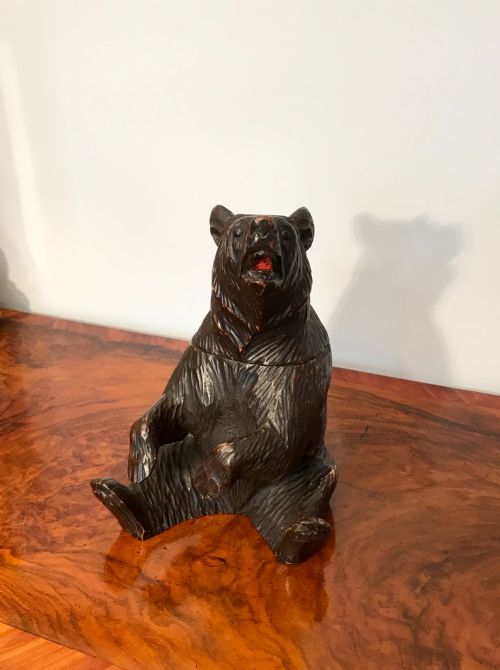
Brown Wooden Bear Figurine
These brown wooden bear figurine examples range from Swiss and Japanese folk art to Black Forest work, offering collectors both charm and historic craftsmanship.
Brown Wooden Bear Figurine
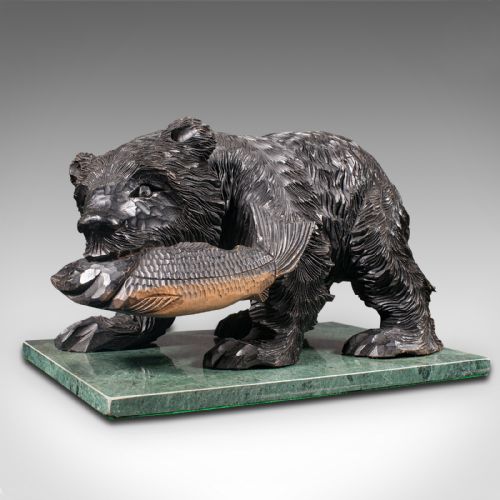
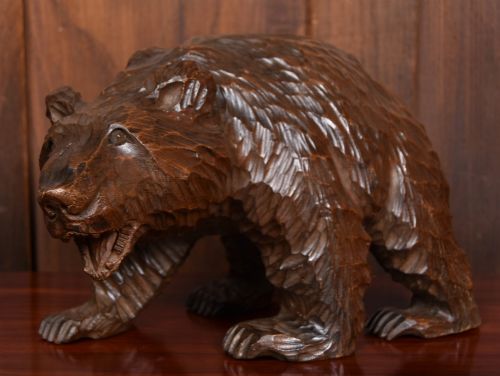
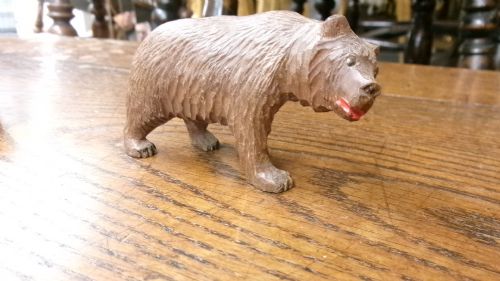
A brown wooden bear figurine represents a long tradition of animal carving originating in European and Asian folk art traditions. Collectors seeking a brown wooden bear figurine will find examples ranging from miniature nineteenth-century pieces to large Edwardian sculptures.
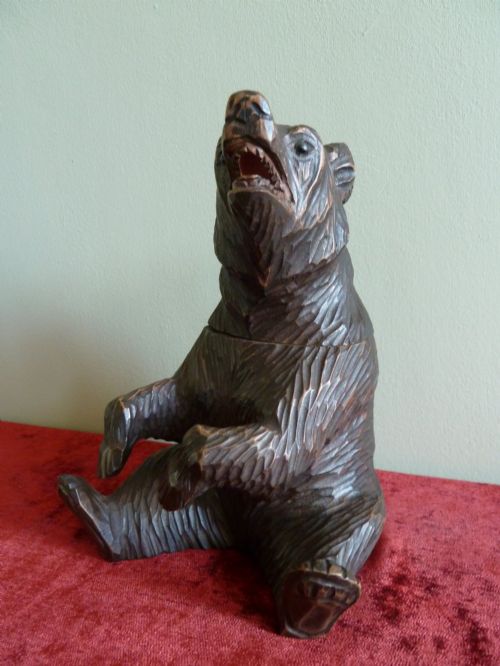
The objects take various forms on this page, including standalone decorative sculptures, pairs of bears, and functional items like tobacco jars or holders. Many pieces connect directly to the Black Forest style or Japanese folk art.
Origins span multiple periods, with Victorian, Edwardian, and nineteenth-century eras frequently represented. Buyers encounter both single expressive animals and larger decorative compositions carved with considerable detail.
Materials and methods of construction
Carvers utilised traditional timbers, most notably linden wood and other hardwoods, to shape each figure by hand. The natural grain of the wood provides texture and depth to the carved fur.
Makers incorporated supplementary materials such as glass or metal studs for eyes, alongside occasional applications of paint or wax to finish the surface. These finishing touches define the character of nineteenth-century and Edwardian pieces.
Materials recorded across the selection include linden wood, hardwood, glass, metal, wax, and paint.
Factors influencing quality
The refinement of the carving dictates the distinction between standard items and superior works, particularly in the rendering of anatomical detail and fur texture. Skilful hand-carving creates a lifelike or characterful presence that simpler pieces lack.
Scale and complexity also divide the range, from small individual figures to large sculptures or matched pairs. The integration of functional elements, such as tobacco holders, adds another layer of craftsmanship.
The Brown Wooden Bear Figurine Glossary
- Black Forest
- A style of wood carving originating in the mountainous regions of central Europe, famous for realistic animal sculptures. Pieces from this tradition often depict bears engaged in various human-like activities.
- Kibori kuma
- A traditional style of Japanese wood-carved bear originating from Hokkaido folk art. These figures often display distinct textural carving methods.
- Stud eyes
- Inset metal or glass points used to give the carved animal a lifelike gaze. They provide a contrasting texture against the surrounding wooden surface.
Brown Wooden Bear Figurine: Frequently Asked Questions
What are these carved bears made from?
These figures are fashioned from various woods, primarily linden wood and other hardwoods. Carvers utilised hand tools to shape the timber, occasionally adding glass or metal studs for eyes.
Surface finishes sometimes include wax or paint to enhance the appearance of the wood. The choice of material typically reflects the regional folk art tradition of the maker.
How do I identify a Black Forest bear?
Black Forest carvings usually feature realistic or characterful renderings of bears, often created in nineteenth-century Switzerland or Germany. They frequently utilise linden wood and display detailed texturing of the fur.
Many of these pieces function as decorative objects, tobacco jars, or household holders. Their distinctive regional style separates them from Japanese folk art examples.
Where do Japanese wooden bear carvings originate?
Japanese wooden bear carvings, known as kibori kuma, stem primarily from the folk art traditions of Hokkaido. Nineteenth-century examples demonstrate distinct carving techniques that differ from European styles.
These sculptures focus on capturing the form of the animal through textured hand-carved surfaces. They appear alongside European works in collections of antique animal figures.
How should I display a wooden bear figure?
These sculptures suit placement on mantelpieces, bookshelves, or dedicated display cabinets where their carved details remain visible. Keeping them away from direct sunlight and extreme temperature fluctuations helps protect the wood and finish.
Pairing them with other folk art objects can highlight their regional characteristics. Regular dusting with a soft, dry cloth preserves the carved surface.