

Carved Wood Animal Figure
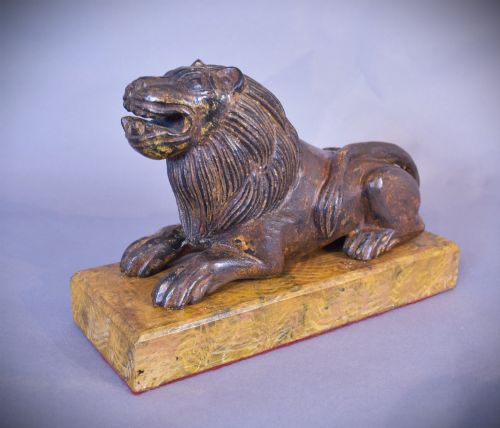
A carved wood animal figure brings natural character into a room, capturing bears, lions, and elephants through traditional craftsmanship.
Carved Wood Animal Figure
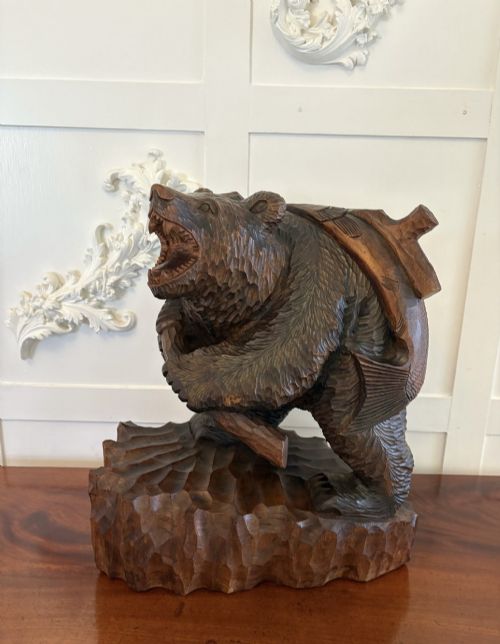
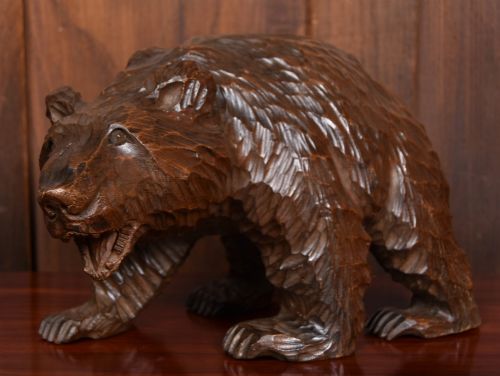
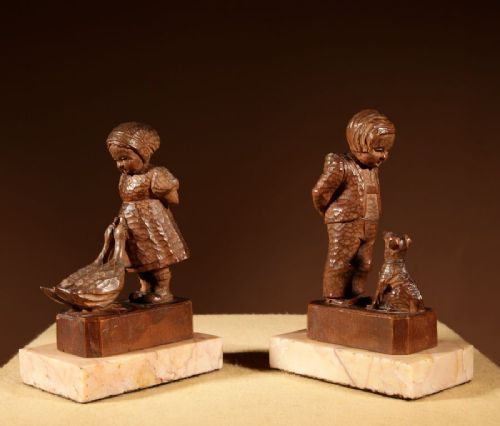
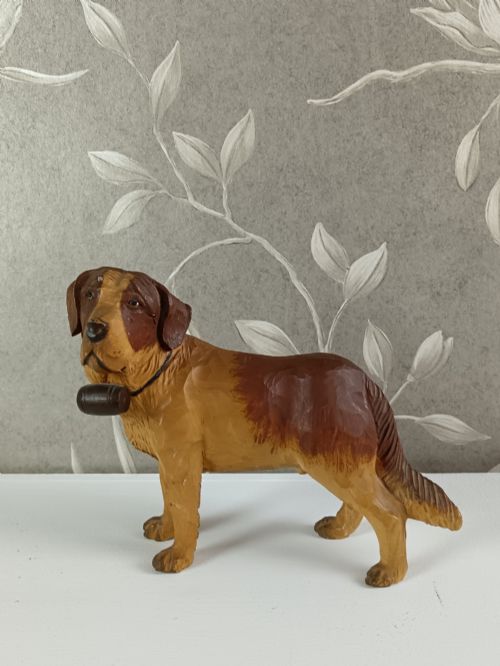
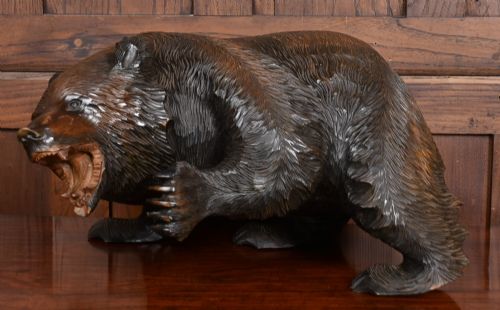
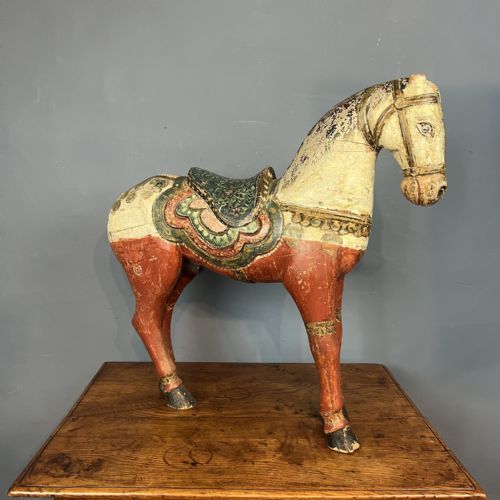
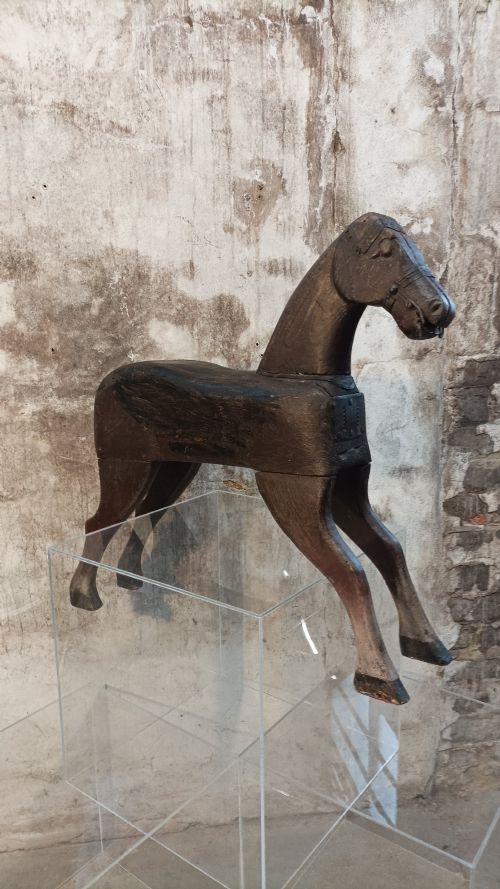
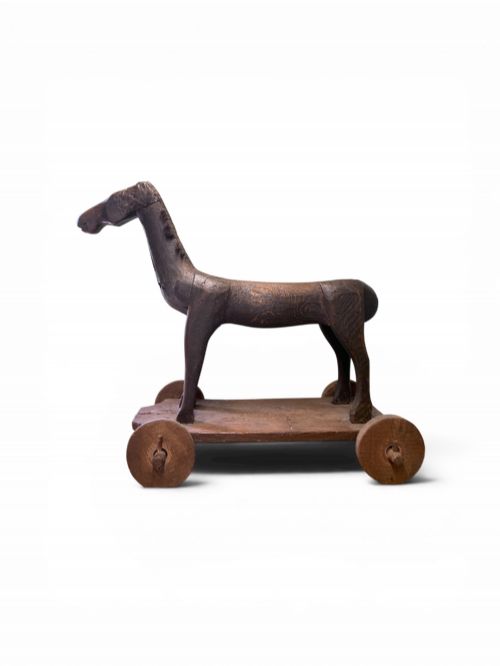
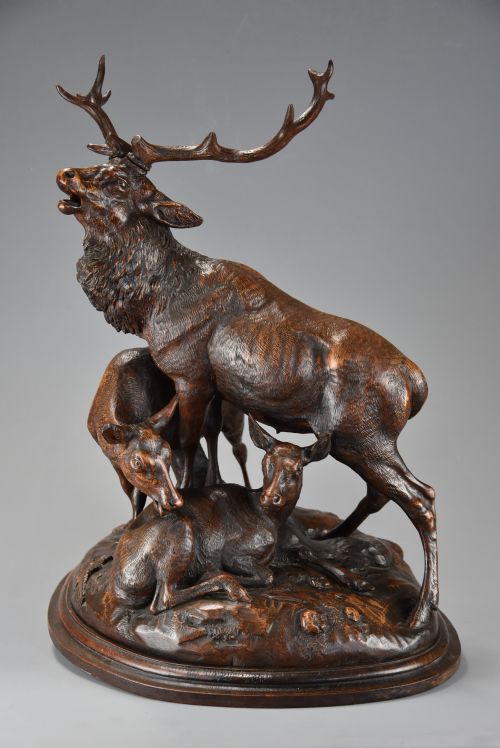
A carved wood animal figure encompasses sculptural depictions of wildlife and domestic creatures created across multiple centuries. Buyers examine pieces ranging from naive folk art horses to detailed Black Forest bears and oriental hardwood elephants.
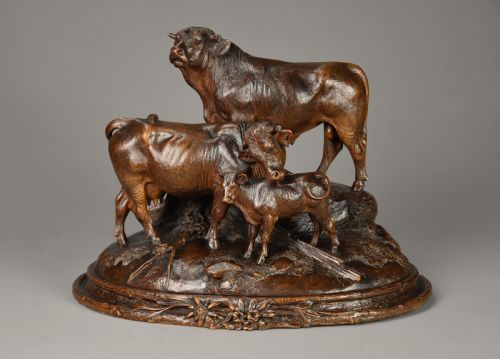
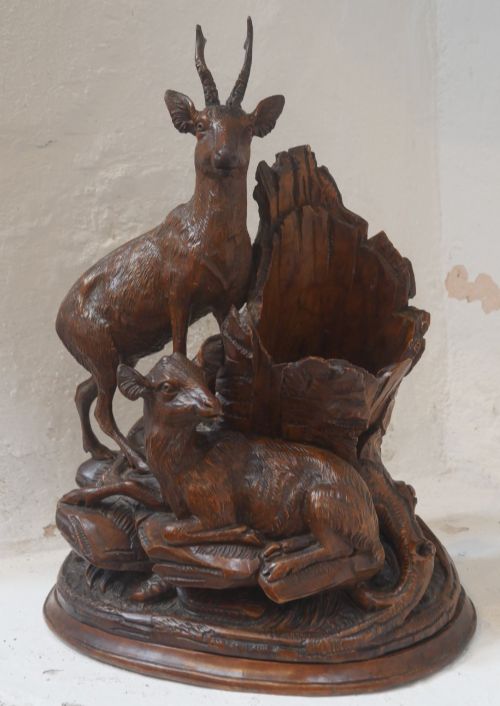
The selection frequently includes European alpine animal carvings alongside Asian studies and utilitarian objects such as bookends and inkwells. Linden wood, walnut, and teak serve as the primary media for these sculptural forms.
Nineteenth century and early twentieth century examples dominate the selection, reflecting periods of intensive workshop production in Europe and export markets. Collectors encounter everything from miniature figures to life-sized sculptural works.
How they were made
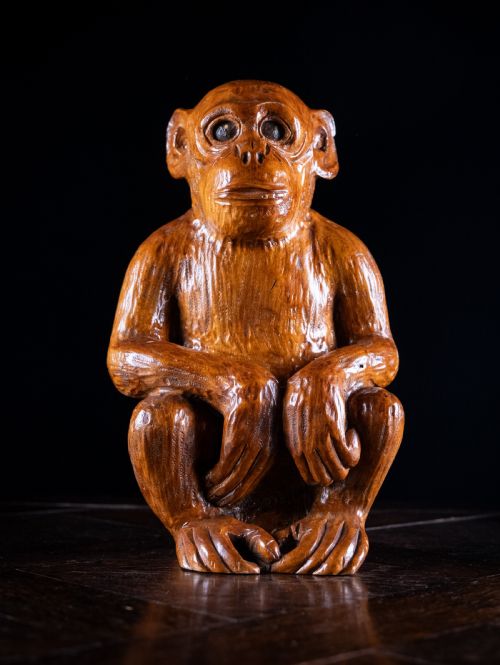
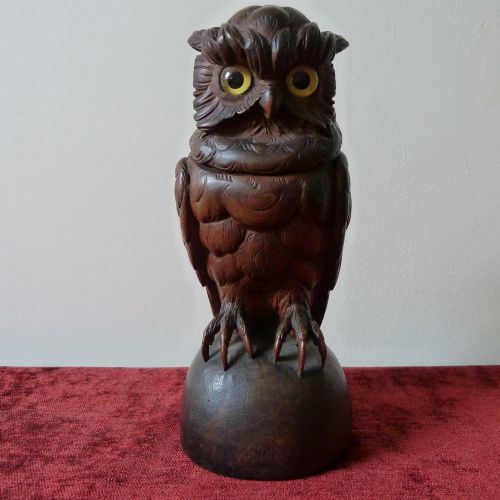
Surface treatments vary between plain polished timber, painted finishes, and inlaid stud eyes. Some Asian and African pieces combine carved wood with bone or incorporate marble bases on later Art Deco sculptures.
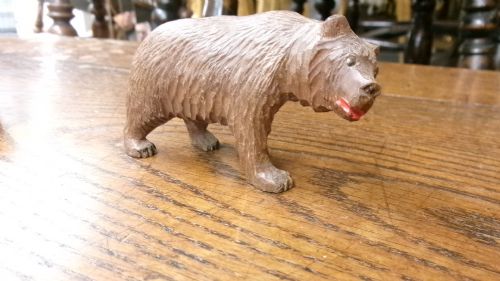
Several bears carry unexpected items including fish, while pigs are caught mid-gallop on historic carousel mounts.
What varies in quality
Anatomical precision and depth of carving distinguish master workshop output from simpler folk art items. Fine examples show careful attention to musculature, posture, and naturalistic expression.
The integrity of the timber and the preservation of original surface finishes significantly influence the character of each piece. Maker attribution or workshop signatures elevate certain sculptures above unsigned pieces.
J Huggler·Eugene Emile Borga
The Carved Wood Animal Figure Glossary
- Black Forest
- A style of wood carving originating from the mountainous regions of central Europe, renowned for realistic animal sculptures, particularly bears and deer. These pieces often utilise linden wood.
- Folk art
- Objects created by self-taught or traditional artisans outside formal academic traditions, prioritising expressive character over strict anatomical accuracy. Painted wooden horses and naive figures belong to this category.
- Hardwood
- Timber derived from broad-leaved trees such as teak, walnut, and ebony, offering durability and a fine grain suitable for detailed oriental animal carvings.
- Linden wood
- A pale, close-grained timber favoured by carvers for its softness and lack of pronounced grain, allowing for intricate undercut details in alpine animal groups.
- Raj period
- The era of British rule in the Indian subcontinent, associated with specific hardwood studies of elephants, horses, and ceremonial processions.
Carved Wood Animal Figure: Frequently Asked Questions
How do I identify Black Forest carvings?
Black Forest carvings typically depict regional alpine wildlife such as bears, deer, goats, and owls rendered in linden wood. They often display naturalistic poses and deep undercutting.
Look for fine textural work representing fur and feathers, and check for workshop signatures or stamps on the underside or plinth.
Where were these animal figures displayed?
These figures functioned primarily as decorative ornaments on mantelpieces, desks, and side tables in domestic interiors. Items like bookends and inkwells also served practical desk purposes.
Larger sculptures stood directly on floors or dedicated wooden bases within studies and hallways.
How should I care for wooden animal figures?
Keep wooden sculptures away from direct sunlight and heat sources to prevent the timber from drying out and splitting. Maintain a stable indoor environment.
Dust the carved surfaces gently with a soft, dry brush and avoid applying modern polishes or liquid cleaners.
How do I distinguish antique pieces from later reproductions?
Examine the tooling marks, timber patina, and wear patterns appropriate to the stated period. Antique carvings show natural ageing in the wood grain and surface finish.
Familiarise yourself with the typical characteristics of nineteenth-century European workshops and colonial Asian carving traditions.