
Vintage Carved Wooden Horse
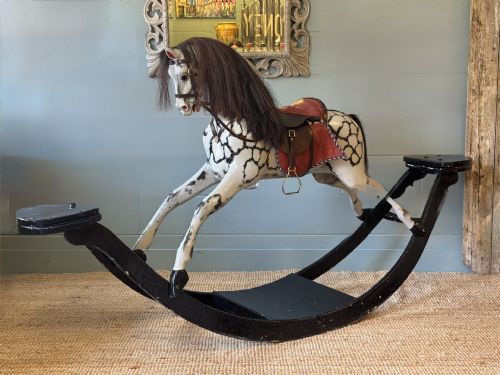
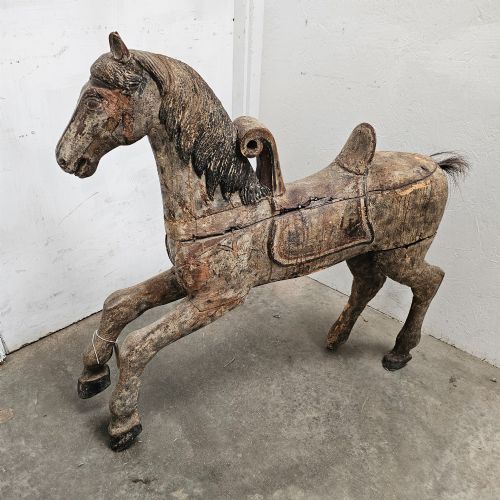
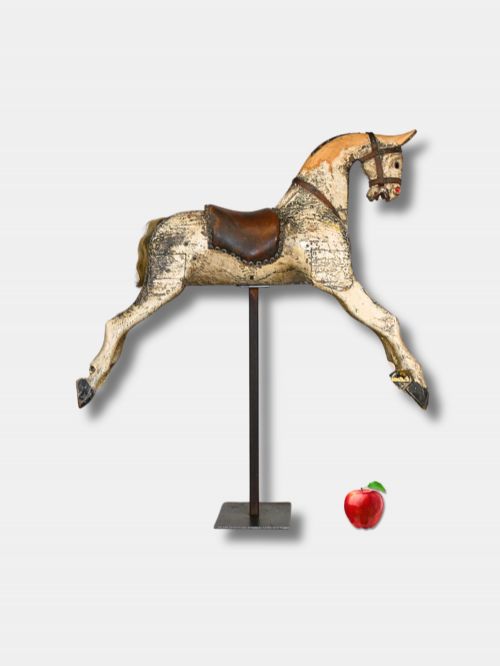
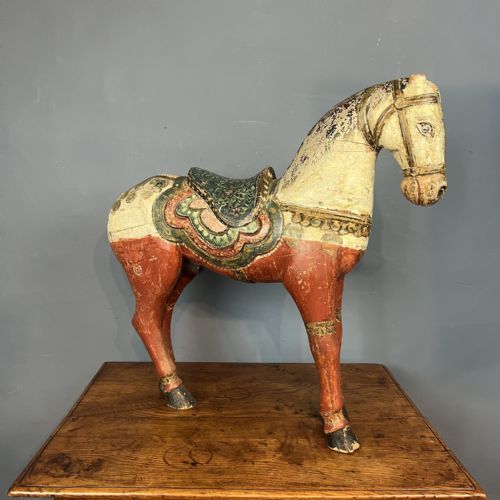
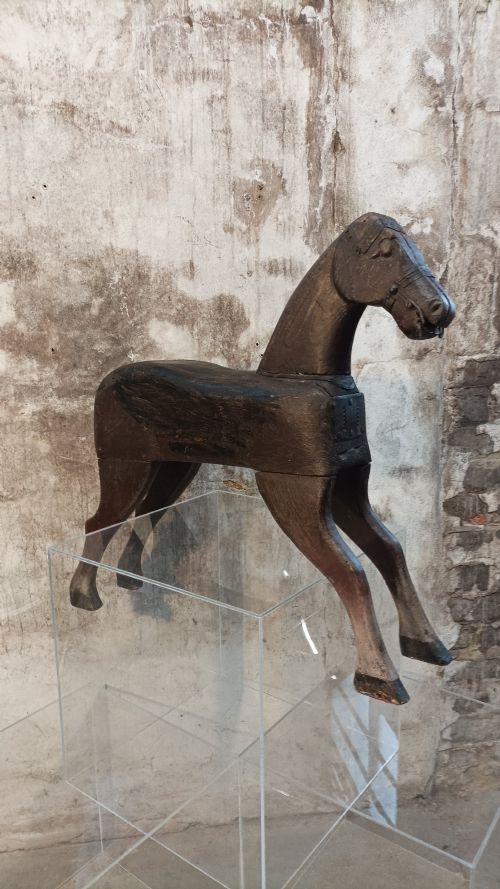
A vintage carved wooden horse brings tactile character into a room, spanning rustic folk art carvings and large Victorian rocking horses.
Vintage Carved Wooden Horse
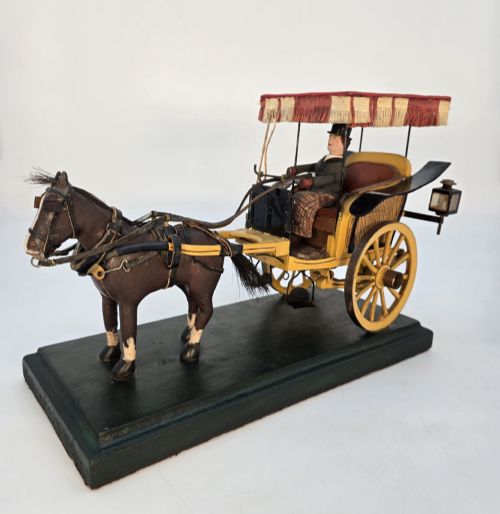
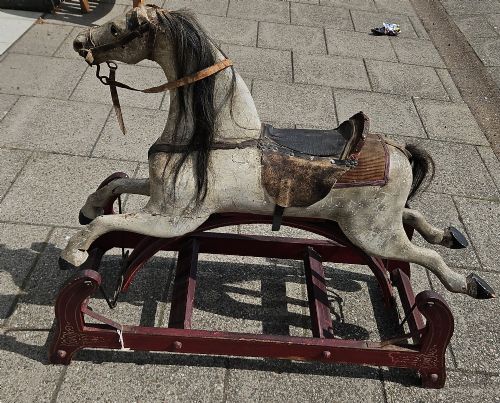
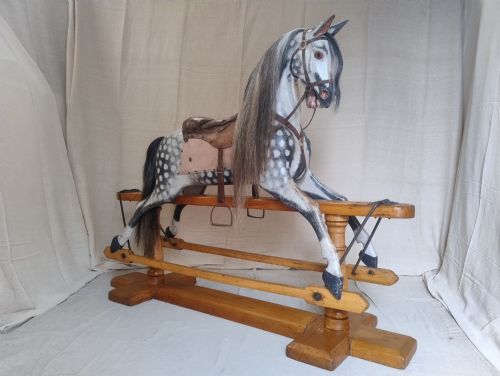
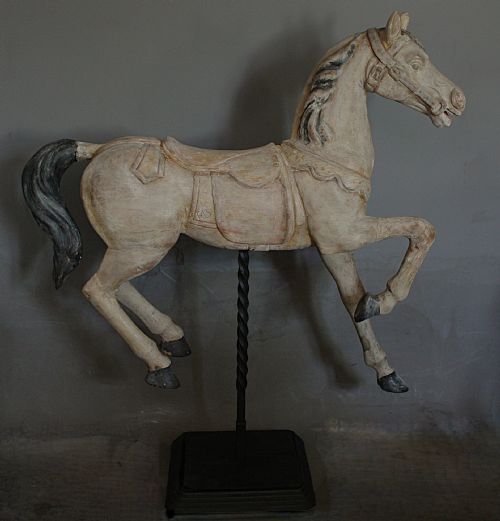
When you search for a vintage carved wooden horse, you encounter a diverse group of objects ranging from large Victorian rocking horses on original stands to smaller folk art sculptures and carousel figures. The pieces on this page originate from various periods including the nineteenth century and the early twentieth century, reflecting both British workshop production and continental traditions.
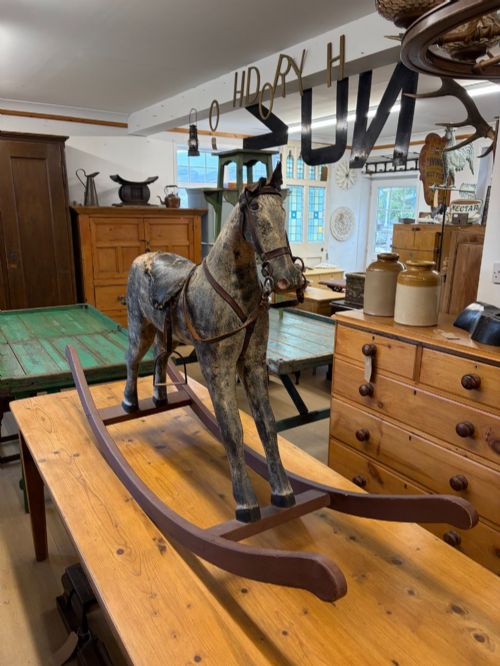
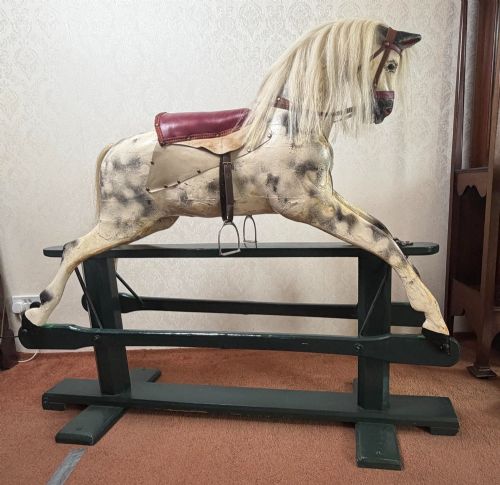
Rocking horses by notable makers such as F.H. Ayres, G & J Lines, and Collinson represent a significant portion of larger scale items, often retaining remnants of original paint or dapple work. Alongside these nursery items, you will find decorative sculptures, carousel horses, and naive folk art models carved from pine or other timbers.
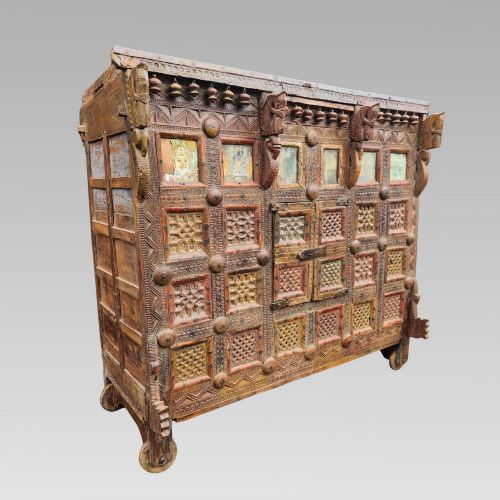
Originating from English, French, Spanish, German, and Indian traditions, these wooden horses include both utilitarian toys and purely decorative items. Buyers select them for their sculptural presence and the visible history held within their carved surfaces and weathered finishes.
Materials and construction
Makers shaped these horses using solid woods such as pine, mahogany, walnut, and teak, often employing carved construction joined with iron brackets or metal fixings for structural support. Surface treatments commonly involve layers of early or original paint, sometimes combined with leather elements, horsehair manes, and iron hardware.
Constructed by hand or through primitive workshop methods, the pieces show evidence of hand-carving gouges and traditional joinery. Carousel figures and rocking horses frequently display layered gesso and paint over the carved wood base to create smooth anatomical contours before the final decorative finishing.
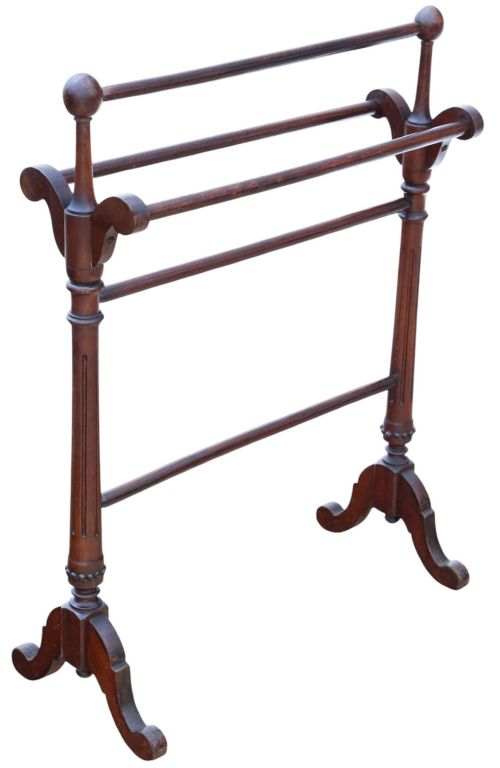
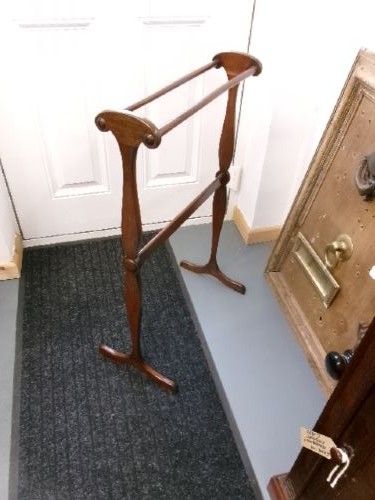
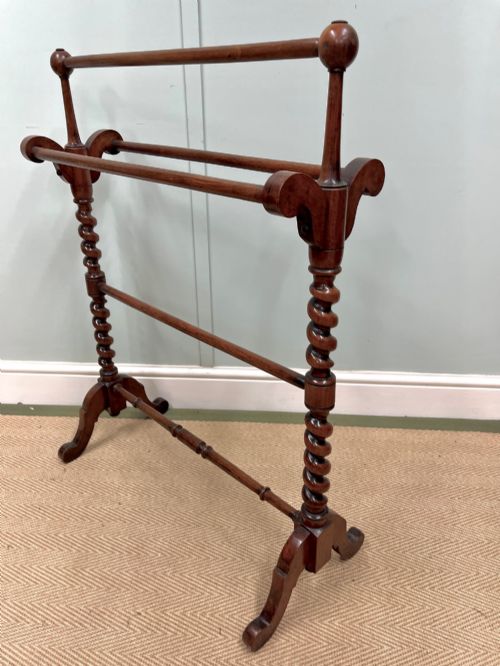
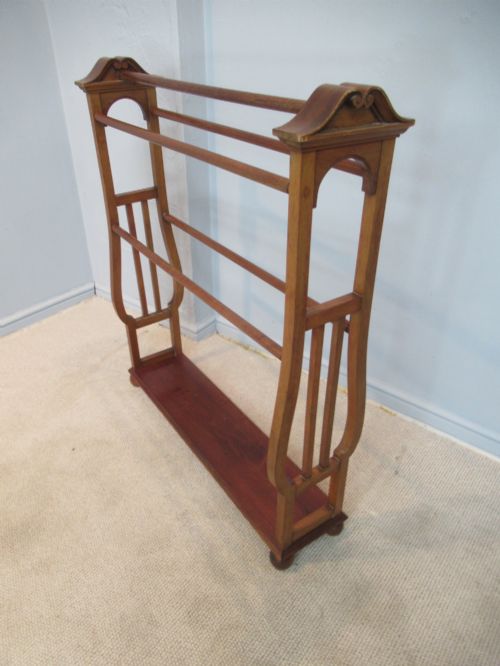
The selection includes British, French, Spanish, German, and Indian objects ranging from rocking horses to towel rail stands.
Assessing quality
Quality in these pieces rests upon the integrity of the original carving, the proportion of the animal form, and the survival of early surfaces. Maker attribution to established firms like F.H. Ayres or G & J Lines elevates a piece through documented craftsmanship and robust construction.
The distinction between standard workshop output and superior items lies in the expressiveness of the carved detail, particularly in the head and limbs, and whether the horse retains its original rocker base, leather tack, or historical paint layers rather than later overpainting.
G & J Lines of London·F.H. Ayres·Collinson·Lines Bros Sportiboy
The Vintage Carved Wooden Horse Glossary
- Folk art
- Objects created by self-taught or traditional artisans outside formal academic traditions. These items emphasise naive charm and utilitarian purpose over strict anatomical correctness.
- Carousel horse
- A carved wooden figure produced for fairground carousels, typically featuring dynamic postures and decorative paint finishes designed for public entertainment.
- Rocking horse
- A toy horse mounted on bow rockers or safety stands, engineered for children to ride. Larger examples often include upholstered leather saddles and horsehair additions.
- Original paint
- The initial surface coating applied to an object during its period of manufacture. Surviving primary paint layers contribute significantly to an item's historical integrity.
- Primitive
- A descriptive term for items made with basic tools and straightforward techniques. These objects display simple construction methods free from academic styling.
Vintage Carved Wooden Horse: Frequently Asked Questions
How do I date a wooden horse?
Dating relies on examining the construction techniques, tool marks, and materials used in the core structure. Stylistic clues from the Victorian or Edwardian periods also help place the object within a specific era.
Paint layers and surface wear offer further chronological indicators. Comparing the piece to documented examples by known makers provides a reliable timeframe.
Are rocking horses structurally stable?
Many antique rocking horses remain structurally sound on their original rockers or stands. Iron brackets and solid timber construction helped them withstand heavy childhood use.
However, stability varies depending on how the wood has aged and whether the joints have dried out. Careful placement avoids excessive strain on older frames.
What is folk art?
Folk art encompasses items made by rural artisans and local craftsmen rather than academic sculptors. These pieces often lack formal training yet demonstrate high decorative value.
In wooden horses, this style shows through simplified proportions and direct carving methods. Each piece reflects regional traditions and individual maker interpretations.
How should I clean original paint?
Preserving early paint requires gentle dusting with a soft, dry cloth rather than wet cleaning agents. Moisture can damage fragile historical surfaces and lift old pigments.
Harsh chemical cleaners should be avoided entirely to protect the underlying timber and finish. Professional conservation advice is recommended for delicate or flaky painted areas.