

Antique Folk Art Animals
These antique folk art animals are characterful handmade sculptures and paintings that bring authentic regional charm and personality into a room.
Antique Folk Art Animals
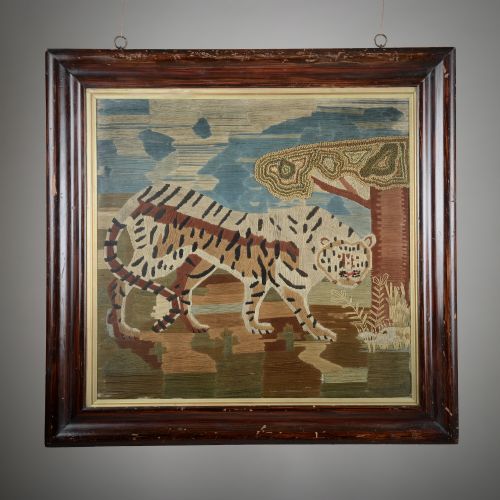
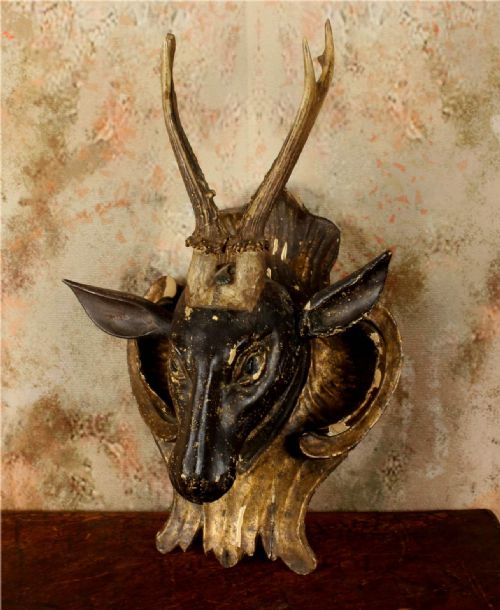
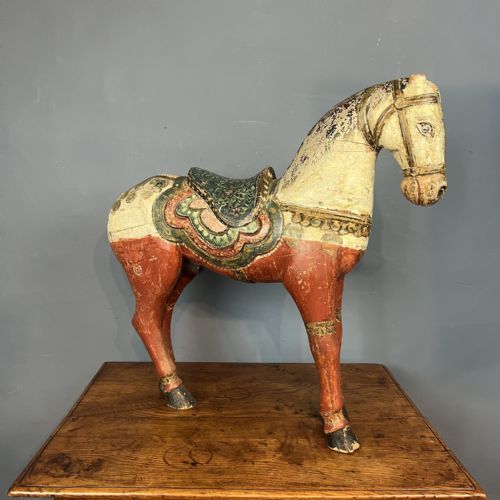
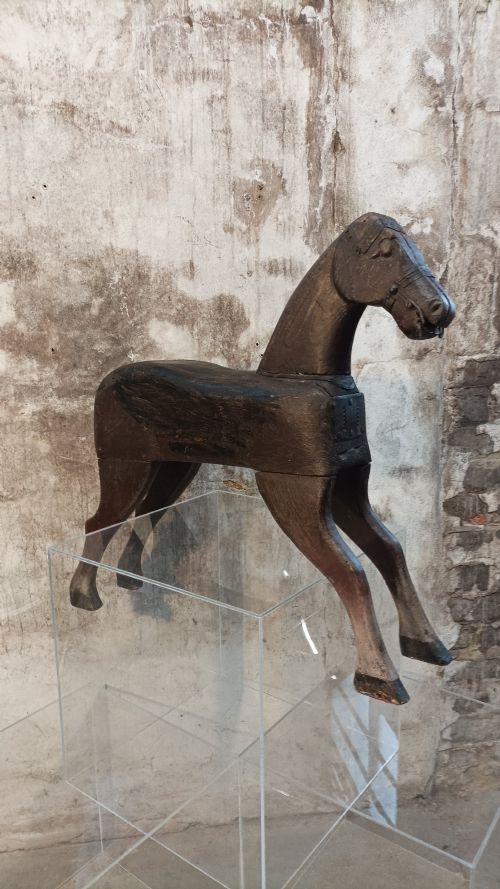
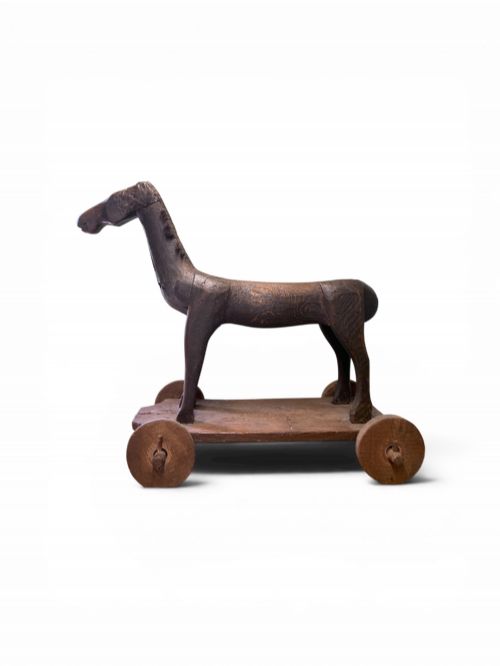
When you search for antique folk art animals, you encounter a diverse selection of handmade creatures shaped by regional craft traditions and untutored makers. The pieces span from the seventeenth century through to the mid-twentieth century, capturing domestic beasts, wild predators, and working animals in varied forms. Sculptures and carvings dominate the selection, alongside oil paintings on canvas and framed textiles depicting familiar and exotic creatures.
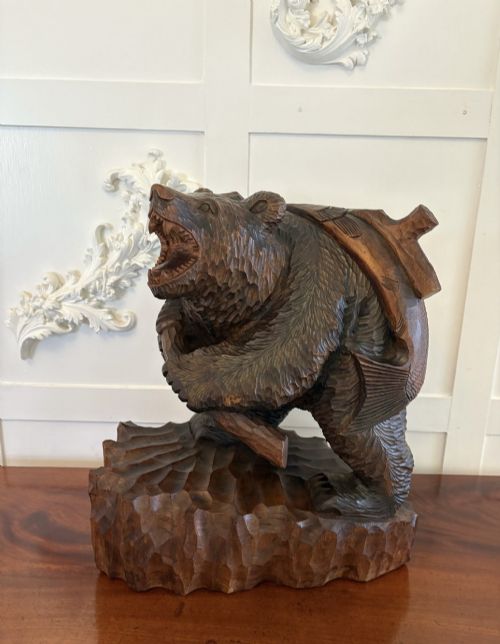
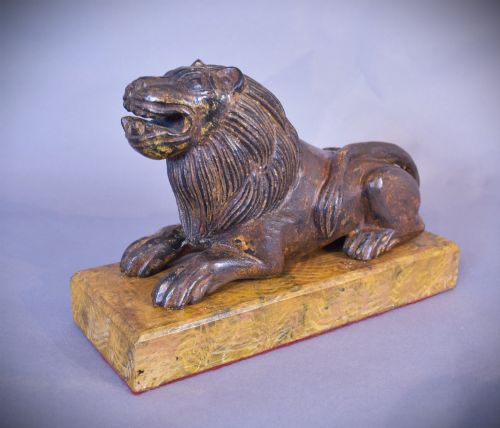
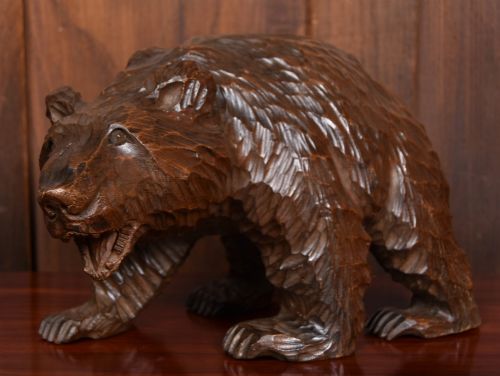
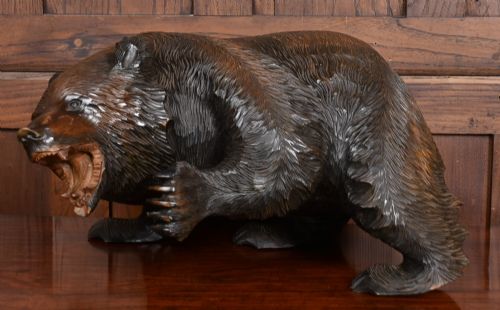
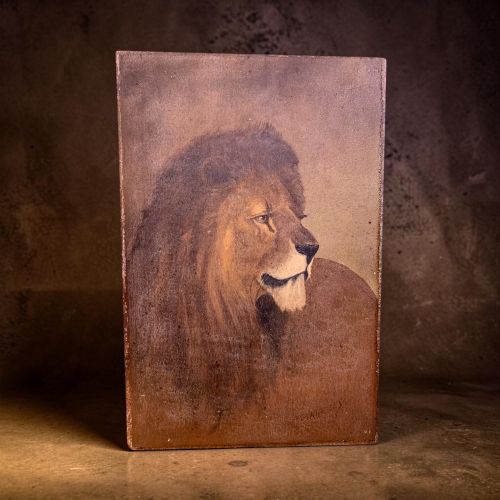
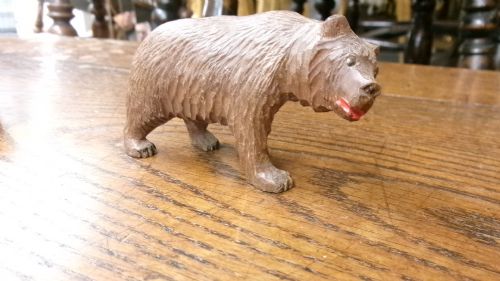
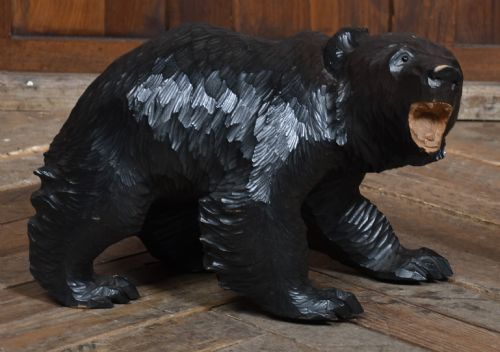
You are most likely to meet carved wooden bears, horses, and cattle, alongside naive school portraits of dogs and lions. European traditions are strongly represented through Black Forest carvings, French carousel figures, and Alpine works, complemented by Japanese hand-carved bears and Inuit whalebone sculptures. These objects range from practical items like nutcrackers and walking sticks to pure decorative sculptures and wall art.
Materials and construction methods
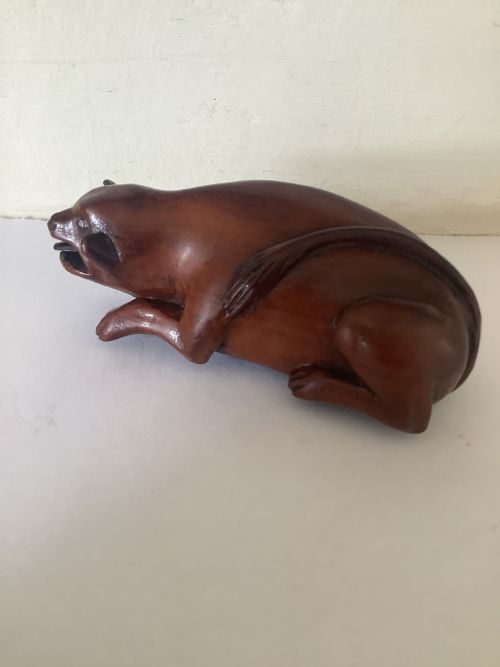
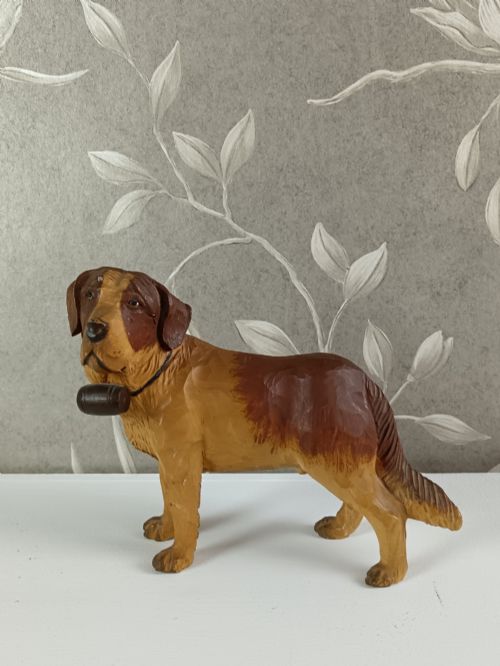
Carved wood is the primary medium for these figures, utilising hardwoods, fruitwood, linden wood, and limewood shaped with hand tools by local makers. Many animal sculptures retain layers of original oil paint, adding surface colour and texture to the carved grain beneath. Other pieces employ canvas, paper mache, terracotta, and whalebone to capture the physical form of the beast.
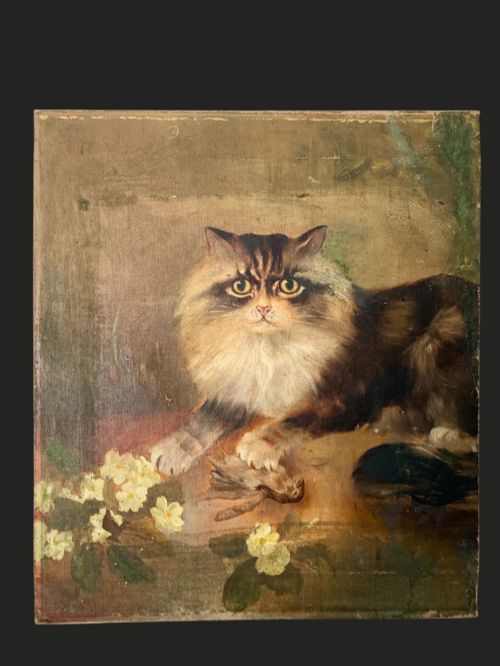
The construction techniques reflect vernacular craftsmanship rather than industrial standardisation. Carvers use gouges and knives to define fur, manes, and musculature, whilst painters apply oil pigments directly to wooden panels or stretched canvas to render naive portraits of cats, dogs, and lions.
Several bears carry fish, while a dedicated feline population glowers from French roof tiles and canvas portraits.
Distinctions in quality and execution
Quality in these pieces rests upon the confidence of the carving and the expressive energy of the animal's form. The strongest examples display a distinct personality and anatomical rhythm achieved by the maker, rather than rigid academic accuracy. Handling marks and tool work remain visible on finer carvings without detracting from the overall presence.
Surface preservation plays a significant role in distinguishing the best items. Original painted surfaces that retain their weathered patination and untouched pigment elevate a piece above later overpainted examples. The integration of functional elements, such as articulated joints or carved antlers, also demonstrates superior regional craftsmanship.
The Antique Folk Art Animals Glossary
- Naive school
- Art produced by artists without formal academic training, often characterised by a flat perspective and direct emotional expression. This style is frequently seen in nineteenth-century animal oil paintings.
- Black Forest carving
- Woodwork originating from the mountainous regions of central Europe, typically featuring realistic or stylised animals carved in deep relief. Bears and cattle are common subjects in this tradition.
- Kibori Kuma
- Japanese wood carving tradition depicting bears, often shown carrying fish in their mouths. These pieces were produced extensively in Hokkaido from the late nineteenth century onwards.
- Carousel figure
- Large carved wooden animals created for fairground rides and amusement parks. These figures often display dynamic poses and surviving traces of brightly coloured paint layers.
- Nutcracker
- A functional household implement carved into the shape of an animal, utilising leverage to crack shells. Fruitwood and hardwoods are standard materials for these functional sculptures.
Antique Folk Art Animals: Frequently Asked Questions
What are antique folk art animals?
These pieces are handmade sculptures, carvings, and paintings of creatures created by vernacular artists and regional craftsmen without formal academic training.
They encompass domestic pets, farm animals, and wild beasts rendered in wood, paint, canvas, and terracotta across multiple centuries.
How were these animal sculptures used?
Many objects served purely decorative or display purposes in domestic interiors, shops, and rural establishments.
Others combined utility with decoration, functioning as nutcrackers, walking sticks, snuff boxes, and architectural roof tiles.
How do I tell different regional styles apart?
Regional traditions display distinct subject matter and working methods peculiar to their geographical origin and local fauna.
Black Forest pieces lean towards naturalistic bears and cattle in deep brown woods, while Japanese examples often feature bears with fish, and French items include carousel figures and terracotta pottery.
How should I care for wooden folk art?
Wooden sculptures and carvings require stable indoor humidity away from direct heat sources and strong sunlight to prevent timber splitting.
Surfaces are best maintained with gentle dusting, avoiding modern liquid polishes that might alter the historic painted or waxed patination.