



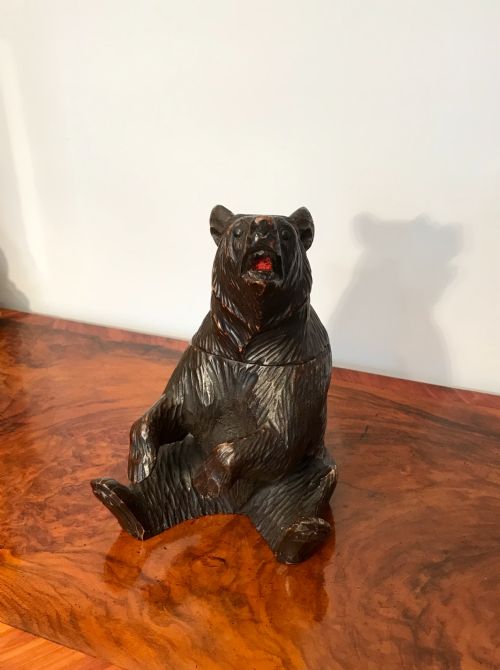
Brown Wood Bear Figurine
A brown wood bear figurine is a carved wooden representation of a bear, sought after for its detailed folk art charm and historical character.
Brown Wood Bear Figurine
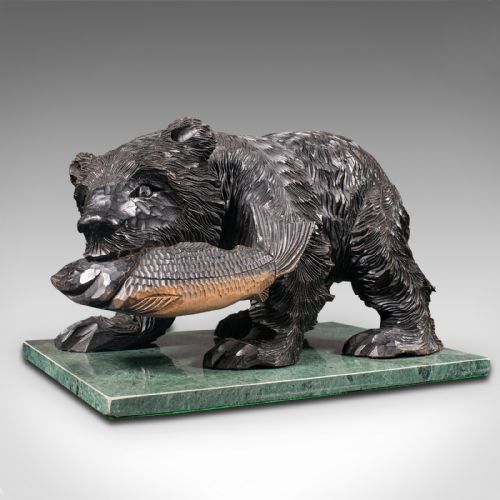
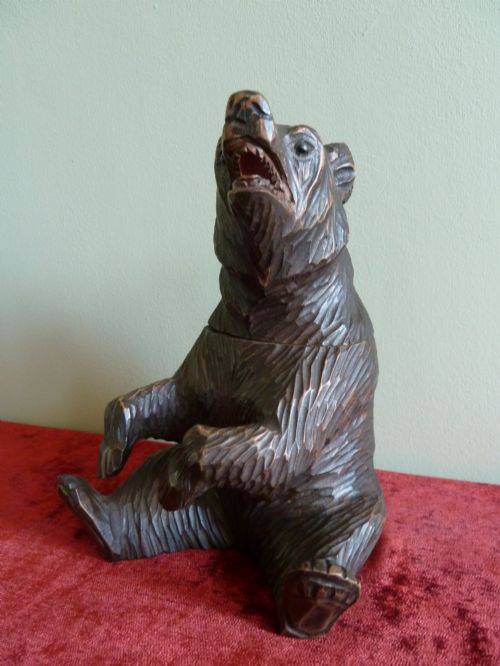
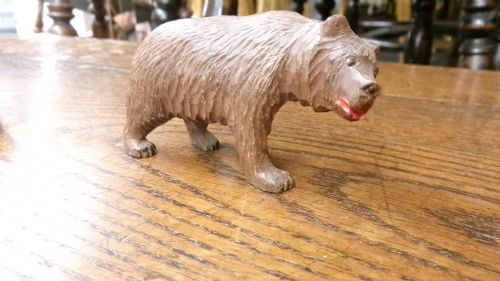
A brown wood bear figurine captures the animal in various carved forms, originating primarily from the nineteenth century up through the Edwardian period. These pieces encompass everything from small cabinet miniatures to tobacco holders and large sculptures.
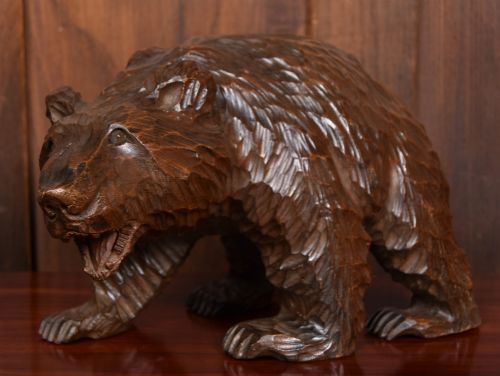
You will most frequently encounter Black Forest works alongside Japanese folk art examples, particularly the traditional Kibori Kuma style. The selection ranges from singular standing beasts to pairs and sets of fifteen miniature carvings.
Materials and construction
Carvers predominantly worked in linden wood and other hardwoods, shaping the timber with hand tools to establish the thick fur and muscular forms of the animals. These sculptures frequently relied on straightforward subtractive woodcarving techniques.
Makers occasionally added secondary details using paint, wax, and metal. Stud eyes were sometimes inserted to bring expression to the carved wooden faces.
The regional schools, particularly in the Black Forest and Japan, developed specific handling of the timber grain to accentuate the texture of the bear's coat.
Brown Wood Bear Figurine Retail Price Guide 2026
Typical asking prices for brown wood bear figurine among the pieces listed under this phrase on Sellingantiques today, from the lower quarter to the upper quarter. They describe what is for sale here now, not the wider market.
Distinctions in quality
The sophistication of the carving separates standard examples from superior works, particularly in how realistically the fur and anatomy are rendered. Finer pieces demonstrate precise control of the chisel and a deeper understanding of the animal's posture.
Scale and ambition dictate distinction, as large Edwardian linden wood carvings or extensive sets of miniatures require greater technical skill than single small objects. The presence of original surface treatments and integrated utility, such as a tobacco holder function, also influences the character of the piece.
The Brown Wood Bear Figurine Glossary
- Black Forest
- A nineteenth-century carving style originating in the mountainous regions of central Europe, known for realistic depictions of wildlife, particularly bears. These items often served decorative or domestic functions.
- Kibori Kuma
- A traditional Japanese wood-carved bear originating from Hokkaido folk art. These figures often display distinct geometric or textured chisel marks.
- Linden Wood
- A pale timber commonly utilised by European carvers for its soft texture and even grain, making it ideal for detailed sculptural work.
- Tobacco Jar
- A lidded container designed to keep tobacco moist, frequently fashioned into figural animal shapes in nineteenth-century workshops.
- Stud Eyes
- Small inset metal or glass components used to represent the eyes of carved animals, adding a lifelike gaze to wooden figures.
Brown Wood Bear Figurine: Frequently Asked Questions
What periods do these bears come from?
The available pieces predominantly date from the nineteenth century, including Victorian and Edwardian eras around nineteen hundred. These periods encompass distinct regional carving traditions from Europe and Japan.
Craftsmen during these decades produced both utilitarian items like tobacco holders and purely decorative sculptures using traditional hand tools.
What is Kibori Kuma?
Kibori Kuma refers to traditional Japanese wood-carved bears created as part of folk art traditions, particularly from Hokkaido. These figures share shelf space with European carvings but display distinct regional chisel work.
Collectors prize these Japanese examples for their unique stylistic interpretation of the animal form, often executed in the nineteenth century.
How were these carved figures used?
While many served purely as decorative sculptures and figurines, others had practical household functions. Examples include lidded tobacco jars and desk accessories designed to sit in studies or parlours.
Miniature versions were often collected in sets or displayed together as cabinet curiosities during the Victorian and Edwardian periods.
What materials besides wood appear on them?
Carvers occasionally incorporated paint and wax to finish the wooden surfaces or enhance the shading of the bear's coat. Metal and glass also appear in the form of stud eyes inserted to give the figures expression.
The primary material remains linden wood and other hardwoods, selected for their stability and suitability for detailed hand carving.