

Brown Oak Welsh Dresser
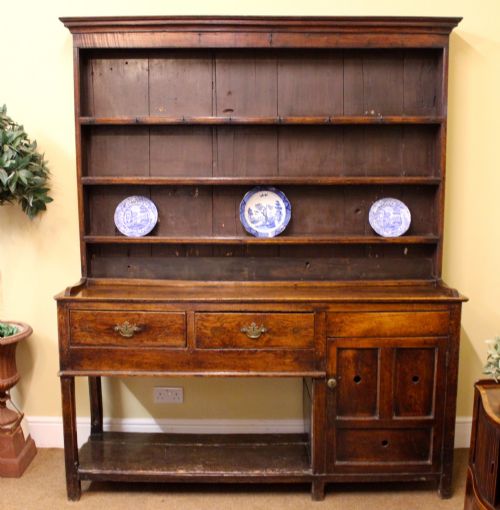
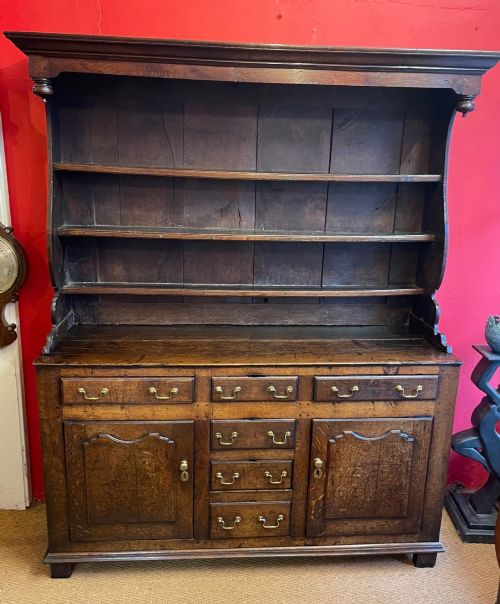
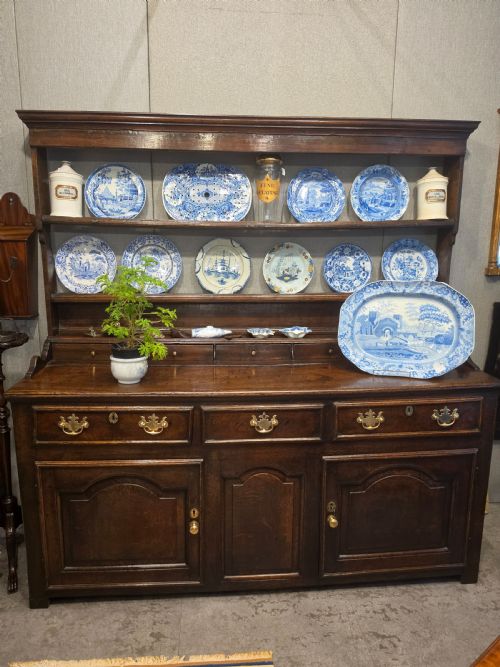
A brown oak welsh dresser anchors a room with deep timber grain and open display shelves built for everyday pottery.
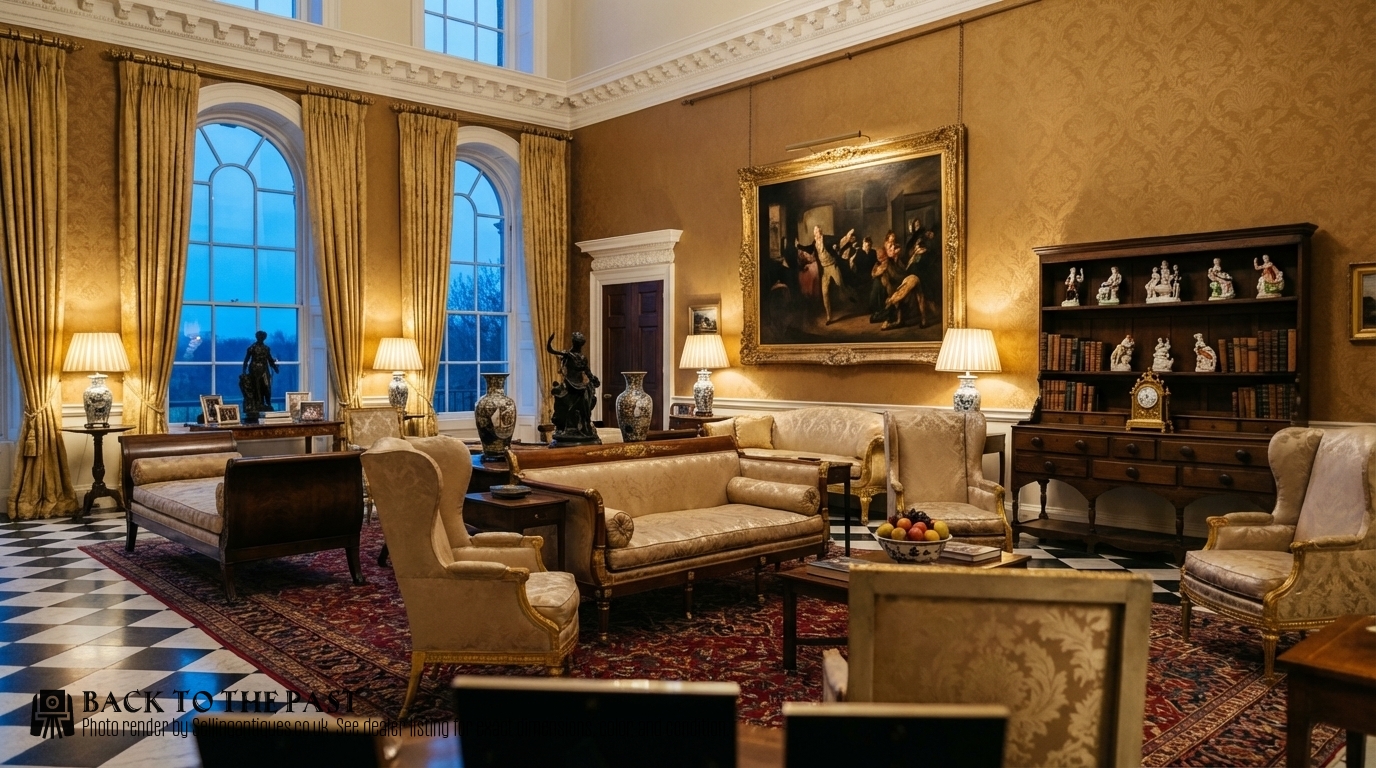
Brown Oak Welsh Dresser
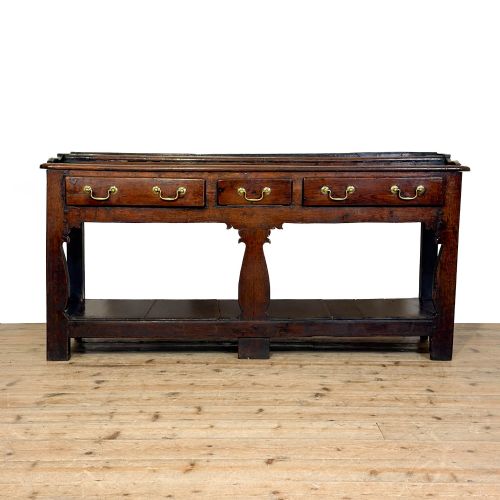
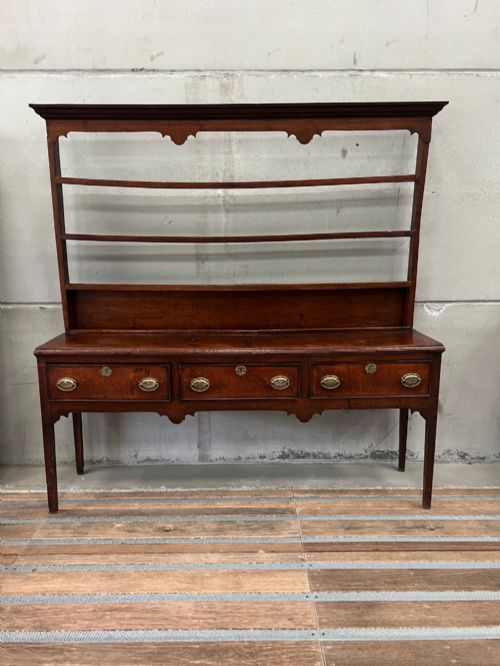
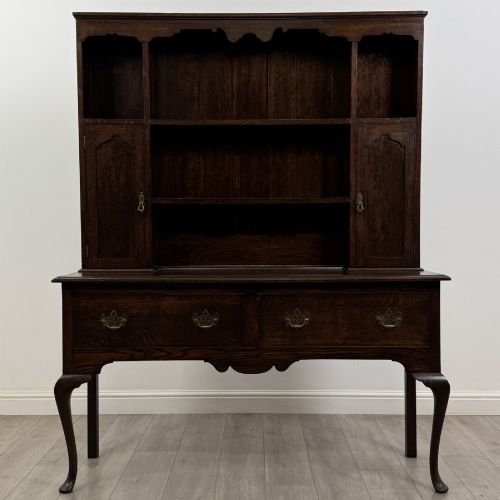
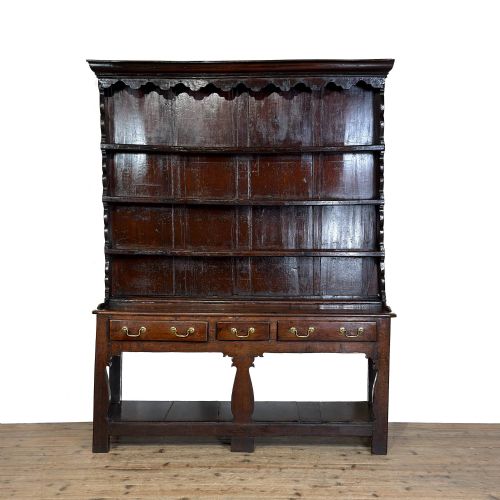
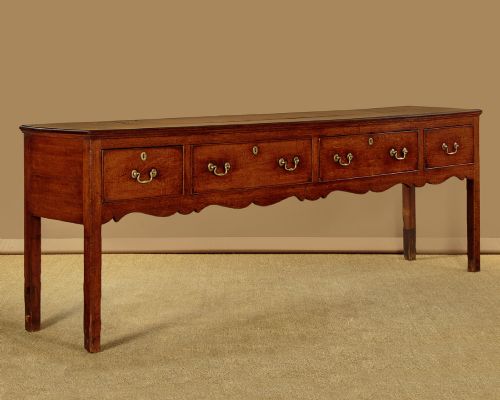
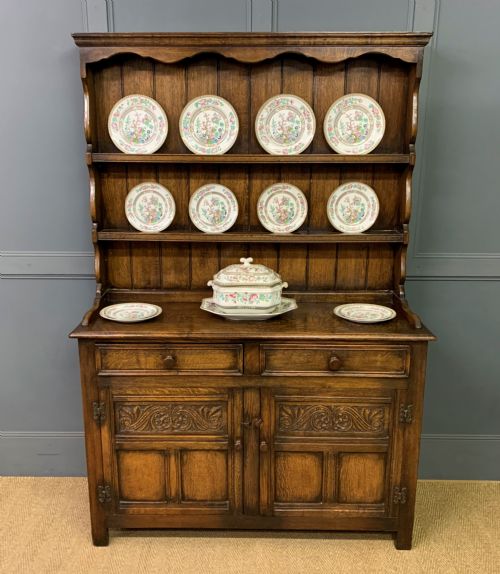
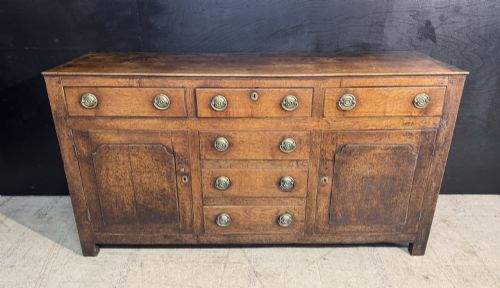
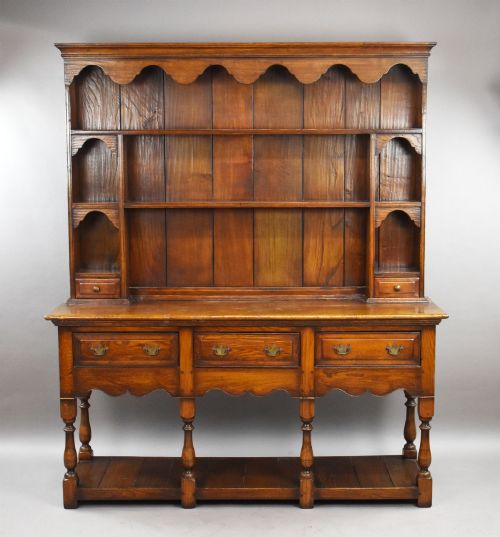
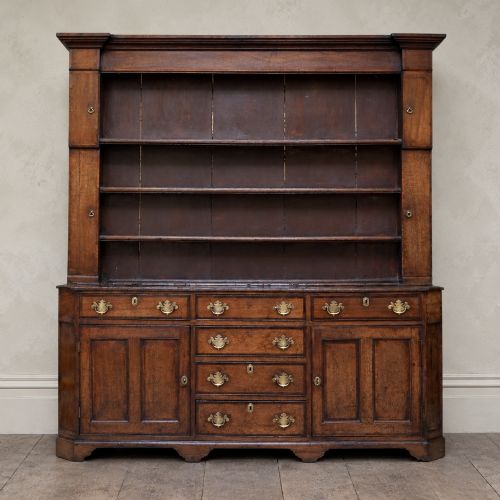
A brown oak welsh dresser combines a lower base of drawers or cupboards with an upper plate rack for displaying ceramics. These pieces emerge from 18th century, 19th century, Georgian, Regency, Edwardian and Victorian periods, often originating from regional workshops in Snowdonia, Llanrwst or Shropshire.
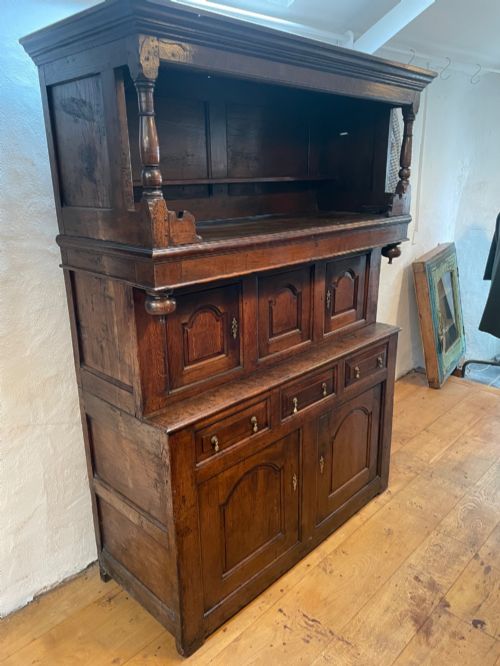
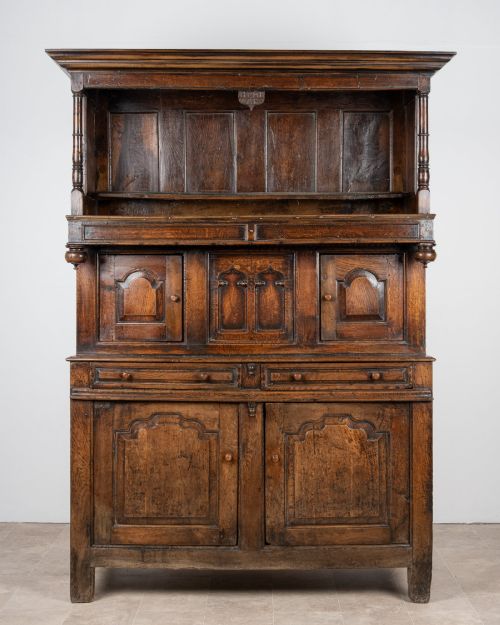
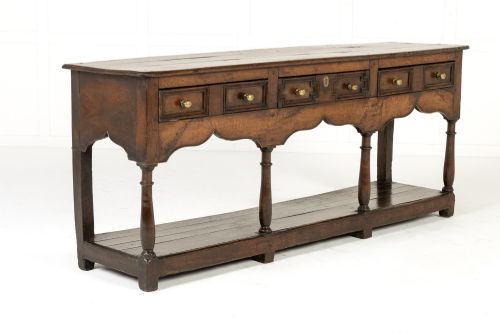
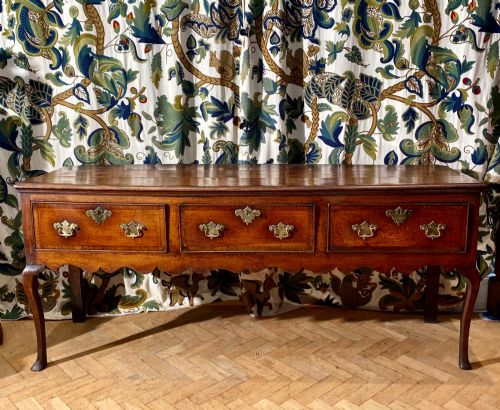
Buyers encounter forms ranging from open potboard bases and servers to complex multi-tiered cupboards like the cwpwrdd tridarn or glazed bookcases. The timber selection spans solid honey oak, tiger oak and country oak paired with secondary woods such as elm, pine and mahogany.
Regional vernacular traditions dictate whether a dresser carries breakfront drawers, spice drawers or enclosed glazed upper doors. Each format reflects the domestic storage needs of historic rural kitchens and dining rooms.
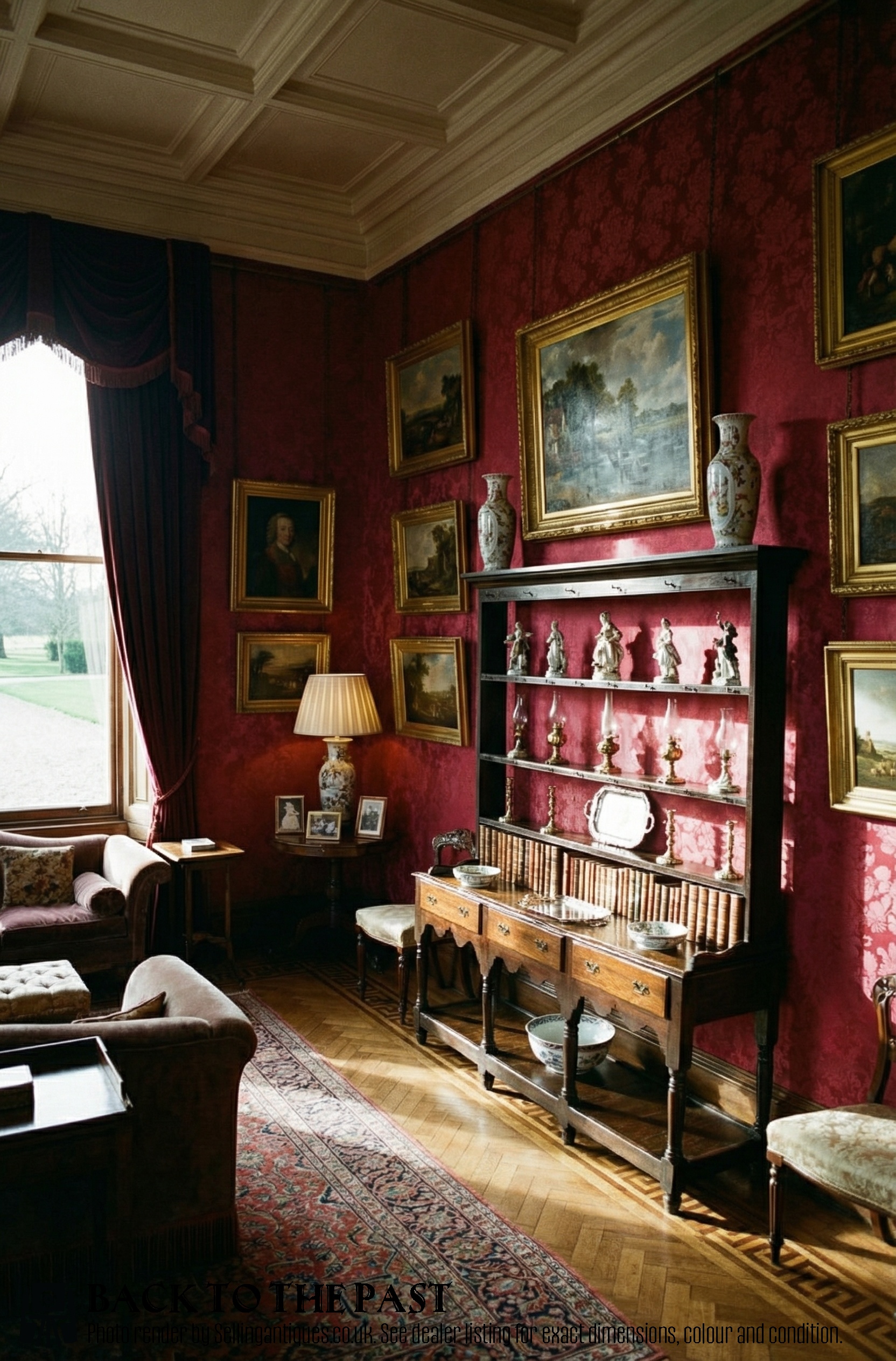
How they were made
Joiners constructed these pieces using solid oak planks assembled with traditional framing, paneling and pegged mortise and tenon joints. Secondary timbers like elm and pine appear in internal partitions, drawer linings and backboards.
Hardware consists of brass drop handles, escutcheons and iron fittings secured to dovetailed drawer construction. Glazed upper sections utilise timber framing to hold individual panes of glass for display bookcases and corner cupboards.
Brown Oak Welsh Dresser Retail Price Guide 2026
Typical asking prices for brown oak welsh dresser among the pieces listed under this phrase on Sellingantiques today, from the lower quarter to the upper quarter. They describe what is for sale here now, not the wider market.
Listings feature oak, brass, glass, mahogany, iron, pine, elm and ceramic across 18th century, 19th century, Georgian, Regency, Edwardian and Victorian periods.
What varies in quality
The integrity of timber grain and depth of surface patina distinguish regional vernacular pieces from later revival items. Natural colour variation across the oak planks creates visual richness that heavy refinishing diminishes.
Proportion and architectural detail dictate the visual success of the piece, from the balance of the plate rack against the base to the execution of raised fielded panels and cornices. Original hardware and unaltered potboard lower tiers add substantial character to surviving examples.
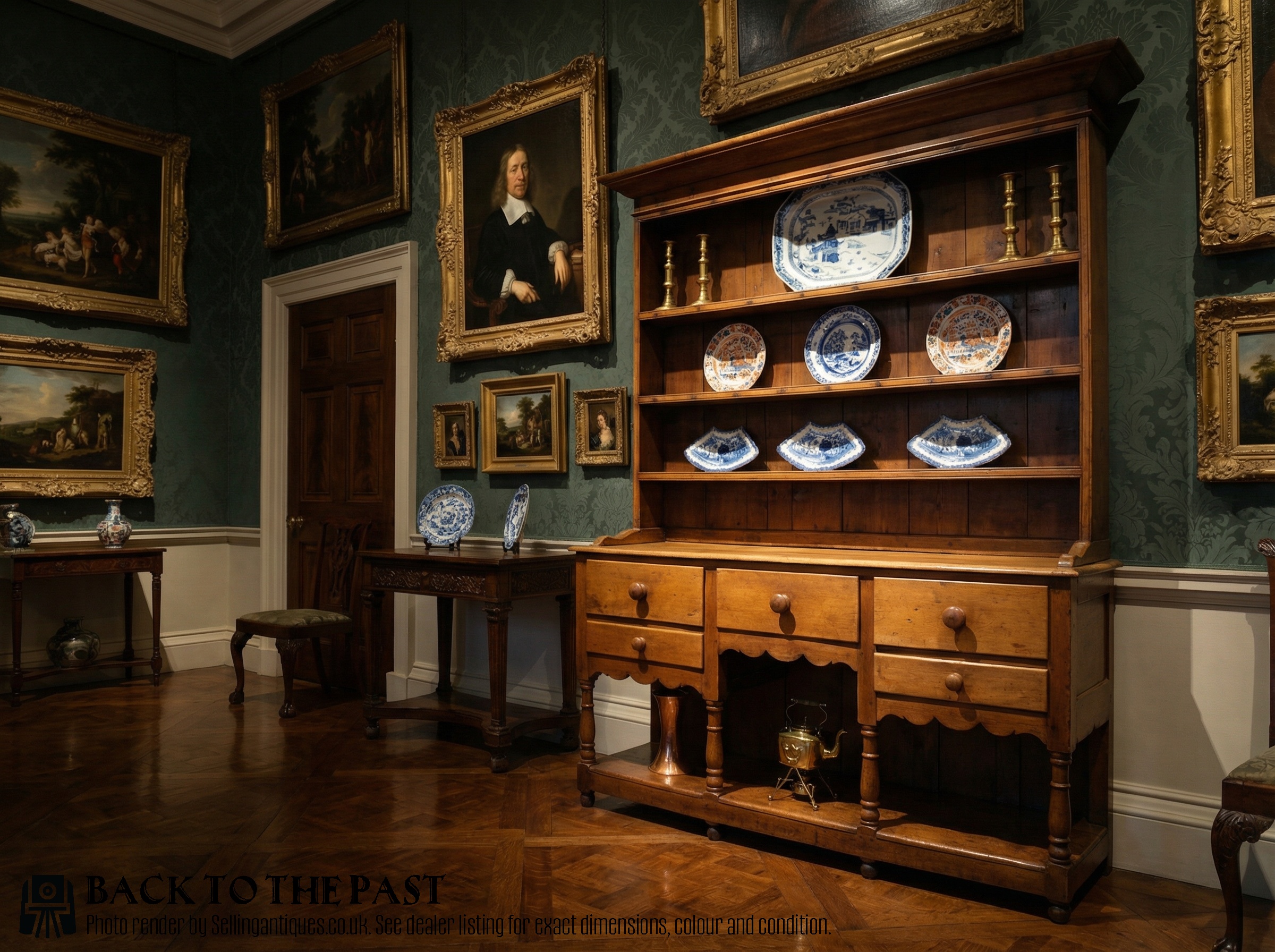
The Brown Oak Welsh Dresser Glossary
- Potboard
- An open lower shelf beneath a dresser base traditionally used for storing pots and pans. This platform sits raised off the floor on feet or stile extensions.
- Cwpwrdd Tridarn
- A traditional Welsh three-tier cupboard featuring an enclosed upper section, an open middle stage with turned spindles, and a lower cupboard base. These large pieces provide monumental storage.
- Plate Rack
- The set of open shelves fixed to the top of a dresser designed to display ceramic plates and platters upright. Vertical slats or grooves keep crockery from sliding forward.
- Cwpwrdd Deuddarn
- A traditional Welsh two-tier enclosed cupboard with panelled doors. This format conceals storage entirely behind wooden doors rather than displaying ceramics on open shelves.
- Patina
- The surface sheen and colour depth developed by timber over centuries through handling, waxing and oxidation. A rich patina indicates age and continuous use.
Brown Oak Welsh Dresser: Frequently Asked Questions
What is a welsh dresser?
A welsh dresser is a dual-purpose furniture form consisting of a lower storage base fitted with drawers or cupboards and an upper plate rack for displaying tableware.
Historically used in rural kitchens for food preparation and crockery storage, these pieces evolved into prominent dining room furnishings across British regional workshops.
How do I date an oak dresser?
Dating relies on examining construction methods, timber characteristics, hardware types and stylistic details associated with periods like the Georgian era or the 18th century.
Hand-cut dovetails, pegged joints, secondary woods and regional vernacular traits offer reliable clues to the decade or century of manufacture.
Where were these dressers made?
Many examples originate from specific Welsh regions such as Snowdonia or Llanrwst, while others hail from English provincial areas like Shropshire.
Local joiners utilised native hardwoods available in their immediate surroundings, imparting distinct regional characteristics to the proportions and decorative details.
How should I care for antique oak?
Maintain antique oak by applying natural beeswax sparingly and buffing with a soft cloth to nourish the wood and preserve its historic surface sheen.
Keep timber furniture away from direct heat sources and dramatic humidity fluctuations to prevent wood movement and splitting.