


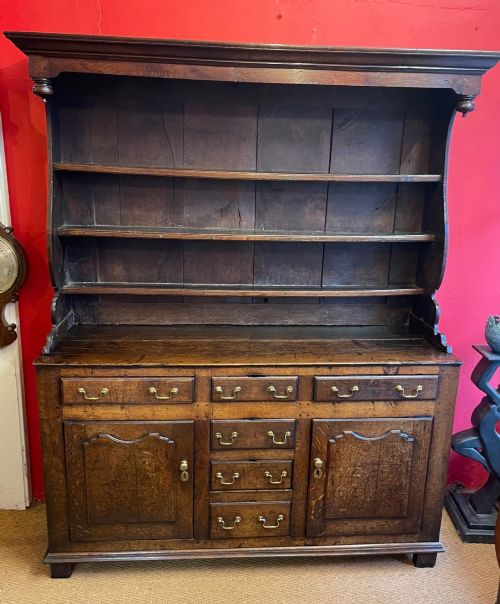
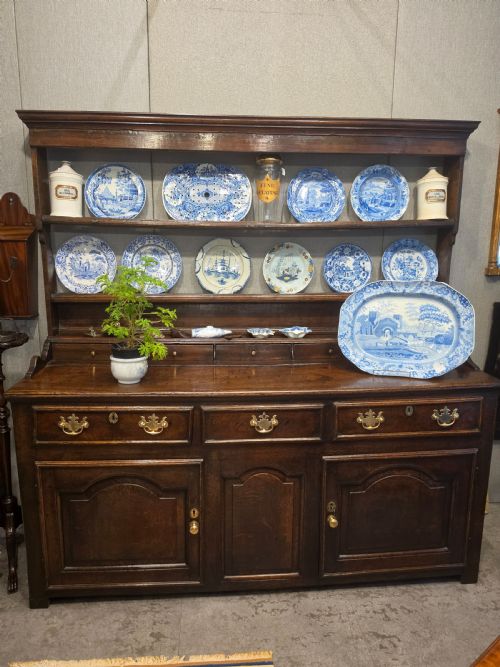
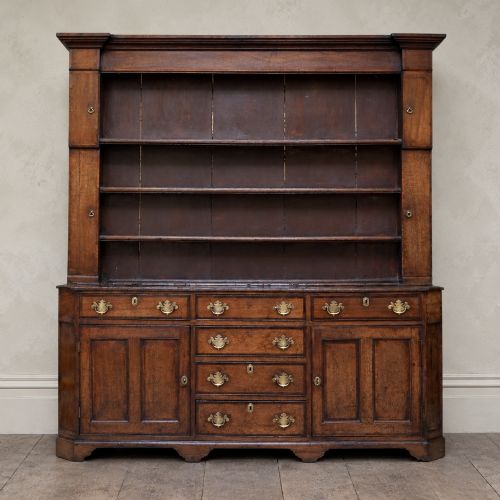

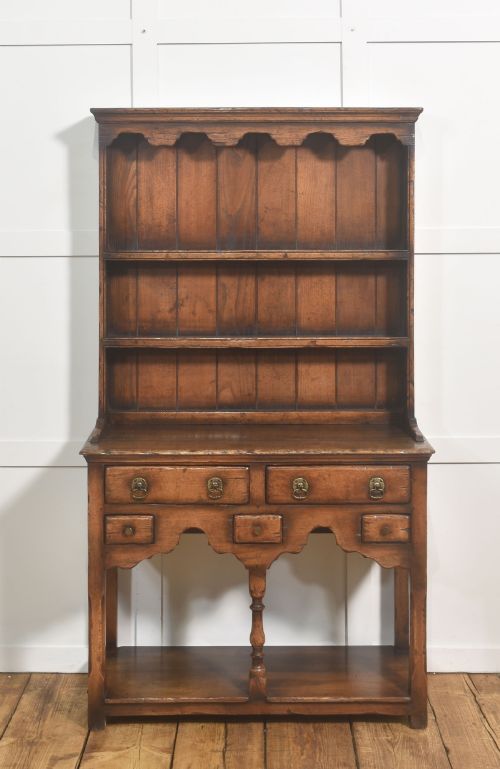
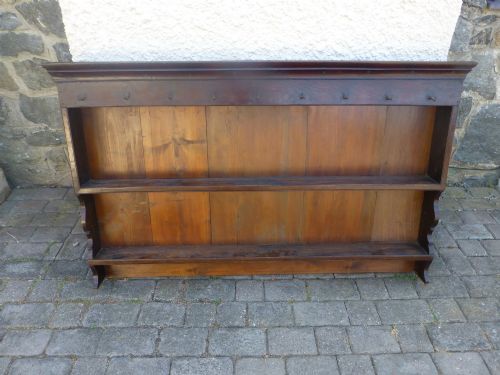
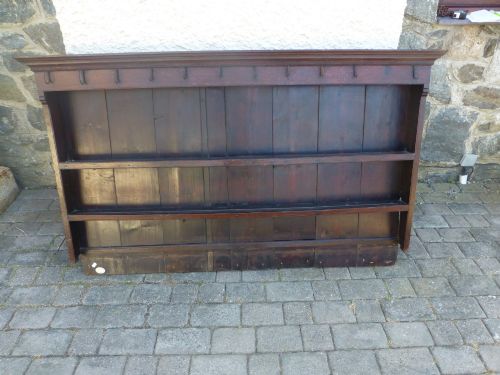
Brown Oak Plate Rack
A brown oak plate rack brings warmth and utility to a kitchen, holding ceramic plates against rich timber.
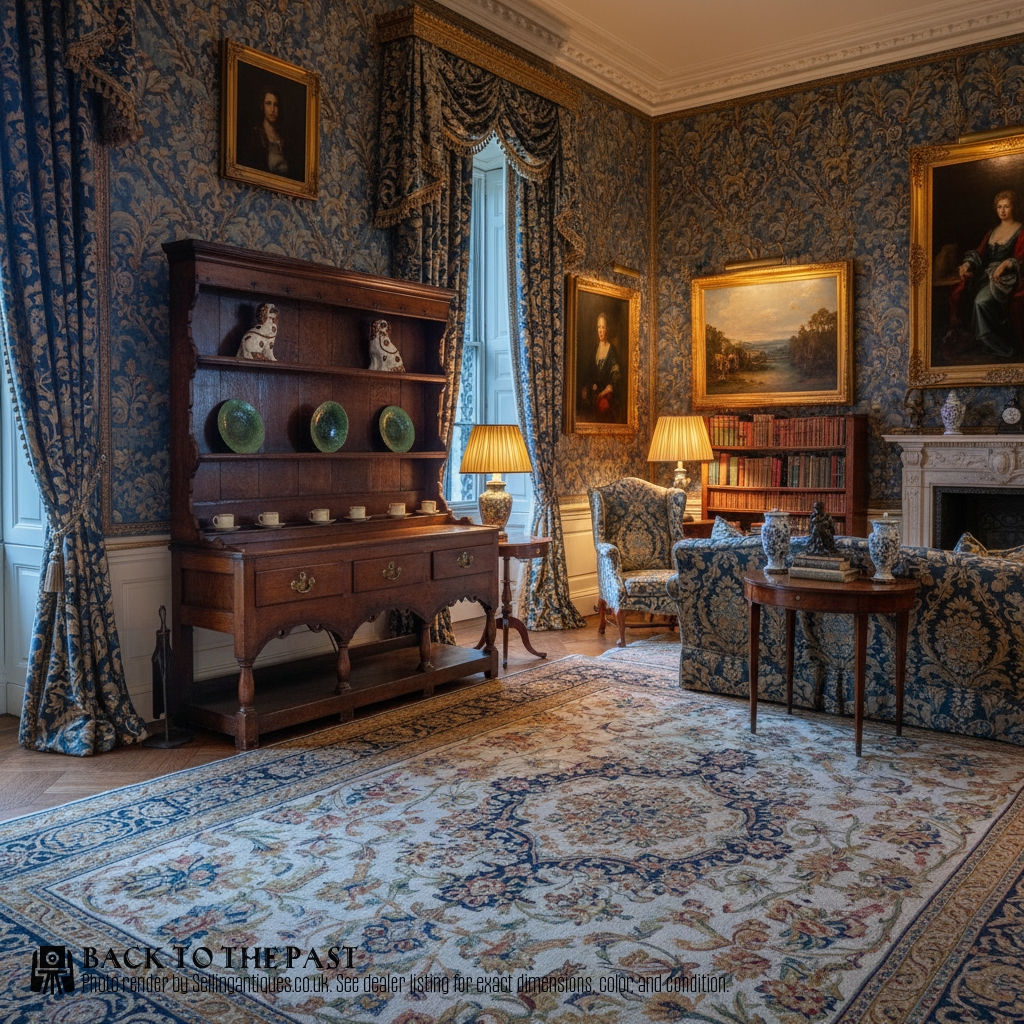
Brown Oak Plate Rack
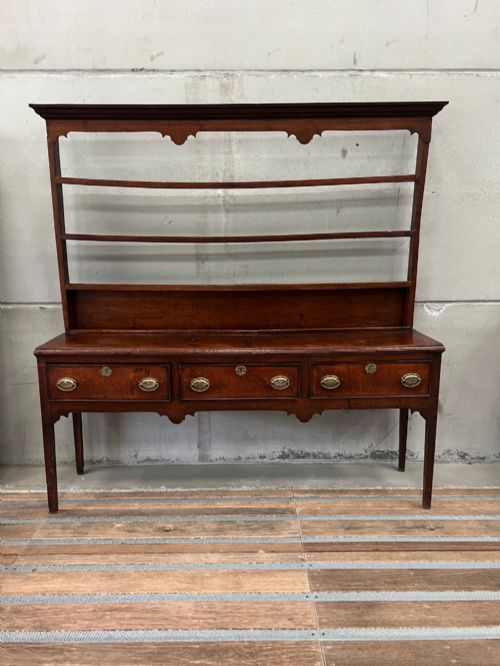
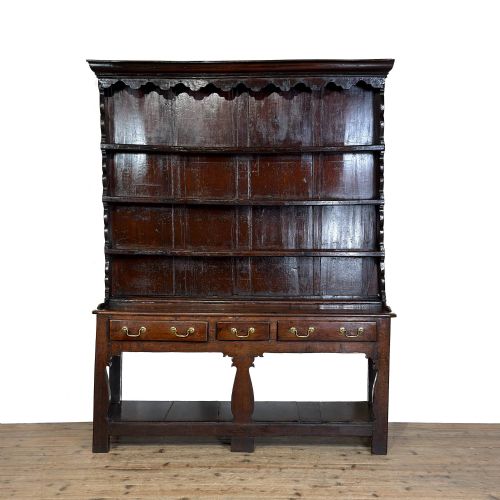
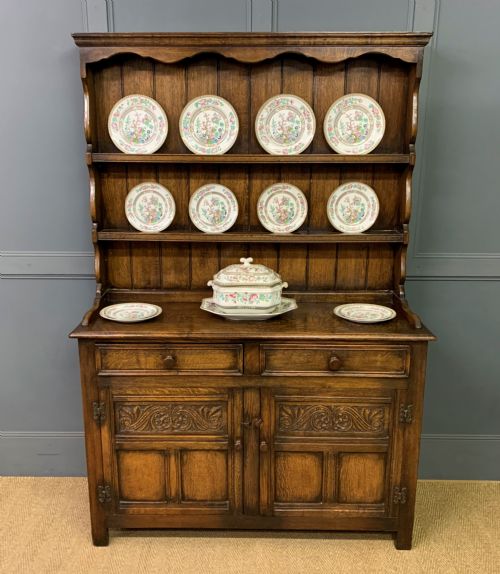
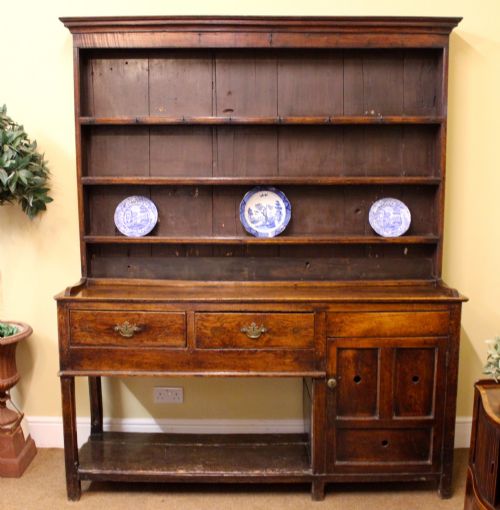
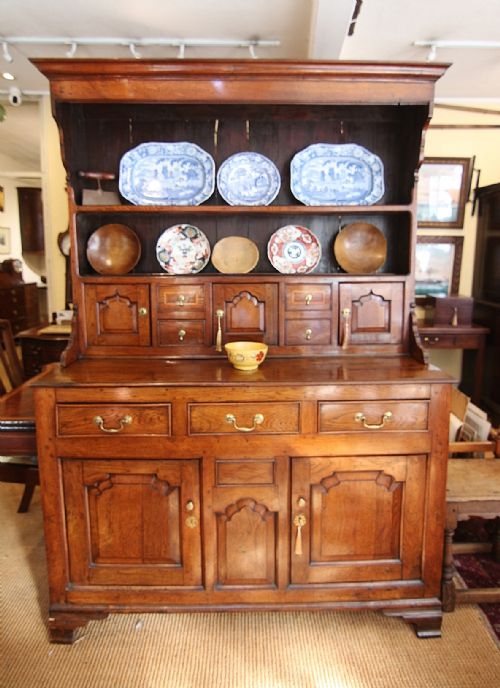
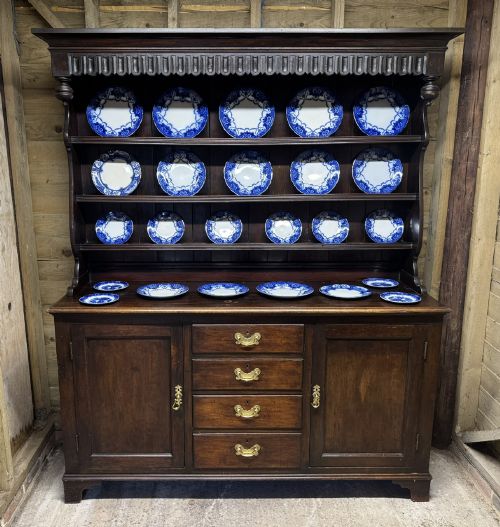
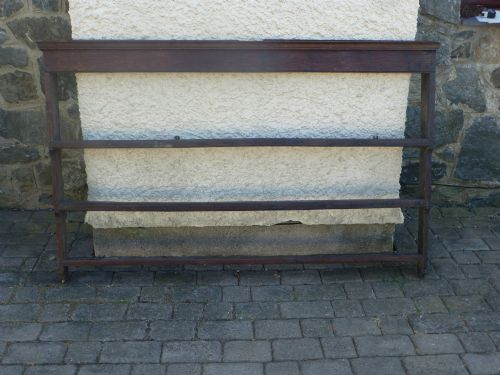
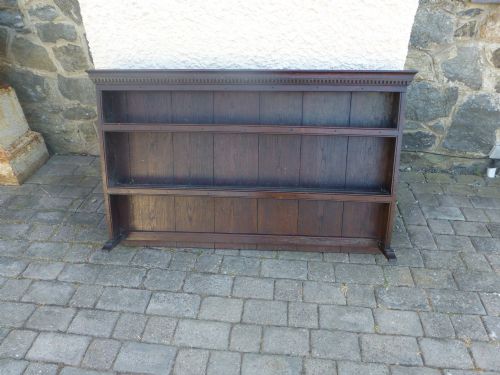
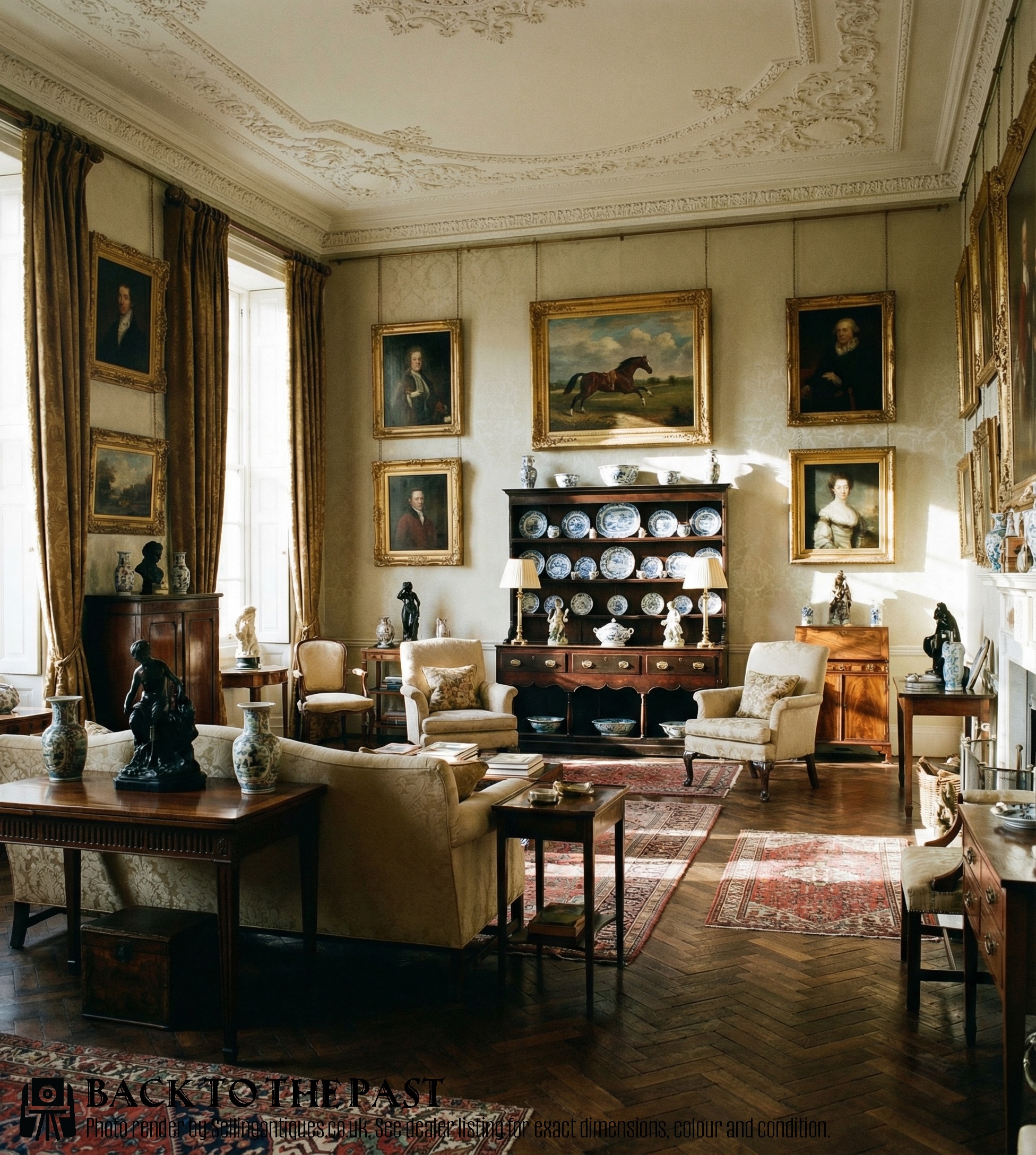
A brown oak plate rack appears most often as part of a traditional dresser, or as a wall-hanging shelf unit designed to display crockery. These pieces span the eighteenth and nineteenth centuries, alongside early twentieth-century revivals.
The regional vernacular heavily influences the design, with Welsh and provincial English workshops producing many of the surviving examples found today. Oak forms the primary structure, sometimes paired with elm, pine, or mahogany in secondary parts.
Buyers encounter freestanding dressers featuring integrated plate racks alongside independent wall shelves. Georgian and Victorian country workshops created these for everyday domestic use in farmhouses and cottages.
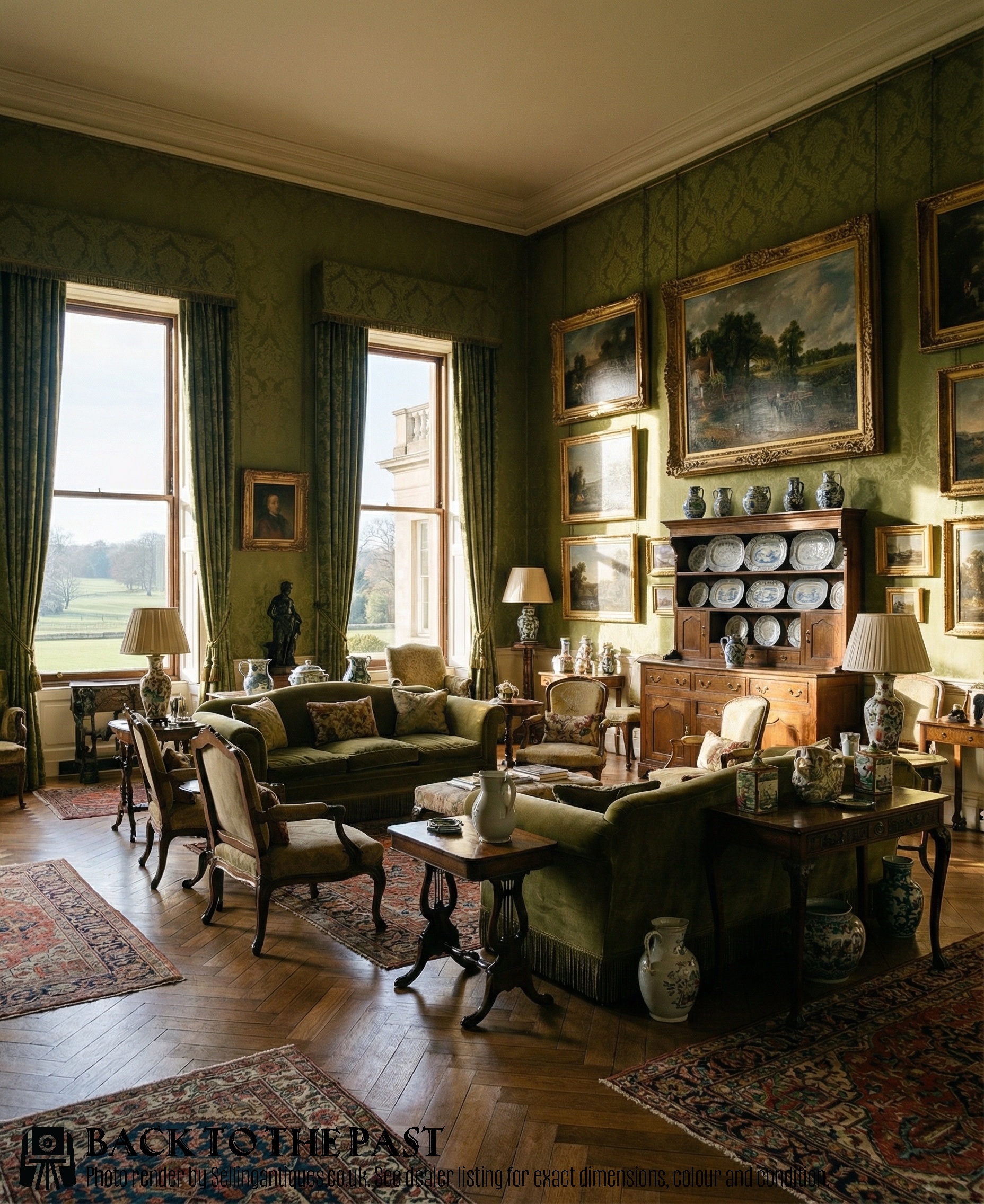
Assessing Quality
The integrity of the timber and the preservation of original surfaces distinguish finer examples from standard utility pieces. Rich natural colour and depth in the oak indicate superior material selection by the original maker.
Proportion and regional character dictate desirability, with well-balanced proportions in the rack framing and shelving showing higher craftsmanship. Integration between the base dresser and its upper rack demonstrates the maker's skill.
Brown Oak Plate Rack Retail Price Guide 2026
Typical asking prices for brown oak plate rack among the pieces listed under this phrase on Sellingantiques today, from the lower quarter to the upper quarter. They describe what is for sale here now, not the wider market.
Some nineteenth-century Welsh pieces carry old provenance notes linking them to remote mountain rest houses.
The Brown Oak Plate Rack Glossary
- Plate rack
- A wall-mounted or dresser-integrated frame with vertical or horizontal slats designed to hold ceramic plates upright. These fixtures keep everyday crockery accessible and dry.
- Potboard
- A lower open shelf built into the base of a dresser, historically used for storing pots and heavy cookware. This lower board rests just above the floor.
- Vernacular
- Regional furniture styles built by local craftsmen using traditional methods rather than following metropolitan fashion. These pieces reflect local timber supplies and domestic needs.
- Delft
- Glazed earthenware pottery traditionally displayed on kitchen racks and dresser shelves. The term often describes the specific type of shelving built for such ceramics.
Brown Oak Plate Rack: Frequently Asked Questions
How do I hang a wall plate rack?
Wall-hanging plate racks require secure fixings into structural wall studs or masonry to support the weight of timber and ceramics safely. Heavy brackets or concealed screw points hidden behind the frame keep the unit stable.
Ensuring the rack sits level prevents stored plates from sliding forward. Professional installation is advisable given the combined weight of oak and heavy tableware.
Are these racks part of dressers?
Many plate racks are built as the upper section of a larger kitchen dresser, while others exist as independent wall shelves. Both formats serve the same function of displaying ceramic collections.
Separable two-piece dressers allow the top rack to lift off the base cabinet for easier transport. Wall racks lack base storage entirely and mount directly onto plaster or wood-panelled walls.
How do I clean brown oak?
Maintenance requires only a soft, dry cloth to remove dust from the timber grain and mouldings. Avoid modern silicone polishes that build up a greasy film over the antique patina.
Occasional application of natural beeswax feeds the dry oak and preserves its warm tone. Keep the timber away from direct heat sources to prevent splitting.
How do I date an oak rack?
Dating relies on examining the tool marks, construction joints, and the type of fixings used in the assembly. Hand-sawn boards and pegged joinery typically point to eighteenth or nineteenth-century origins.
Later revival pieces from the early twentieth century often display machine-cut timber and standardised fixings. Comparing the style of mouldings to documented regional periods helps narrow the manufacturing era.