


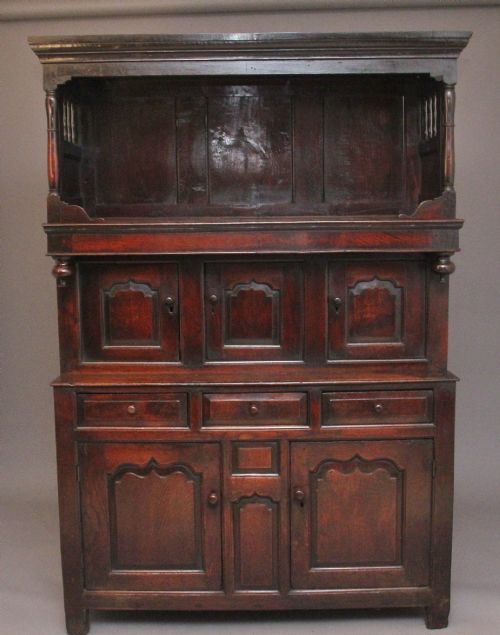


Carved Oak Welsh Dresser
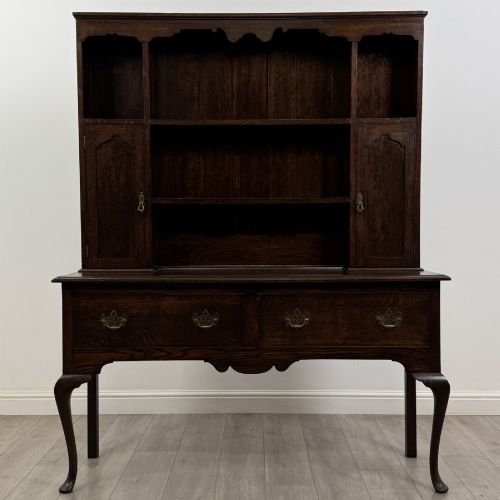
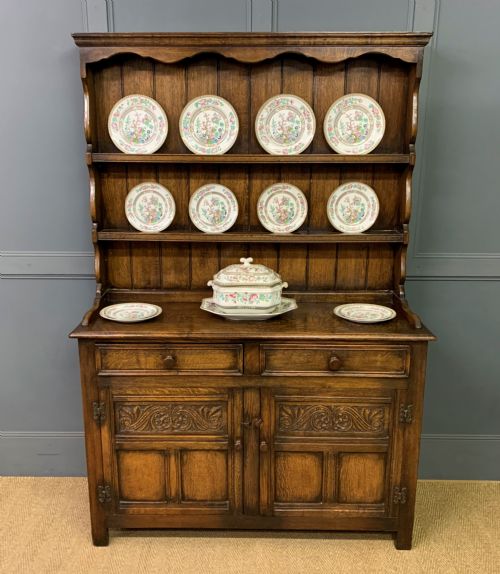
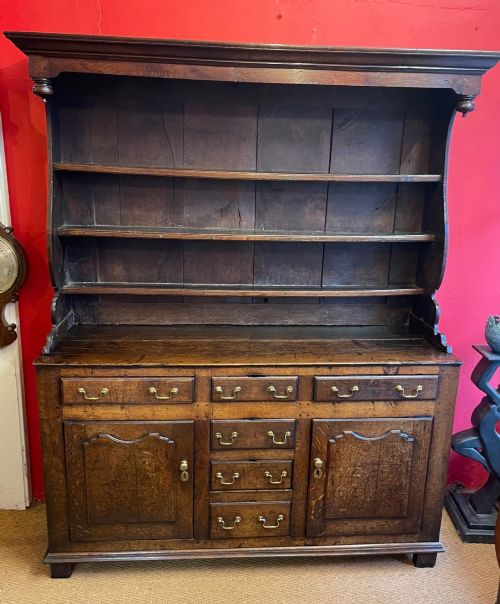
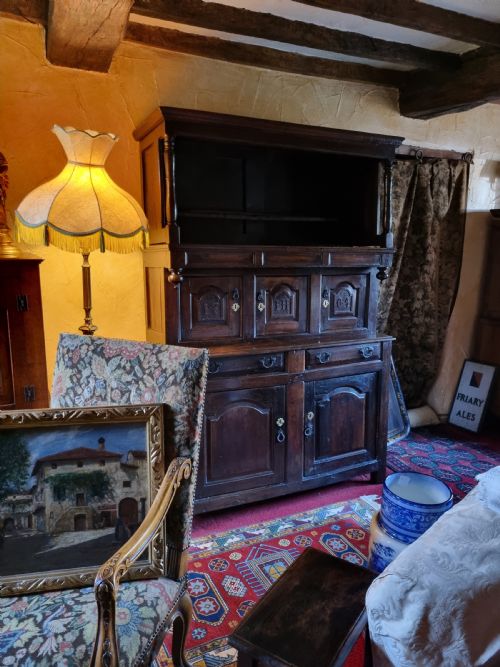
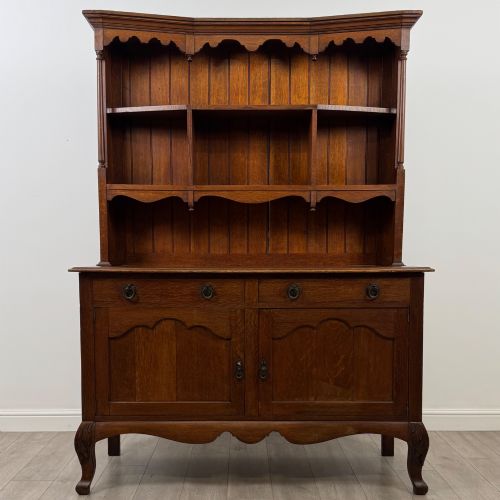
A carved oak welsh dresser anchors a room with its deep grain and tall plate rack, offering both display space and generous storage.
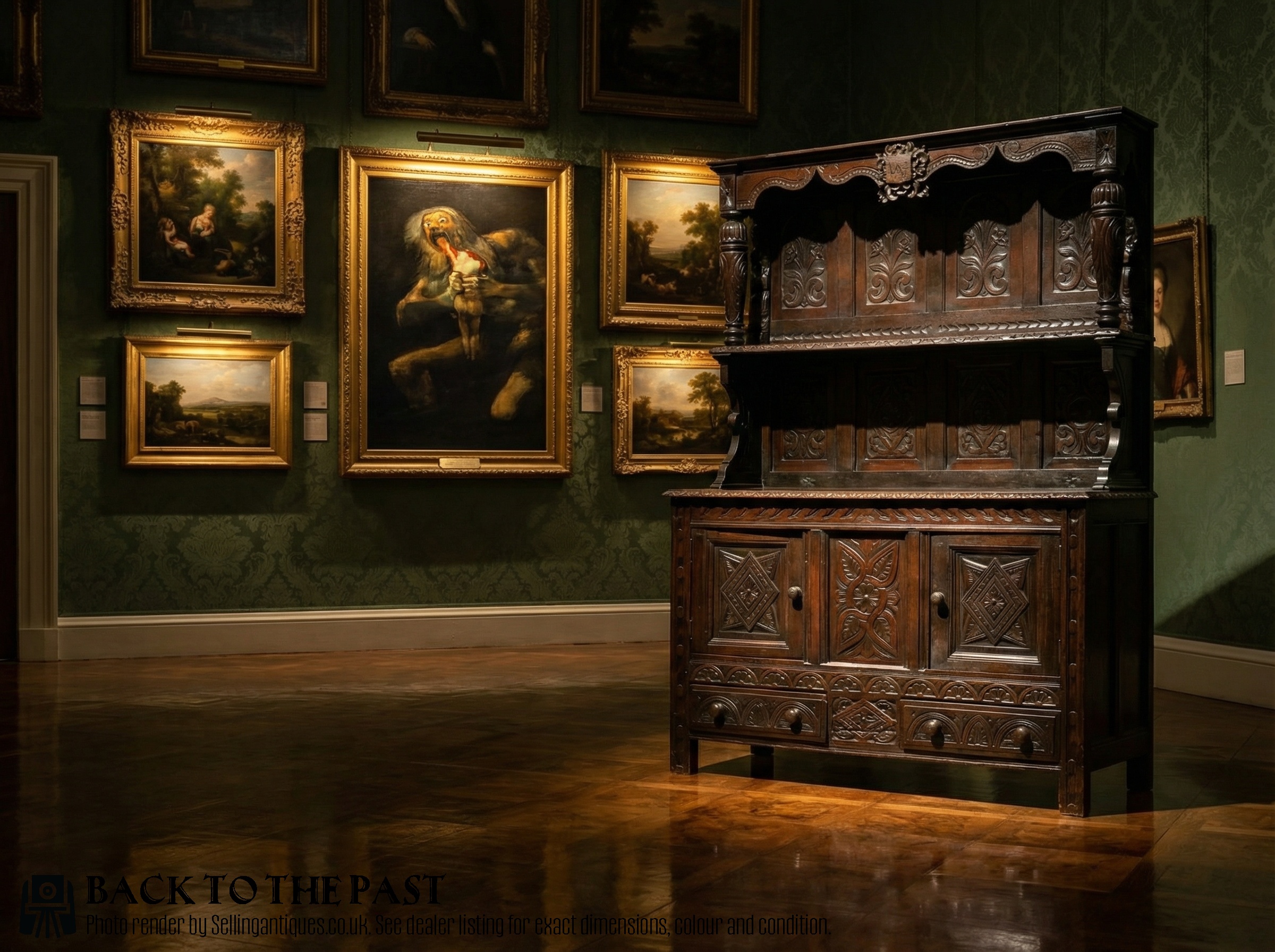
Carved Oak Welsh Dresser
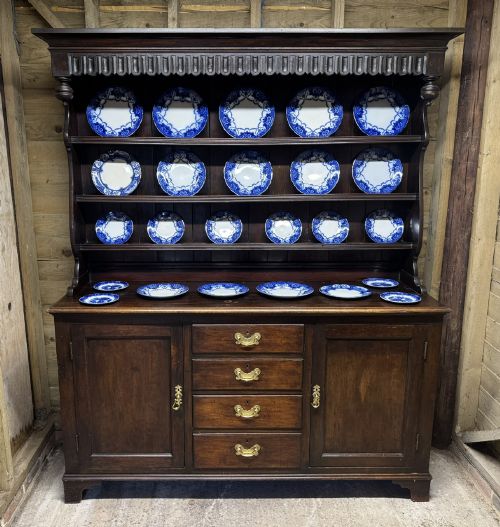
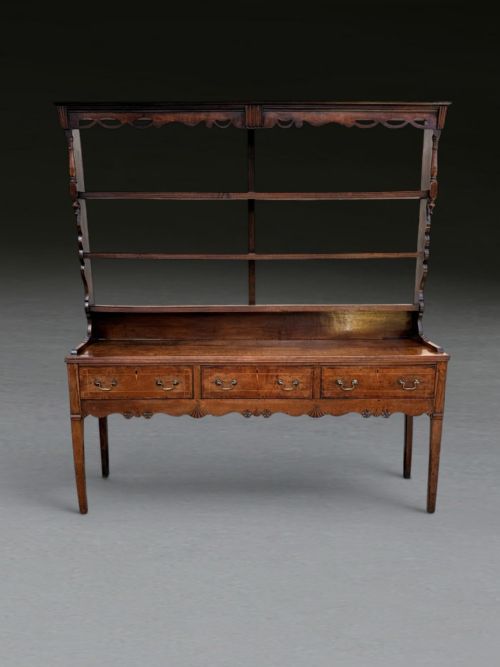
A carved oak welsh dresser combines a lower storage base of drawers and cupboards with an upper plate rack for displaying ceramics and pewter. These sturdy kitchen and dining pieces stem from centuries of rural craftsmanship, evolving from utilitarian utility furniture into focal storage points.
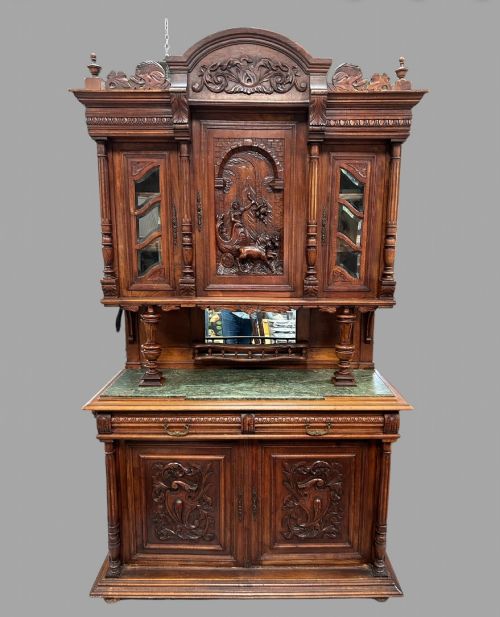
The pieces appearing on this page span several distinct periods, most notably the eighteenth and nineteenth centuries, alongside later Edwardian and Victorian revivals. Examples range from simple country formats to elaborate forms featuring Jacobean style motifs and intricate green man carvings.
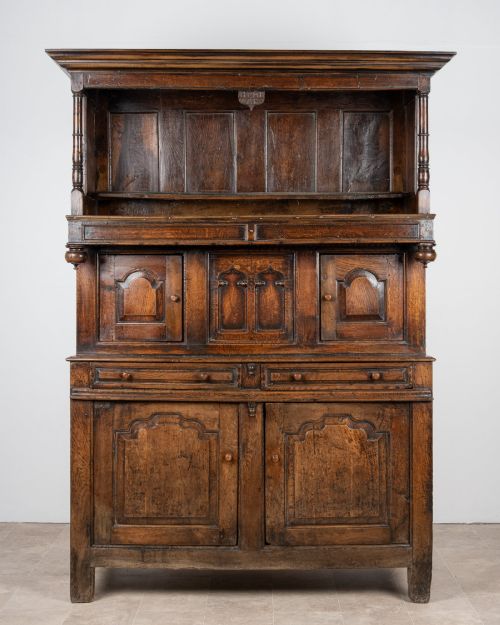
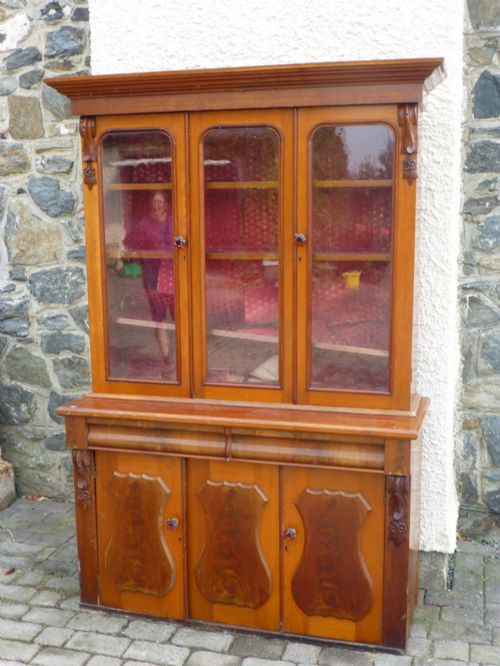
Regional variations include traditional Welsh forms such as the cwpwrdd tridarn and deuddarn, alongside classic Georgian country designs and English farmhouse variants. Buyers encounter everything from open-backed platerack dressers to glazed bookcase cupboards and low dresser bases.
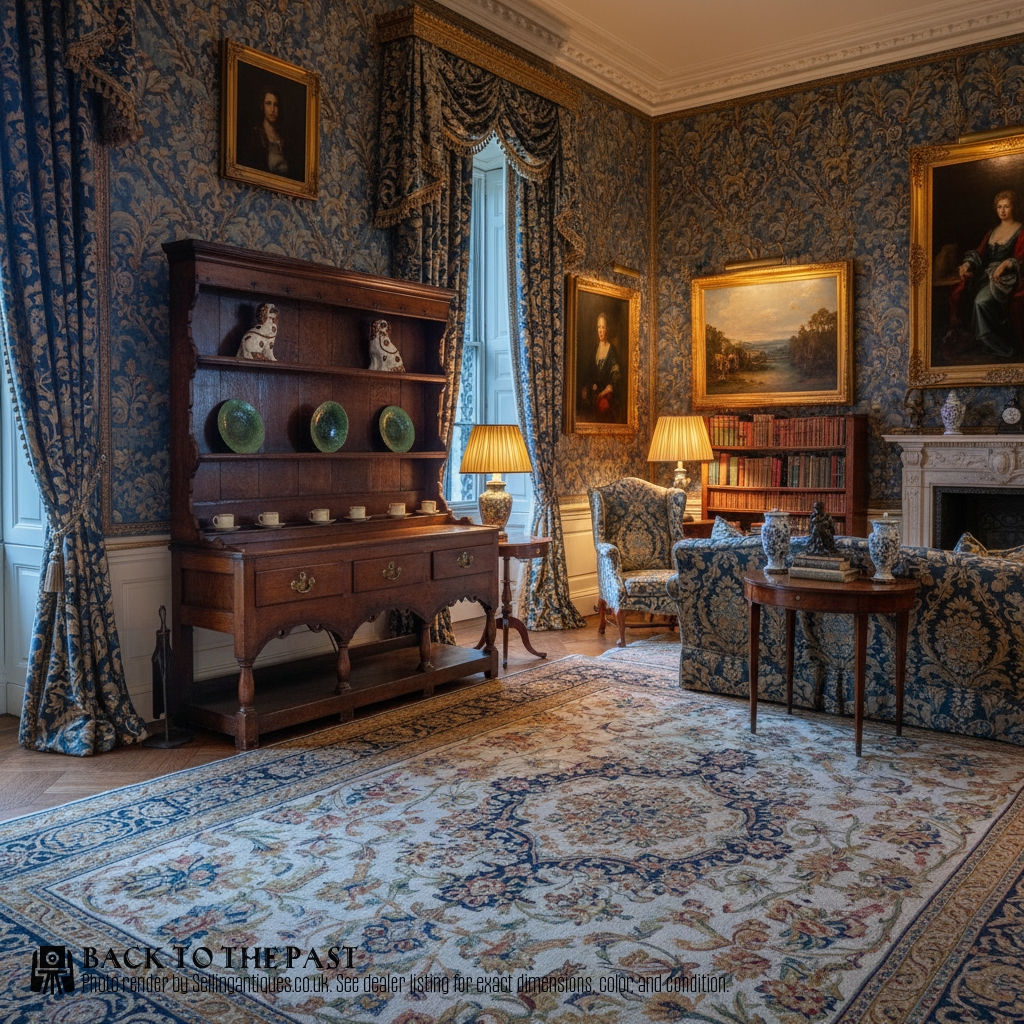
Materials and Construction Techniques
Solid oak serves as the primary structural material, complemented by secondary timbers like mahogany and walnut in select decorative elements. Metal hardware utilises brass for handles and escutcheons, alongside iron fixtures and lead in glazed cabinet doors.
Construction relies on traditional joinery methods suited to heavy timbers, including pegged mortise and tenon joints for frames and dovetailed drawer construction. Carved ornamentation is hand-chiselled directly into the solid wood surfaces, utilising styles from geometric panels to figurative relief work.
Carved Oak Welsh Dresser Retail Price Guide 2026
Typical asking prices for carved oak welsh dresser among the pieces listed under this phrase on Sellingantiques today, from the lower quarter to the upper quarter. They describe what is for sale here now, not the wider market.
Listings feature oak dressers spanning the eighteenth, nineteenth, and twentieth centuries, utilising brass, iron, glass, and walnut alongside the primary timber.
Assessing Quality and Character
Quality rests in the integrity of the timber and the depth of the hand-carved detailing, where crisp, confident chisel work distinguishes superior pieces from later mechanical imitations. The quality of the oak grain, patination built through centuries of use, and original surface finishes elevate certain examples.
Proportion and structural balance also dictate standing, as well as the retention of original brass hardware, glass panels, and matching upper plate racks. Pieces retaining their early boarded backs and untouched timber surfaces hold greater authenticity.
Heals of London
The Carved Oak Welsh Dresser Glossary
- Cwpwrdd Tridarn
- A traditional Welsh three-tier cupboard featuring a central recessed section enclosed by doors. These large storage pieces date predominantly to the eighteenth century.
- Cwpwrdd Deuddarn
- A traditional Welsh two-section oak cupboard used for household storage. They typically feature panelled upper and lower doors.
- Plate Rack
- The wooden shelving superstructure attached to the top of a dresser base. It is designed to display plates and platters upright.
- Belly Rack
- A regional dresser form featuring a bowed or swelling central cupboard arrangement within the lower base section.
- Dresser Base
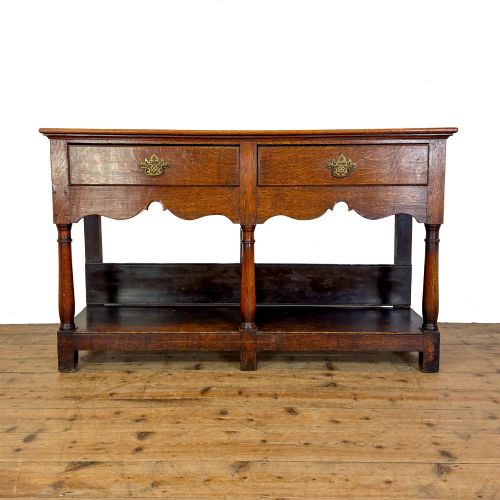
- The lower portion of a dresser comprising drawers and cupboards without the upper plate rack superstructure. They function well as standalone sideboards.
Carved Oak Welsh Dresser: Frequently Asked Questions
What is a welsh dresser?
A welsh dresser is a traditional kitchen or dining room furniture piece combining a base cabinet with drawers and cupboards and an upper display rack for plates. They were historically used to store and display household provisions and tableware.
Over centuries, regional cabinetmakers adapted the form with local timber and carving styles, creating distinctive regional variants across Wales and England.
How do I date an oak dresser?
Dating relies on examining construction techniques, timber characteristics, hardware, and stylistic motifs. Eighteenth-century examples often feature pegged joinery, hand-carved panels, and vernacular proportions.
Later Victorian and Edwardian pieces frequently incorporate revival styles like Jacobean carving or Arts and Crafts simplicity, utilising machine-sawn timbers alongside older techniques.
Are all welsh dressers made of oak?
While solid oak is the predominant timber for traditional pieces, makers occasionally incorporated secondary woods like mahogany and walnut for banding or decorative details. Iron and brass hardware further supplemented the primary timber construction.
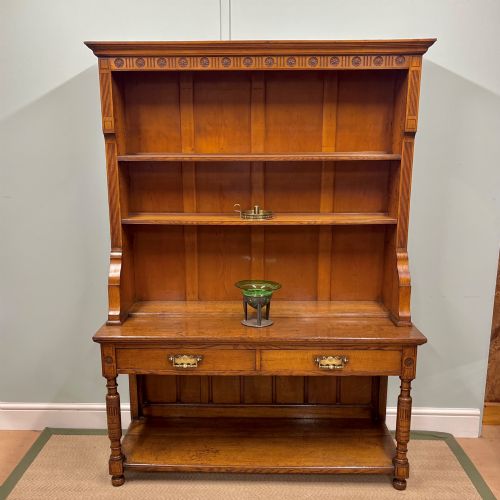
Revival pieces from later centuries also utilise oak varieties, including golden oak and tiger oak, depending on the prevailing aesthetic of the workshop.
How do I live with an antique dresser?
An antique dresser functions as a practical storage and display unit for modern dining rooms, kitchens, or living spaces. The deep drawers and cupboards accommodate tableware and linens, while the plate rack showcases ceramics.
Placement should avoid direct sunlight and extreme humidity fluctuations to protect the antique timber and preserve the historic wax or polished finish.
What is the difference between a tridarn and a deuddarn?
A tridarn is a distinct three-tier Welsh cupboard featuring a canopy supported by turned posts above a middle recessed section and lower base. They represent some of the most substantial vernacular oak forms.
A deuddarn is a two-tier version comprising upper and lower cupboard sections without the distinct three-tier superstructure.