



Brown Glazed Pottery Figure
These brown glazed pottery figure pieces bring character to a room, ranging from Staffordshire animals to Chinese Shiwan lions.
Brown Glazed Pottery Figure
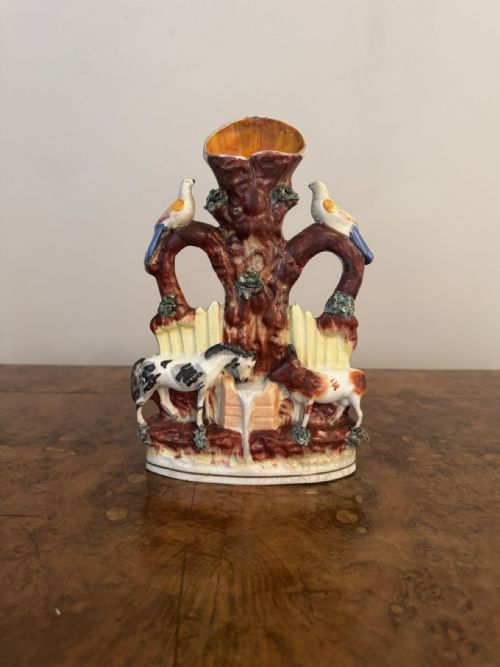
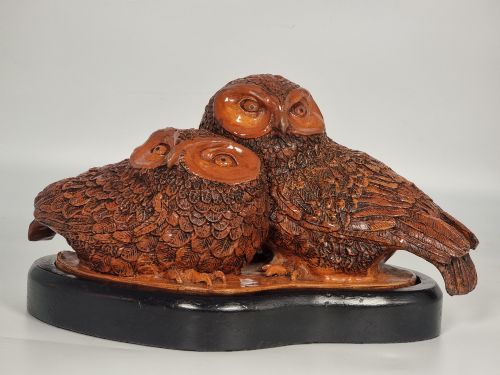
A brown glazed pottery figure brings together centuries of animal and human representation across earthenware, stoneware and terracotta bodies. When you explore this selection, you encounter subjects ranging from Victorian Staffordshire dogs and lions to Chinese Shiwan Buddhistic lion dogs and Tang Dynasty style sancai glazed groups.
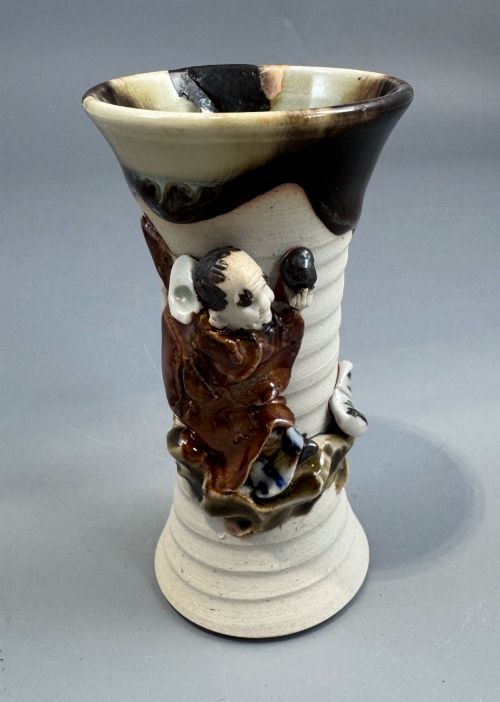
The pieces on this page span several centuries, with a strong representation of nineteenth century Staffordshire pottery alongside Japanese Meiji period Sumida Gawa wares and eighteenth century pearlware. Forms include decorative figurines, spill vases, bookends and figural groups that served ornamental roles in period interiors.
Makers and regional potteries represented include English firms such as Wedgwood and Lancaster and Sons, alongside continental European faience and Asian kilns. Collectors find everything from Staffordshire greyhounds to Dutch Rozenburg figures within these listings.
Materials and production methods
Potters shaped these figures using earthenware, stoneware, terracotta and pearlware bodies, often building them through hand sculpting or moulding before firing. The resulting ceramic forms provided a stable base for the distinctive surface treatments.
Glazing techniques defined the visual finish, utilising lead glazes, treacle glaze and sancai glazes to achieve deep brown and amber tones. Some pieces incorporated applied figures and polychrome enamel details over the primary glaze layer.
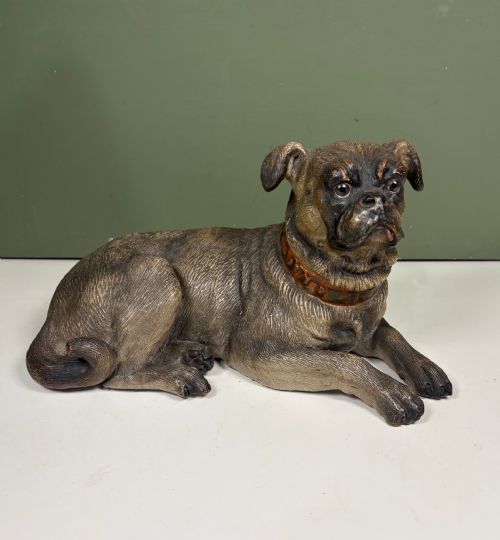
Staffordshire pugs and spaniels gaze out from nineteenth-century mantelpieces with an endearing solemnity that captivated Victorian households.
Assessing quality and execution
The sophistication of the ceramic body and the richness of the lead or treacle glaze distinguish finer decorative objects from simpler production wares. Balance in pairs and the preservation of original enamel highlights further elevate the standing of a piece.
Wedgwood and Co·Lancaster and Sons·Inoue Ryōsai Workshop·Rozenburg
The Brown Glazed Pottery Figure Glossary
- Pearlware
- A refined earthenware developed in the eighteenth century featuring a thin glaze over a slightly bluish body. It formed the base for many classic Staffordshire animal figures.
- Treacle glaze
- A dark, rich brown lead glaze that created a glossy, translucent surface on nineteenth century pottery. Potters utilised it extensively on lions and pugs.
- Shiwan pottery
- Chinese ceramic ware known for expressive figures and heavy, complex glazes produced in Guangdong province. These works often depict lions, tigers and mythical figures.
- Sancai
- A three-colour glaze tradition associated with Chinese pottery, using amber, green and cream tones. It appears on Tang Dynasty style figural groups.
- Spill vase
- A hollow figural ceramic designed to hold wooden matches for lighting fires or candles. They combined domestic utility with ornamental modelling.
Brown Glazed Pottery Figure: Frequently Asked Questions
What is a brown glazed pottery figure?
A brown glazed pottery figure is a ceramic ornament moulded or sculpted into an animal, human or mythical shape and finished with a dark amber, treacle or brown glaze.
These pieces encompass Victorian Staffordshire dogs, Chinese Shiwan lions and Japanese Sumida Gawa wares designed for display.
How do I date a Staffordshire figure?
Dating relies on stylistic markers, base types, glaze characteristics and the specific type of ceramic body used, such as pearlware or later earthenware.
Nineteenth-century examples often feature flat bases or ebonised stands, while eighteenth-century pearlware pieces display distinct blue-tinted glazes beneath hand-painted details.
Where were Shiwan pottery figures made?
Shiwan pottery figures originated in the kilns of Shiwan near Guangzhou in China, known for producing expressive figures and rich, heavy glazes.
These works include Buddhistic lion dogs and tigers created during the late nineteenth and early twentieth centuries.
How should I display antique pottery figures?
Antique pottery figures need stable shelving away from direct sunlight and sudden temperature shifts to protect their glaze and ceramic bodies.
Pair figures, such as greyhounds or lions, look best displayed symmetrically on mantelpieces, sideboards or dedicated cabinets.