
Brown Floor Clock
A brown floor clock stands as a towering piece of horological history, bringing mechanical precision and architectural presence into a room.
Brown Floor Clock
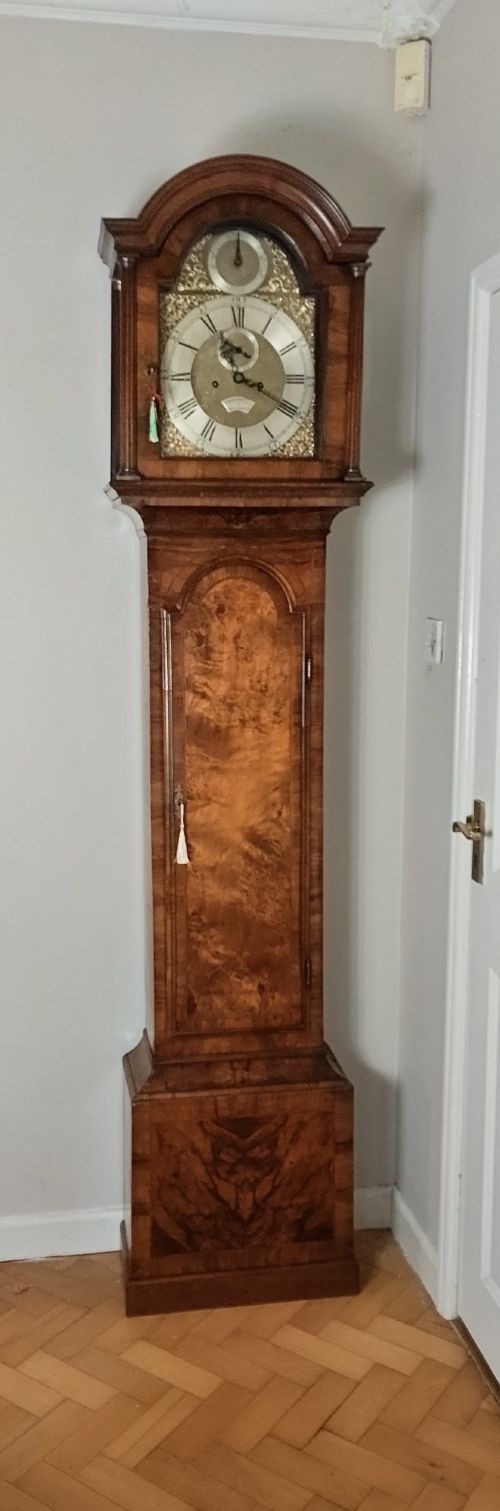
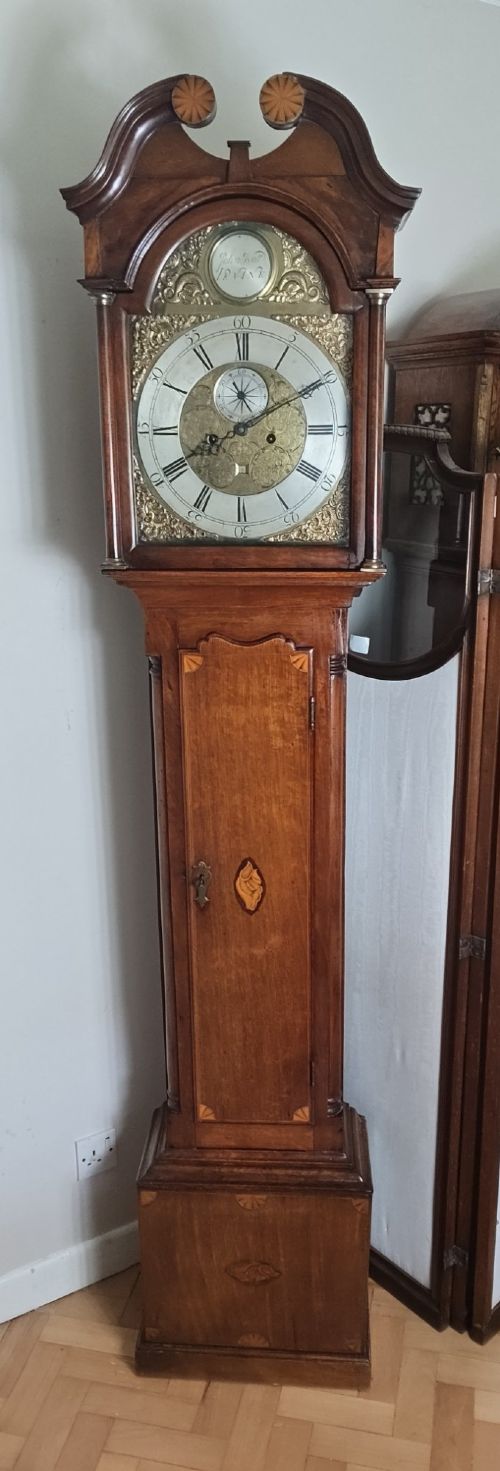
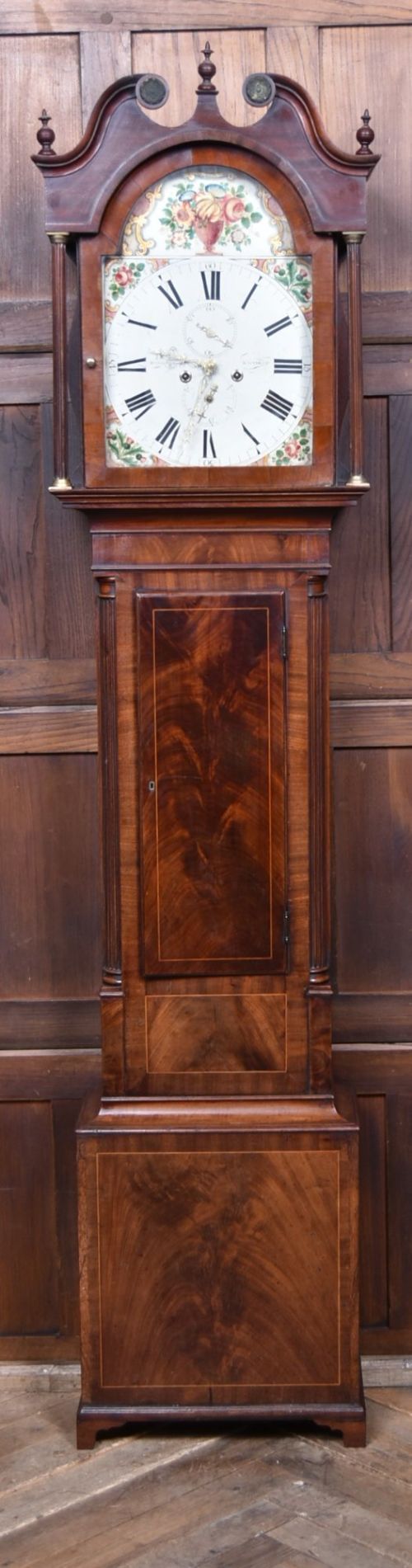
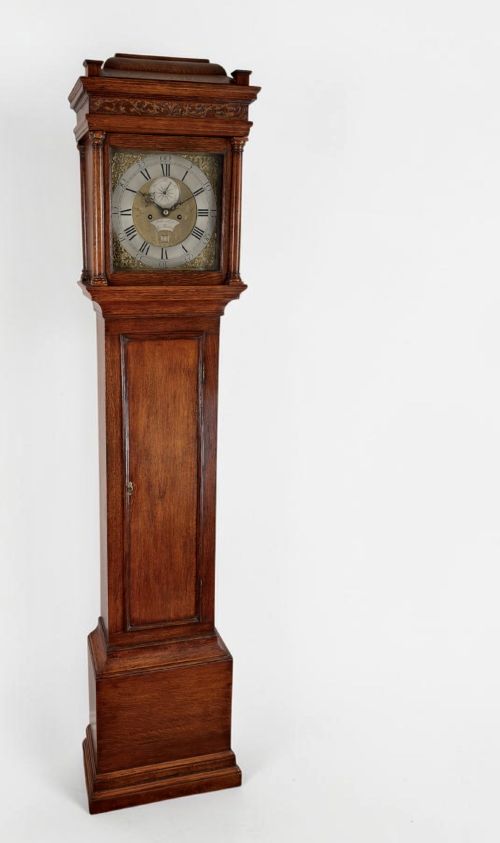
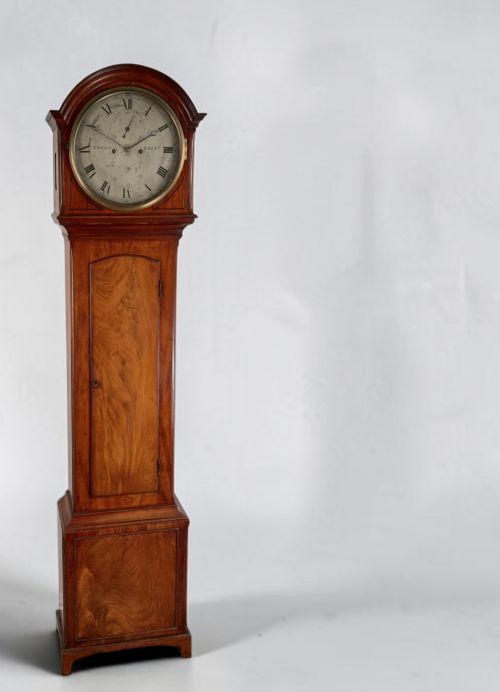
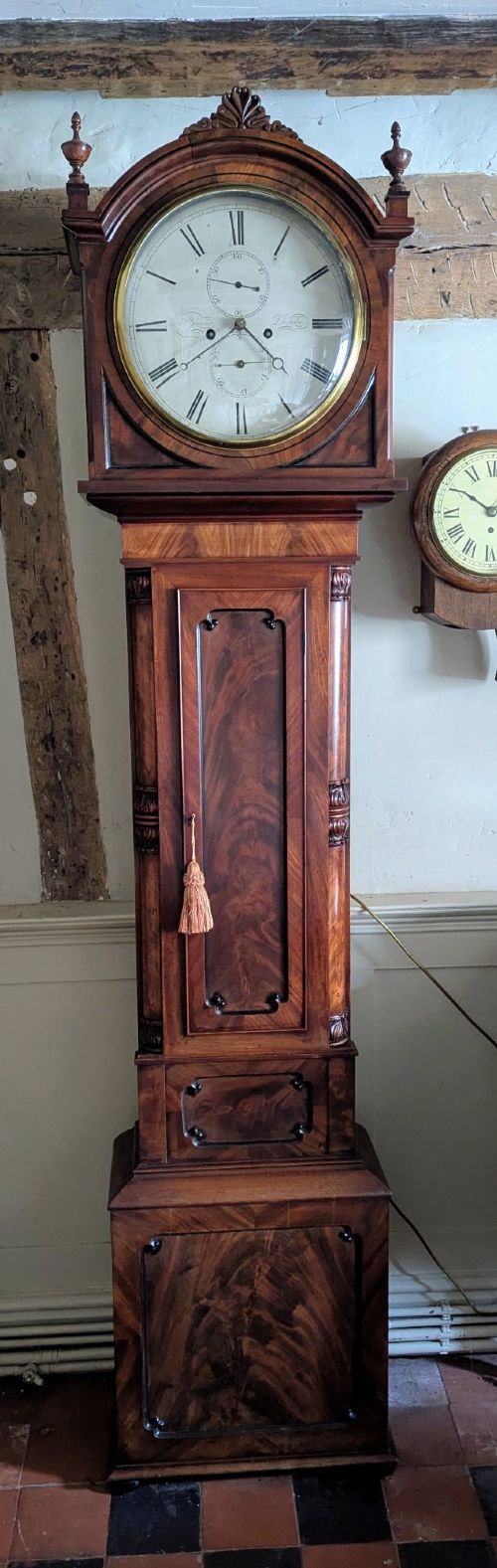
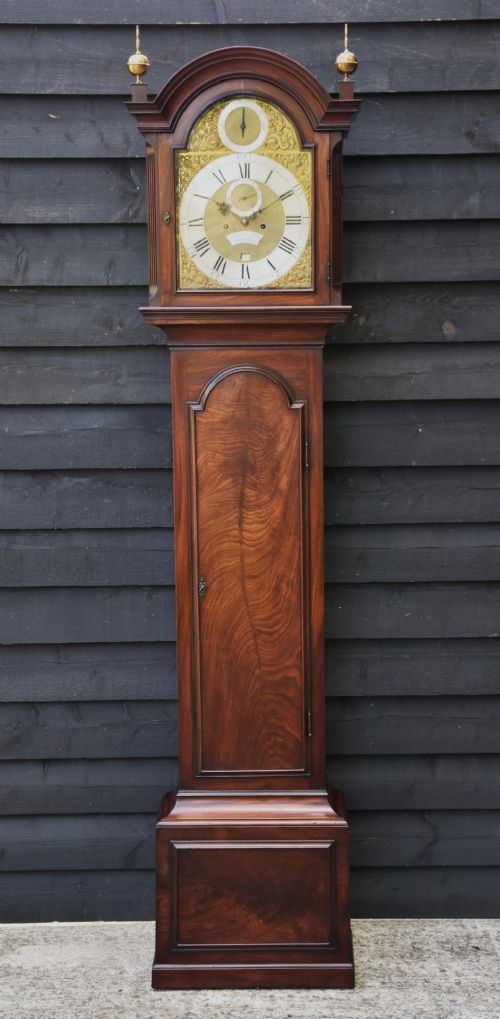
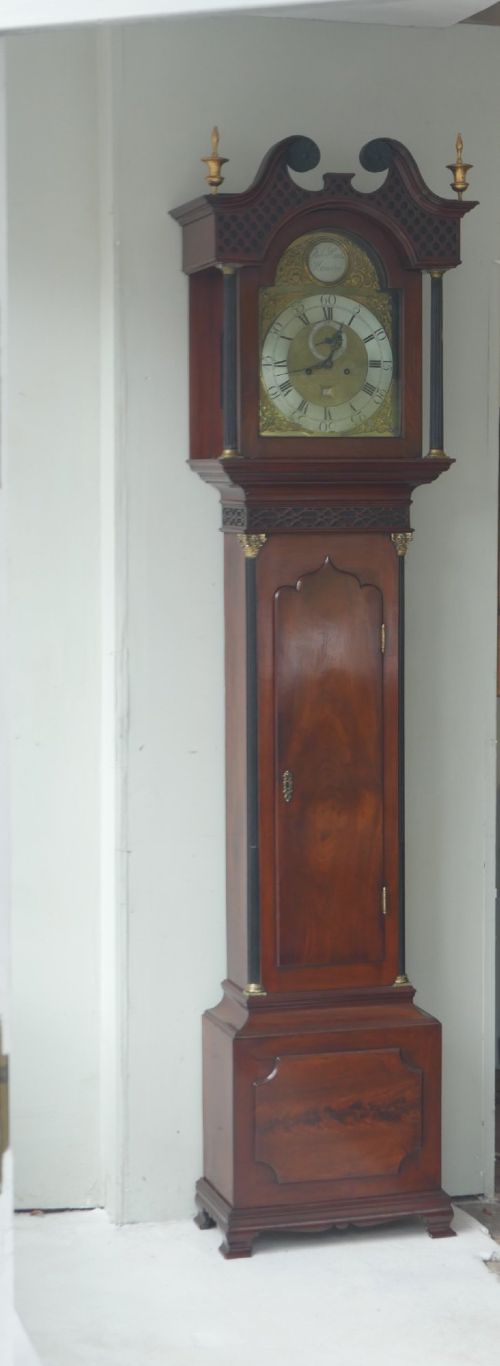
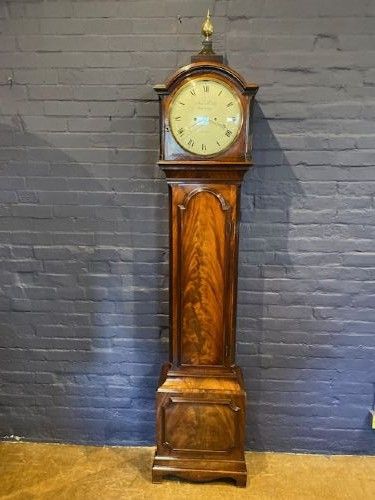
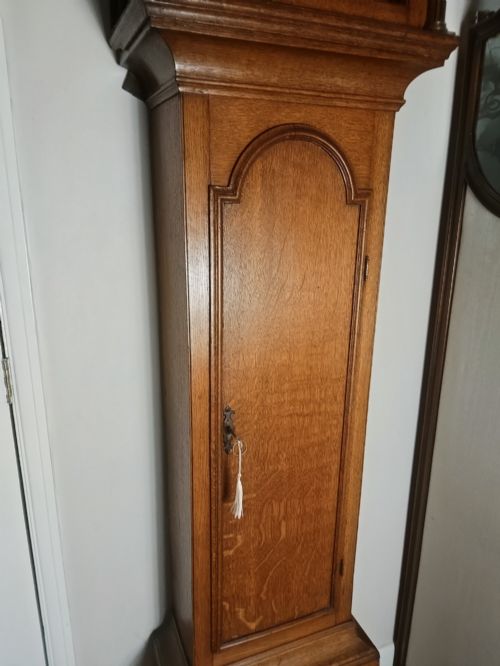
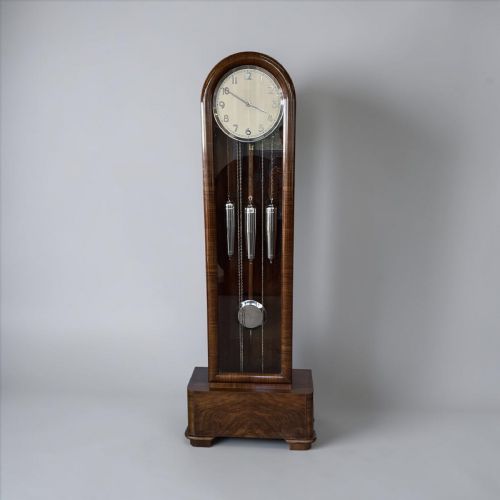
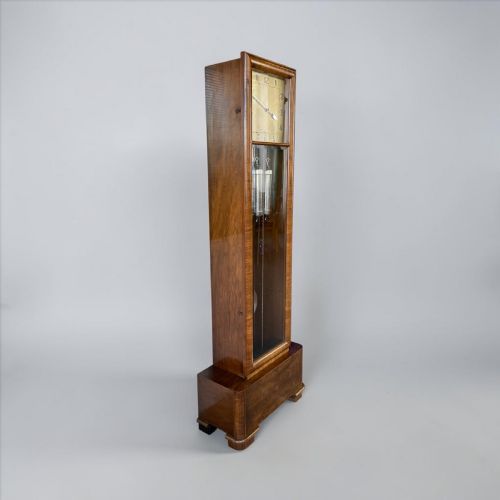
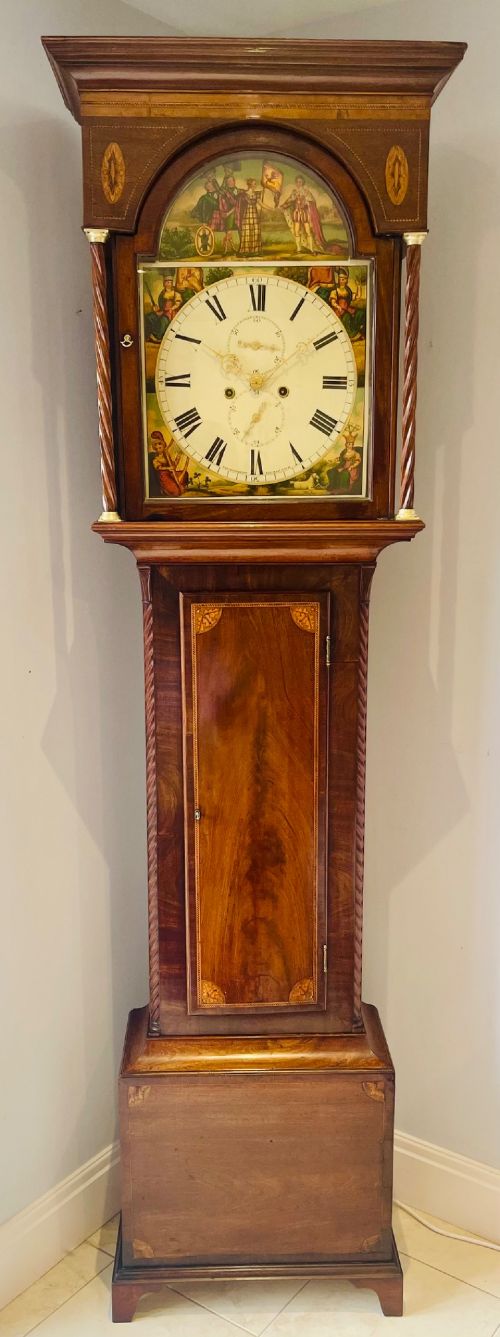
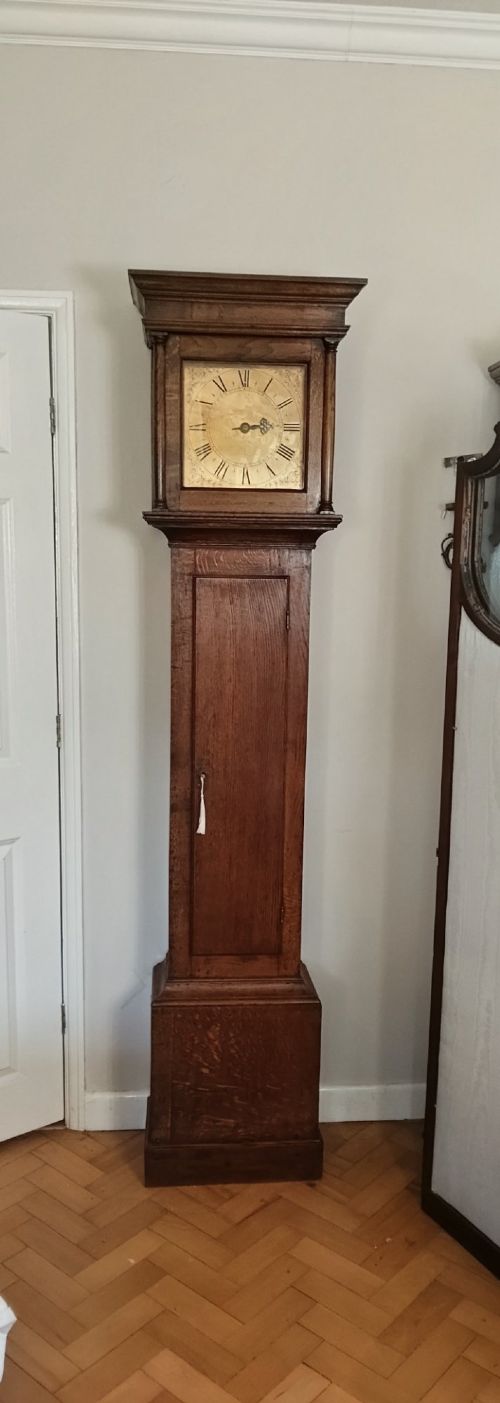
A brown floor clock, often encountered as a grandfather clock, longcase clock, or smaller grandmother clock, anchors a room with its vertical proportions and rhythmic movement. When browsing this selection, you primarily encounter mahogany and oak pieces spanning the Georgian, Victorian, and Edwardian periods, alongside later Art Deco examples.
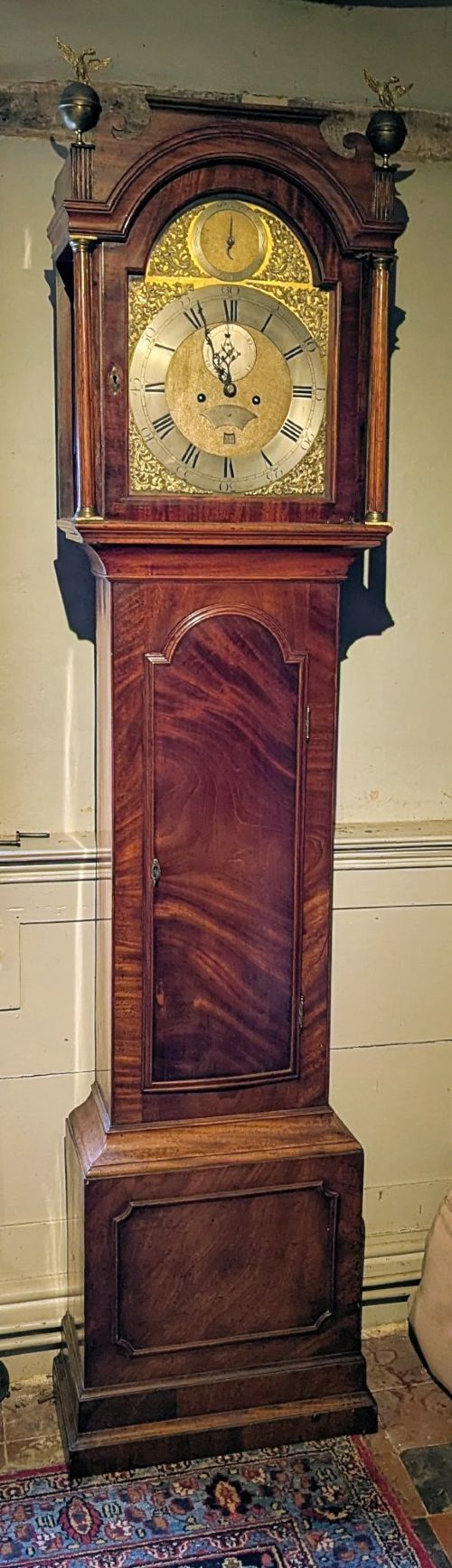
The form encompasses tall case clocks featuring brass dials, moon roller mechanisms, and eight-day movements housed in timber cabinetry. Makers from London, provincial towns, and Scotland shaped these timepieces to serve as both domestic timekeepers and statement furniture.
Materials and Construction
Cabinetmakers utilised dense timbers such as mahogany, oak, and burr walnut to construct the tall cases, frequently incorporating brass for dial faces, bezels, and decorative mounts. Glass doors protect the swinging pendulum and weights within the trunk, while painted iron appears on later dials.
Joinery techniques combined solid timber boards with framed doors and moulded hoods, designed to shield the delicate brass and steel gear trains from dust and environmental changes.
Regional Scottish longcase clocks appear alongside English pieces from London, Chester, and provincial workshops.
Quality and Craftsmanship
The distinction between ordinary and exceptional brown floor clocks lies in the sophistication of the movement and the crispness of the cabinetwork. Clocks featuring strike-silent mechanisms, moon phase rollers, or musical chime configurations represent a higher tier of horological ambition.
Cabinet quality separates standard production from superior work through the selection of figured wood veneers, such as flame mahogany or burr walnut, and the delicate execution of inlay work and brass dial engraving.
Hendrie Ogg·Lee of Great Marlow·Green of Edinburgh·James McCabe·Handley and Moore·Winsor Bishop Norwich·D Williams of Crickhowell·William McEwan·Thomas Webbe·Edward White Birmingham·Edin Burgis
The Brown Floor Clock Glossary
- Longcase clock
- A tall, weight-driven pendulum clock housed in a wooden case with a waist and a hood.
- Grandmother clock
- A smaller, more slender version of the traditional longcase clock, typically produced in the twentieth century.
- Moon roller
- A mechanism on the dial that tracks the phases of the lunar cycle through a rotating painted disc.
- Regulator
- A precision pendulum clock designed to maintain highly accurate timekeeping, often used as a standard for setting other clocks.
Brown Floor Clock: Frequently Asked Questions
How do I wind a longcase clock?
Winding involves using a crank key to draw up the weights suspended inside the trunk. Care must be taken not to overwind the brass mechanism.
Most eight-day movements require weekly attention, while thirty-hour versions need daily winding.
Where should I place a floor clock?
Position the piece against a sturdy interior wall away from direct sunlight, heating vents, and damp areas. A stable floor ensures the pendulum swings evenly.
Level the case using its feet to prevent the escapement from ticking unevenly.
What is the difference between oak and mahogany cases?
Oak cases generally date from earlier periods like the seventeenth and eighteenth centuries, displaying prominent grain patterns and robust construction. Mahogany became favored in the Georgian era for its rich reddish-brown tone and suitability for fine veneers.
Both timbers provide the structural stability required to house heavy movements.
How do I tell a Georgian clock from a Victorian one?
Georgian examples typically feature square or arched brass dials with engraved details and simpler proportions. Victorian pieces often incorporate more ornate carving, musical chimes, or drum head dial designs.
Examination of the movement construction and timber finish further clarifies the period of manufacture.