
Antique Chiming Floor Clock
An antique chiming floor clock brings weight and resonance to a room, offering both traditional timekeeping and deep-toned melody.

Identifying an antique chiming floor clock
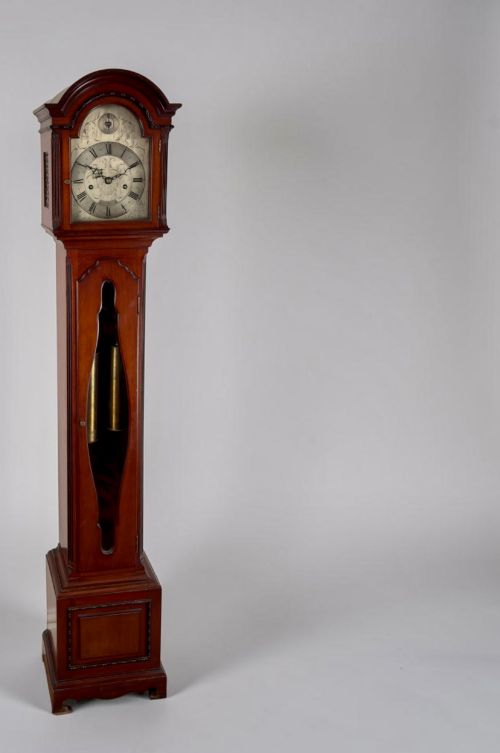
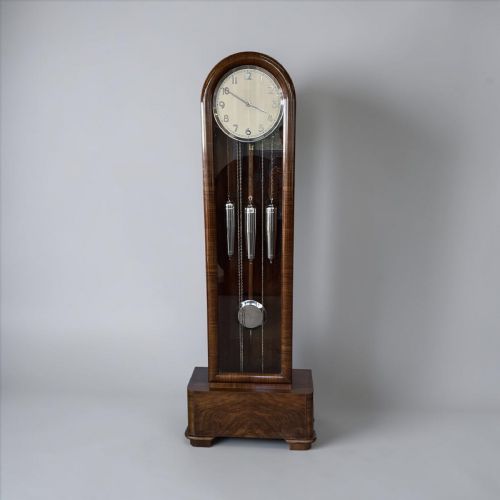
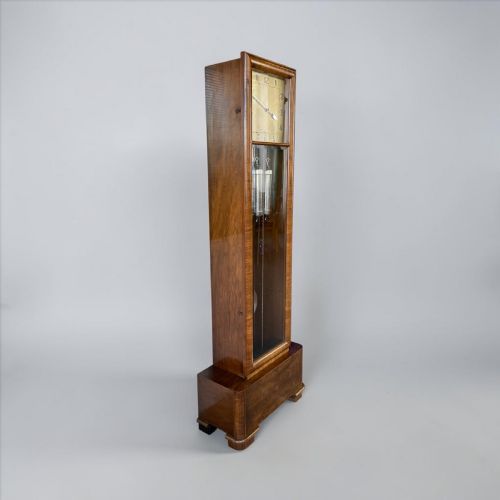
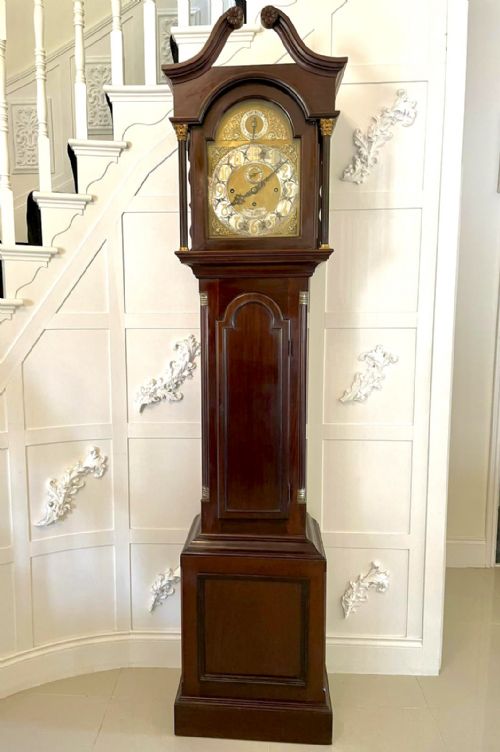
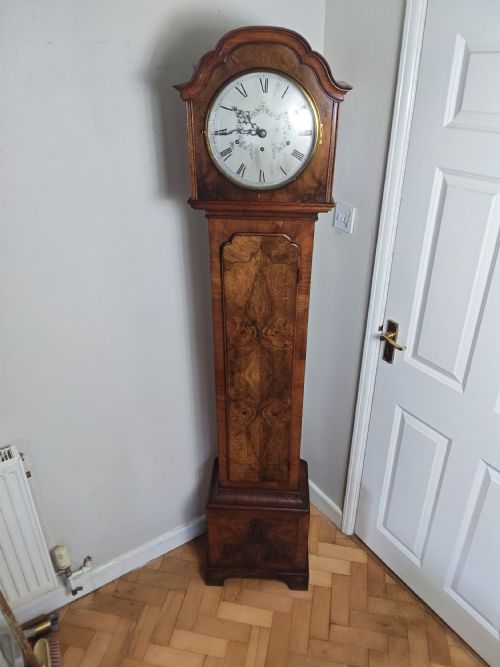
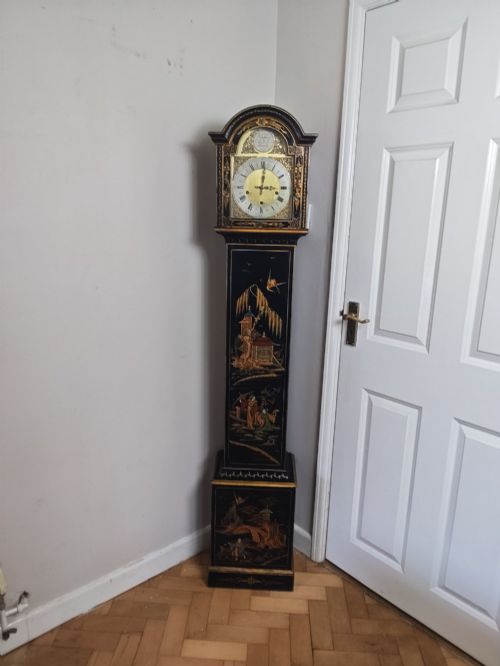
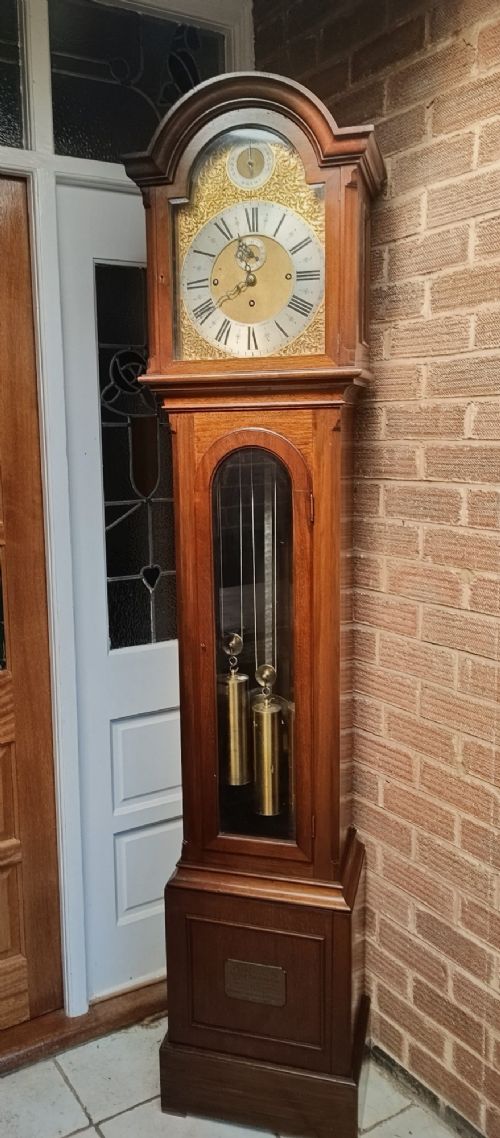
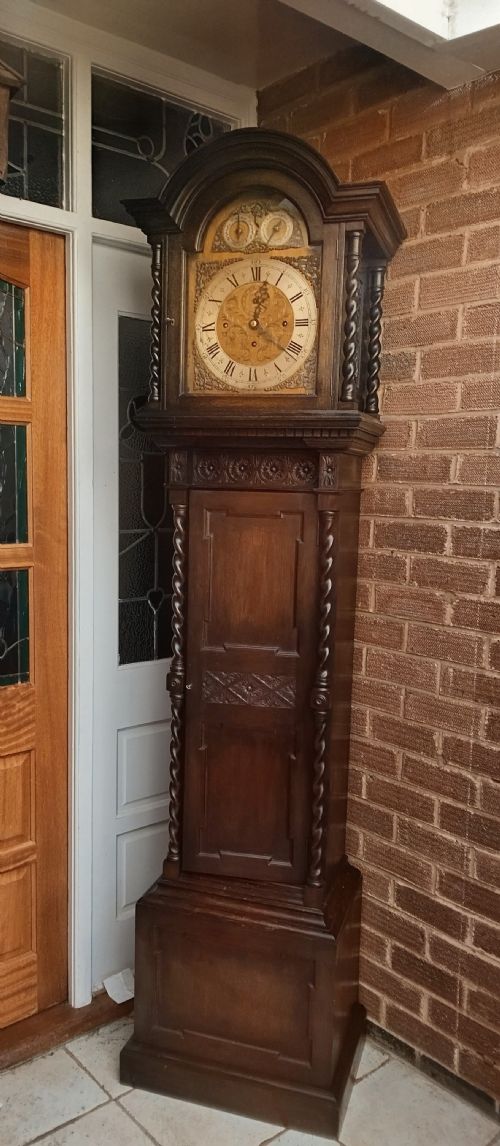
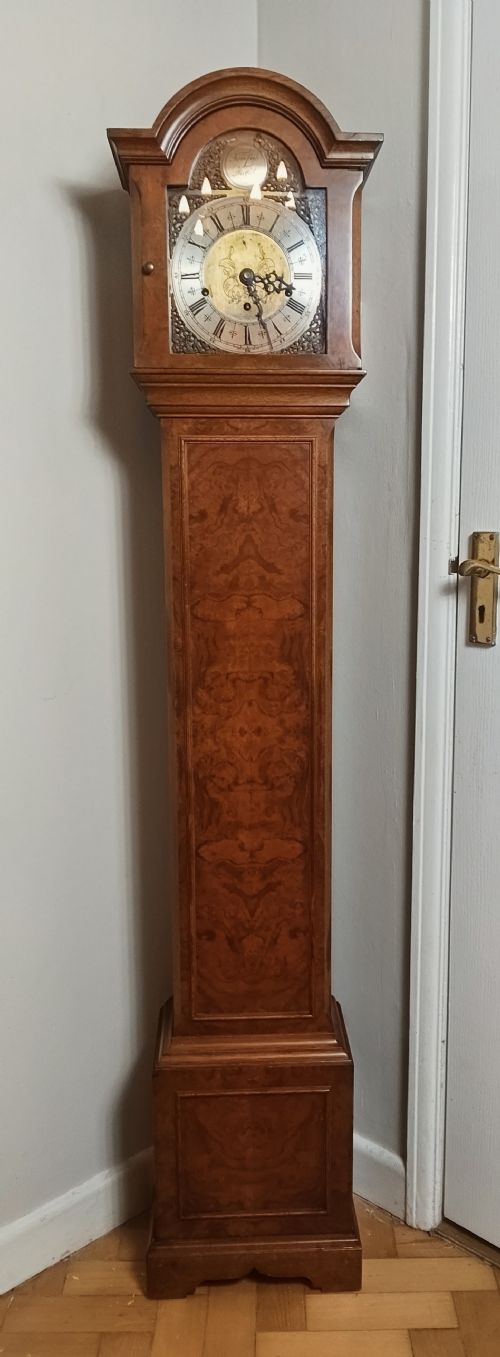
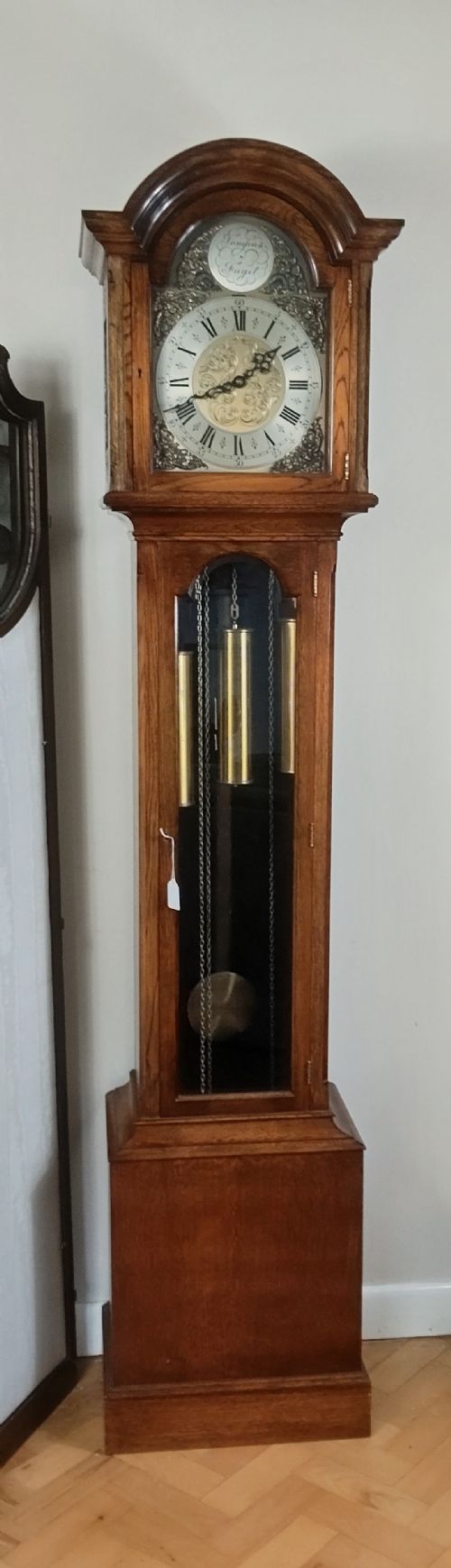
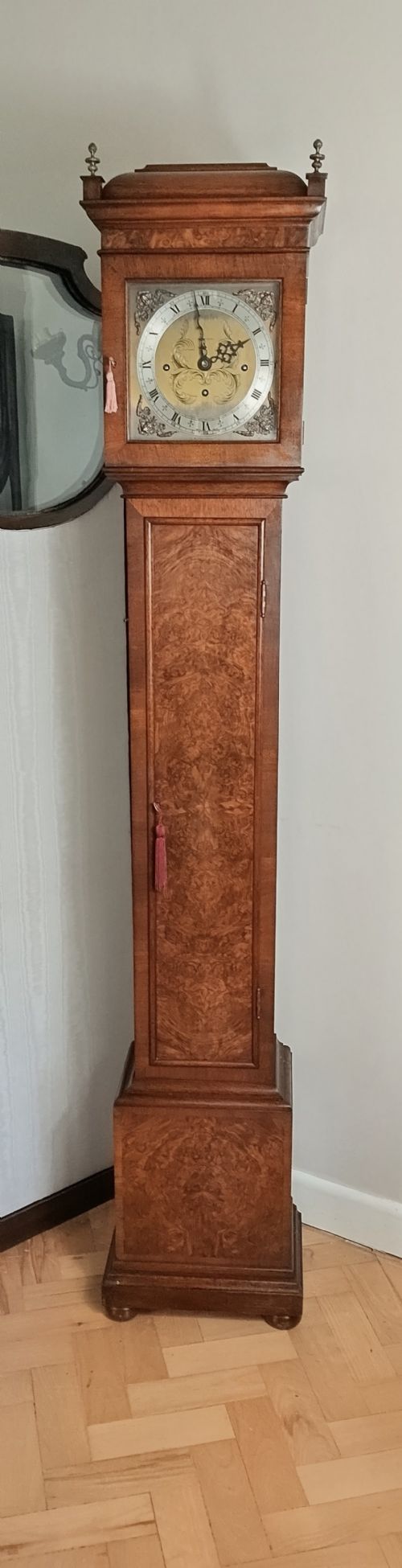
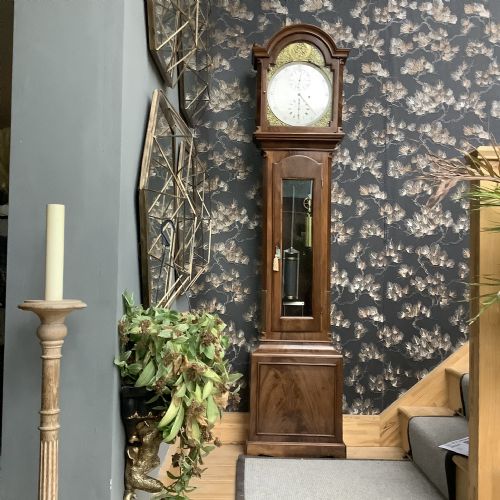
An antique chiming floor clock, commonly known as a grandfather or longcase clock, stands tall and encloses a pendulum and weights within a wooden case. These pieces emerge from the nineteenth and early twentieth centuries, spanning periods such as the Georgian style, Victorian revival, and Edwardian eras. Visitors to this page encounter substantial standing timepieces that trace their origins from the early 1800s through to 1930.
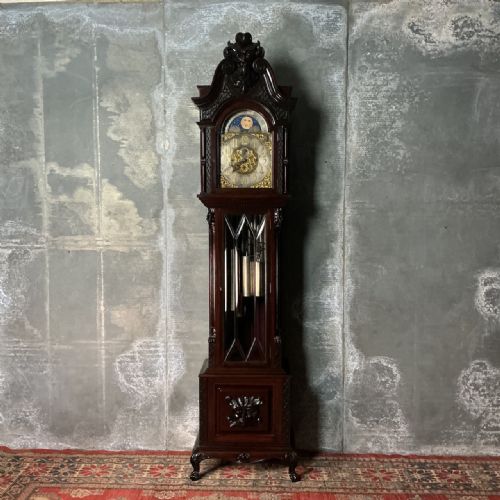
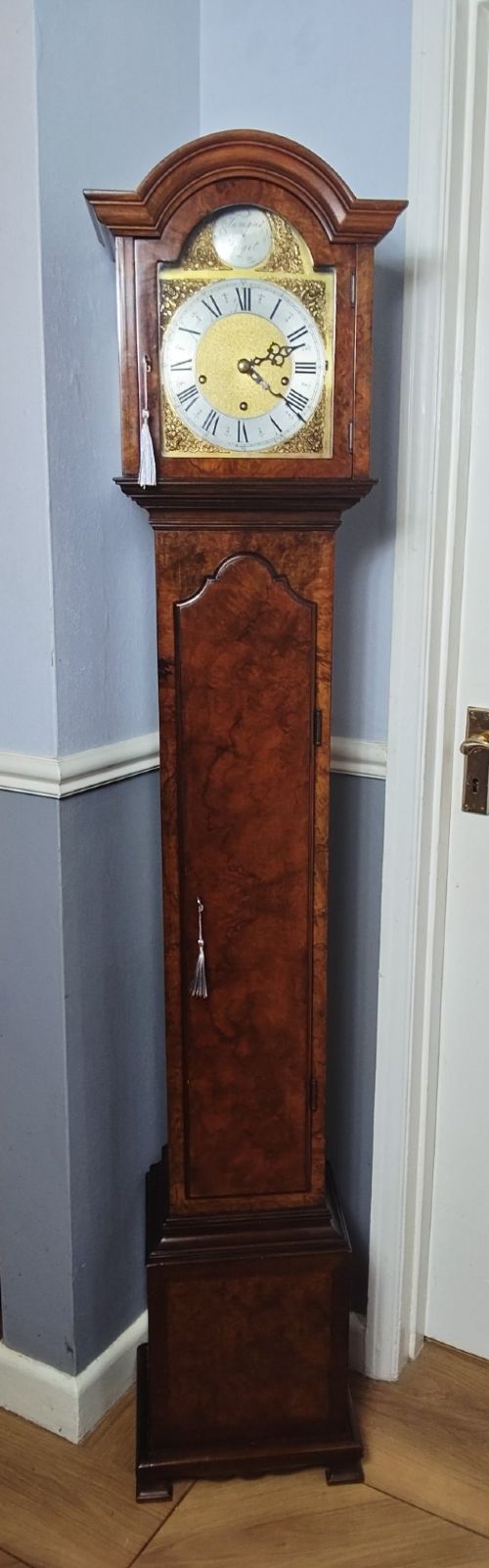
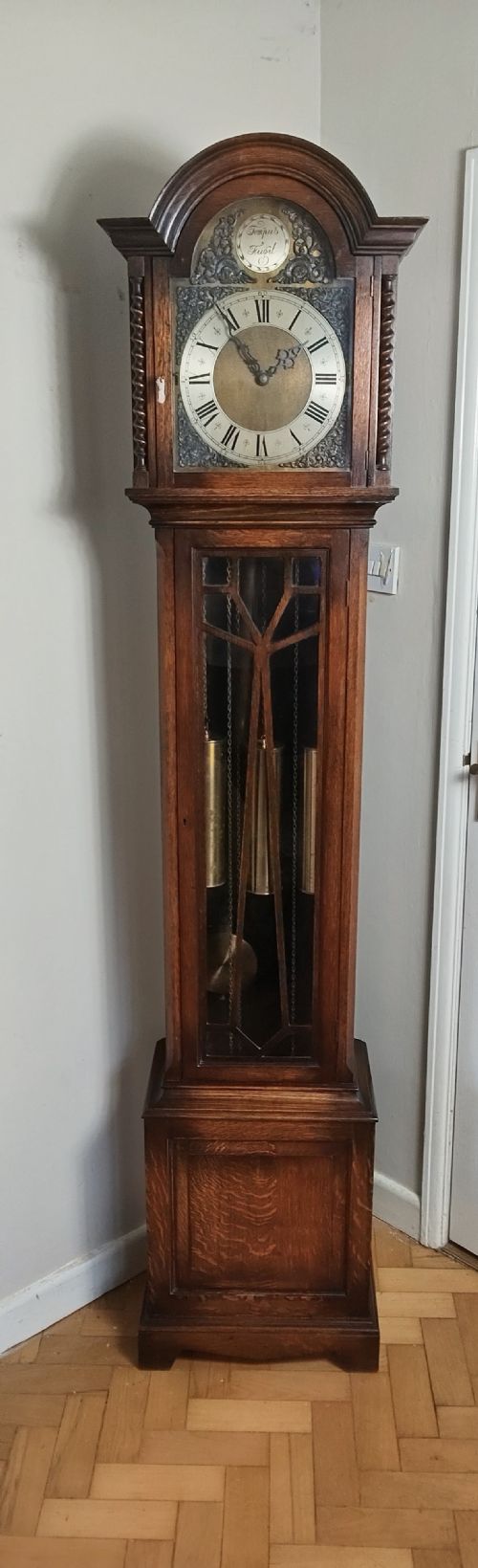
The assortment on this page includes variations such as standard longcase clocks, grandmothers, and nine-bell tubular models. Cases range from inlaid mahogany and figured burr walnut to warm oak, while dials feature painted iron or brass faces. Each standing clock reflects the domestic aspirations of its period through distinct architectural proportions and acoustic mechanisms.

Construction and materials
Cabinetmakers utilised robust timber such as mahogany, oak, walnut, and satinwood to construct the towering wooden housings. Cases frequently display fine grain patterns, particularly in burr walnut examples, alongside delicate stringing and marquetry inlay in Edwardian pieces.
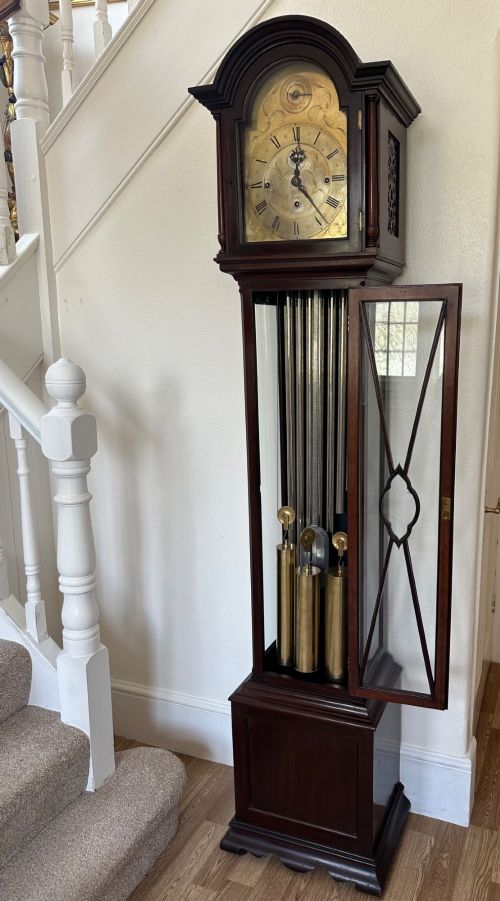
The internal mechanics rely on heavy brass movements, complex gear trains, and precision balancing to drive both the timekeeping hands and the chiming hammers. Bells, gongs, and tubular systems of varying sizes are mounted inside the upper trunk to produce the resonant acoustic signals characteristic of these clocks.
Retail Price Guide 2026
Typical UK retail prices for chiming floor clock, calculated from the Sellingantiques database of over a million retail prices indexed since 2003. This retail price guide relies exclusively on Sellingantiques data; no external sources or auction records are used, so the figures do not describe the wider market.
Early clockmakers often signed directly onto the painted iron dials they commissioned, leaving their local towns permanently recorded.
Assessing the grade
The distinction between standard examples and the finest pieces lies in the sophistication of the acoustic mechanism and the cabinetry. Elaborate arrangements such as nine tubular bells or quarter-chiming movements elevate the technical ambition far beyond a basic strike or simple gong.
Cabinet quality is judged by the selection of timber veneers, the crispness of any inlay work, and the structural integrity of the long case hood and trunk. Hand-painted dials signed by regional clockmakers add considerable historical depth compared to mass-produced or plain utility faces.
William Smith, Keighley·W Prior, Skipton
The Antique Chiming Floor Clock Glossary
- Longcase clock
- A tall, freestanding pendulum clock enclosed in a wooden case designed to rest directly on the floor.
- Grandmother clock
- A smaller, more slender version of the traditional longcase clock, popular in the twentieth century.
- Tubular bell
- A cylindrical metal tube struck by a hammer inside the clock case to produce a resonant chime.
- Painted dial
- A clock face made of iron or tin coated in white paint and decorated with numerals, floral motifs, and maker signatures.
- Quarter chiming
- A mechanical system that sounds a musical sequence every fifteen minutes.
Frequently Asked Questions
How do I wind an antique floor clock?
Winding requires using a specific crank key to raise the internal weights or tension the spring barrels gently.
Care must be taken not to overwind the mechanism, which can damage the delicate brass gears inside.
What is the difference between a grandfather and grandmother clock?
A grandfather clock is a full-sized longcase clock standing well over six feet tall.
A grandmother clock is a scaled-down, more slender version that emerged primarily in the twentieth century.
How do multiple bells change the sound?
Multiple bells or tubular arrangements allow the clock to play complex melodies, such as Westminster or Whittington quarters.
A single bell or gong merely strikes the hour or simple intervals without the harmonic variation.
Where should I place a floor clock in my home?
Floor clocks require a stable, level wooden or carpeted floor against a solid interior wall to prevent vibration.
Placing them away from direct sunlight and damp exterior walls protects the antique wood and internal brass.