
Brown Carved Plant Stand
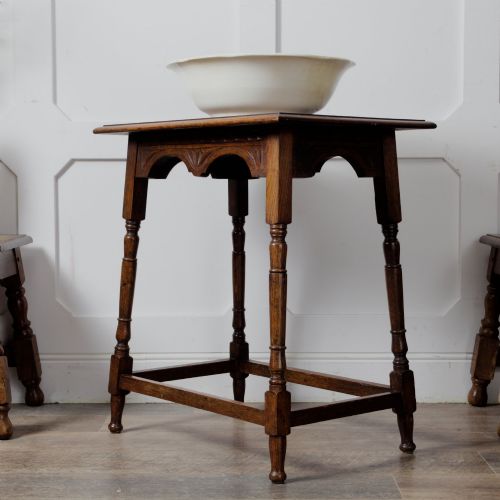
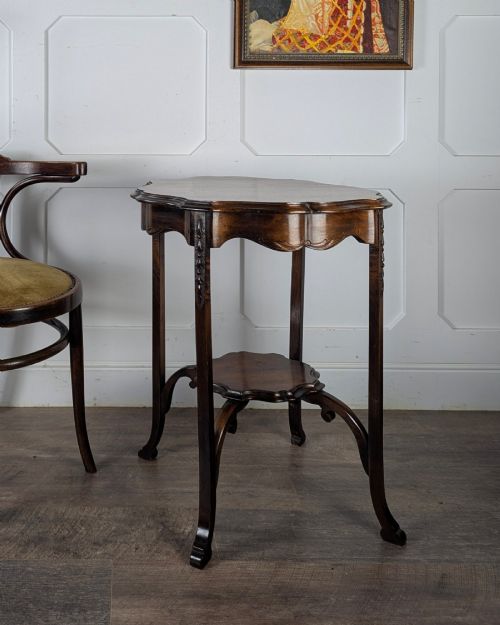
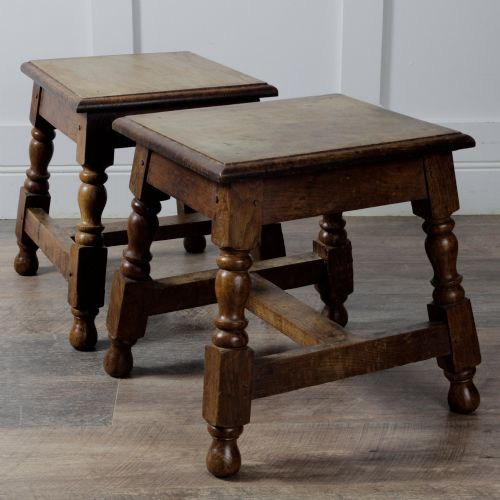
A brown carved plant stand holds greenery with architectural presence, drawing the eye through varied timber grain and hand-wrought detail.
Brown Carved Plant Stand
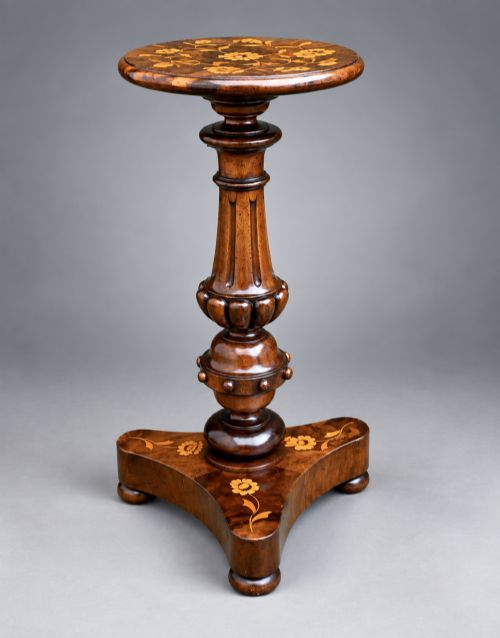
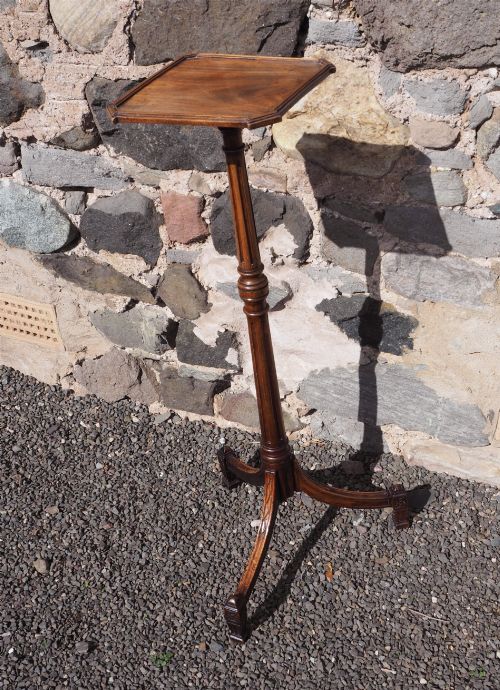
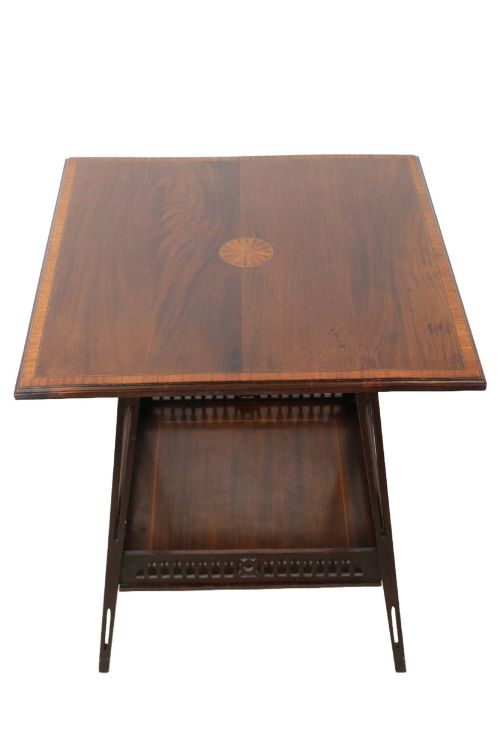
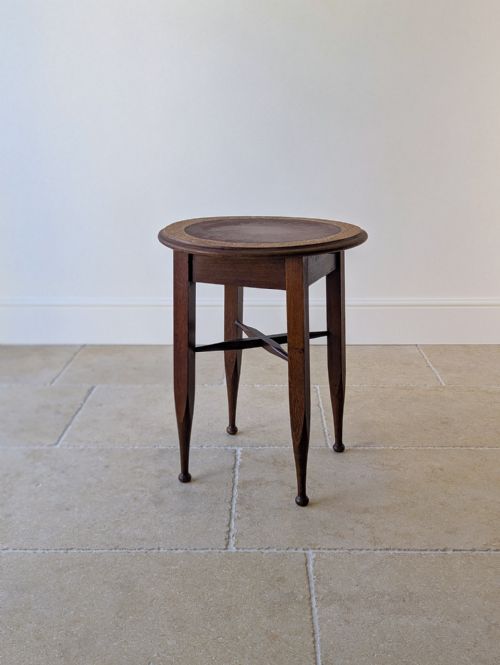
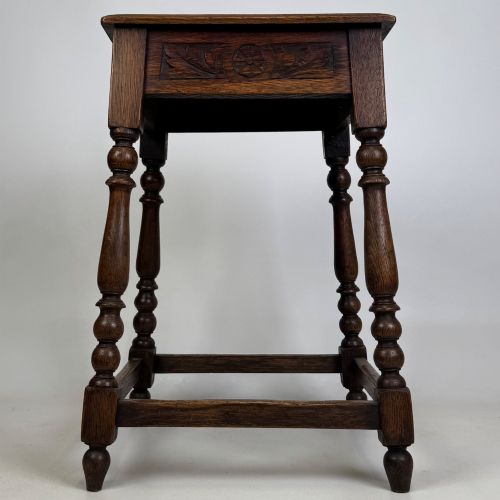
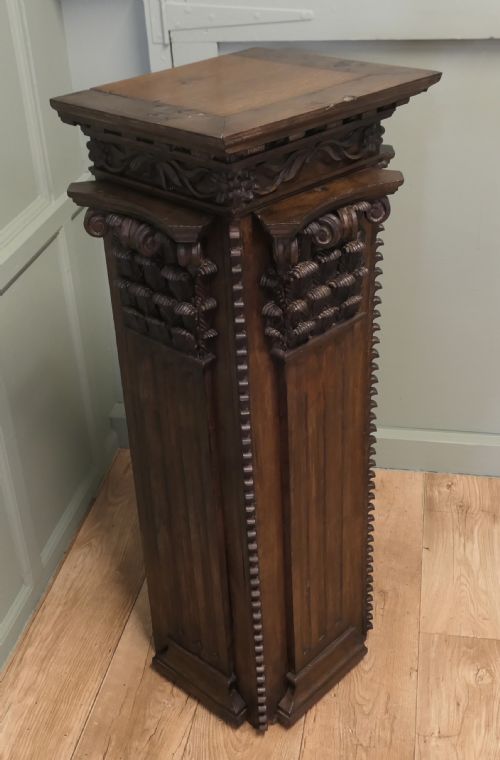
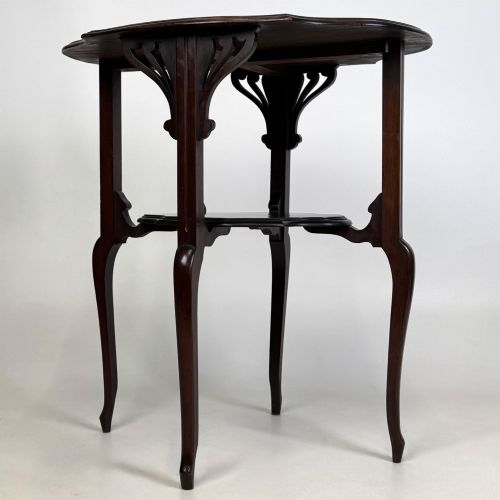
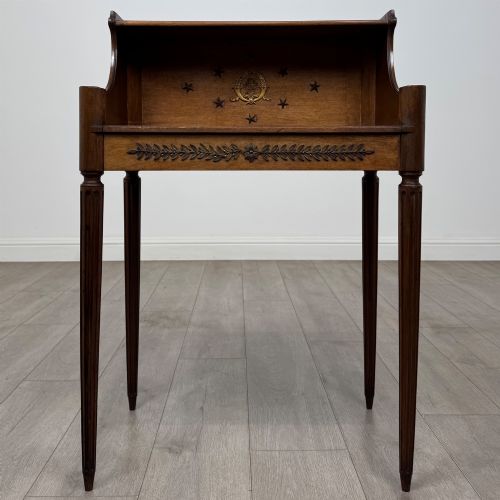
A brown carved plant stand serves primarily to elevate flora and decorative objects within a room. These pieces appear frequently as pedestals, plinths, torcheres, and occasional tables derived from diverse global traditions.
The selections span distinct historical periods from the nineteenth century through the early twentieth century. Common forms range from Edwardian oak tiers to Chinese hardwood barrel stools and Italian walnut columns.
Makers construct these items using durable timbers such as oak, walnut, mahogany, and teak. Buyers encounter variations that incorporate brass inlays, glass components, and marble tops alongside traditional joinery.
Materials and construction methods
Carpenters shape structural elements from dense domestic and exotic hardwoods including oak, walnut, mahogany, and teak. Selected pieces introduce contrasting surfaces through satinwood, burr wood, and kingwood veneers.
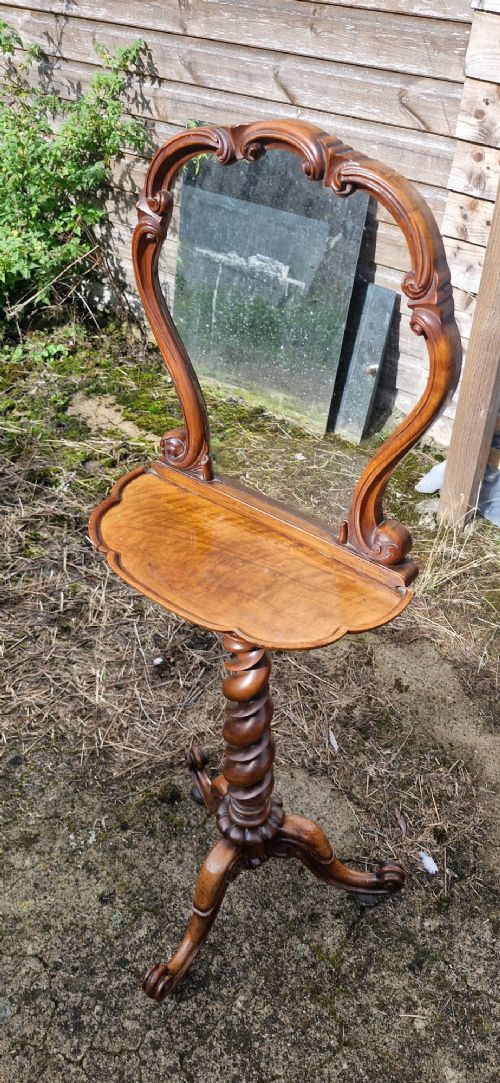
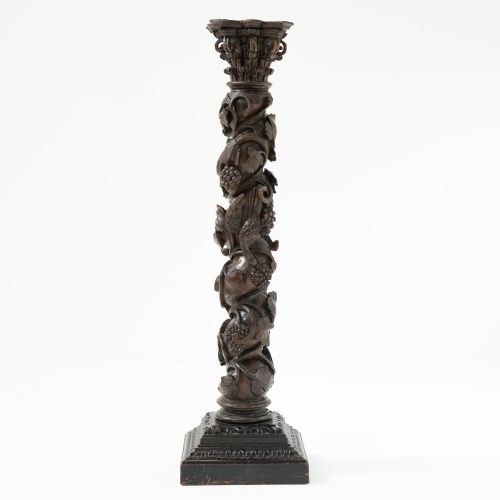
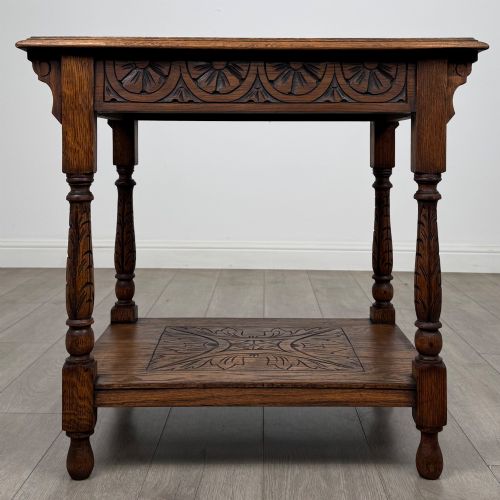
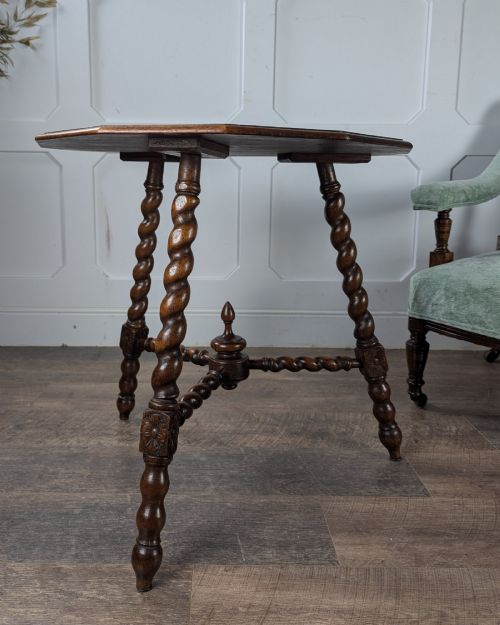
Craftsmen employ hand carving to articulate organic motifs, fluted columns, and barley twist stems. Secondary materials like brass wire inlay and inset marble slabs provide decorative contrast to the timber frames.
Listings feature oak, walnut, and mahogany across Edwardian, Victorian, and nineteenth-century periods.
Distinguishing quality across examples
Depth and crispness of hand carving distinguish standard production from superior craftsmanship. Sharp relief work on oak leaves, grapevines, or geometric panels indicates skilled execution by the workshop.
Selection of timber grain and figuration dictates visual merit. Fine specimens utilise quarter-sawn oak, rich walnut, or figured mahogany that displays natural depth without excessive artificial stain.
Structural integrity depends on sound joint construction, whether utilising traditional pegged joinery or solid turnings. Heavier pedestals and stools require stable weight distribution to support elevated displays safely.
Trevor Page & Co·Liberty and Co·Liberty's·Liberty of London
The Brown Carved Plant Stand Glossary
- Solomonic
- A helical or twisted column form resembling a spiral, frequently seen on seventeenth-century revival pedestals. This design creates dynamic vertical movement along the shaft.
- Torchere
- A tall ornamental stand originally designed to hold a light source or candle. In modern interiors, these function to display vases and trailing plants.
- Etagere
- A piece of furniture consisting of a set of open shelves for displaying small objects. These tiered structures maximise vertical display space in compact rooms.
- Vernis Martin
- A type of simulated Japanese lacquer developed in eighteenth-century France, applied to furniture surfaces to create a glossy, translucent finish. It protects the wood while adding decorative sheen.
Brown Carved Plant Stand: Frequently Asked Questions
Where should I place a brown carved plant stand?
Position these stands in corners, beside seating, or near windows to receive adequate natural light for greenery. Their elevated profiles utilise vertical space effectively without crowding floor areas.
Ensure the placement allows safe clearance for foot traffic, particularly with heavier items like marble-topped pedestals or tripod bases.
How do I care for wooden plant stands?
Dust surfaces regularly with a soft, dry cloth to prevent particulate buildup on carved details. Protect the timber from moisture by using waterproof saucers beneath potted plants.
Apply natural beeswax periodically to nourish the wood grain and maintain a soft lustre without sealing the pores.
What periods do these stands represent?
The available selection spans the Victorian, Edwardian, and early twentieth-century eras. Pieces incorporate stylistic influences from the Arts and Crafts movement, Jacobean revival, and Chinese traditional design.
Earlier nineteenth-century examples often feature dense walnut and elaborate hand-carved motifs, while later Edwardian items frequently utilise lighter oak and mahogany.
Can these stands support heavy pots?
Solid hardwood construction, particularly in oak, walnut, and teak, provides strong load-bearing capacity for substantial ceramic or terracotta vessels. Inspect the base stability and leg spread to ensure secure balance.
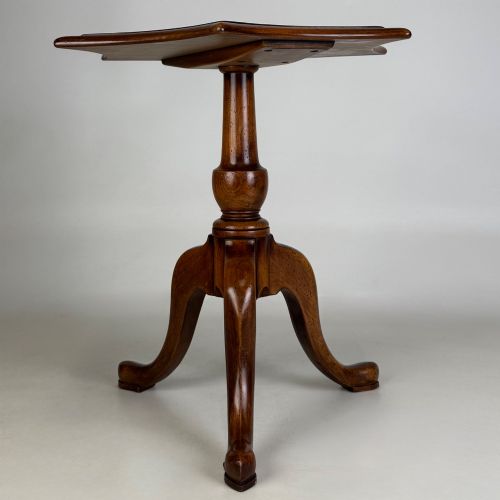
Three-legged torcheres and heavier column pedestals offer reliable support when placed on level flooring.