
Bronze Urn Vases
Bronze urn vases combine classical form with cast metalwork, offering substantial decorative presence and historic character to a room.
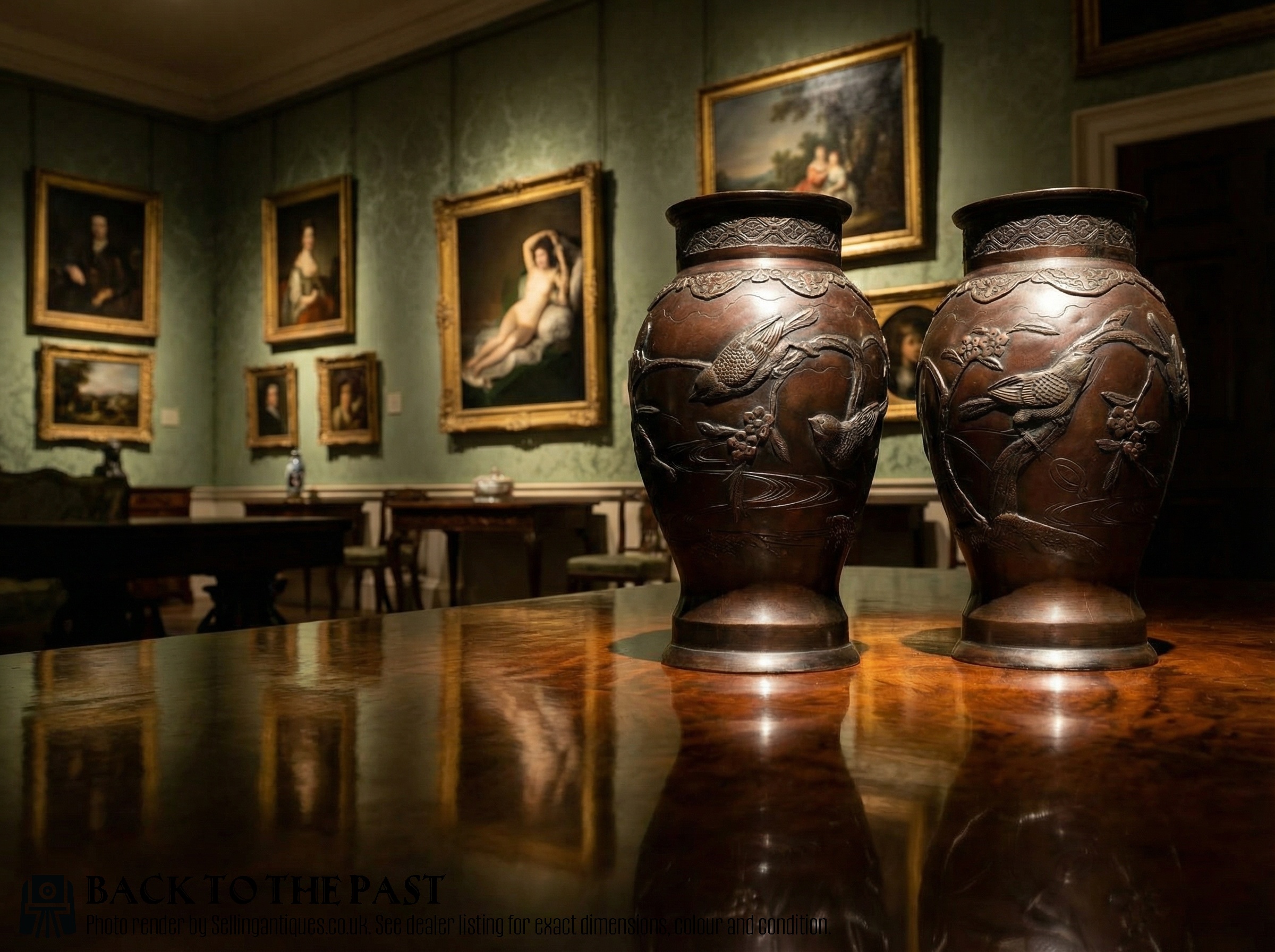
Bronze Urn Vases
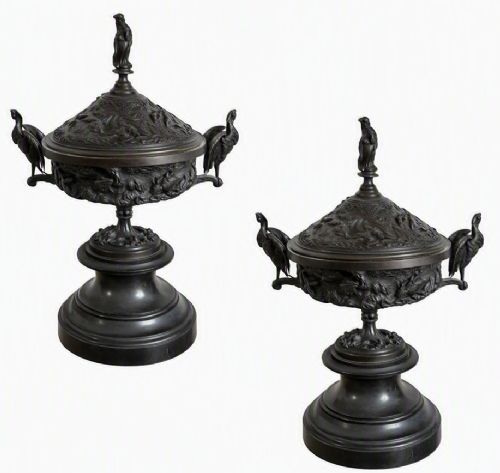
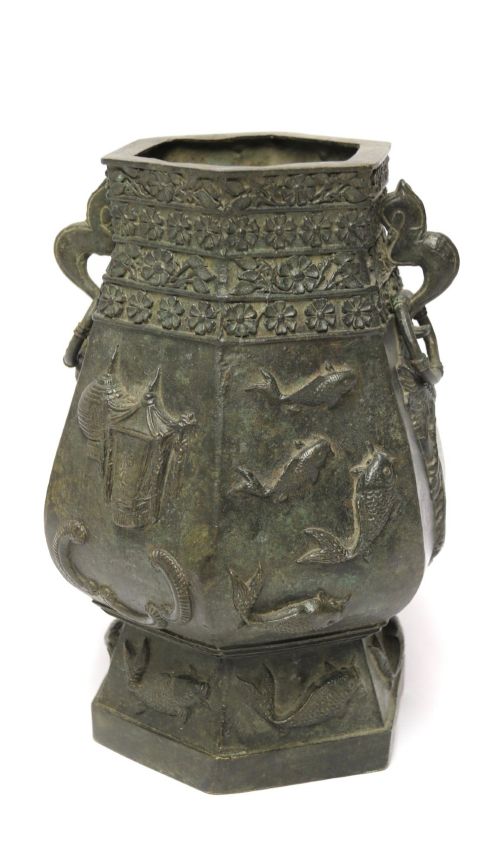
Bronze urn vases span the nineteenth century, drawing on neoclassical, French revival, and Meiji period Japanese designs. Buyers encounter European Grand Tour reductions alongside Asian vessels adapted with mounts or wiring.
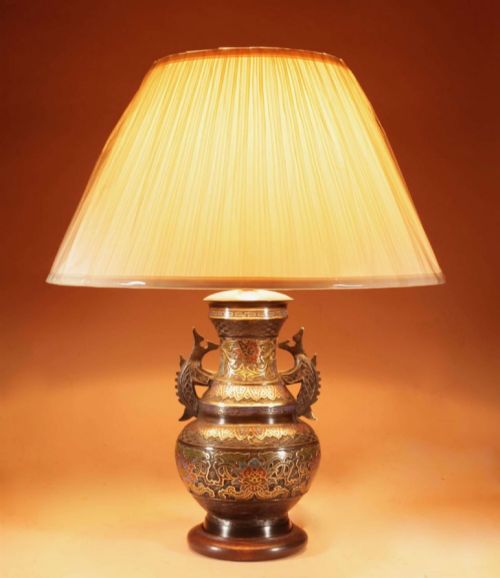
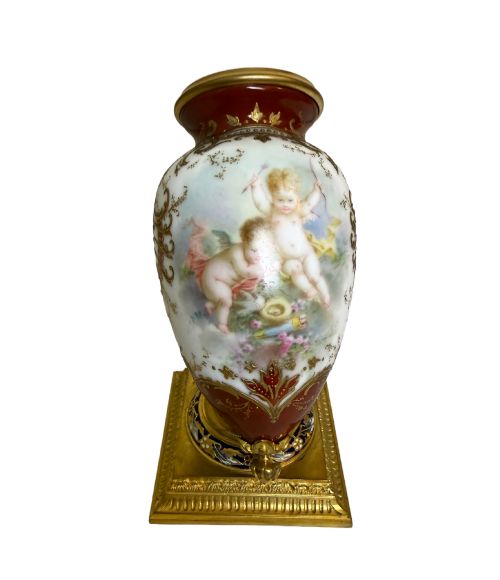
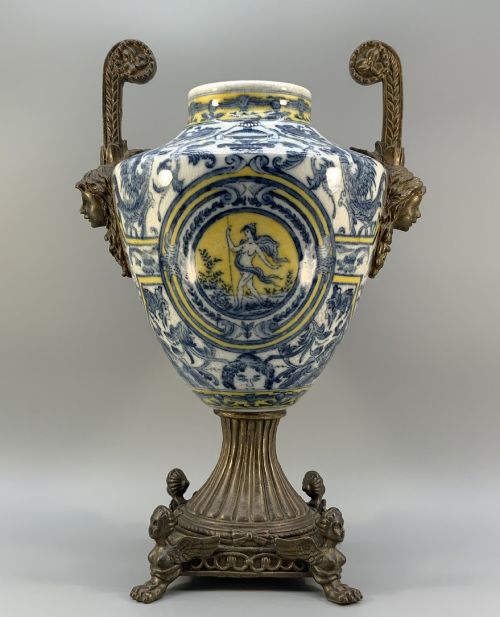
The forms range from campana shapes and classical ewers to baluster bodies and tazza vessels. Many pieces incorporate marble bases or combine cast metal with porcelain, enamel, and glass elements.
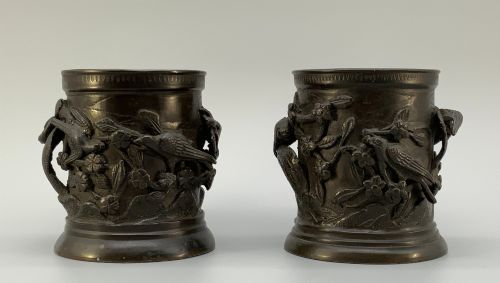
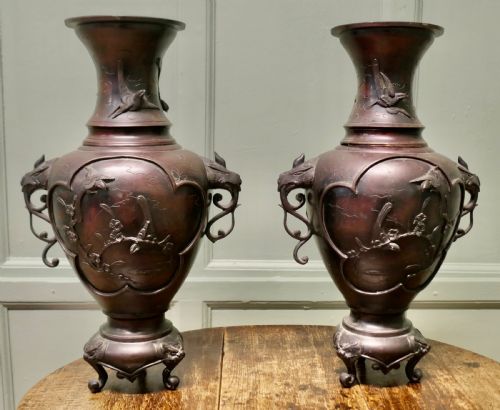
Origin points divide clearly between European workshops producing classical revivals and Japanese or Chinese makers supplying high-relief and inlaid bronzes. Pairs dominate the selection, often surviving as garnitures or matched table lamps.
Evaluating quality
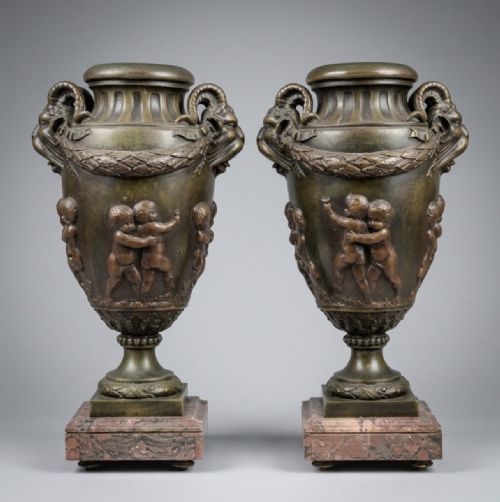
The crispness of the casting and the depth of the hand-chasing separate superior examples from standard production. Sharp relief on figures, foliage, and classical masks indicates skilled workshop execution.
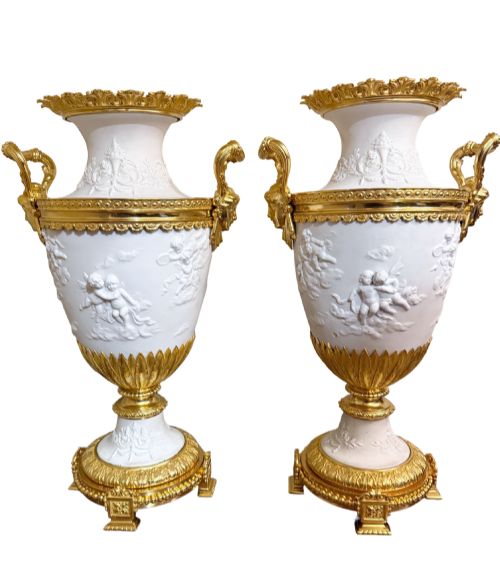
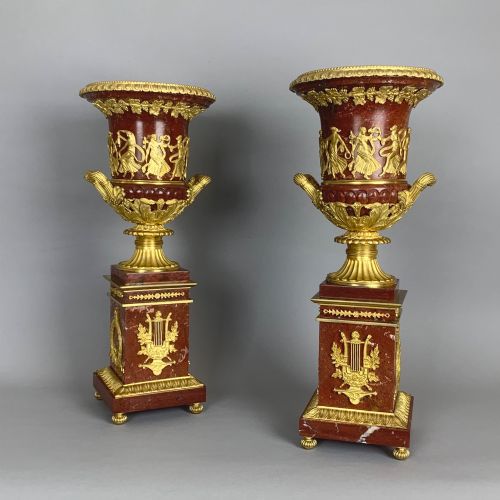
Material integration also defines the upper tier, seen in solid bronze weights, heavy marble plinths, and well-preserved fire gilding or ormolu. Finer pieces demonstrate careful assembly where mounts fit the ceramic or glass bodies precisely.
Bronze Urn Vases Retail Price Guide 2026
Typical asking prices for bronze urn vases among the pieces listed under this phrase on Sellingantiques today, from the lower quarter to the upper quarter. They describe what is for sale here now, not the wider market.
Bacchic masks and leaping putti peer out from nineteenth-century wine urns, proving that Victorians knew how to party.
KANASAWA·Loetz·Sevres
The Bronze Urn Vases Glossary
- Ormolu
- Gilded bronze produced by applying a mercury and gold amalgam to the metal surface and heating it. This technique creates a durable, rich golden finish characteristic of French decorative pieces.
- Grand Tour
- A nineteenth-century travel custom where wealthy Europeans collected souvenir bronzes modelled on classical antiquities. These miniature reductions replicate famous archaeological monuments like the Warwick vase.
- Champlevé
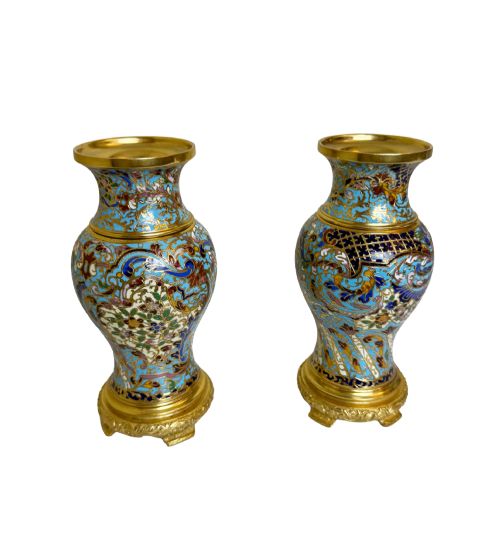
- An enamelling technique where troughs are gouged into the bronze surface and filled with vitreous paste before firing. The resulting design displays coloured enamel compartments flush with the metal lines.
- Spelter
- A zinc alloy used as a less costly alternative to bronze during the nineteenth century. It is frequently patinated to imitate true bronze and mounted on marble bases.
Bronze Urn Vases: Frequently Asked Questions
What is a Grand Tour bronze?
Grand Tour bronzes are nineteenth-century souvenir pieces cast in reduction from famous classical monuments in Italy. Travellers collected them to display their classical education and refined taste at home.
These pieces typically depict celebrated antiquities like the Warwick or Albani vases in patinated bronze, often mounted on marble bases. They capture the archaeological enthusiasm of the Victorian era.
How do I identify Meiji period bronzes?
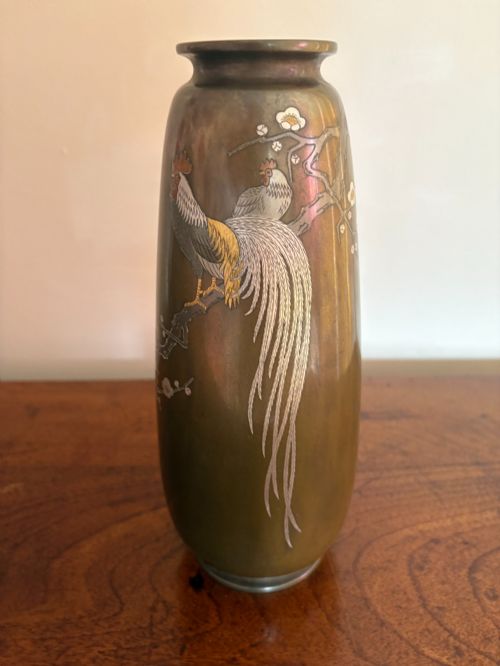
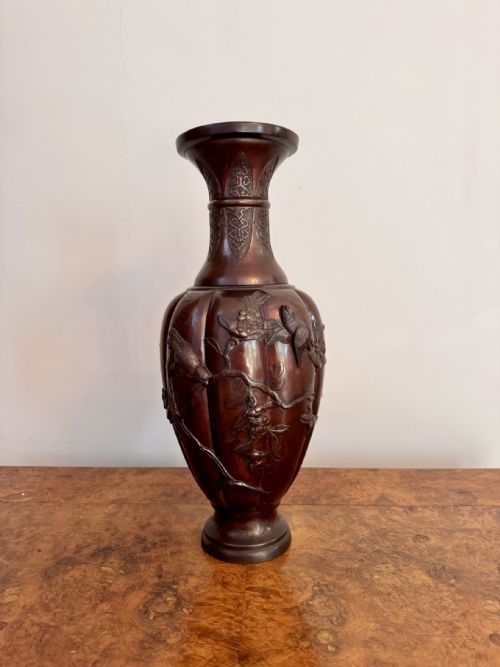
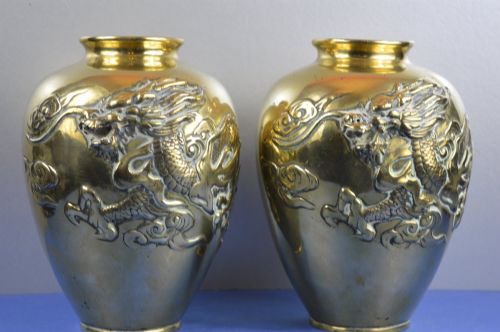
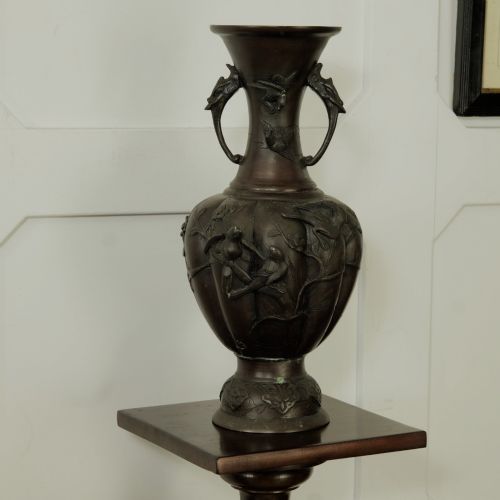
Meiji period bronzes date from the late nineteenth to early twentieth century in Japan, marked by exceptional metallurgical skill. They often feature high-relief dragons, birds, and botanical motifs.
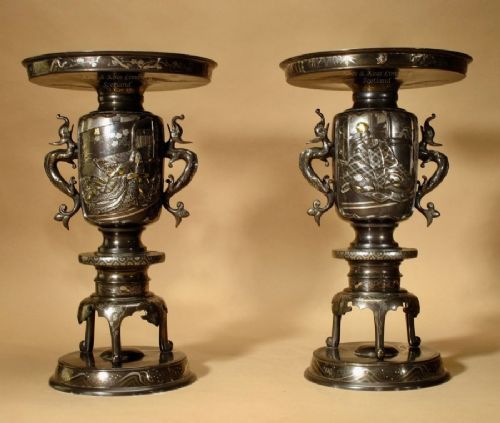
Many of these vessels incorporate complex inlay work or patination techniques unique to Japanese metalworkers. They frequently appear as matched pairs or table lamps.
Are these urns solid bronze?
Composition varies between solid cast bronze, copper alloys, and gilt bronze mounts fitted to porcelain or glass bodies. Some nineteenth-century pieces utilise patinated spelter as an alternative to heavier bronze.
Weight provides a primary indicator of material density, with larger pieces often scaling several kilograms. Marble plinths also add substantial heft to the base of the objects.
How should I clean antique bronze?
Dusting with a dry, soft cloth is sufficient for regular maintenance of patinated and gilt surfaces. Avoid commercial metal polishes, which can strip away historic patination or damage delicate ormolu.
Professional conservation is recommended for pieces with active corrosion or compromised mounts. Keeping them away from direct moisture preserves the stability of the metal and surrounding materials.