


Bronze Relief Urn
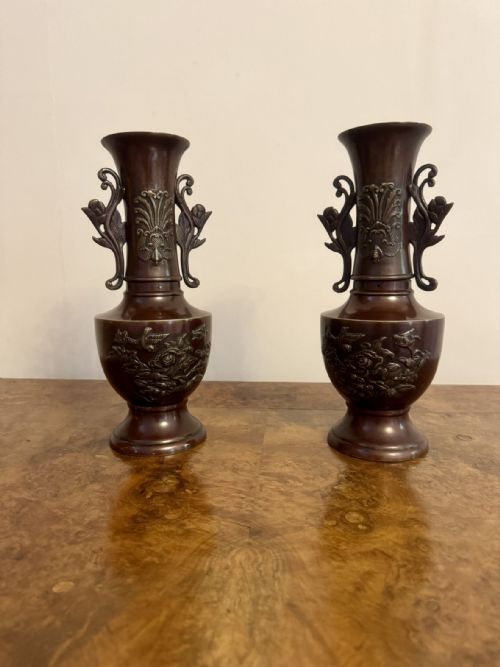
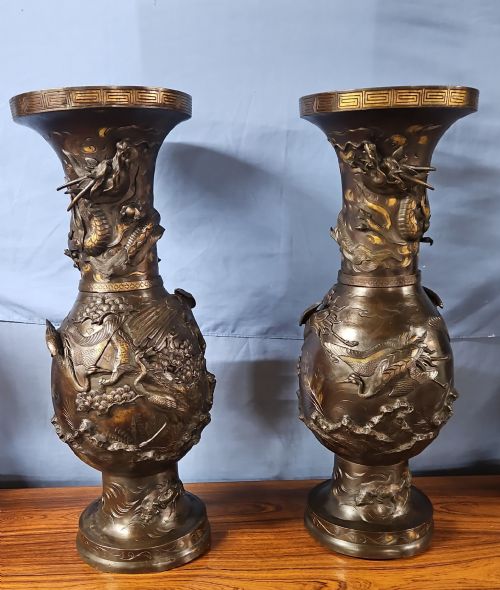
When you search for a bronze relief urn, you are looking at substantial metal vessels decorated with cast or chased motifs from the nineteenth century.
Bronze Relief Urn
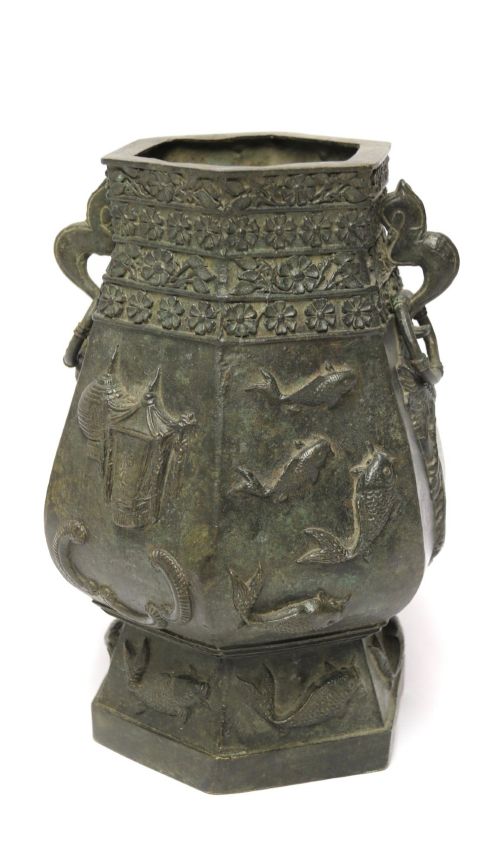
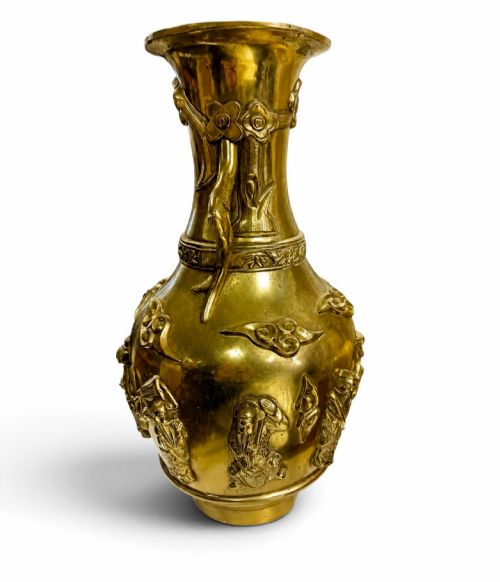
A bronze relief urn takes the form of a decorative vase, planter, incense burner, or campana vessel designed to display raised surface ornament. These pieces originate primarily from nineteenth-century Japanese Meiji workshops, Chinese dynasties, and European Grand Tour travels.
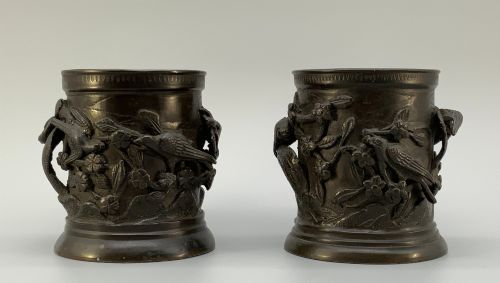
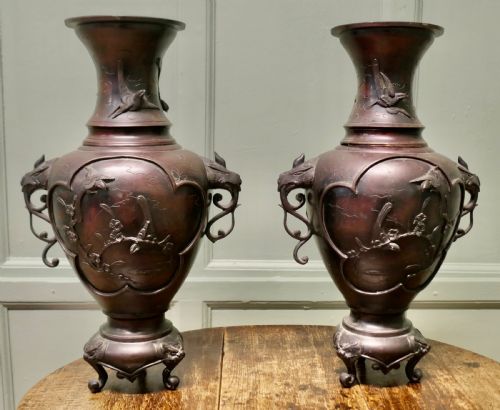
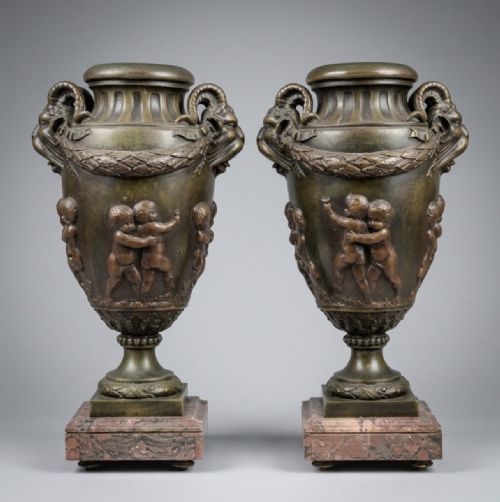
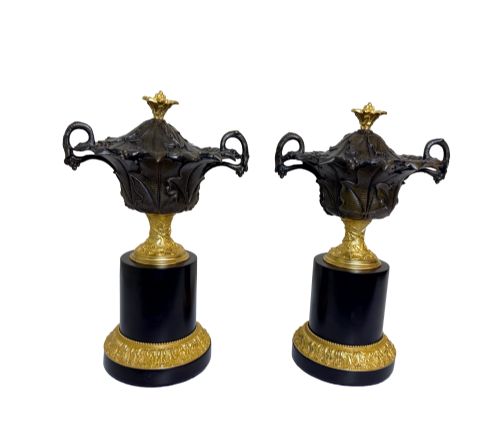
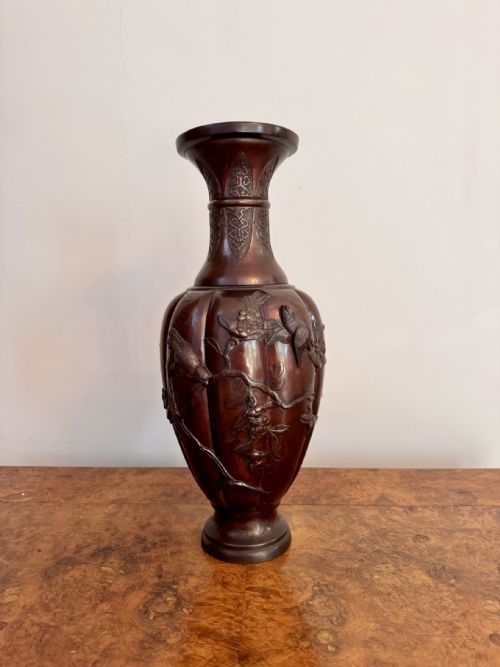
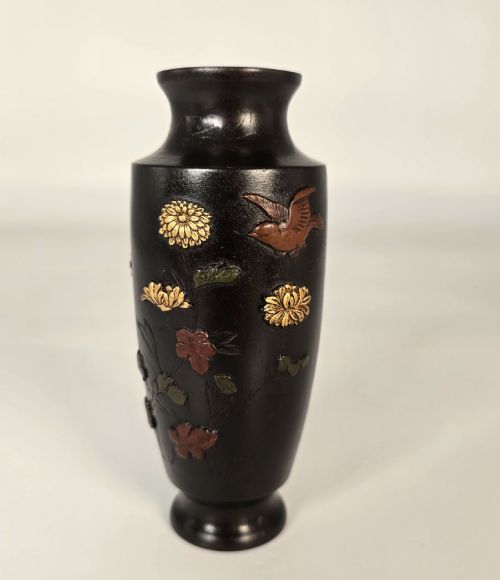
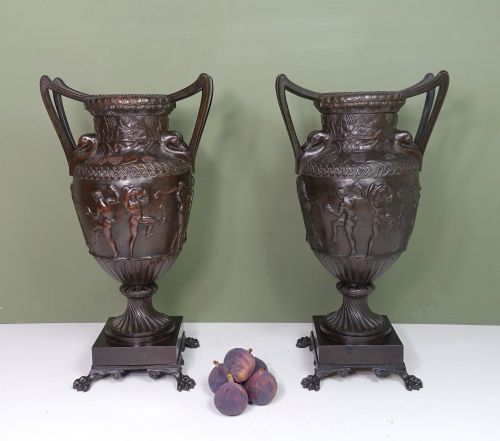
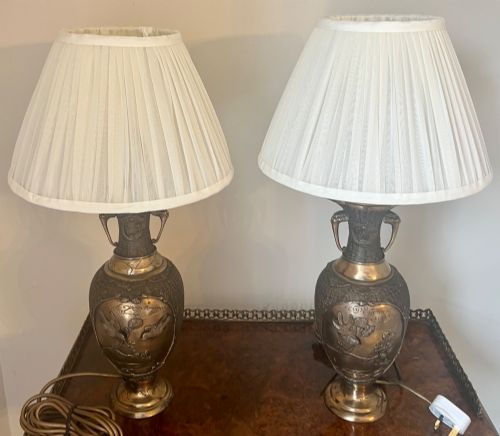
You will most frequently meet Japanese Meiji period vases featuring high-relief birds, blossoms, and mixed metal details, alongside French and Italian Neoclassical campana urns mounted on marble bases. The selection also includes vessels adapted into table lamps and inkwells, showing how decorative metalwork served various domestic functions.
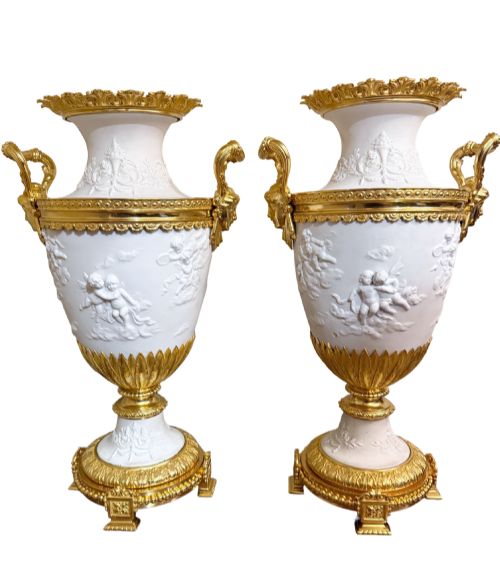
The physical presence of these objects comes from substantial weight and durable metal alloys, often paired with contrasting materials like black marble or porcelain. Collectors choose them for their sculptural forms and the tactile depth of their raised surface decoration.
How they were made
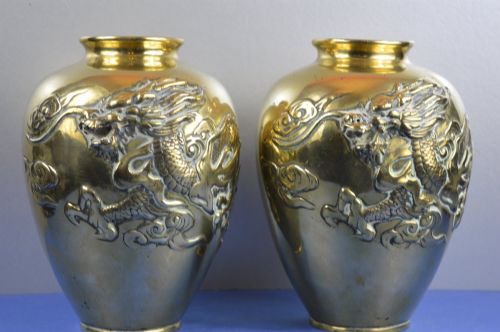
These vessels rely on casting techniques using bronze, copper-alloy, brass, and spelter, combined with patination and gilding to achieve varied surface finishes. Meiji artisans employed mixed metal applications, fusing silver and copper elements onto the bronze body to create contrasting tonal effects.
Sculptural relief details were cast directly with the vessel or applied separately through chasing and soldering, producing crisp motifs of figures, flora, and fauna. Many examples integrate marble pedestals or bases, secured with threaded bolts or pins to support the heavy metal bodies.
What varies in quality
The distinction between standard production and superior craftsmanship rests in the crispness of the chased detail and the depth of the metal relief. Fine pieces display cleanly defined feathers, facial expressions, and botanical elements without smoothing or softness in the cast.
Material composition also dictates standard, where solid cast bronze or heavy copper-alloys with rich patination outweigh lighter spelter alternatives plated to mimic bronze. The integration of mixed metals and the stability of associated marble or gilt bronze mounts complete the measure of the piece.
The Bronze Relief Urn Glossary
- Patinated Bronze
- Bronze treated with chemical solutions to produce a specific surface colour, ranging from deep brown to greenish tones.
- Campana
- A bell-shaped vessel form originating in classical antiquity, widely adopted during the Neoclassical revival for urns and wine coolers.
- Meiji Period
- The era in Japanese history spanning from 1868 to 1912, known for sophisticated metalwork and export art.
- Grand Tour
- A traditional journey through Europe undertaken by the upper classes, collecting classical souvenirs such as bronze urns and ewers.
- Spelter
- A zinc alloy used as a cheaper substitute for bronze, often painted or bronzed to simulate heavier metal.
Bronze Relief Urn: Frequently Asked Questions
What is a bronze relief urn used for?
These vessels functioned primarily as decorative display items, mantel ornaments, or architectural centerpieces within nineteenth-century interiors. European examples often took the form of campana urns or ewers intended to evoke classical antiquity.
Asian pieces, such as Meiji period bronze vases and Chinese censers, served both ritual purposes and ornamental display. Today, many are utilised as standalone sculptural objects or wired into table lamps.
How do you identify a Meiji period bronze?
Meiji period bronzes typically feature intricate raised decoration depicting birds, blossoms, and Daoist immortals, often incorporating mixed metal highlights. Look for signature panels or foundry marks on the base, reflecting the output of Japanese workshops during the late nineteenth and early twentieth centuries.
The casting technique prioritizes high-relief surface detail, distinguishing these pieces from smoother European classical models.
What is the Grand Tour style?
The Grand Tour style encompasses decorative arts collected by European travellers visiting classical sites in Italy and France during the nineteenth century. These items replicate ancient Roman and Greek urns, vases, and architectural fragments in bronze and marble.
They emphasise Neoclassical motifs such as putti, classical figures, and acanthus leaf borders.
Are these urns made of solid bronze?
The selection includes solid bronze, copper-alloys, and patinated spelter, alongside gilt bronze and mixed metal creations. Heavier pieces generally indicate solid bronze or substantial copper-alloy casting, while lighter decorative items may utilise spelter mounted on marble bases.
Examining the underside and base mountings often reveals the underlying material composition.