

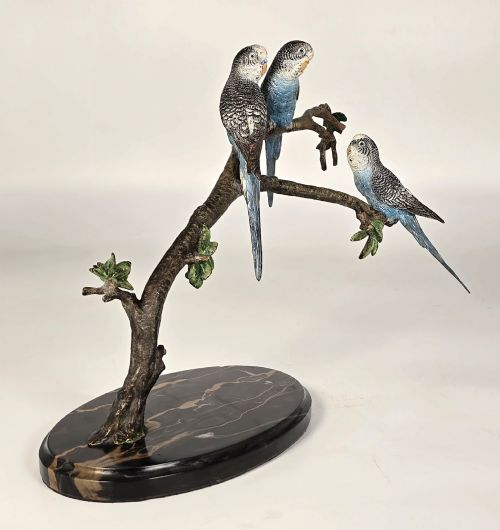
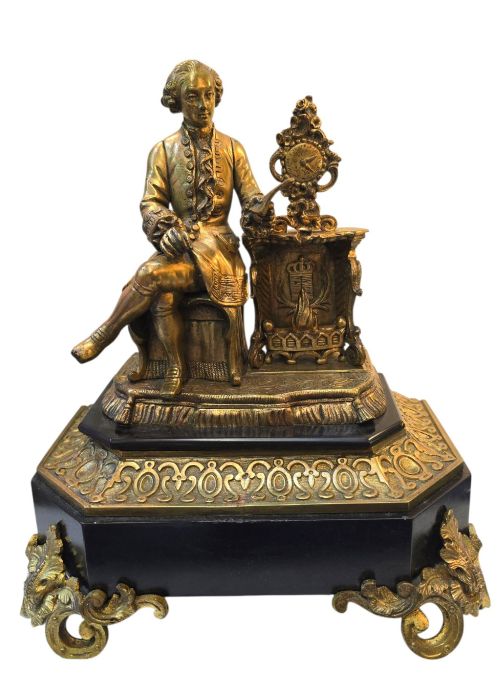
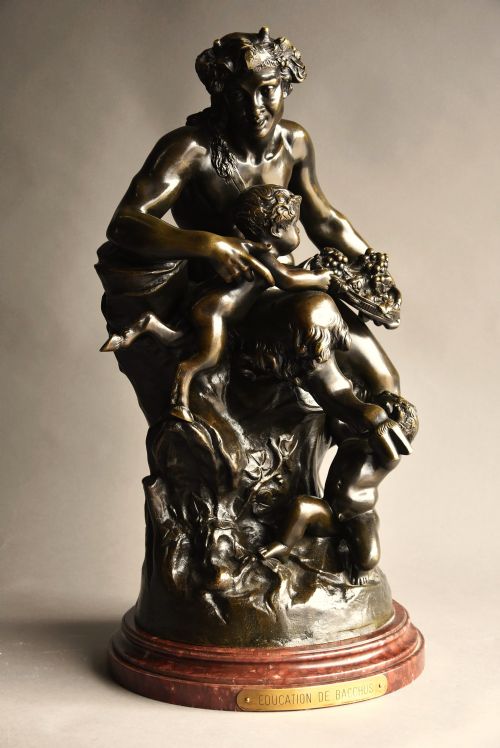
Bronze Figurine on Base
When you search for a bronze figurine on base, you are looking at small cast metal sculptures raised upon stone supports that bring cabinet art to a desk or mantelpiece.
Bronze Figurine on Base
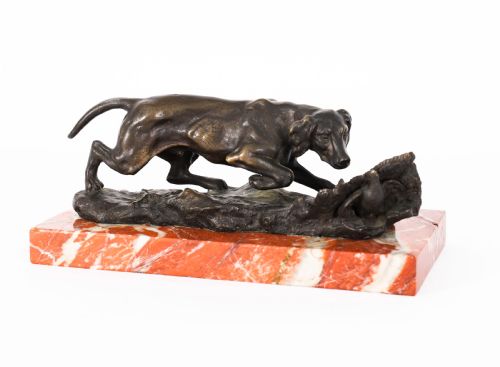
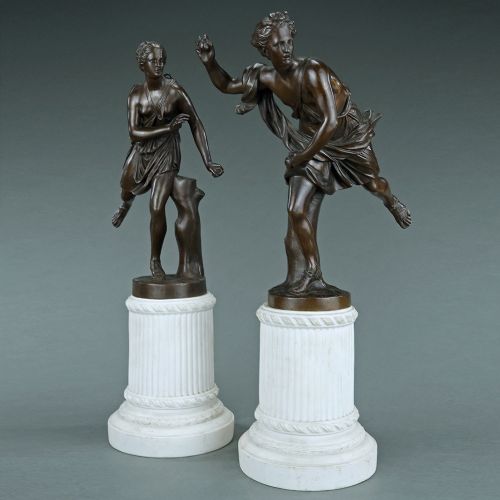
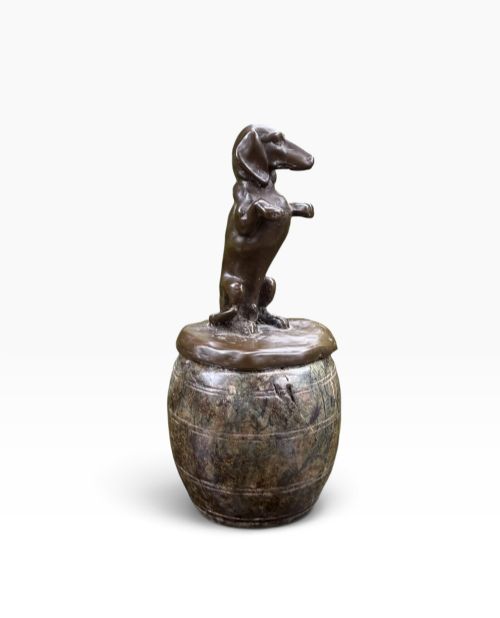
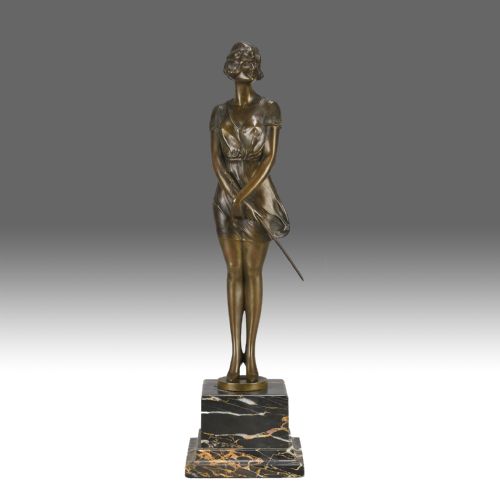
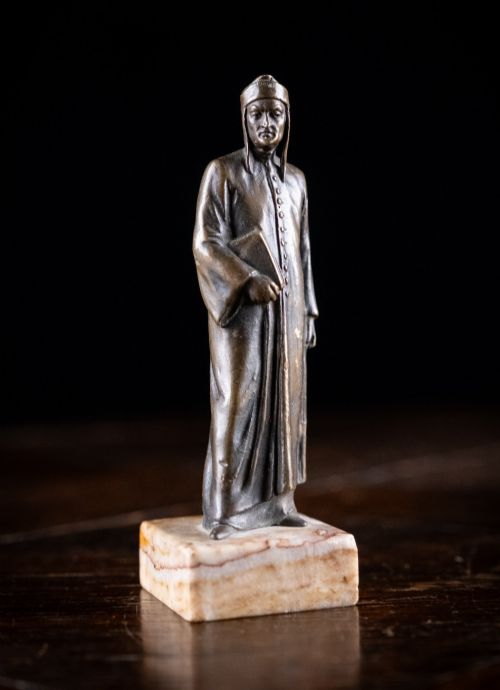
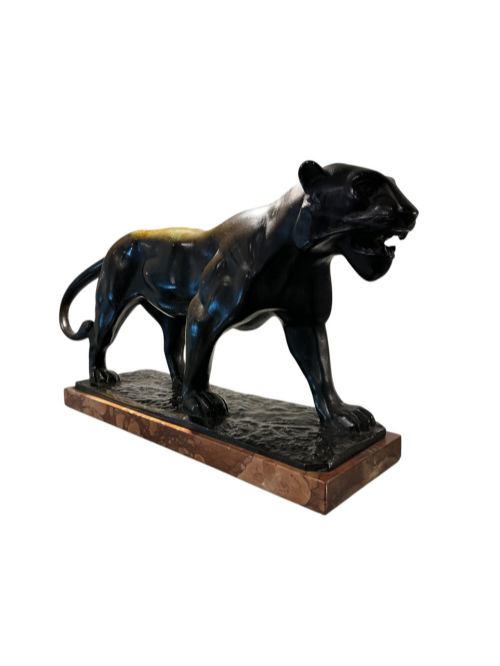
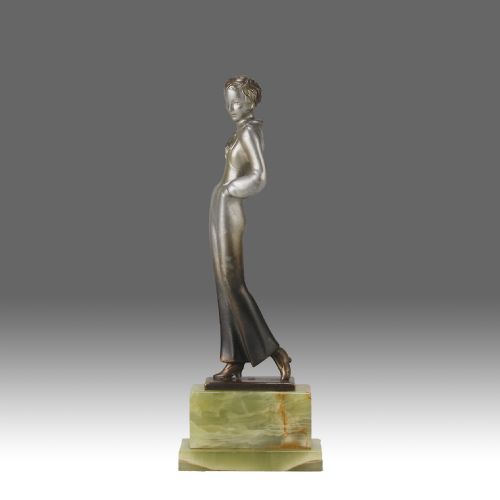
A bronze figurine on base unites a cast metal subject with a distinct supporting plinth, creating a self-contained display piece. These works range from small domestic animals and mythological subjects to full figures of dancers, warriors, and literary characters.
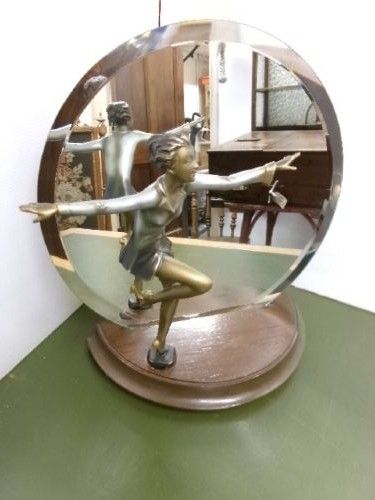
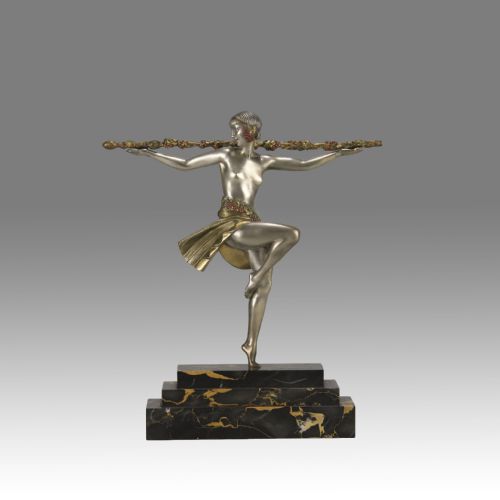
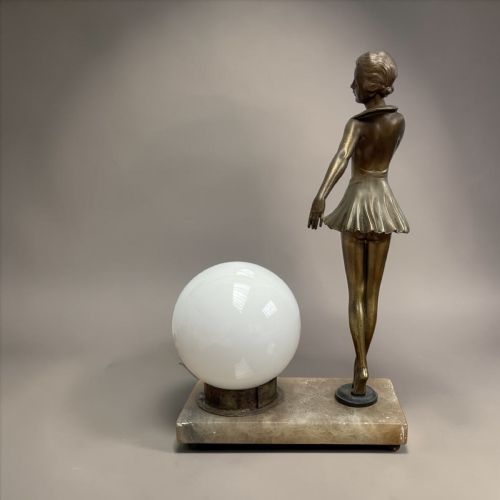
The version you are most likely to meet on this page is an early twentieth century piece from the Art Deco period, often depicting a dancer or bird mounted directly onto a heavy stone plinth.
Origins stretch from nineteenth century French workshops and Grand Tour souvenirs to Austrian cold-painted studios, uniting diverse eras through the shared convention of the raised mount.
How They Were Made
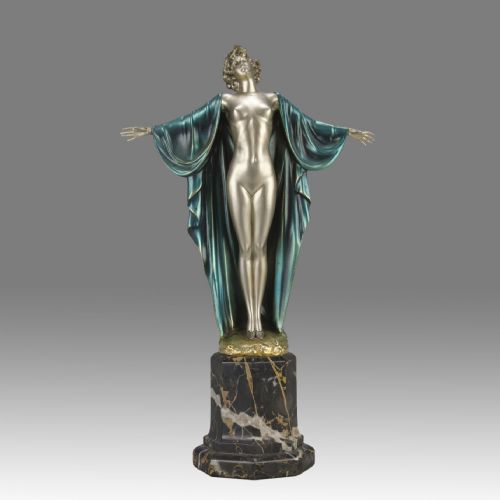
The primary material is cast bronze, though gilt bronze and painted spelter frequently appear alongside the solid metal. These figures are secured to carved bases of marble, onyx, or slate using threaded pins or hidden fixings.
Materials combine bronze, gilt bronze, and spelter with marble and onyx bases.
What Varies in Quality
Quality rests upon the crispness of the original metal chasing and the depth of the hand finishing. Superior pieces retain sharp details in hair, clothing, and musculature without losing definition in the softer contours.
The choice and preparation of the supporting stone also distinguish the work, as dense, well-polished marble or onyx plinths provide proper weight and balance for the metal sculpture above.
Carl Kauba·Barbedienne·Bruno Zach·Pierre le Faguays·Ferdinand Preiss·Josef Lorenzl·Hans Müller·Claude Michel Clodian·Demetre Chiparus·Henri Godet·Aurore Onu·Emile Guillemin·Franz Xaver Bergman
The Bronze Figurine on Base Glossary
- Cold-painted bronze
- A technique where the metal figure is painted by hand with non-fired pigments. This finish requires careful handling to preserve the original surface colours.
- Spelter
- A zinc or lead-based alloy used as an accessible alternative to bronze. It often mimics the appearance of heavier metal through applied patination.
- Animalier
- A nineteenth century artistic movement focused on the realistic depiction of animals. Sculptors in this tradition studied anatomy closely from life.
- Grand Tour
- A traditional trip through Europe undertaken by educated travellers in the nineteenth century. Souvenirs from these journeys included small bronzes mounted on stone bases.
- Patina
- The surface sheen and coloration developed on metal through age or chemical treatment. This layer protects the bronze and contributes to its visual depth.
Bronze Figurine on Base: Frequently Asked Questions
What is a bronze figurine on base?
A bronze figurine on base is a small cast sculpture permanently or semi-permanently attached to a stone plinth. This format elevates the artwork and provides stability for display on furniture.
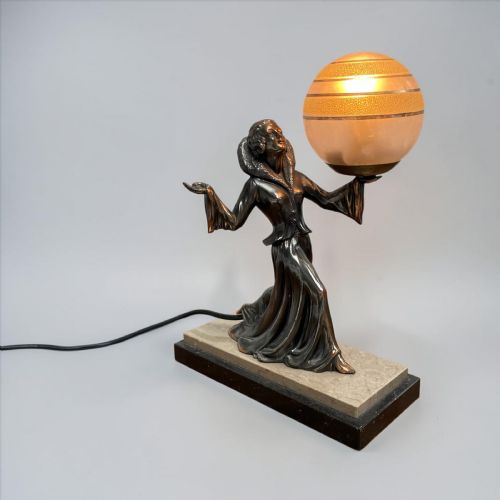
Such pieces serve as decorative objects, bookends, or small lamps for interior spaces.
How were these figures mounted?
Makers typically secured the metal sculptures to marble or onyx plinths using threaded rods and bolts running through the base. This method keeps the figure firmly anchored to its foundation.
The weight of the stone also balances the composition of the sculpture.
How do I care for cold-painted bronze?
Cold-painted bronze requires gentle dusting with a soft, dry cloth and protection from direct sunlight. Moisture and harsh cleaning agents can damage the delicate non-fired pigments.
Keeping the piece in a stable indoor environment preserves both the paint and the underlying metal.
What periods do these pieces come from?
These works span from the nineteenth century through the Art Deco era of the early twentieth century. Victorians favoured classical subjects and animal studies, while later decades embraced stylised dancers.
Each period brings distinct materials, such as specific colours of marble and characteristic patinas.