


Classical Mythology Bronze Statue
These classical mythology bronze statue pieces bring antique depictions of gods, goddesses and ancient tales into your home.
Classical Mythology Bronze Statue
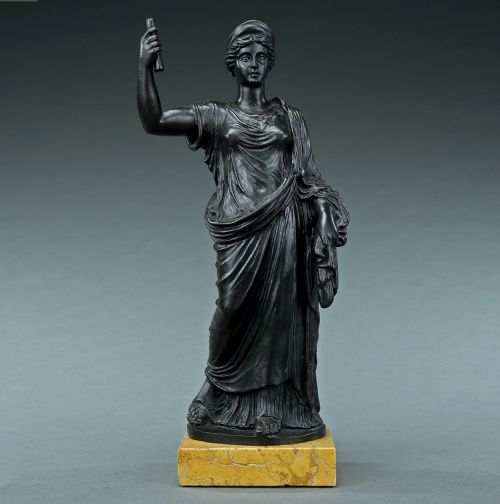
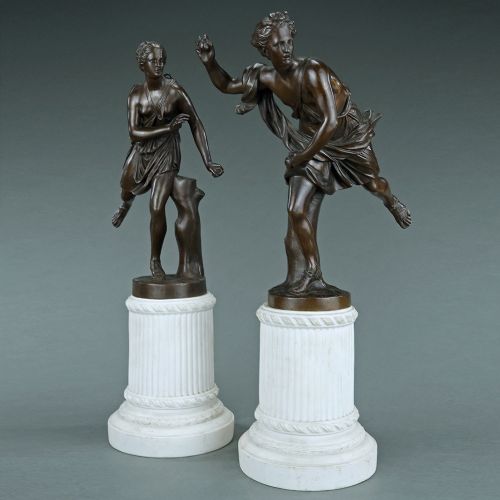
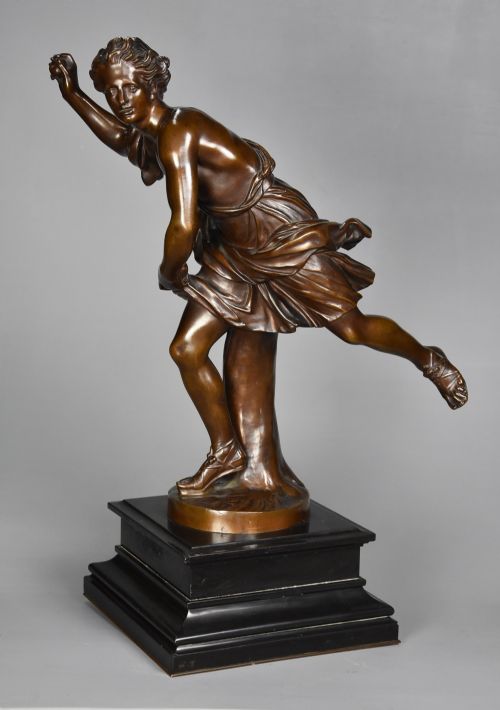
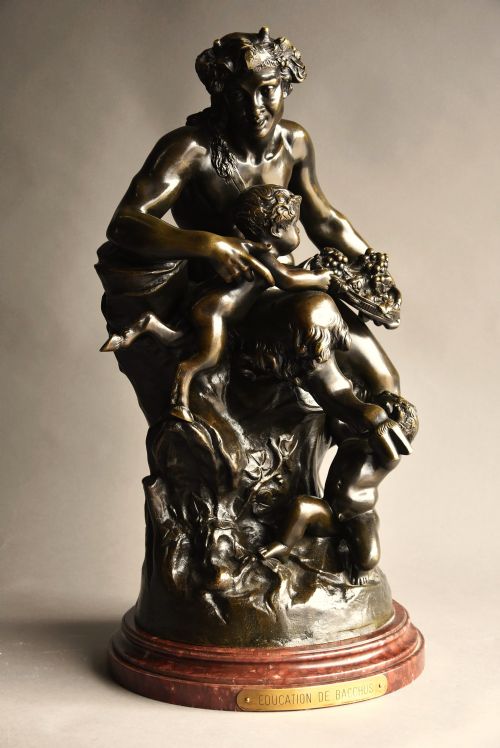
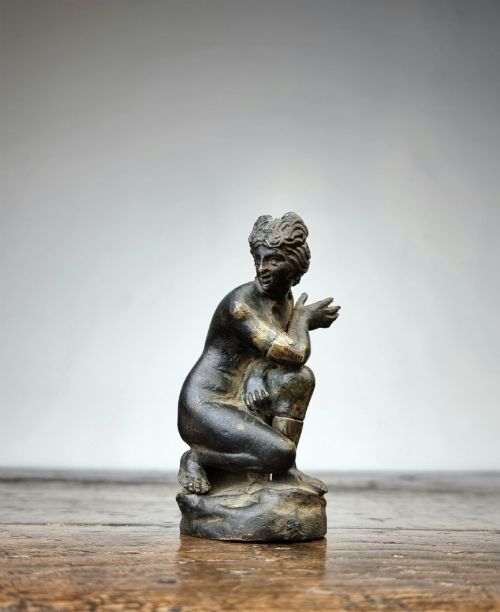
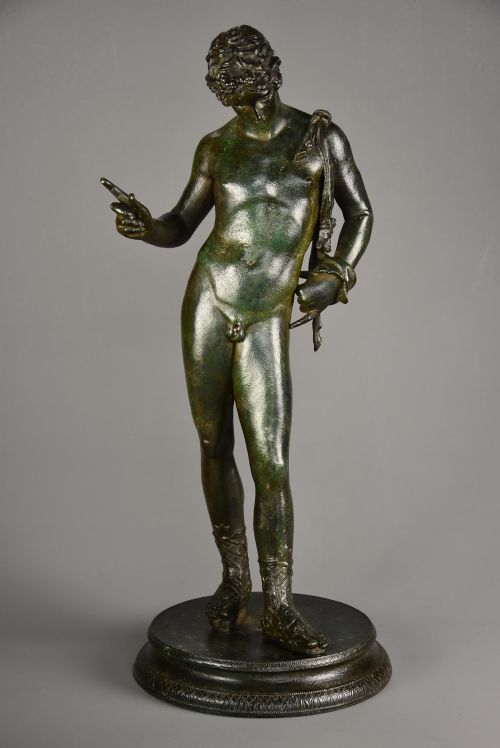
A classical mythology bronze statue depicts figures from ancient tales, including deities such as Juno, Bacchus, Venus, and Diana, cast in metal. You will frequently encounter nineteenth-century Grand Tour souvenirs and reductions of famous antique sculptures produced in European foundries.
The forms range from small cabinet statuettes and busts to large figurative groups depicting mythological narratives. Many pieces draw directly on celebrated museum originals from Rome, Naples, and Paris, translating ancient marble or bronze archetypes into cabinet-scale works.
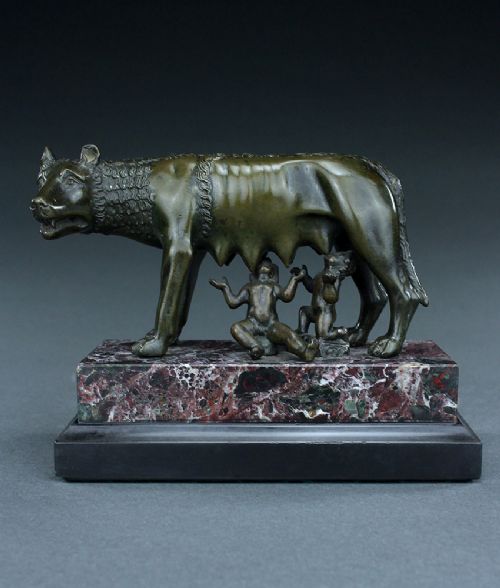
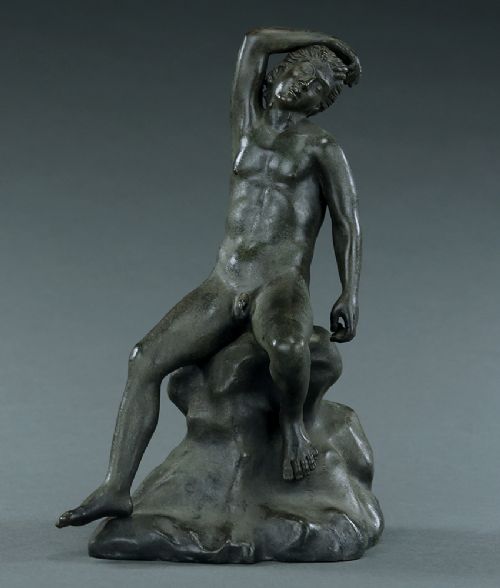
The aesthetic is rooted in neoclassical and revivalist movements, reflecting a sustained nineteenth-century fascination with classical antiquity. These sculptures vary from patinated single figures to complex multi-figure groups mounted on stone or marble bases.
Materials and casting methods
Foundries utilised traditional bronze casting methods, followed by manual chasing to sharpen hair, drapery, and anatomical details. Surfaces received varied chemical treatments to produce dark brown patinas, green verdigris effects, or highlights in ormolu and gilt bronze.
Many sculptures incorporate secondary materials such as marble for plinths or bases, and occasionally ebonised wood. The weight and density of the bronze are complemented by these supportive elements, grounding the figurative compositions.
The listings span from the seventeenth century through to the early twentieth century, showing a strong concentration of nineteenth-century French and Italian foundry work.
Differentiating quality
The sharpness of the cast and the precision of the post-casting chisel work distinguish superior bronzes from ordinary commercial editions. Finer pieces retain crisp definition in facial expressions, musculature, and fine textures like cloth and hair without soft edges.
The depth and consistency of the patination contribute significantly to the visual success of the sculpture. Masterful colouration and careful mounting on high-grade marble or stone plinths mark out the most accomplished foundry work.
Barbedienne·Claude Michel Clodian·Augusto Rivalta·Albert Hussmann·Aug. Moreau·Franz Iffland·Simon Louis Boizot
The Classical Mythology Bronze Statue Glossary
- Grand Tour
- A traditional travel itinerary undertaken by European nobility to study classical art and culture. Souvenirs purchased on these journeys often included small bronze reductions of famous ancient sculptures.
- Patination
- The surface colouration of metal achieved through chemical application and heat. It protects the bronze and creates rich brown, black, or green tones.
- Ormolu
- Finely ground high-carat gold applied to a bronze base using a mercury amalgamation process. This technique produces a brilliant golden finish on decorative mounts and busts.
- Verdigris
- A green patina resulting from copper oxidation, deliberately applied to antique bronzes to mimic the appearance of ancient excavated artefacts.
- Lost-wax casting
- A historic method where a wax model is melted out of a mould and replaced with molten metal. This process allows for intricate undercuts and fine sculptural detail.
Classical Mythology Bronze Statue: Frequently Asked Questions
What is a Grand Tour bronze?
A Grand Tour bronze is a nineteenth-century souvenir cast in Europe, replicating famous classical sculptures for travellers returning from Italy.
These smaller pieces allowed collectors to display iconic antiquities in private libraries and studies.
How do I identify the mythological figure?
Figures are typically identified by specific attributes, such as Bacchus with grapevines or Diana with a bow and arrow.
Inscriptions on the base or the style of the casting can also provide clues to the exact classical subject.
Where should I display a bronze statue?
These sculptures suit stable, level surfaces such as mantelpieces, desks, or dedicated display cabinets away from direct sunlight.
Heavier pieces mounted on marble benefit from heavy wooden furniture that safely supports their weight.
Why do some bronzes have green patinas?
A green patination mimics the verdigris found on ancient bronzes that have spent centuries buried underground.
Foundries applied these finishes during the nineteenth century to give new casts an aged, classical appearance.