

French 19th Century Sculpture
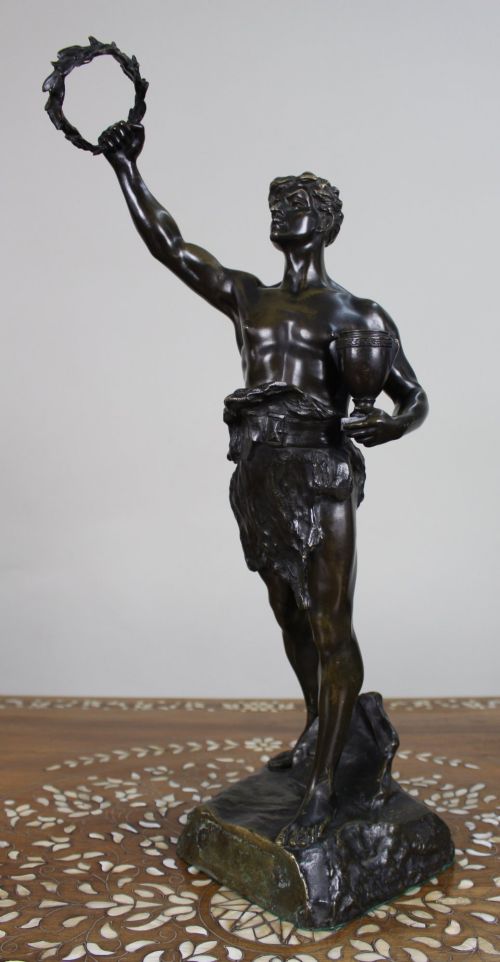
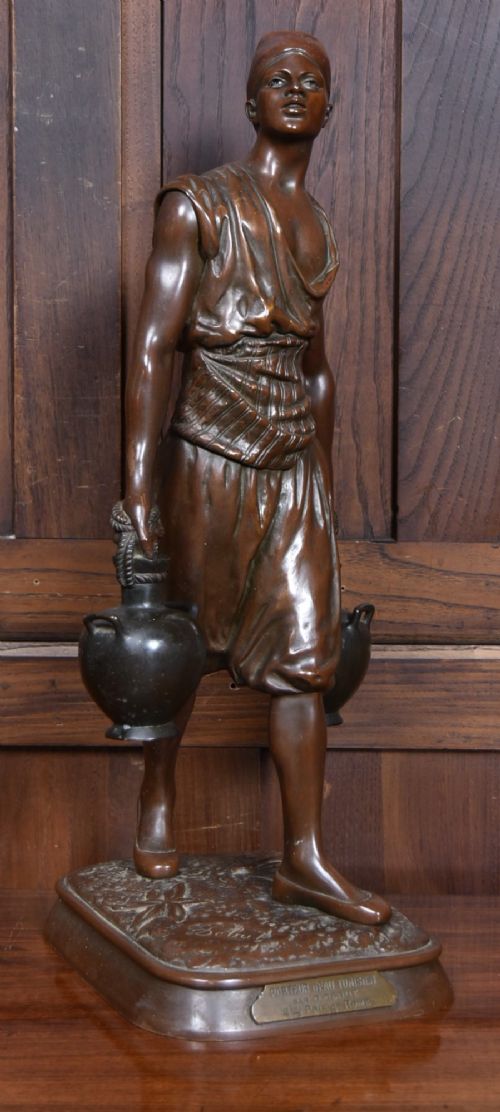
French 19th century sculpture encompasses cast bronzes, marble busts, and patinated figures that bring neoclassical elegance and animalier realism into domestic interiors.
French 19th Century Sculpture
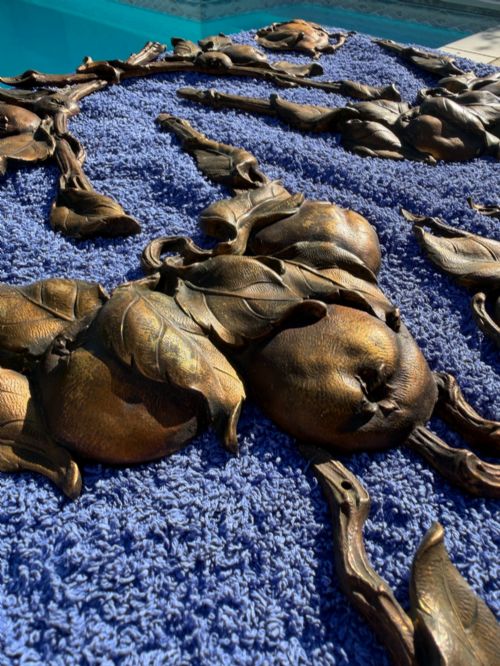
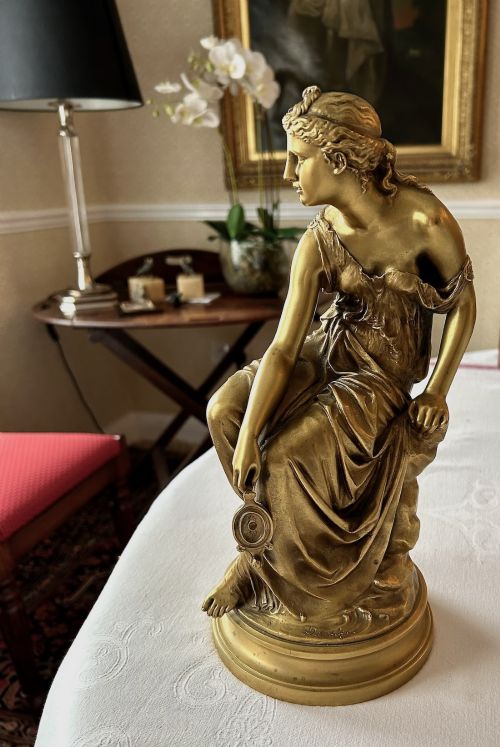
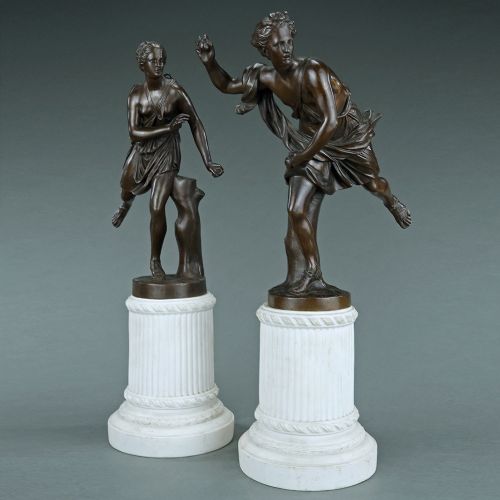
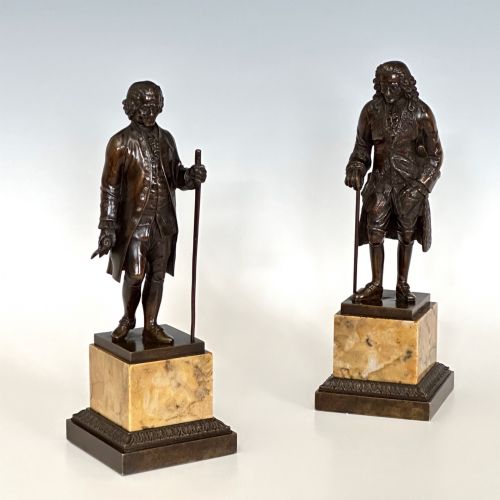
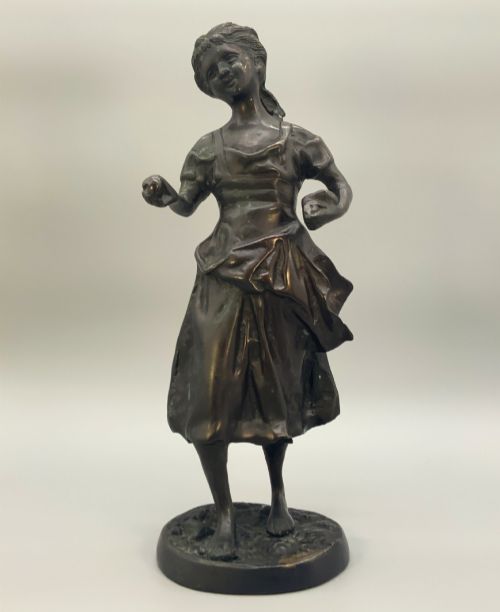
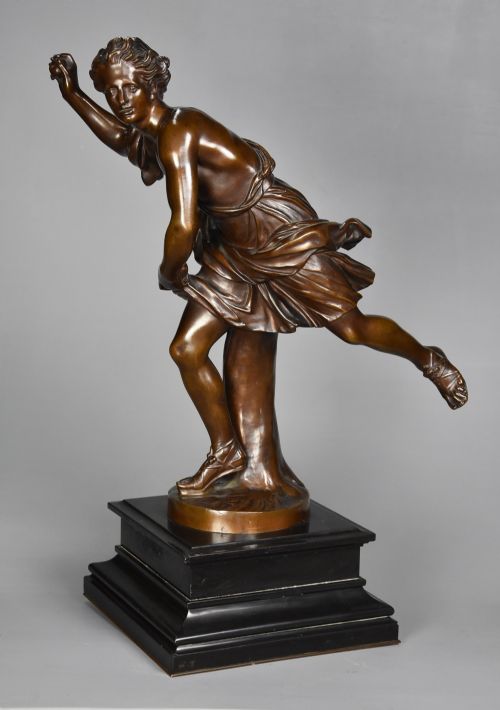
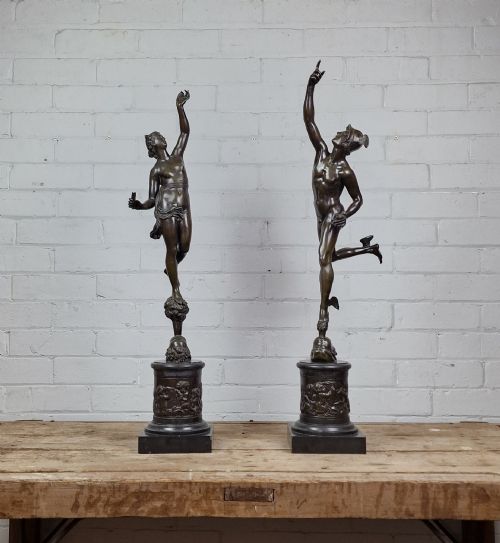
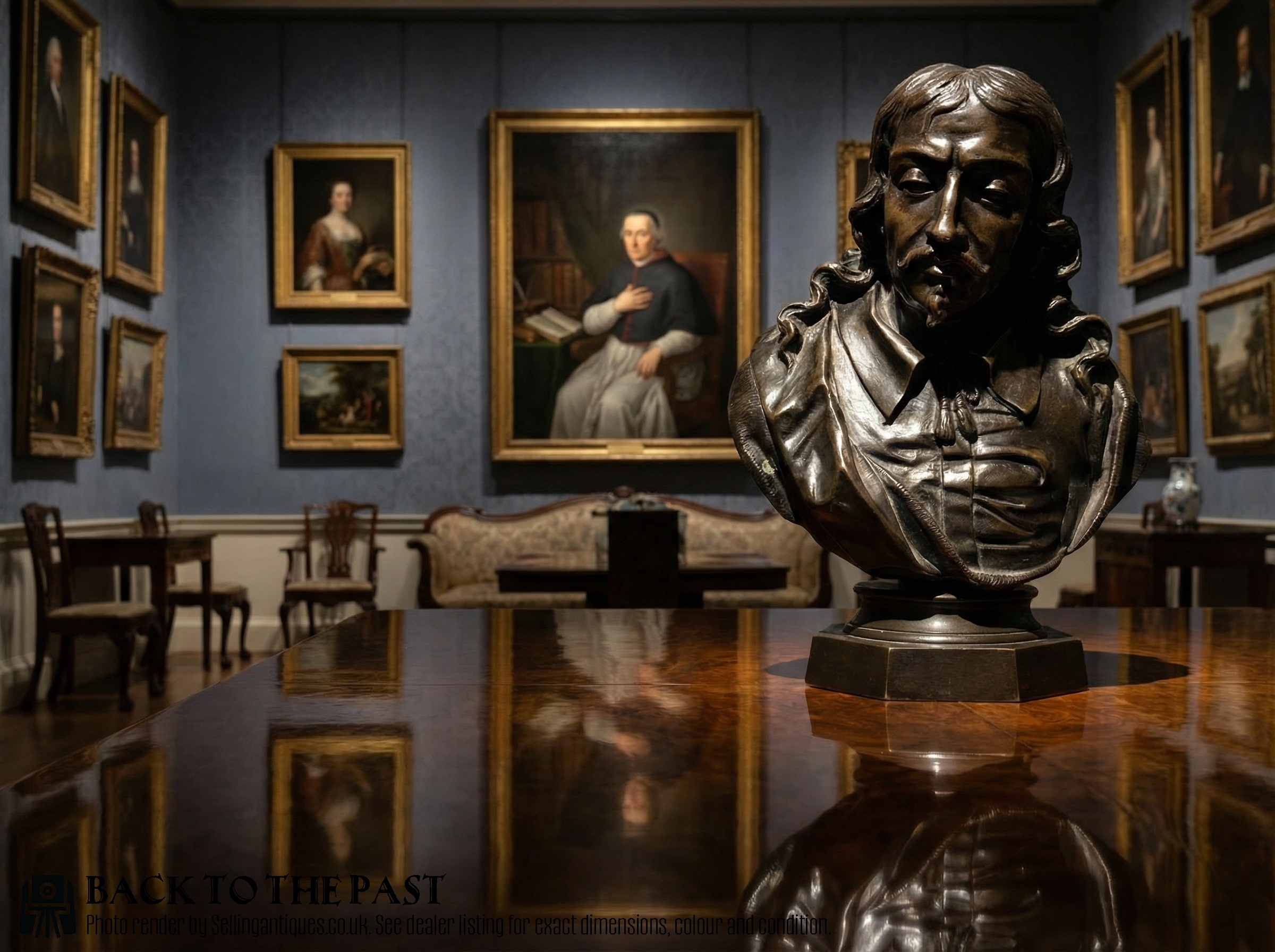
French 19th century sculpture includes freestanding figures, animalier studies, architectural mounts, and portrait busts produced across the 1800s. These works range from small cabinet bronzes to large scale garden ornaments and decorative fittings.
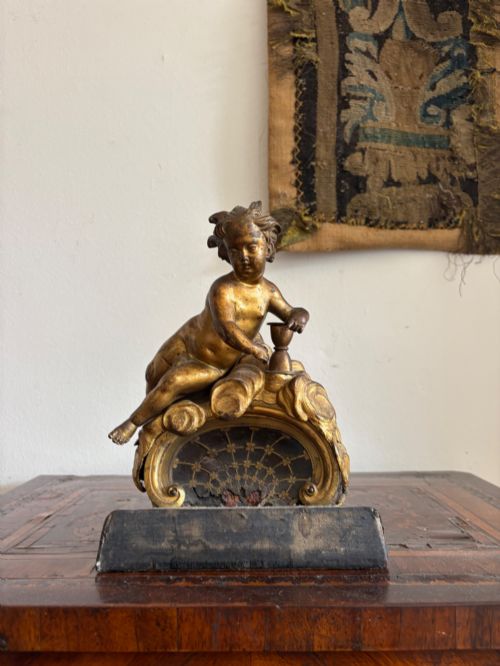
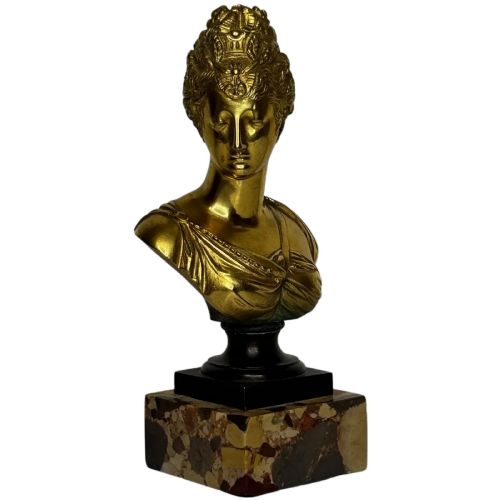
The most common pieces on this page are patinated and gilt bronzes depicting classical mythology, allegorical figures, and realistic animals. Founders and sculptors utilised traditional lost-wax and sand-casting methods to supply both private collectors and public spaces.
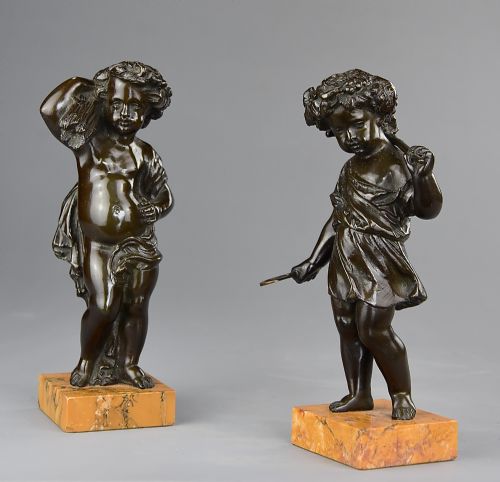
Subjects stretch from Roman soldiers and putti to hunting dogs, horses, and literary characters. Many output examples follow earlier masters or reinterpret classical antiquities through nineteenth-century realism and art nouveau sensibilities.
How They Were Made
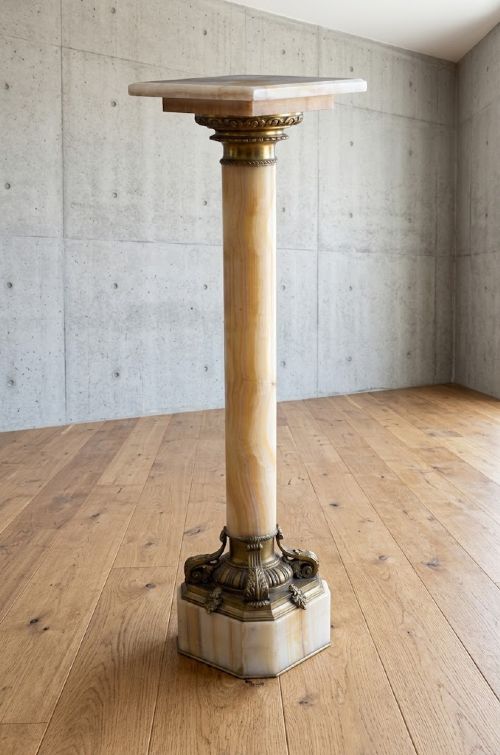
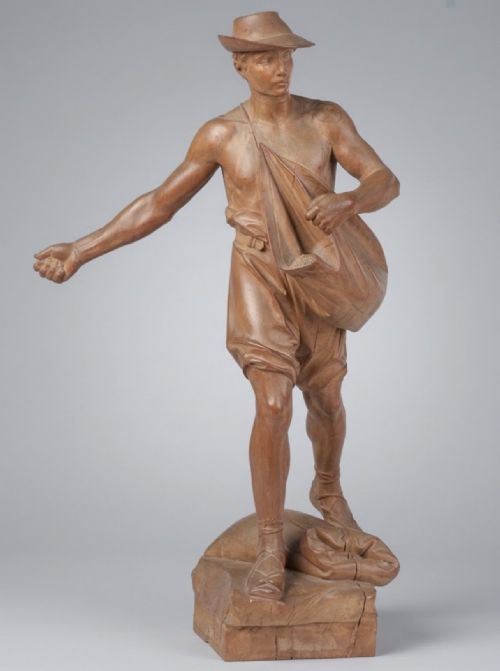
Foundries cast these pieces in bronze, brass, and spelter, often finishing the surfaces with dark patination, gilding, or ormolu mounts. Marble and onyx served as substantial bases for figures, while biscuit porcelain and terracotta provided alternative mediums for delicate portraiture.
Casting involved pouring molten metal into complex moulds before artisans chased, filed, and polished the cooled surfaces by hand. Signatures, foundry marks, and individual patinas were applied during these final workshop stages.
French 19th Century Sculpture Retail Price Guide 2026
Typical asking prices for french 19th century sculpture among the pieces listed under this phrase on Sellingantiques today, from the lower quarter to the upper quarter. They describe what is for sale here now, not the wider market.
Listings feature works cast in bronze, patinated bronze, gilt bronze, ormolu, carrara marble, plaster, and biscuit porcelain.
What Varies in Quality
Quality depends upon the crispness of the metal chasing and the depth of the hand-applied patina. Superior castings retain sharp anatomical details, clean drapery folds, and distinct facial expressions without soft edges or obscured signatures.
The choice of base materials, such as solid carrara marble or heavy gilt ormolu rather than lighter alloys, separates standard commercial editions from high-end foundry productions. Master founders achieved superior weight, balance, and visual depth.
Poix Blin·Etienne-Henri Dumaige·Ferdinand Barbedienne·Lemoyne·P J Mêne·Jules Buste Labatut·Claude Michael Clodion·Moreau Family·Coustou·Giambologna·Louis Emile Cana·F. Milliot·Pierre-Augustin Caron de Beaumarchais·August Moreau·Houdon·E Villanis·Michel Victor Acier·Pierre Jules Meme·Émile Louis Picault·Jules Bonheur·Mathurin Moreau·P Granet·Antoine Louis Barye·Antoine L Barye·J.E. Masson
The French 19th Century Sculpture Glossary
- Animalier
- Art depicting animals, particularly horses, dogs, and wild predators in dynamic or naturalistic poses. Nineteenth-century French founders elevated this genre through precise anatomical study.
- Ormolu
- Gilt bronze created by applying a mercury and gold amalgam to a bronze object. This technique produced a rich, durable golden surface on decorative mounts and furniture ornaments.
- Patinated Bronze
- Metal treated with chemical solutions to produce a controlled surface colour, usually deep brown, green, or black. It protected the metal and highlighted sculptural contours.
- Spelter
- A zinc alloy used as a less expensive alternative to bronze during the nineteenth century. Often given a bronze-like finish to mimic costlier metal sculptures.
- Lost-wax casting
- A metal casting method where a wax model is melted out and replaced with molten bronze. This technique allowed for intricate detail and undercut forms.
French 19th Century Sculpture: Frequently Asked Questions
What is an animalier sculpture?
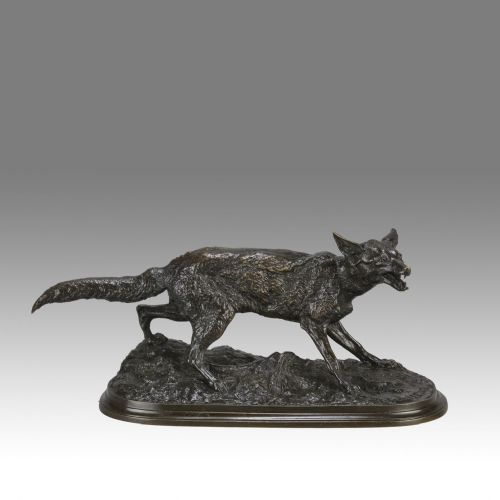
Animalier sculpture focuses on realistic depictions of animals in motion or repose. French artists popularised this genre during the mid-nineteenth century.
These pieces capture lions, dogs, and horses with anatomical accuracy, often cast in small cabinet sizes for home display.
How can I tell bronze from spelter?
Bronze is heavier, colder to the touch, and rings with a clear tone when tapped gently. Spelter is a softer zinc alloy that feels lighter and shows a duller sound.
Examining the underside or areas of wear often reveals the paler grey metal beneath a surface bronze-coloured finish on spelter pieces.
Where were these sculptures displayed?
Nineteenth-century collectors placed these sculptures on mantelpieces, mahogany pedestals, and library tables. Ormolu mounts also adorned fine furniture.
Grand houses used large marble bases and bronze groups as focal points in entrance halls and drawing rooms.