


Antique Literary Statue
An antique literary statue brings the great figures of poetry and drama onto the library shelf in bronze, marble, and plaster.
Antique Literary Statue
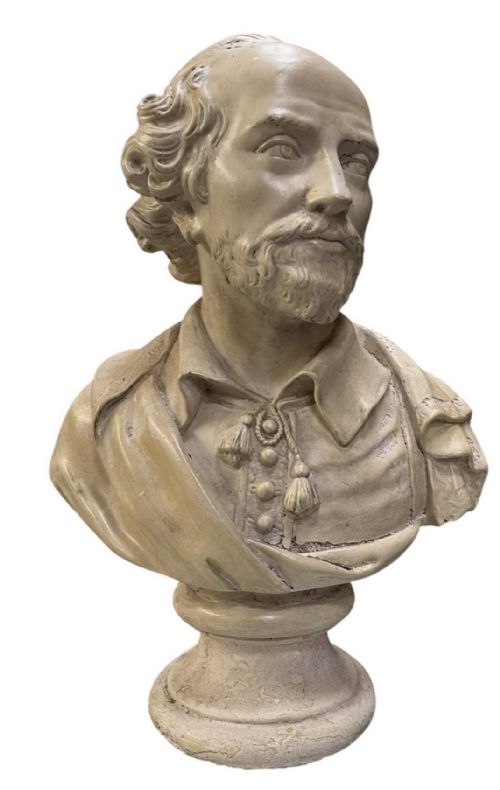
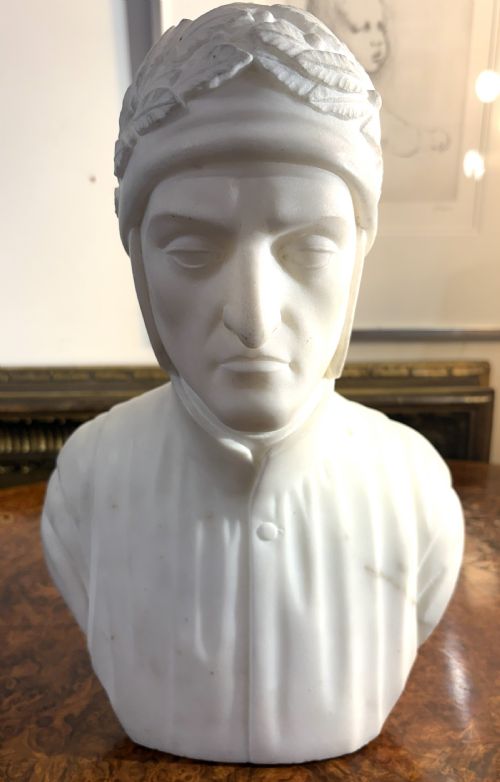
An antique literary statue represents famous writers, poets, and dramatists such as Dante Alighieri, William Shakespeare, Walter Scott, and John Milton. These figures take the form of library busts and full sculptures cast or carved to honour literary heritage.
Most examples on this page belong to the nineteenth century, including Victorian works and classical revival pieces. Makers shaped these subjects in durable bronze, white plaster, and Staffordshire earthenware to furnish studies and libraries.
The forms vary from modest plaster library busts set on brackets to substantial bronze studies mounted on marble bases. Collectors encounter both single portrait busts and paired sculptures of notable literary figures.
How they were made
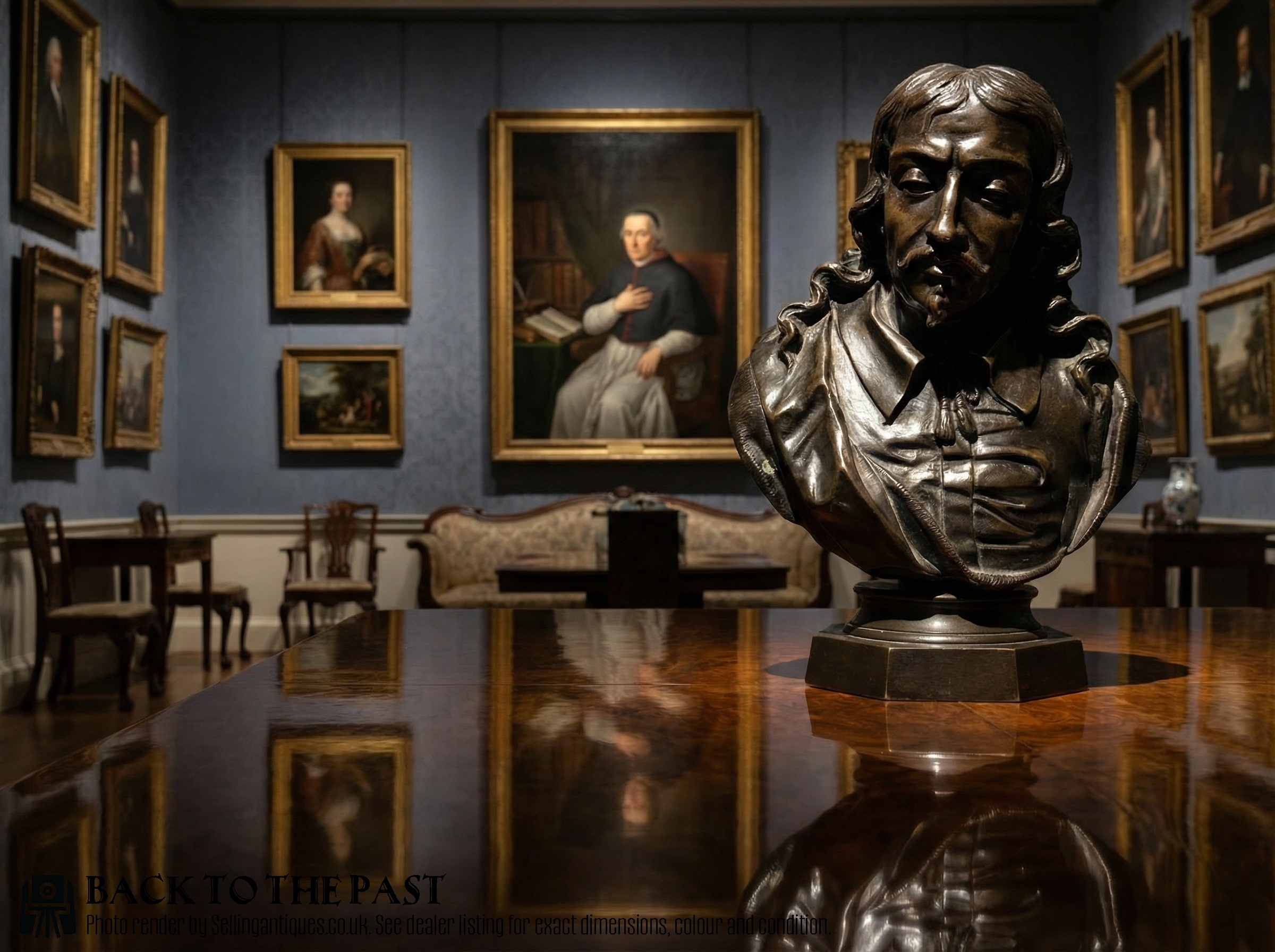
Foundries cast many of these pieces in bronze, applying patination to achieve deep surface tones on figures and drapery. Some bronze sculptures sit upon contrasting black or white marble bases and plinths.
Makers utilised plaster and gesso for interior library busts, sometimes capturing crisp detail in white relief. Potters shaped earthenware and pearlware, finishing Staffordshire pieces with glaze.
Sculptors carved white marble to produce smooth, classical portraits intended for prominent display in nineteenth-century interiors. Foundries and studios often combined these materials with brass or marble brackets.
Materials recorded across the current inventory include patinated bronze, pearlware, earthenware, and black marble.
What varies in quality
Materials create a clear distinction across the range, with heavy cast bronze and carved marble commanding attention above simple plaster or earthenware. The choice of mount, such as a stepped marble base or a fitted bracket, alters the presence of the work.
Signatures from known sculptors or foundries elevate a piece, marking it out as the product of a skilled hand rather than a commercial workshop.
Raffaelo Monti·Leofanti Adolphe·Ernest-Eugène Hiolle
The Antique Literary Statue Glossary
- Library bust
- A sculptural head and shoulders portrait designed specifically for display on bookshelves or study desks. These pieces typically stand on a modest socle or plinth.
- Patinated bronze
- Bronze that has been treated with chemical solutions to produce a controlled surface colour or dark tone. This finish protects the metal and highlights the sculptural contours.
- Pearlware
- A fine earthenware developed in England during the late eighteenth century featuring a thin glaze that pools slightly blue. Staffordshire potteries utilised this body for early portrait figures.
- Gesso
- A plaster-like material applied to a core and carved or moulded to form decorative surfaces. It frequently serves as a smooth base for painted or gilded finishes on architectural brackets.
- Neo-Renaissance
- A nineteenth-century revival style drawing upon the art and architecture of the fifteenth and sixteenth centuries. This aesthetic influenced the rich detailing found on many portrait sculptures.
Antique Literary Statue: Frequently Asked Questions
Which poets appear most often?
William Shakespeare and Dante Alighieri dominate the available subjects, reflecting their enduring status in nineteenth-century libraries.
Sir Walter Scott and John Milton also appear frequently in bronze and plaster formats.
Where were these displayed originally?
Owners placed these sculptures in private libraries, studies, and drawing rooms as symbols of learning and literary taste.
Smaller busts rested on bookshelves or brackets while heavier bronzes stood on dedicated marble plinths.
How do I distinguish bronze from plaster?
Bronze offers cold weight and metallic resonance, often showing a dark patinated surface finish.
Plaster feels lighter, absorbs room temperature more readily, and presents a matte white or tinted composition.
Are these pieces usually signed?
Certain works bear the signature of the sculptor or the stamp of the foundry on the base or truncation.
Many popular library busts remain unsigned, having been produced in quantity for the nineteenth-century market.