


Antique Library Ornament
An antique library ornament brings classical figures, globes and carved marble into the study.
Antique Library Ornament
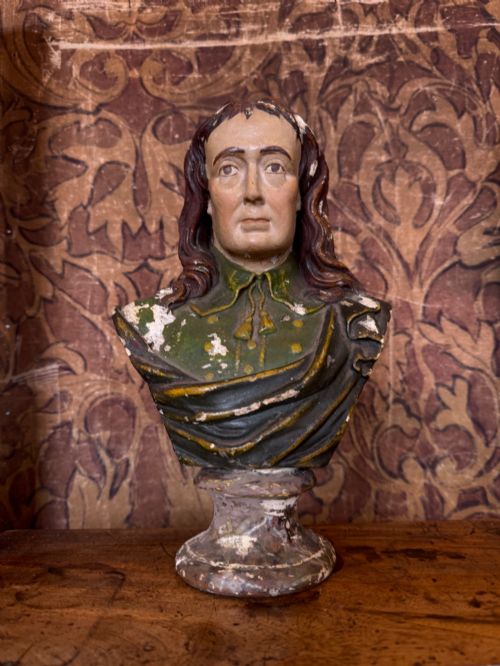
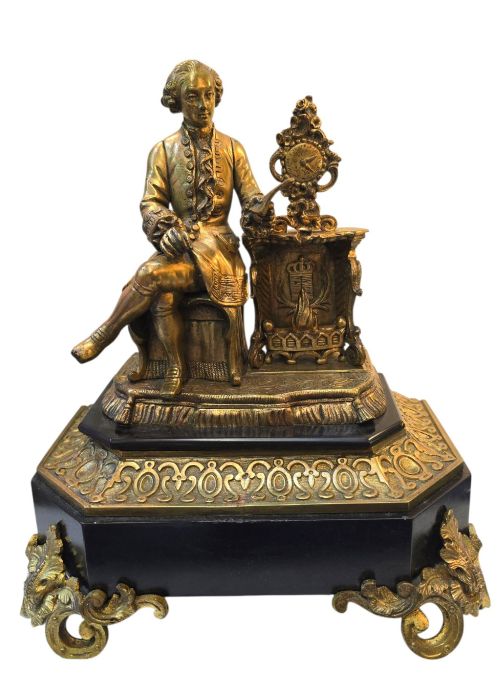
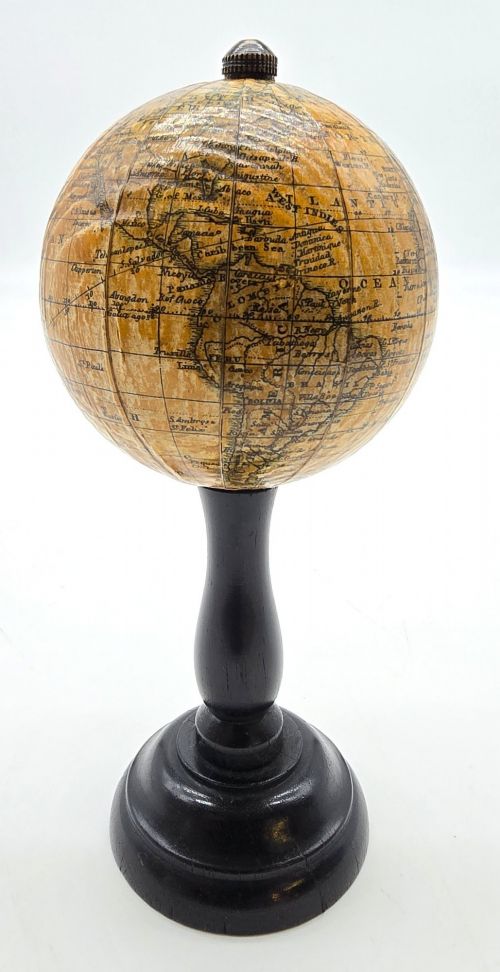
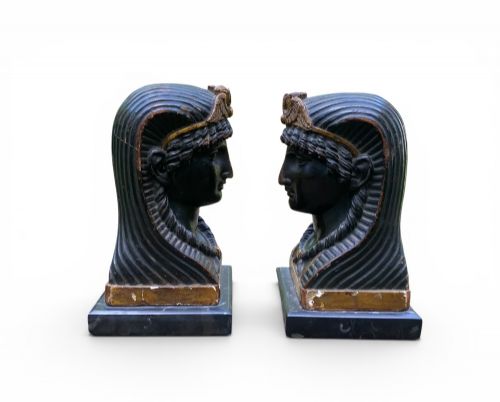
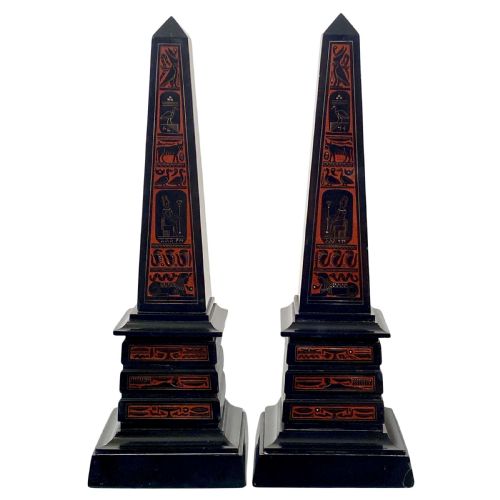
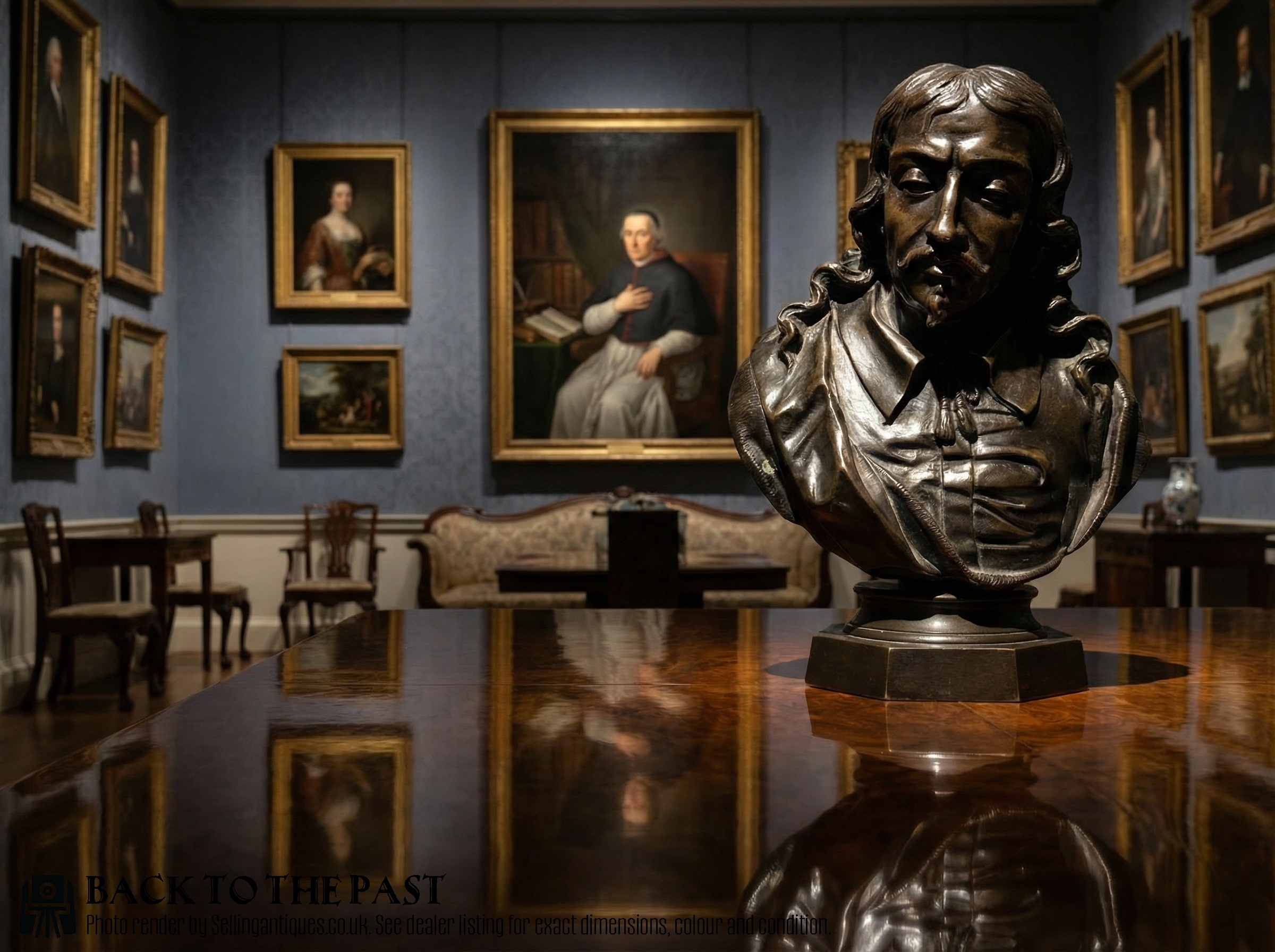
When buyers search for an antique library ornament, they encounter desk globes, bronze sculptures, marble obelisks and figural busts designed for desks and bookshelves. These pieces draw heavily on 19th-century Grand Tour travels, classical antiquity and literary figures such as Shakespeare, Milton and Voltaire.
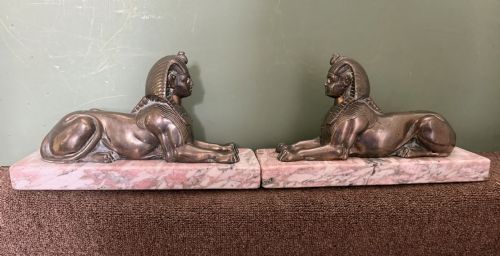
The items most frequently met on this page range from small desk globes dated to the interwar period down to 19th-century French bronzes and Egyptian Revival marble obelisks. Wood sphinxes and Staffordshire pottery busts also appear, representing the diverse decorative objects traditionally placed in private studies and libraries.
Originating largely from English and French workshops during the 19th century and early 20th century, these objects served both an intellectual and decorative function. They reflect the scholarly tastes of past collectors who filled their reading rooms with miniature architecture, mythological figures and portraits of writers and philosophers.
Materials and construction
Bronze and ormolu form the basis of many sculptural pieces, often cast with significant detail and mounted on marble plinths or ebonised wood stands. Workshops employed traditional lost-wax casting methods to produce figures of lions, classical deities and literary portraits.
Materials documented across the pieces include bronze, marble, paper, wood, metal, gilt bronze, ormolu and ebonised wood.
Assessing quality and execution
The distinction between ordinary and superior pieces rests on the crispness of the casting and the quality of the materials selected. Finer bronzes show sharp facial expressions, clean tooling and deep patination, whereas lesser examples lose definition in the drapery and hair.
Stone objects depend on the purity of the marble veining and the precision of the geometric angles, particularly on obelisks and plinths. Similarly, desk globes rely on the accuracy of the cartography and the stability of the turned wooden stands.
Pierre-Augustin Caron de Beaumarchais·Thomas Hope
The Antique Library Ornament Glossary
- Grand Tour
- A traditional trip of Europe undertaken by upper-class European young men of means in the 18th and 19th centuries. It resulted in the acquisition of classical antiquities and small bronzes for home display.
- Ormolu
- Gilded bronze, usually produced by applying a mixture of gold and mercury to a bronze base. This technique was widely used in French decorative arts.
- Obelisk
- A tall, four-sided, narrow tapering monument which ends in a pyramid-like shape at the top. They appear in miniature form in marble as decorative desk pieces.
- Ebonised wood
- Timber that has been treated and stained to resemble dense, black ebony. It provides a dark, neutral base for mounting bronzes and globes.
- Patina
- A thin layer that naturally develops on the surface of bronze and other metals over time through age and exposure. It adds depth and character to sculptural surfaces.
Antique Library Ornament: Frequently Asked Questions
What is an antique library ornament?
An antique library ornament is a decorative or scholarly object placed on a desk or bookshelf in a study. These items include small globes, bronze sculptures of literary figures, and marble obelisks.
They reflect the intellectual tastes of the nineteenth and early twentieth centuries, combining classical motifs with traditional study decor.
How were desk globes used?
Miniature desk globes served as functional reference tools for tracking geography alongside their decorative purpose. They allowed readers to consult global boundaries and shipping routes directly from their armchairs.
Over time, these globes transitioned from practical instruments into prized display pieces for private libraries.
What materials are common in these ornaments?
Bronze and marble are the most frequent materials found in these study pieces, often paired together with metal figures mounted on stone plinths. Ebonised wood and paper also appear in miniature desk globes.
Each material was chosen to add weight, colour and texture to the gentleman's study.
How do I care for bronze and marble?
Bronze pieces require gentle dusting with a soft, dry cloth to prevent the accumulation of dirt on the patinated surface. Avoid liquid cleaners that can strip the historic finish.
Marble surfaces should similarly be kept clean with a soft cloth, taking care to protect polished stone from moisture and acidic substances.
How can I tell the period of a piece?
Dating relies on observing the material composition, casting style and any signatures or paper labels attached to the base. Nineteenth-century pieces often reflect specific revivals such as Egyptian Revival or French Restauration.
Comparing the mounting style and the wear on the material helps distinguish earlier Grand Tour items from later interwar reproductions.