



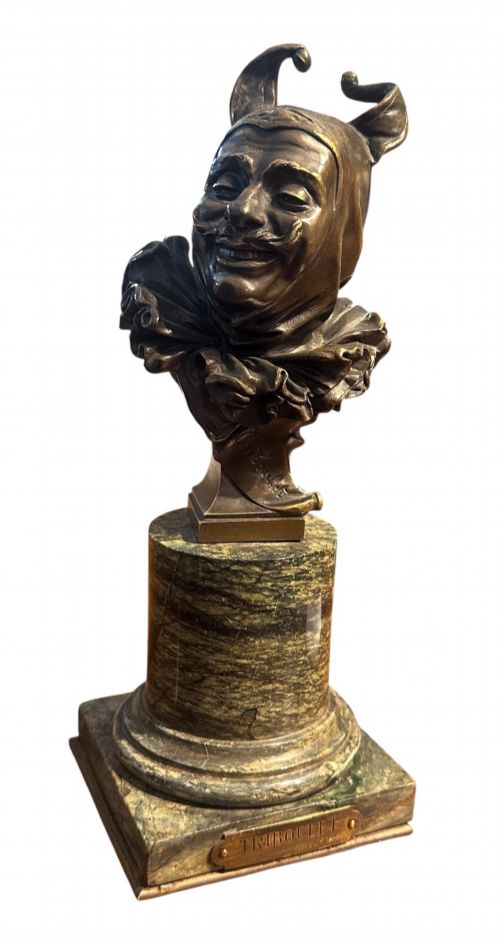


Patinated Bronze Figure Bust
A patinated bronze figure bust brings historic character and fine sculptural detail into a room.
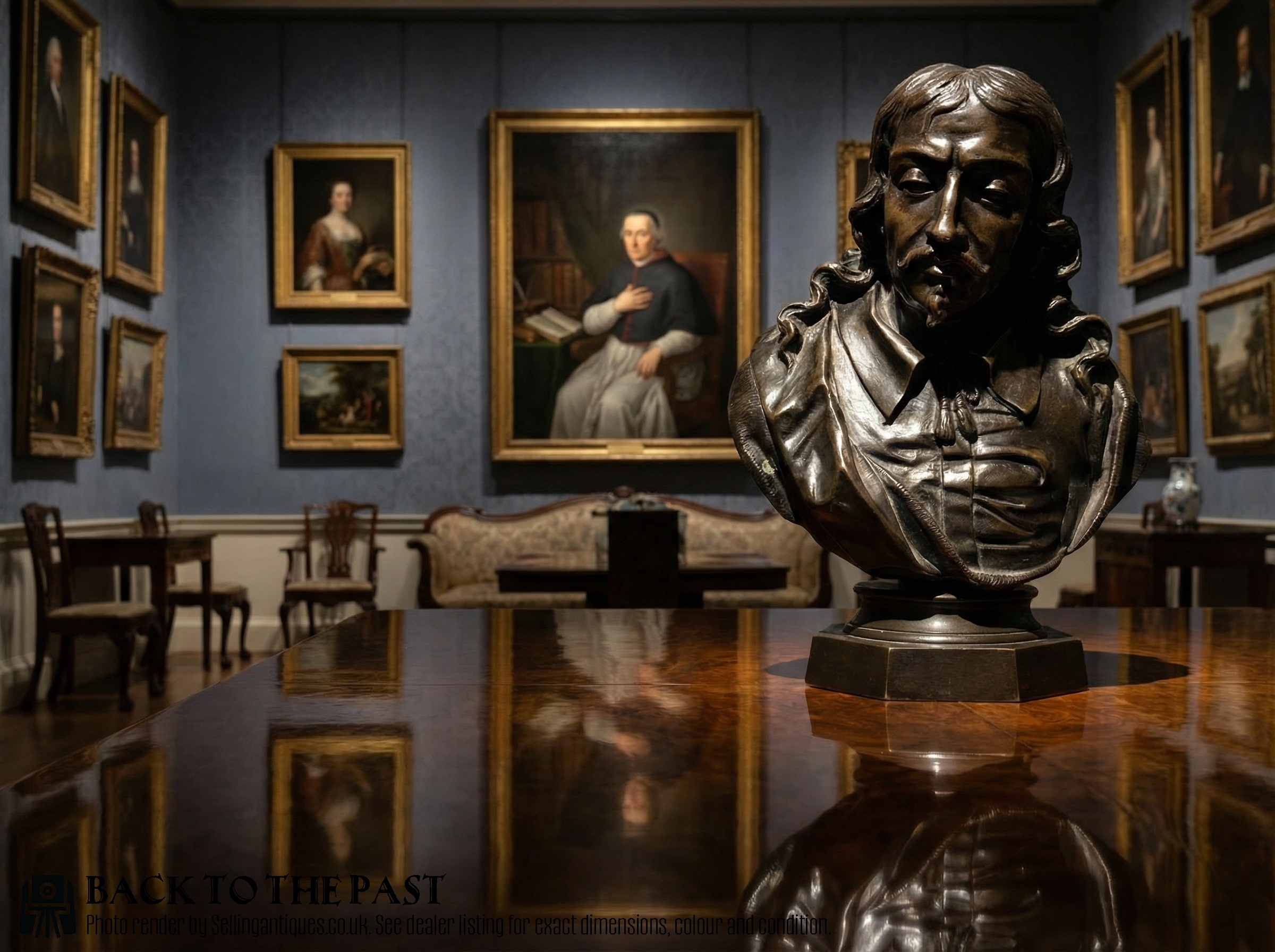
Patinated Bronze Figure Bust
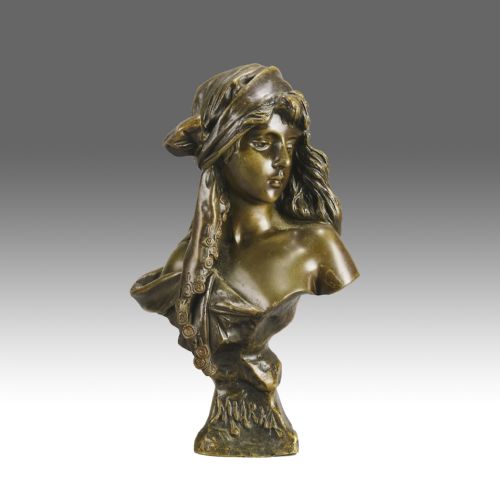
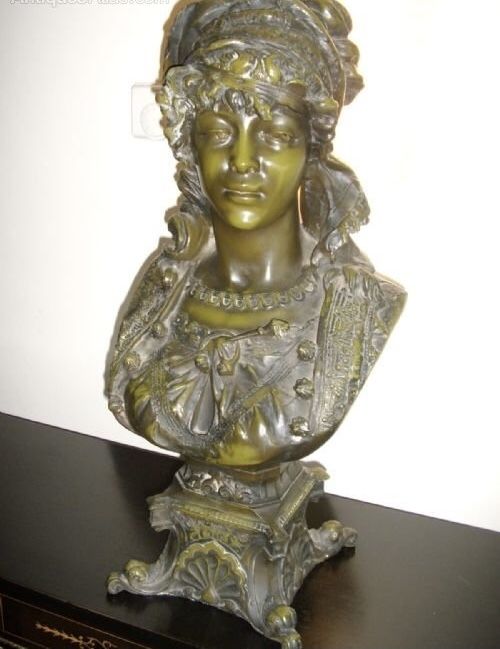
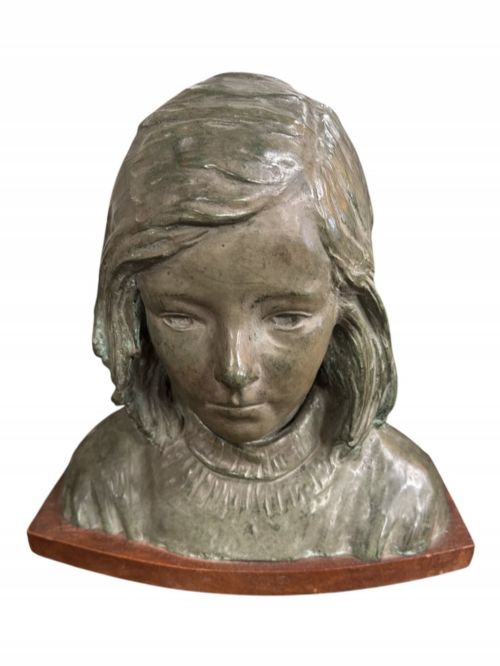
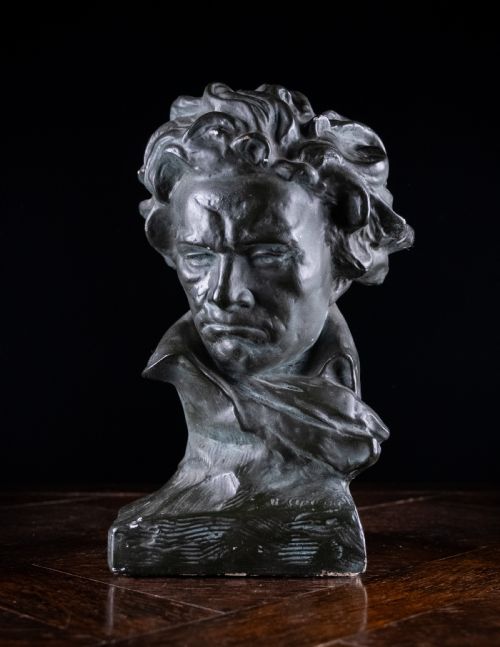
A patinated bronze figure bust captures the likeness of classical figures, literary icons, or youthful maidens in three dimensions. When exploring a patinated bronze figure bust, collectors frequently encounter French foundry work from the nineteenth century alongside later Art Nouveau interpretations.
The selections span from Grand Tour souvenirs of classical philosophers to decorative portraits shaped during the Art Deco era. Most examples focus on the head and shoulders, mounted firmly on integral metal bases or contrasting plinths.
Makers ranged from established Parisian sculptors to regional foundries producing cabinet-sized portraits. These sculptures reflect changing aesthetic tastes across the Victorian period and into the twentieth century.
Assessing quality and craftsmanship
The depth and consistency of the patination layer contribute significantly to the visual appeal of the sculpture. Skilled surface treatment highlights the contours of the form rather than obscuring the underlying metalwork.
Listings feature bronze, terracotta, and marble materials across nineteenth-century and early twentieth-century periods.
Emmanuel Villanis·Henri Plé·Ernest Eugène Hiolle·Georges Charles Coudray·Georges Van Der Straeten
The Patinated Bronze Figure Bust Glossary
- Patination
- The chemical or natural surface coloration applied to bronze to enhance depth and protect the metal. This finish ranges from rich chocolate brown to near black.
- Grand Tour
- A cultural journey undertaken by nineteenth-century travellers who acquired classical portrait busts as souvenirs. These pieces often depict ancient philosophers or mythological rulers.
- Lost-wax casting
- A traditional technique where a wax model is melted away to leave a mould for molten bronze. This method allows for intricate undercut details in sculptural portraits.
- Spelter
- A zinc alloy commonly utilised as a substitute for bronze in decorative figures. It typically receives a bronze-coloured coating to mimic heavier metal.
- Chasing
- The manual post-casting process of refining metal surfaces using small hammers and punches. This step eliminates casting flaws and sharpens textural details.
Patinated Bronze Figure Bust: Frequently Asked Questions
How do I clean a patinated bronze bust?
Dust the surface gently with a soft, dry brush to prevent the accumulation of grit in the recesses of the casting. Avoid abrasive cleaners, oils, or moisture that might disturb the chemical patination.
Apply a very thin layer of microcrystalline wax if the metal appears dry, and buff it gently with a clean cloth. Proper maintenance preserves the historic skin of the bronze without altering its colour.
What is the difference between bronze and spelter?
Bronze is a durable alloy of copper and tin that accepts detailed casting and deep patination. Spelter uses cheaper zinc, which feels lighter and proves more brittle under stress.
Look at the underside or areas of wear to check the underlying metal colour. Spelter often shows a greyish metal beneath a rubbed surface finish.
Where were these busts displayed historically?
Nineteenth-century collectors placed portrait busts on library mantelpieces, study desks, and dedicated pedestal tables. They served as scholarly touches or displays of artistic taste in domestic interiors.
Smaller cabinet bronzes suited enclosed glass vitrines or writing cabinets. Their scale allowed them to integrate easily into private domestic spaces.
How can I identify an Art Nouveau bust?
Art Nouveau examples display characteristic flowing hair, organic plant motifs, and soft, asymmetrical drapery. The female subjects often wear stylised robes typical of the turn of the twentieth century.
Foundry marks and artist signatures from this period frequently appear in cursive script along the truncation line of the shoulder.