
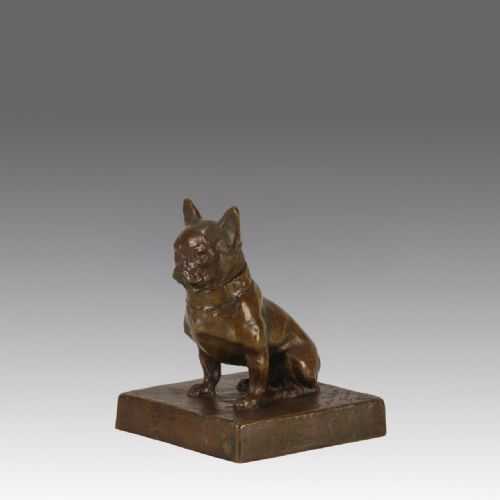
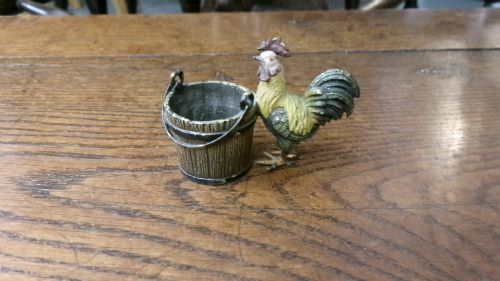


Small Bronze Figurine
These small bronze figurine examples bring tactile weight and historic character to a desk or shelf, spanning centuries of foundry work.
Small Bronze Figurine
A small bronze figurine represents cast metal sculpture reduced to a domestic scale, designed for close handling or display on furniture rather than public plinths. When searching this phrase, a buyer meets everything from animal studies and mythological figures to portrait busts and desk ornaments.
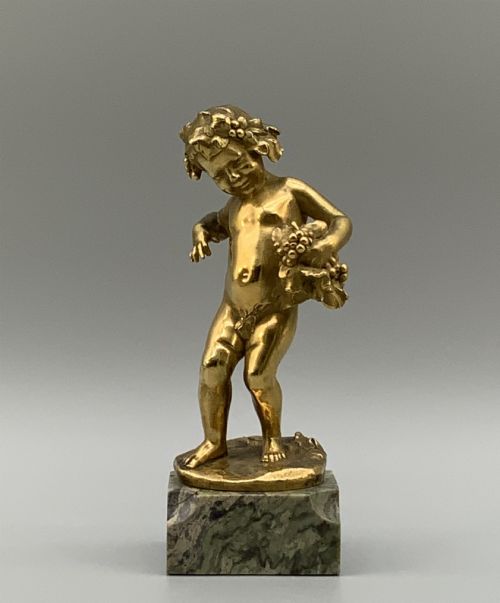
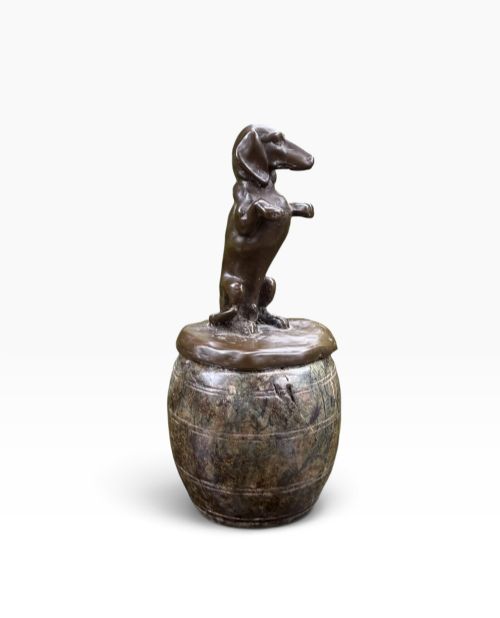
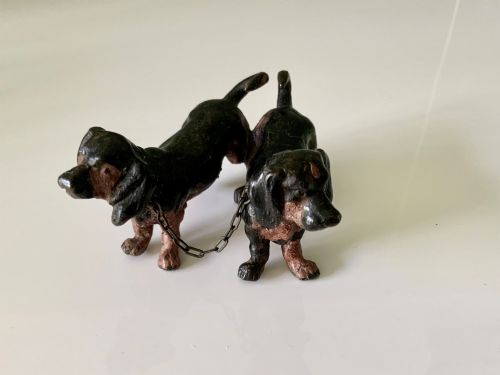
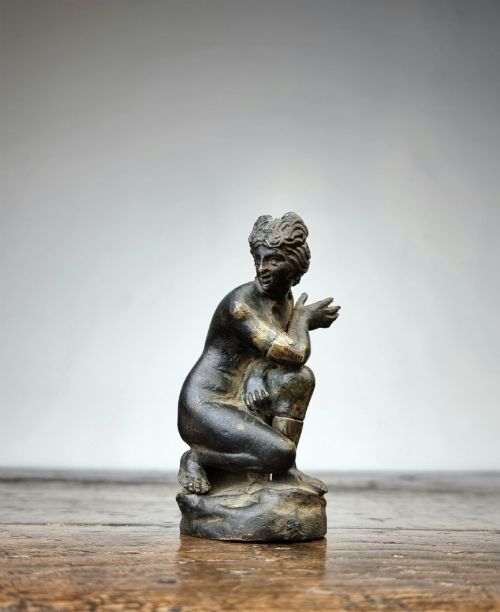
The selections here stretch across multiple periods, with nineteenth century output and turn of the century Vienna bronzes appearing frequently alongside earlier examples. Forms range from utilitarian paperweights and scroll weights to purely decorative statuettes depicting dogs, birds, mythological figures, and human subjects.
How they were made
Foundries utilised traditional casting methods to capture fine detail, often mounting finished metalwork onto bases of marble, alabaster, or mahogany. Surface treatments include cold painted polychrome finishes and gilt highlights applied over the bronze base.
Many animal studies and figurative works rely on precise chasing and cold painting to define fur, plumage, and facial expressions after the initial cast cools. Combinations of brass, cut crystal, and paint appear alongside plain patinated bronze.
A tiny frog waits patiently alongside a giant crystal diamond, proving that small bronzes take whimsy as seriously as mythology.
What varies in quality
The integration of secondary materials such as marble bases, crystal elements, or applied pigments distinguishes standard production from finer sculptural studies. Proportion and balance in smaller domestic castings also indicate the skill of the foundry and modeller.
Charles Louis Malric·Susse Frères·Dora Heber
The Small Bronze Figurine Glossary
- Vienna bronze
- A small bronze figurine produced in Austrian workshops, typically characterised by detailed cold painted polychrome surfaces.
- Cold painted
- A technique where paint is applied to a cold metal surface rather than fired in a kiln, often prone to rubbing over time.
- Animalier
- A nineteenth century artistic movement focused on the realistic depiction of animals, frequently realised in cast bronze.
- Grand Tour
- Souvenirs and classical small bronze figurine pieces collected by travellers touring European cultural sites during past centuries.
- Chasing
- The hand-tooling of a metal surface after casting to sharpen details, remove flaws, and refine textures.
Small Bronze Figurine: Frequently Asked Questions
How do I clean a small bronze figurine?
Dust gently with a soft dry brush to protect patination and any delicate painted surfaces. Avoid water, abrasives, or chemical polishes that strip historic finishes.
Keeping the piece in stable humidity prevents corrosion or damage to attached stone bases like marble or alabaster.
Are these figures solid bronze?
Most examples utilise traditional lost wax or sand casting methods resulting in solid metal, though some older or hollow casts exist depending on the foundry.
Heavier pieces often incorporate dense inner cores or sit upon substantial bases of marble, brass, or mahogany for stability.
What is a cold painted finish?
Cold painting involves applying oil or enamel paints directly onto unheated cast metal without kiln firing. This technique produces vibrant polychrome decoration on animal and human figures.
Because the paint sits on the metal surface without baking, handling can cause gradual wear around edges and high points.
How were these decorative bronzes used?
Owners placed them on desks as paperweights, displayed them on mantelpieces, or kept them in cabinets as miniature works of art. Many served dual purposes as functional desk accessories alongside pure ornamental statuettes.