







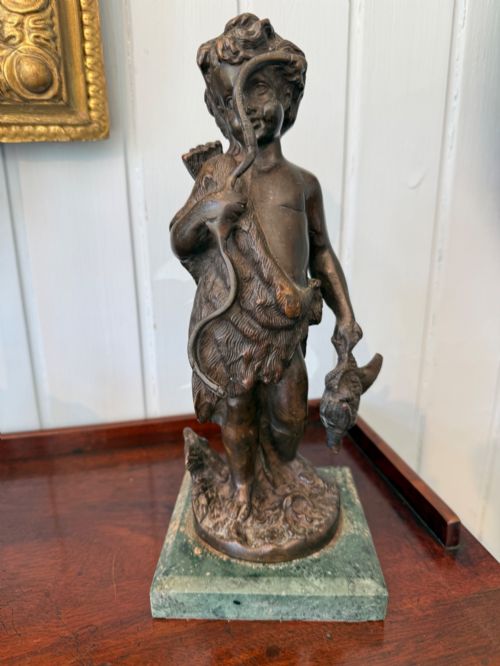
Bronze Figure on Marble Base
A bronze figure on marble base brings together heavy metalwork and stone plinths, ranging from classical Grand Tour souvenirs to sleek Art Deco dancers.
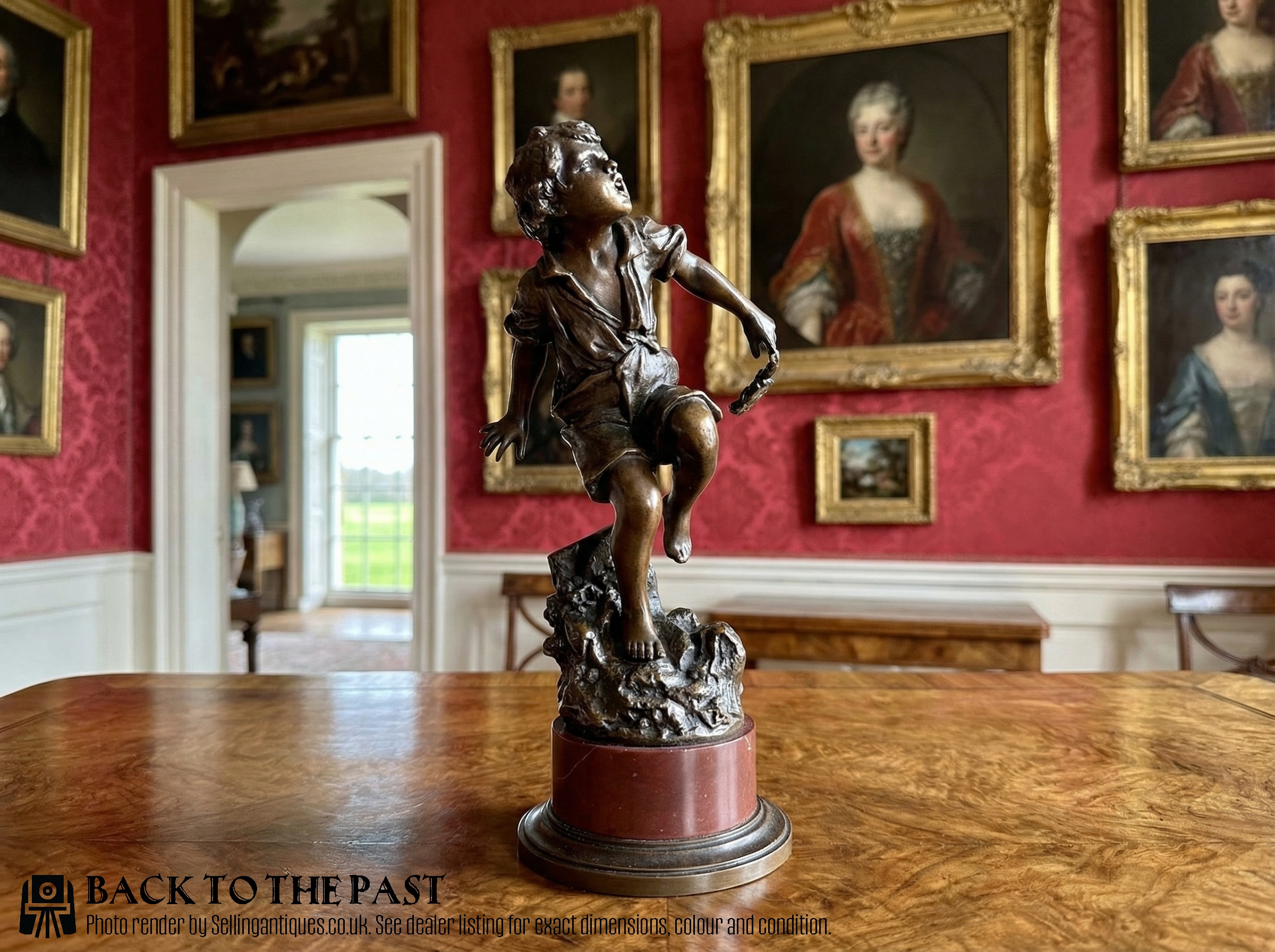
Bronze Figure on Marble Base
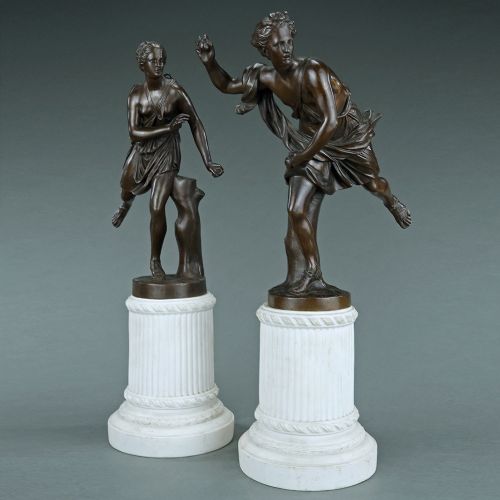
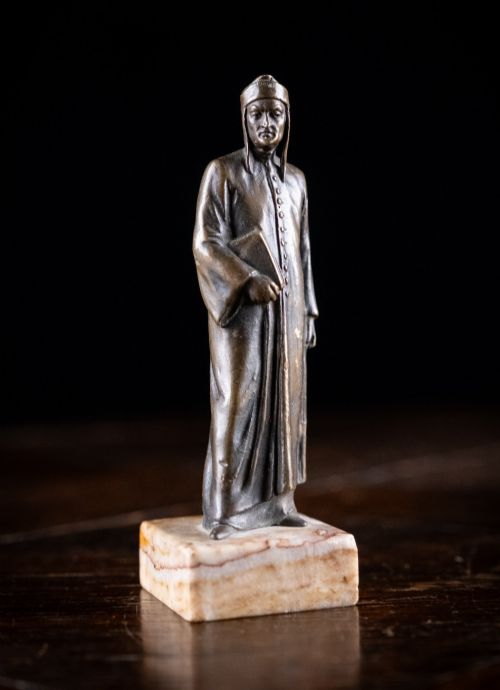
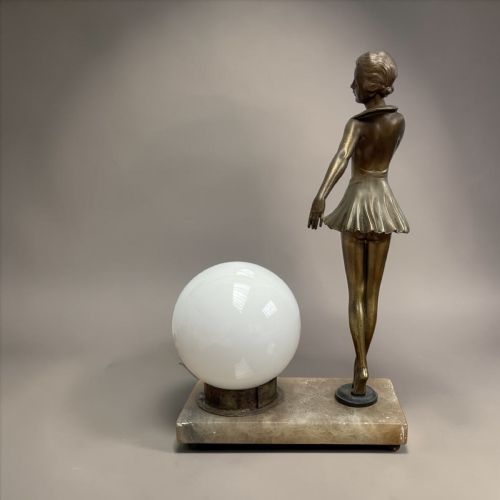
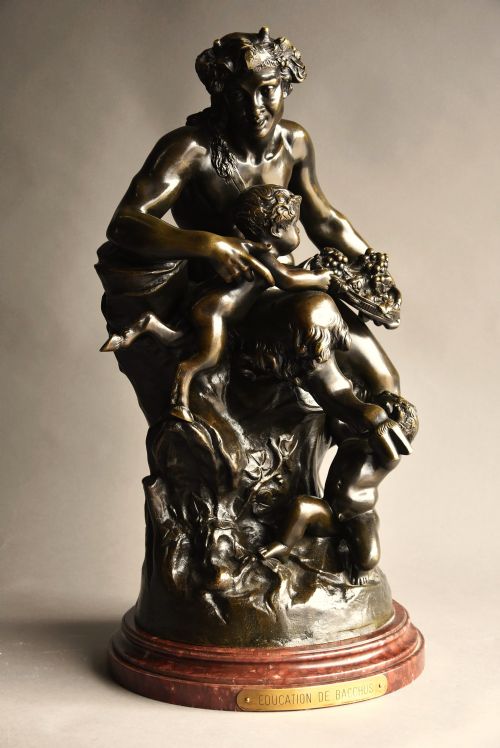
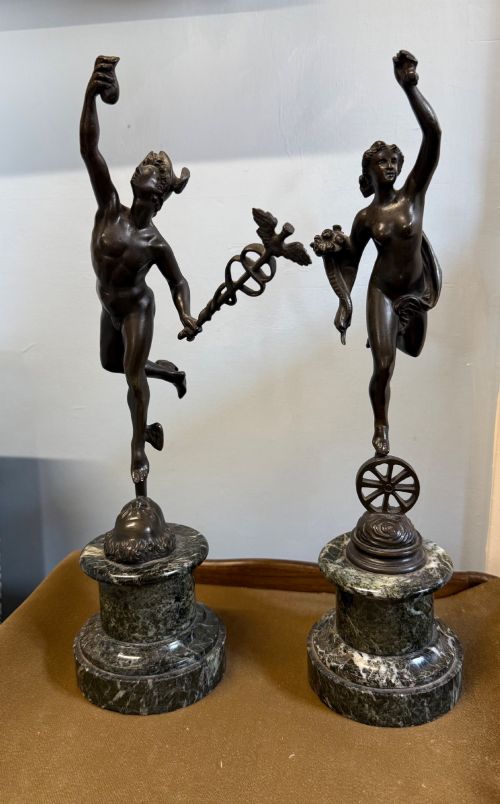
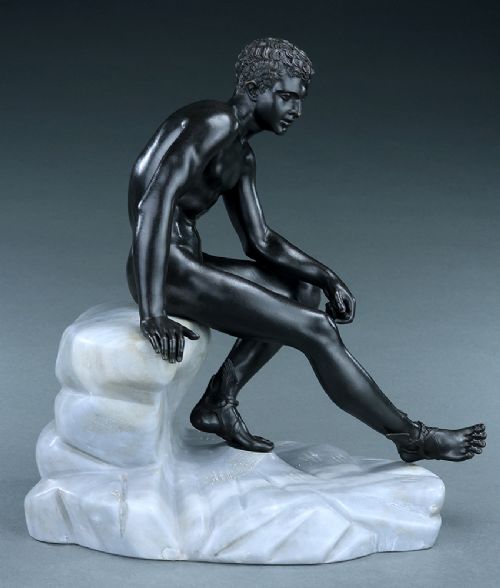
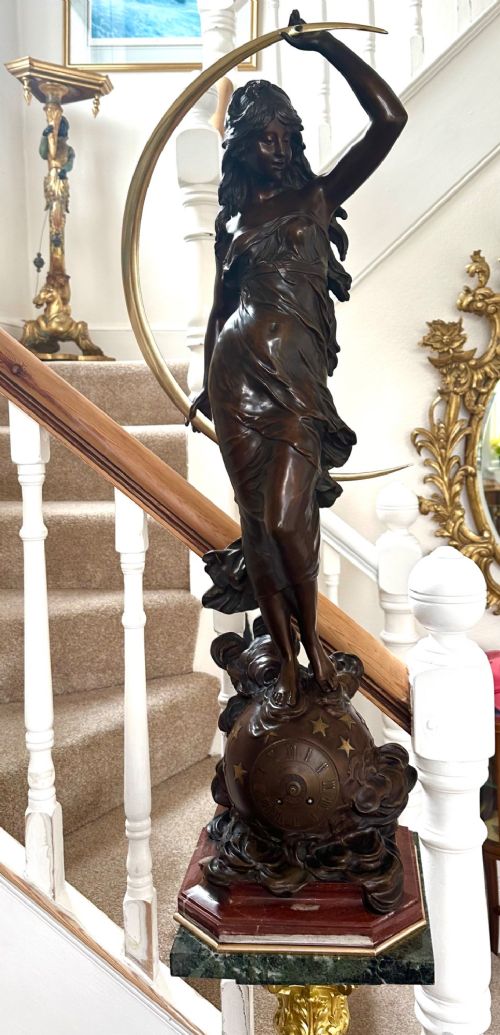
A bronze figure on marble base combines a cast metal sculpture with a fitted stone plinth, creating a stable display piece that spans multiple centuries of design. You will encounter nineteenth-century classical subjects, mythological figures, and animal studies alongside twentieth-century Art Deco dancers and table lamps.
Nineteenth-century examples frequently draw on classical antiquity, including Italian Grand Tour subjects like the Dying Gaul or the Capitoline Wolf mounted on dark, white, or Siena marble. These pieces served as scholarly mementos or decorative desk ornaments for affluent travellers.
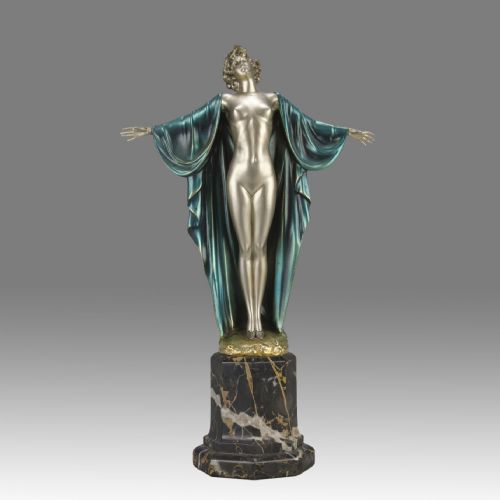
Twentieth-century iterations shift towards streamlined aesthetics, capturing human movement in dancers, athletes, and birds during the Art Deco period. These later works often pair gilt bronze or cold-painted surfaces with geometric marble bases.
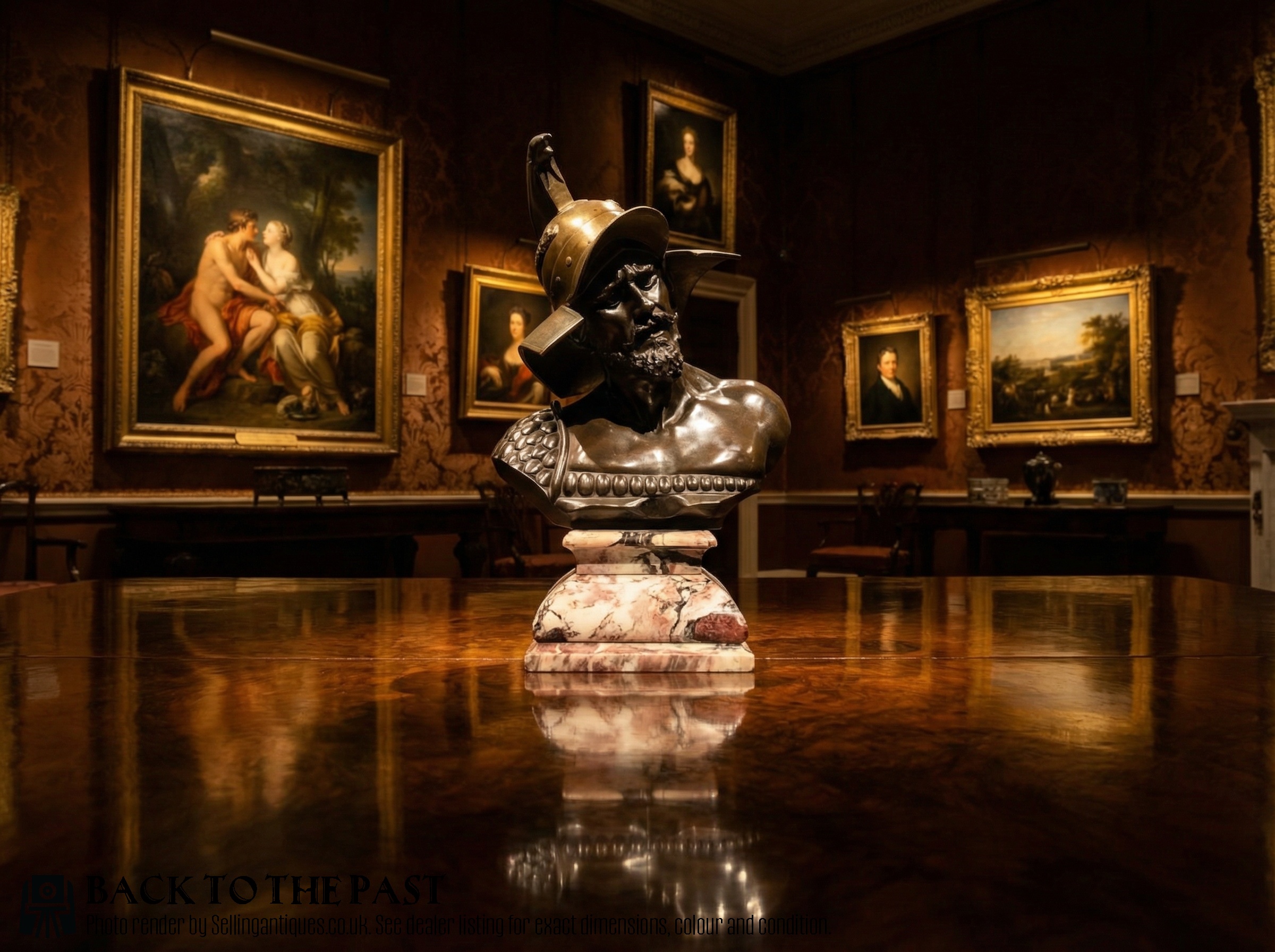
Materials and construction methods
The sculptural elements are produced using the lost-wax casting method or sand casting, utilising copper alloys that yield either traditional dark brown patination, bright gilt finishes, or fragile cold-painted polychrome details. Spelter occasionally substitutes for bronze in lower-cost or decorative figures.
The mounting plinths utilise various stones, predominantly natural marble, fossil marble, or variegated Siena marble, which are cut, turned, and polished to anchor the weight of the metal figure above.
Bronze Figure on Marble Base Retail Price Guide 2026
Typical asking prices for bronze figure on marble base among the pieces listed under this phrase on Sellingantiques today, from the lower quarter to the upper quarter. They describe what is for sale here now, not the wider market.
Listings feature nineteenth-century classical subjects alongside Art Deco animalier studies and lamp bases.
Judging the standard of execution
The choice and preparation of the marble base also dictate value, with dense, figured stones possessing rich veining and solid weight preferred over uniform or lesser composite materials.
Barbedienne·Bruno Zach·Pierre le Faguays·Ferdinand Preiss·August Moreau·Emile Carlier·Demetre Chiparus·Henri Godet·Georges Van Der Straeten·Pierre Jules Mene·Prosper Lecourtier
The Bronze Figure on Marble Base Glossary
- Cold-painted
- A technique where paint is applied to a cold bronze surface rather than fired in a kiln, making the delicate pigments susceptible to chipping over time.
- Grand Tour
- A traditional trip through Europe undertaken by upper-class Europeans in the eighteenth and nineteenth centuries, resulting in the acquisition of classical bronzes and architectural models.
- Patina
- The surface sheen or colour resulting from oxidation and age, which develops naturally on bronze or is chemically induced during manufacture.
- Spelter
- A zinc-based alloy commonly used as a cheaper alternative to bronze, requiring careful handling due to its softer composition.
- Chasing
- The manual finishing process where a metalworker uses hammers and punches to refine details, clean casting seams, and sharpen textures on the raw bronze.
Bronze Figure on Marble Base: Frequently Asked Questions
How do I clean the marble base safely?
Dust the stone regularly with a soft, dry cloth to prevent grit accumulation from scratching the polished surface. Avoid abrasive household cleaners, vinegar, or acidic substances, which permanently etch natural marble.
For stubborn grime, wipe gently with a damp cloth using a tiny drop of neutral soap, then dry immediately with a lint-free towel.
How can I tell bronze from spelter?
Bronze possesses a significant, heavy weight and a resonant ring when tapped gently, whereas spelter feels lighter and produces a dull thud. You can also inspect an unobscured underside or a felt pad edge; spelter reveals a greyish-white metal beneath any worn surface patina.
Bronze naturally shows a warm, reddish-brown hue under old wear, while exposed spelter looks chalky and dull.
Where were these figures displayed historically?
Nineteenth-century bronzes sat proudly upon library tables, mantelpieces, and dedicated pedestals within studies and drawing rooms as symbols of education and taste. Grand Tour souvenirs specifically commemorated travels through Italy and Greece, displayed to signal worldly sophistication to visitors.
Art Deco examples later found homes on streamlined sideboards, dressing tables, and executive desks as modern decorative accents.
Should I remove the felt from the base?
Original felt or baize pads protect both the marble base and your furniture from scratches, so keeping them intact preserves the historical integrity of the piece. If old felt has deteriorated or smells damp, replace it carefully with modern conservation-grade material.
Removing protective pads entirely risks chipping the delicate underside corners of the heavy stone plinth during placement.