




Bronze Dancing Faun Statue
These bronze dancing faun statue pieces bring the classical energy of Pompeii straight into a nineteenth-century study or mantelpiece.
Bronze Dancing Faun Statue
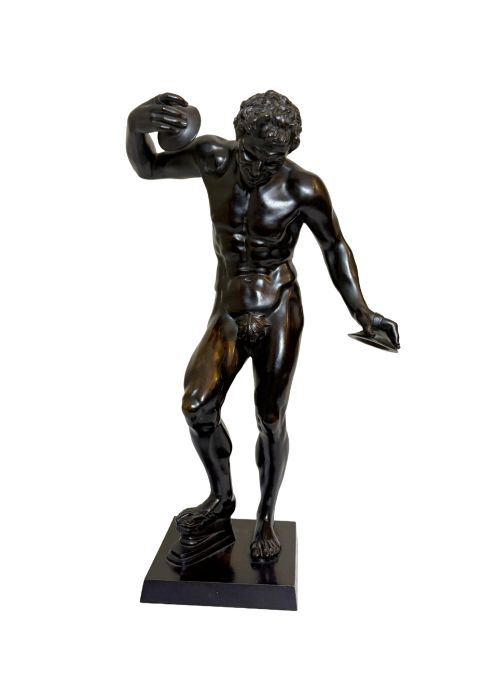
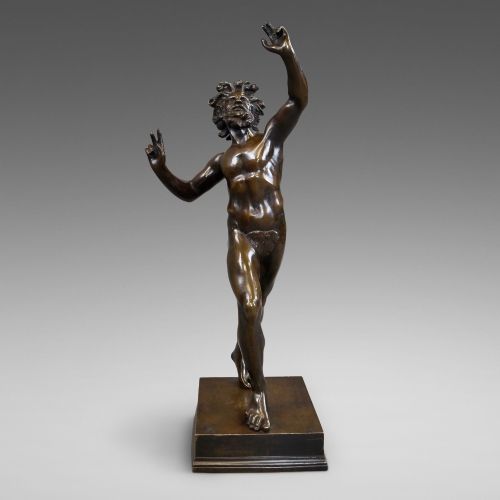
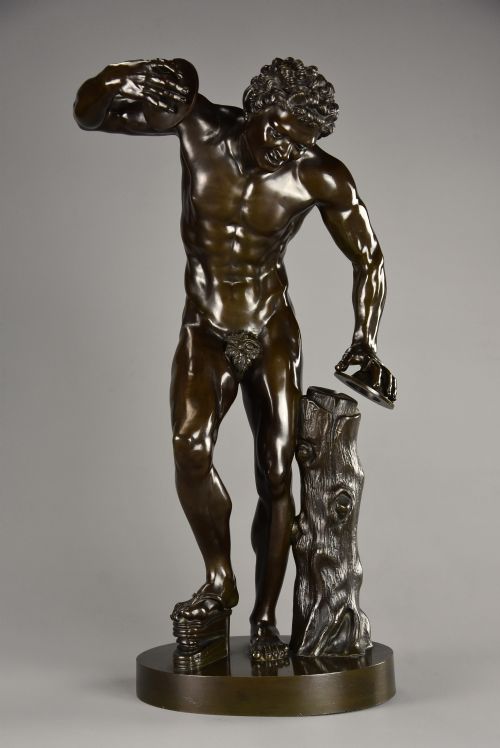
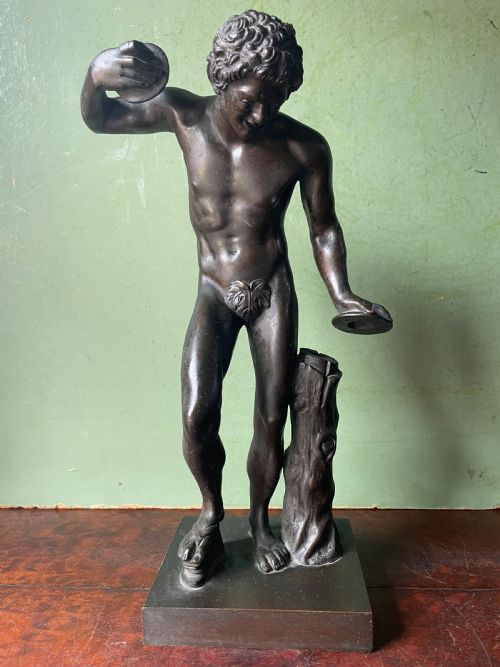
A bronze dancing faun statue captures the lively mythological figure derived from the ancient Roman sculpture discovered in the House of the Faun at Pompeii. Buyers will encounter these predominantly as nineteenth-century Grand Tour souvenirs and reductions modelled after the famous antique original.
The physical forms on this page include standing male figures playing cymbals, clappers, or holding thyrsus staffs, frequently described as Pan, Bacchus, or the dancing faun. Most examples date from the Victorian era and the late nineteenth century, created by European workshops for travellers touring Italy.
The materials span traditional cast bronze with dark or green patination, occasionally mounted on marble or stone bases, alongside rarer plaster models. Sculptures and statues range from small cabinet souvenirs to larger library bronzes.
What varies in quality
The depth and tone of the patinated bronze surface distinguish finer foundry work from plain metal finishes. Heavier stone or marble bases and maker stamps or foundry marks also elevate a piece above standard tourist souvenirs.
Listings feature nineteenth-century items created in the Grand Tour and Neoclassical styles, spanning plaster, stone, and bronze.
Augusto Rivalta·Duchemin
The Bronze Dancing Faun Statue Glossary
- Grand Tour
- A traditional cultural excursion of continental Europe undertaken by wealthy young men in the eighteenth and nineteenth centuries. Souvenirs purchased along the route included small bronzes modelled after classical antiquities.
- Reduction
- A scale copy of a larger sculpture, produced in miniature for domestic display. Nineteenth-century foundries specialised in reducing famous museum statues into cabinet-sized bronze figures.
- Patination
- The chemical or natural treatment of a metal surface to produce colour and texture. Dark brown and green patinations were widely used on nineteenth-century bronzes to evoke ancient metalwork.
- Cymbals
- Small hand-held brass or bronze plates struck together, frequently held by the dancing faun in these classical poses. They emphasise the kinetic, musical energy of the mythological subject.
- Neoclassical
- A Western cultural movement drawing inspiration from the classical art and culture of ancient Greece or Rome. This aesthetic governed the production of nineteenth-century decorative sculptures and tourist souvenirs.
Bronze Dancing Faun Statue: Frequently Asked Questions
What is a dancing faun statue?
A bronze dancing faun statue is a nineteenth-century sculptural souvenir depicting a mythological follower of Bacchus in a dynamic pose. These figures emulate the famous Roman bronze discovered during the excavation of Pompeii.
Foundries across Europe produced them in various sizes for collectors and travellers participating in the Grand Tour. They serve as decorative cabinet pieces reflecting nineteenth-century classical revival taste.
How were these statues used?
Nineteenth-century collectors displayed these bronze figures on desks, mantelpieces, and library tables as symbols of classical learning and refined travel. They functioned as conversation pieces that demonstrated the owner's familiarity with Mediterranean antiquities.
Today, they occupy similar display roles in traditional interiors, serving as sculptural focal points on furniture or within specialised collections of nineteenth-century metalwork.
How do I date a bronze faun?
Dating relies on examining the casting technique, the quality of the patination, and the style of the base or mounting. Most examples on this page date from the Victorian period and the late nineteenth century.
Signatures, foundry stamps, or specific material combinations like marble plinths help narrow down the decade of production. Stylistic comparison with documented Grand Tour souvenirs provides further chronological context.
Are these pieces solid bronze?
The listings include solid cast bronze, patinated bronze, and mixed metal compositions, alongside occasional plaster alternatives. Foundries utilised different casting methods depending on the required size and intended market of the souvenir.
Heavier examples often feature substantial metal weight paired with stone or marble bases for stability. Examining the underside and surface finish reveals the specific material construction.