


Bronze Compote Dish
A bronze compote dish brings sculptural presence and classical form to a table, combining cast metalwork with glass, marble, or porcelain in elevated display vessels.
Bronze Compote Dish
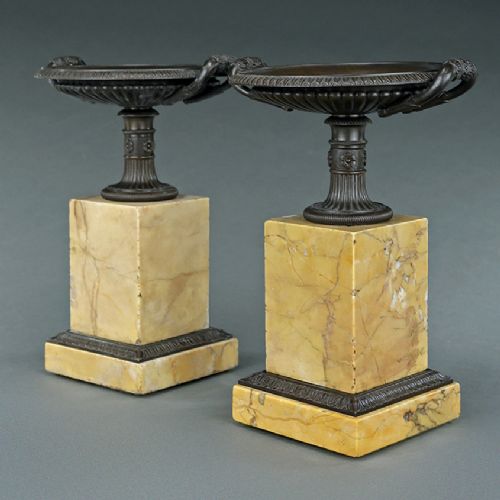
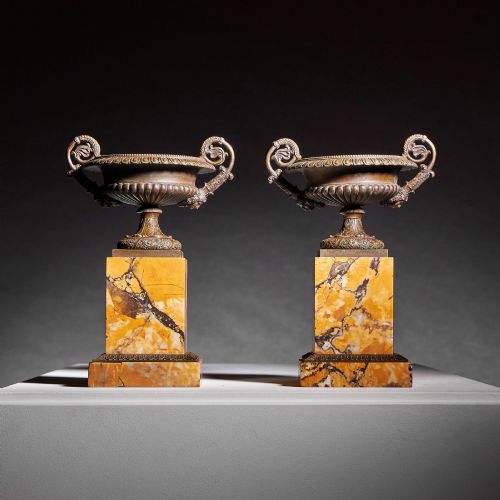
When searching for a bronze compote dish, you encounter pedestal vessels, tazzas, and centrepieces designed for elevated presentation. The pieces available here span the nineteenth century, including Regency, Victorian, and French Empire styles.
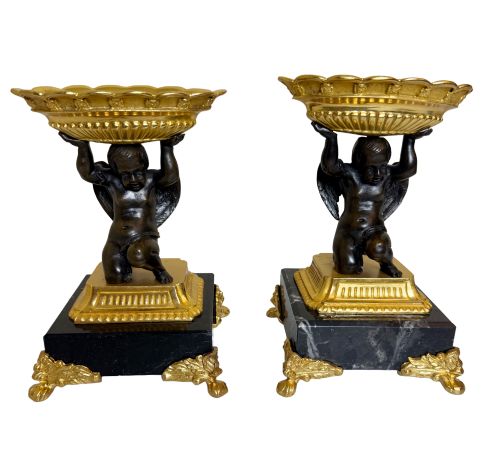
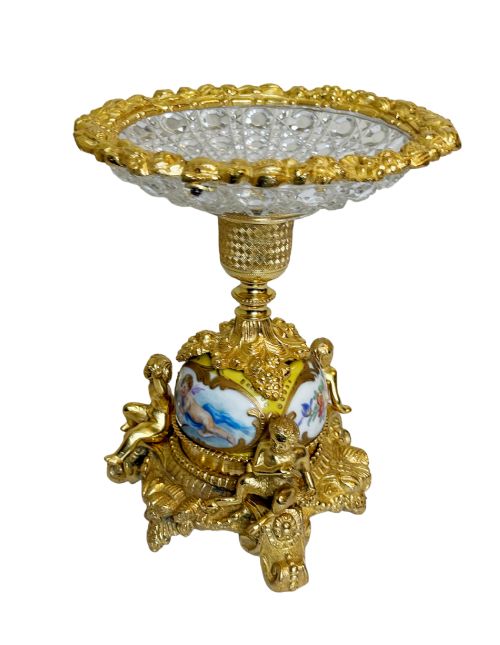
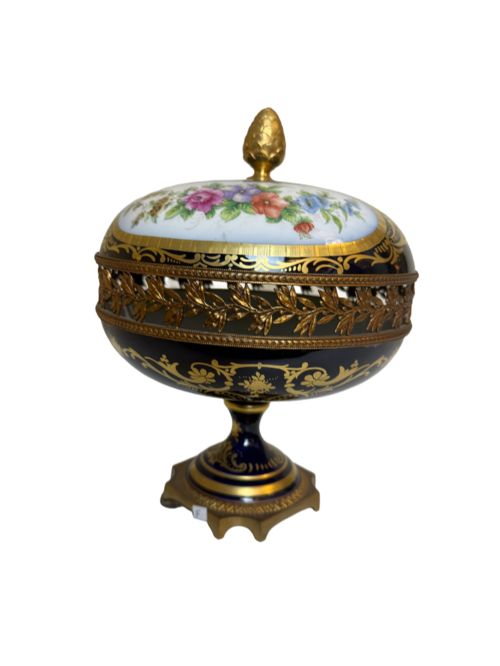
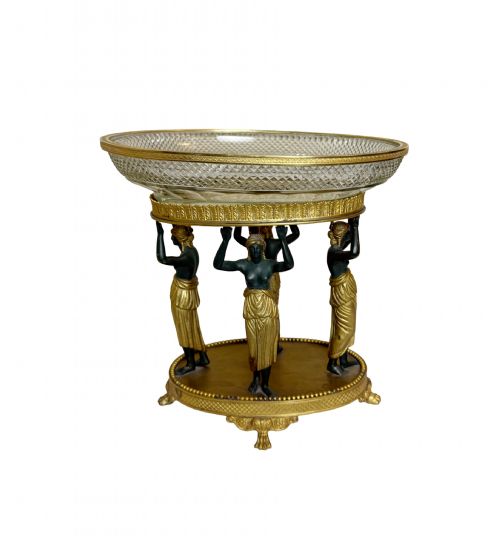
You are most likely to meet French examples from the late nineteenth century, often combining patinated or gilt bronze with marble bases, porcelain inserts, or cut crystal bowls. These take the form of tazzas and pedestal dishes featuring classical figures, cherubs, and ornamental mounts.
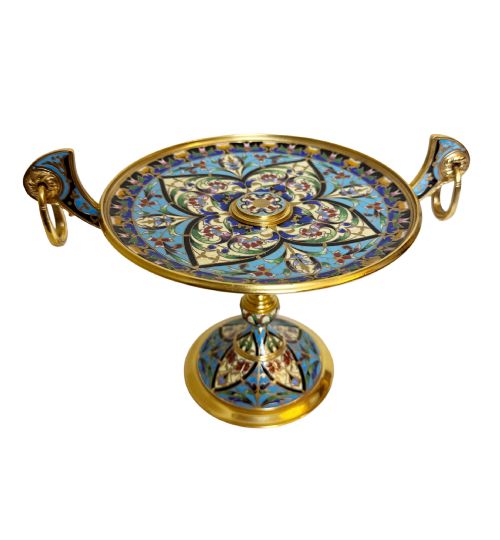
Alongside European decorative arts, the selection includes pieces influenced by Asian craftsmanship, such as Japanese Edo period cloisonné enamel bowls and Chinese Jiaqing period tazzas. These varied origins demonstrate the broad nineteenth-century appetite for decorative metalwork on domestic tables.
Materials and construction
The foundation of these objects lies in cast bronze, often finished with fire gilding or ormolu to create contrasting reflective surfaces and rich metallic tones. Patinated bronze is frequently used for figures and structural supports, providing a dark foil to gilt highlights.
Many designs incorporate mineral and ceramic elements secured within metal frameworks, utilising marble for heavy bases, cut crystal for translucent bowls, and porcelain or enamel for colourful decorative panels. Techniques such as champlevé and cloisonné enamel add intricate surface patterning to the metal bodies.
Listings feature nineteenth-century pieces combining bronze with marble, cut crystal, and Limoges porcelain.
Distinctions in craftsmanship
The distinction between standard production and exceptional work rests on the crispness of the bronze casting and the depth of the subsequent chasing. Finer examples display sharply rendered facial expressions, precise feather work on figures, and neatly finished joints between dissimilar materials.
The selection of secondary materials further separates grades of execution, with high-quality pieces employing solid marbles, finely cut crystal, or genuine semi-precious stones like malachite and agate rather than simple glass or painted substitutes.
The Bronze Compote Dish Glossary
- Tazza
- A shallow bowl or cup mounted on a stem and foot, commonly used for display or serving fruit. This form dominates the nineteenth-century selections.
- Ormolu
- Gilt bronze produced by applying a mercury-gold amalgam to a bronze base and heating it to drive off the mercury. This technique creates a durable golden finish.
- Cloisonné
- An enamelwork technique where thin metal wires are soldered to a metal body to form compartments filled with vitreous paste and fired. It appears on Asian and European decorative vessels.
- Champlevé
- An enamelling method where troughs are gouged into the metal surface and filled with enamel before firing. The technique provides bold patterns alongside cast bronze elements.
- Comport
- A large standing dish or bowl used for fruit or confectionery at the centre of a table. It is largely interchangeable with the term centrepiece.
Bronze Compote Dish: Frequently Asked Questions
What is a bronze compote dish used for?
These vessels functioned primarily as decorative centrepieces for dining tables or sideboards during the nineteenth century. They held fruit, sweetmeats, or simply served as sculptural display pieces to demonstrate household taste.
Today, they suit similar decorative roles in domestic interiors, placed on tables, consoles, or mantelpieces to add height and classical proportion to a room.
How do I distinguish French Empire from Victorian styles?
French Empire pieces rely on strict symmetry, classical mythological figures, and disciplined use of gilt and patinated bronze. They reflect the influence of ancient Roman and Greek design.
Victorian and Gothic Revival examples often incorporate more ornate flora and fauna, cherubs, and varied media like coloured marbles or porcelain inserts, showing a heavier, more eclectic aesthetic.
Are these dishes made entirely of bronze?
Most pieces combine bronze with other materials such as cut crystal bowls, porcelain plaques, or marble bases. The metal component forms the structural frame, stem, or decorative mounts.
Even when the central dish consists of glass or ceramic, the item retains its classification through the prominent bronze mounting and pedestal support.
How should I clean a bronze compote dish?
Maintenance requires gentle dusting with a soft, dry cloth to prevent the accumulation of grit in recessed chasing. Avoid abrasive metal polishes, which can strip away original gilt or ormolu surfaces.
If the dish includes glass or porcelain inserts, remove them carefully for washing with mild soapy water, ensuring the metal elements remain dry.