
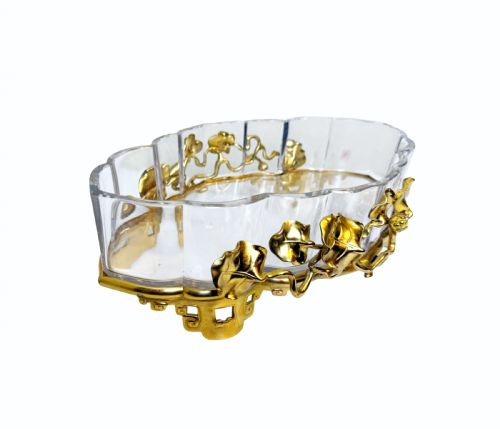

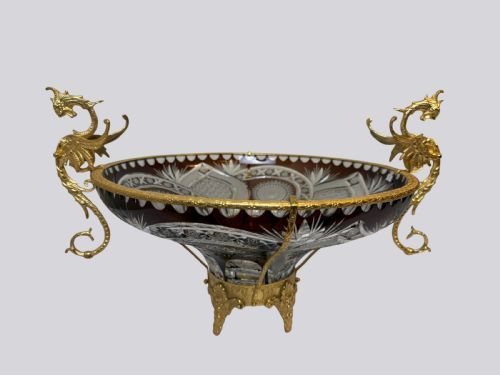


Bronze Fruit Bowl
A bronze fruit bowl combines metalwork and glass or porcelain to anchor a dining table.
Bronze Fruit Bowl
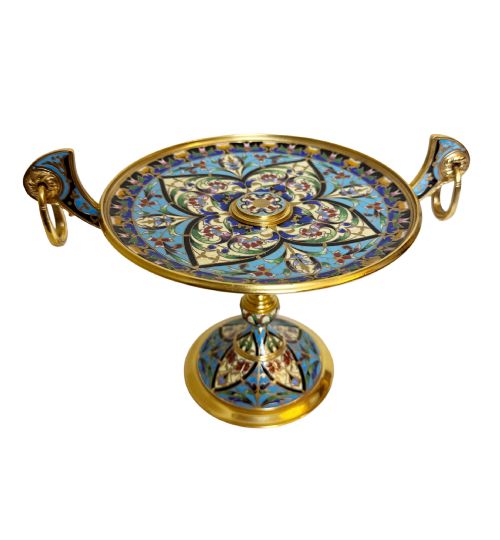
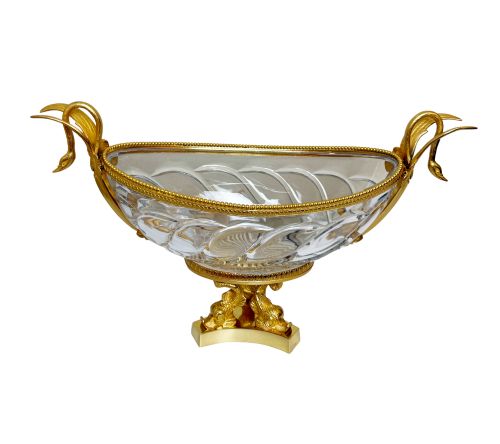
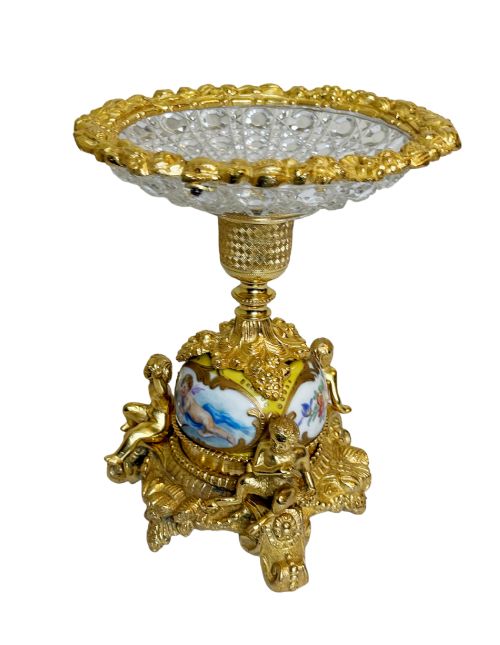
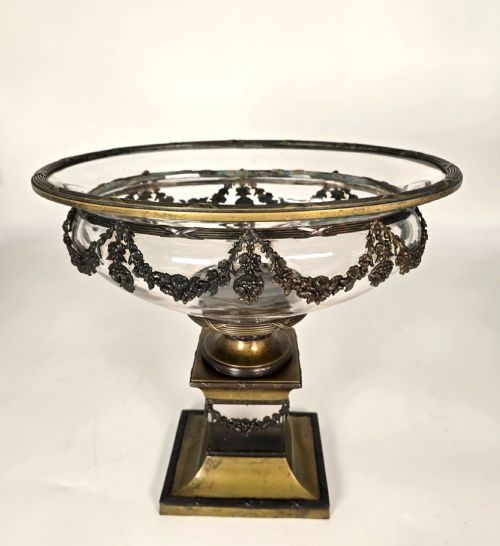
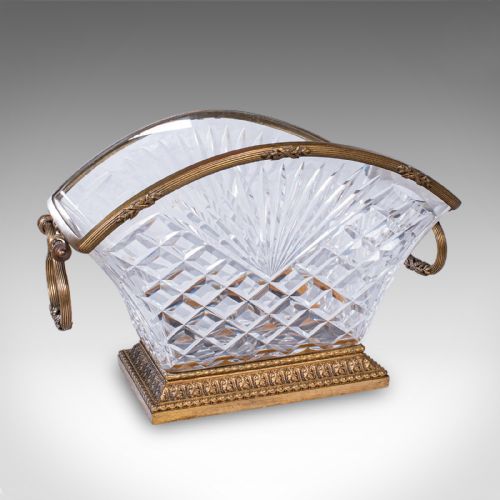
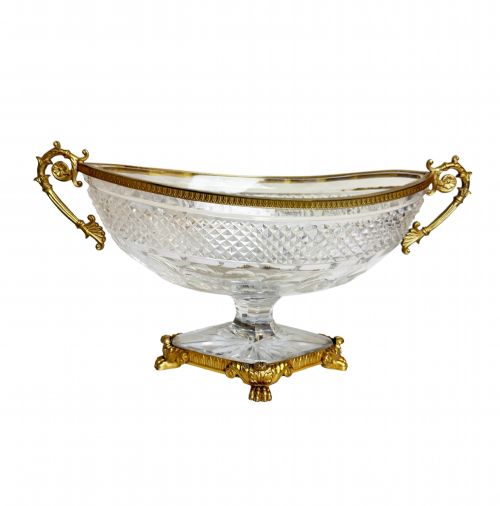
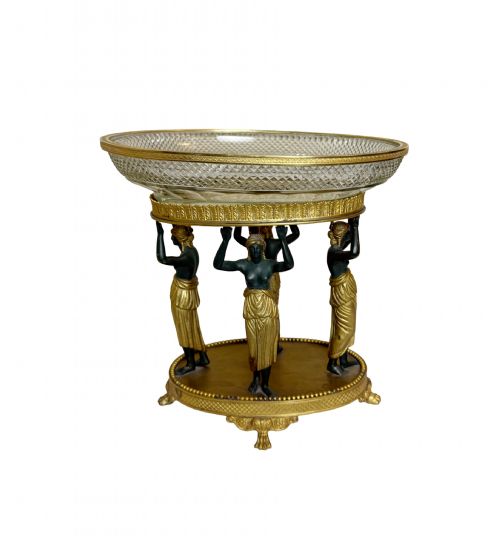
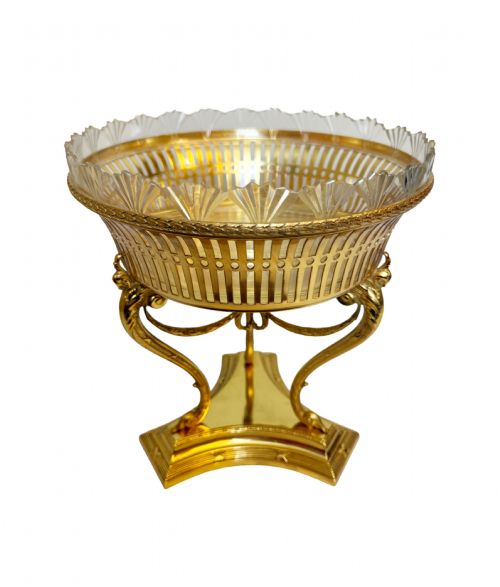
A bronze fruit bowl is typically a decorative vessel designed for a table or sideboard, merging metal mounts with glass, crystal, or porcelain inserts. When searching for a bronze fruit bowl, collectors encounter various forms including centrepieces, comports, tazzas, and pedestal bowls.
Most examples originate from nineteenth-century France, spanning periods such as the Victorian era, the Empire style, and Art Nouveau. These pieces often serve as table centrepieces, combining cast metal frames with cut glass, Sevres style porcelain, or champleve enamel.
Makers and manufacturers ranging from Christofle to independent Parisian foundries produced these vessels to hold fruit or display centrepiece arrangements. The form relies on a balanced union between a sturdy bronze or ormolu base and a fragile insert.
Assessing quality and execution
Quality rests in the crispness of the bronze casting and the depth of the chasing, where sharper facial expressions and well-defined drapery distinguish finer work from softer, mass-produced variants. The weight and thickness of the glass or crystal insert also indicate the original investment in the piece.
The integration between the metal mount and the vessel insert reveals the maker's skill, with superior examples showing a seamless, tailored fit without wobble or excessive adhesive. Furthermore, the presence of factory marks or identifiable workshop signatures elevates the standing of an individual centrepiece.
Mermen and winged cherubs frequently guard the fruit.
Christofle Paris·Lerolle Fres·Samson Porcelain
The Bronze Fruit Bowl Glossary
- Ormolu
- Gilded bronze produced by applying a mercury and gold amalgam to a cast bronze base, then firing to leave a rich golden layer. This finish characterises much nineteenth-century French metalwork.
- Tazza
- A shallow bowl or plate mounted on a stem and foot, often used for serving fruit or as a decorative centrepiece. Tazzas frequently incorporate bronze mounts and porcelain or glass dishes.
- Comport
- A pedestal dish or bowl designed for holding fruit or sweetmeats on a formal dining table. Nineteenth-century examples often pair porcelain bowls with gilt bronze stands.
- Champleve
- An enamelling technique where troughs or cells are hollowed out of the metal surface and filled with vitreous enamel before firing. It appears on various nineteenth-century decorative metal objects.
- Centrepiece
- A large, ornamental object placed in the middle of a dining table. These vessels combine bronze frames with glass, crystal, or ceramic bowls.
Bronze Fruit Bowl: Frequently Asked Questions
What is a bronze fruit bowl used for?
These vessels were originally designed to hold fruit, sweetmeats, or floral arrangements as a grand focal point on a dining table.
In modern settings, they function as standalone decorative objects on sideboards or coffee tables, showcasing intricate metalwork and glass.
How do I tell an Empire style bowl apart from Art Nouveau?
Empire style pieces rely on classical symmetry, incorporating motifs like winged figures, military trophies, and crisp ormolu mounts inspired by antiquity.
Art Nouveau examples feature fluid, organic lines, asymmetrical floral patterns, and whiplash curves typical of the turn of the twentieth century.
Are the glass inserts usually original?
Many surviving pieces retain their original cut crystal, coloured glass, or porcelain inserts, which were custom-fitted to the bronze framework during manufacture.
Because glass is fragile, some pieces feature replacement bowls that match the period dimensions and mounting style of the original frame.
How should I clean a bronze fruit bowl?
Metal parts require gentle dusting with a soft, dry cloth to preserve the original gilding, patination, or silvering without abrasive polishes.
Glass and porcelain inserts can be removed and washed in lukewarm soapy water, provided they are completely dry before reassembly.