



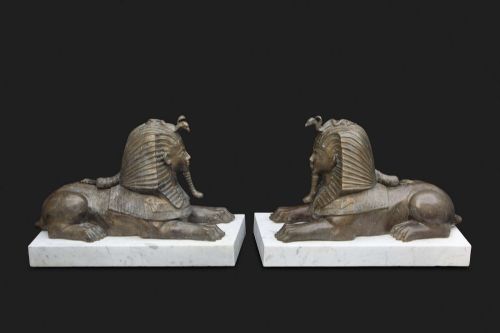


French Bronze Decor
French bronze decor brings warmth and historical weight to a room through cast metal sculptures, lighting, and hearth furniture.
French Bronze Decor
French bronze decor encompasses a diverse range of objects designed for functional use and display within domestic interiors. Buyers searching this phrase encounter items spanning the nineteenth century through the Art Deco era, reflecting shifting aesthetic tastes across decades. Candlesticks, chenets, and sculptural figures form the core of the items available for selection.
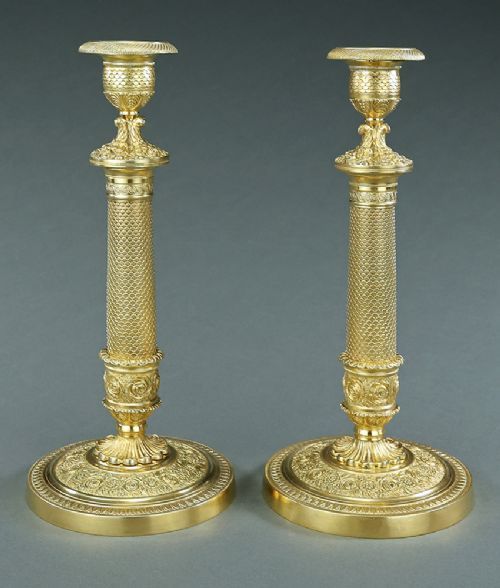
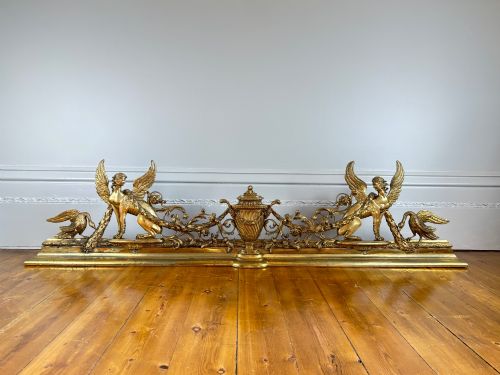
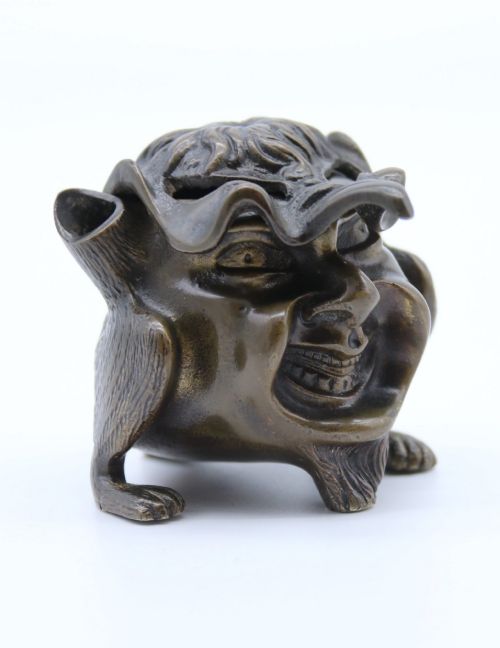
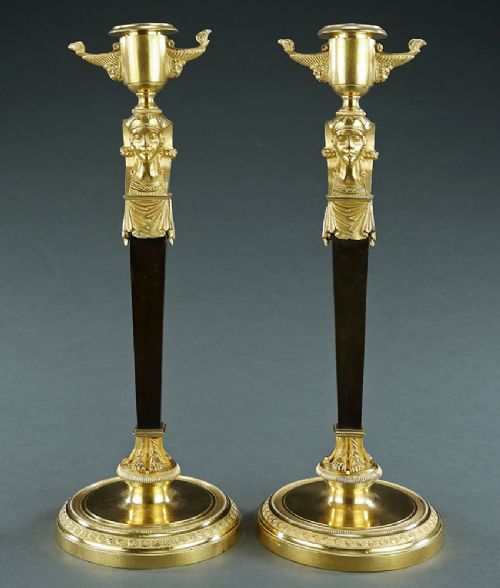
The nineteenth century yields numerous matched pairs of candlesticks and candelabra, often incorporating marble plinths or classical figures. Later pieces from the nineteen-twenties and nineteen-thirties introduce streamlined animalier subjects and geometric forms associated with the Art Deco movement. Functional objects such as inkwells, pitchers, and fireplace fenders appear alongside pure ornamentation.
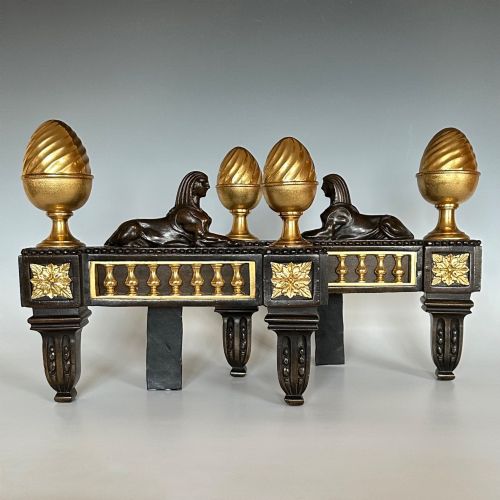
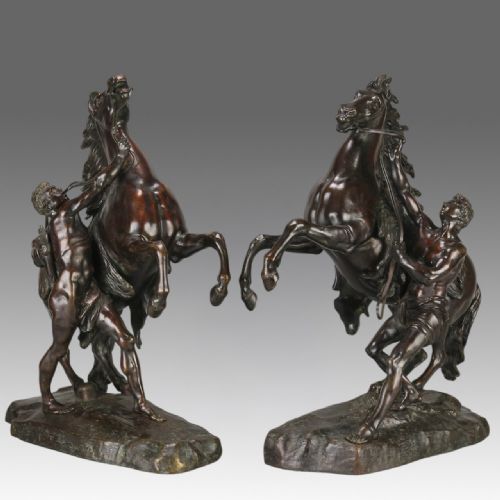
Origins trace directly to French workshops, where makers utilised traditional casting methods to produce items ranging from monumental sphinx sculptures to delicate tabletop vessels. Neoclassical, Empire, and Rococo styles dominate the older selections, while Egyptian Revival motifs emerge in specific candelabra and sculptural groupings. Buyers find both monumental statuary and smaller decorative accents suited for mantelpieces and tabletops.
How they were made
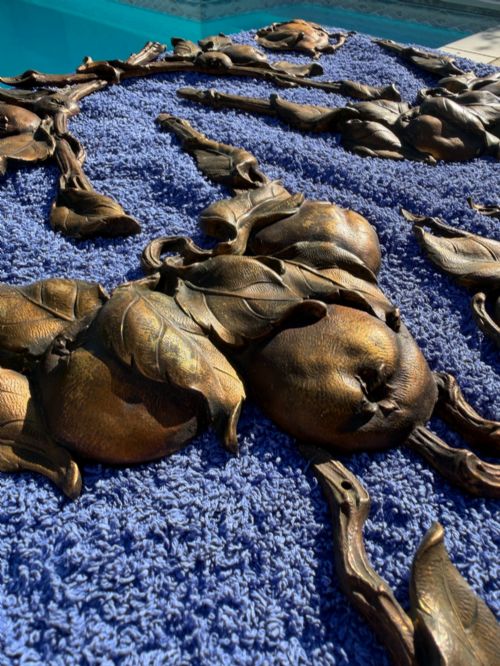
Maker workshops relied heavily on traditional metal casting techniques to shape bronze and related alloys into intricate decorative forms. Molten metal poured into moulds allowed artisans to capture fine details in figures, foliage, and architectural mounts. Finishing involved manual champing and chiselling to sharpen surface textures before applying chemical patinas or fire gilding.
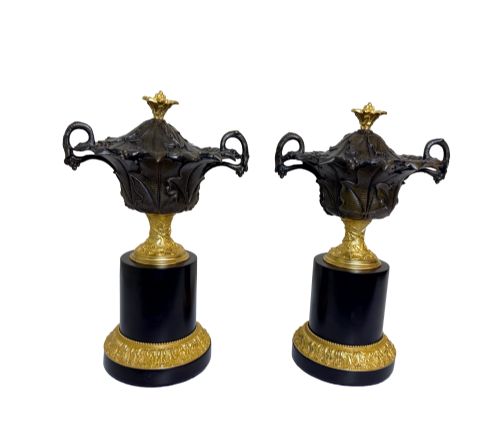
Gilt bronze and ormolu treatments required the application of gold amalgams heated to bond with the underlying metal surface, creating a durable golden sheen. Patinated bronze received chemical applications to darken or colour the metal, contrasting with polished highlights. Combinations with natural stone appear frequently, where bronze mounts sit upon bases of marble, onyx, or sienna stone.
Alternative metal alloys such as spelter and brass substitute for solid bronze in certain decorative figures and hearth accessories. These surrogate materials underwent similar casting and plating processes to emulate the weight and appearance of genuine bronze decor. Enamel work and applied stone embellishments occasionally supplement the metal structures on specific ink stands and vessels.
Grotesque creatures and albatrosses stare out from nineteenth-century inkwells and art deco mantelpieces, proving bronze animals had character long before television.
What varies in quality
The standard of ciselure - the hand-chasing work applied after casting - determines the crispness of detail visible in hair, drapery, and ornamental motifs. Superior examples exhibit sharp, deep incisions and clean undercuts executed by skilled metalworkers, whereas lesser items display soft, blurred contours resulting from worn moulds or skipped finishing steps. This manual refinement separates standard production pieces from workshop masterpieces.
Material composition also dictates the structural integrity and visual depth of each piece. Solid cast bronze and heavy fire-gilded ormolu maintain greater weight and longevity than zinc-based spelter alloys plated to resemble bronze. The quality of associated stone bases, such as matched marble plinths or turned onyx mounts, contributes further to the overall standard of the object.
The integrity of surface finishes indicates the original care and subsequent preservation of the item. Retained original fire gilding or stable, deep patination demonstrates superior historical survival compared to crude modern repainting or excessive cleaning that strips away surface character. Signed works by documented founders or artists carry distinct attribution weight.
Poix Blin·E F Caldwell New York·Pierre Lenordez·Michel Decoux·Charles Crozatier·A Vibert
The French Bronze Decor Glossary
- Ormolu
- Finely ground high-carat gold mercury-amalgam applied to cast bronze. This historic fire-gilding technique produces a rich, durable golden finish found on nineteenth-century mounts and lighting.
- Chenet
- Decorative metal fire dog placed at the hearth to support logs. French examples often feature elaborate Rococo scrollwork, sphinxes, or classical figures.
- Patinated bronze
- Bronze treated with chemical solutions to alter its surface colour. This process deepens browns or greens to accentuate sculptural contours and shadows.
- Tazza
- A shallow ornamental cup or saucer raised on a stem and foot. These classical vessels served as decorative centrepieces on tables and pedestals.
- Spelter
- A zinc-based alloy used as an economical substitute for bronze. Makers cast this lighter metal into decorative figures and statues during the nineteenth and twentieth centuries.
French Bronze Decor: Frequently Asked Questions
What is the difference between bronze and spelter?
Bronze is an alloy primarily composed of copper and tin, offering substantial weight, durability, and a capacity for sharp casting details. Spelter utilises zinc, resulting in a lighter and more brittle material that requires careful handling.
Items cast in spelter often served as affordable alternatives to solid bronze during the nineteenth and twentieth centuries. Magnetic tests and surface inspection help distinguish the heavier, warmer tones of genuine bronze from plated zinc alloys.
How do I care for antique French bronze decor?
Dust bronze objects regularly with a soft, dry brush to prevent particulate buildup in recessed details. Avoid harsh chemical cleaners or abrasive polishes that strip away original patinas and historic gold leaf.
Wax coatings can protect patinated surfaces from atmospheric moisture if applied sparingly and buffed gently. Maintaining stable indoor humidity levels prevents degradation in any integrated marble or onyx bases.
How do I identify French Empire style pieces?
French Empire pieces draw heavy visual inspiration from ancient Roman, Greek, and Egyptian military motifs. Expect symmetrical designs featuring laurel wreaths, sphinxes, winged victories, and strict classical proportions.
Materials typically include heavily gilt bronze paired with dark patinated figures or contrasting sienna marble. This aesthetic dominated early nineteenth-century interior ornamentation under Napoleonic influence.
Where were these decorative items placed historically?
French bronze decor adorned formal reception rooms, libraries, and private bedchambers across wealthy European households. Candlesticks and candelabra illuminated dining tables and mantelpieces during evening hours.
Larger sculptures, urns, and animalier figures stood upon pedestals, console tables, and architectural ledges as status displays. Hearth accessories occupied the prominent focal point of the fireplace in both townhouses and country chateaux.
What does Grand Tour mean for these objects?
Grand Tour pieces were acquired by wealthy young travellers touring the cultural sites of Italy and France during the nineteenth century. These tourists purchased reductions of famous classical sculptures and architectural bronzes as souvenirs of their travels.
Such items typically exhibit high educational and artistic intent, often mounted on labelled marble plinths. They encapsulate the nineteenth-century passion for classical antiquity and classical education.