


Bronze Canine Figure
A bronze canine figure captures the character and muscle of dogs through metalwork, offering the realism and spirit collectors seek in animalier sculpture.
Bronze Canine Figure
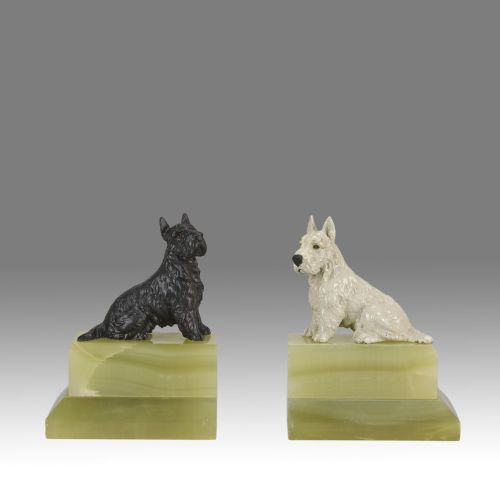
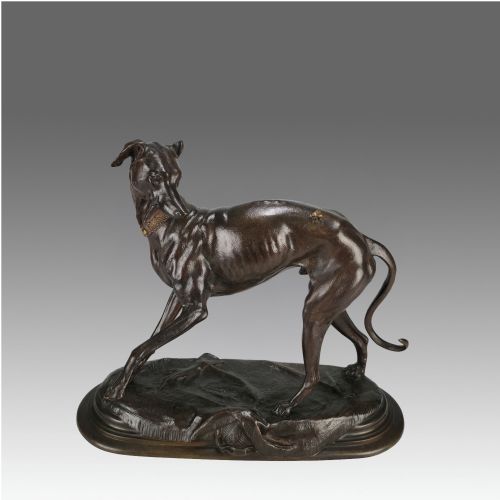
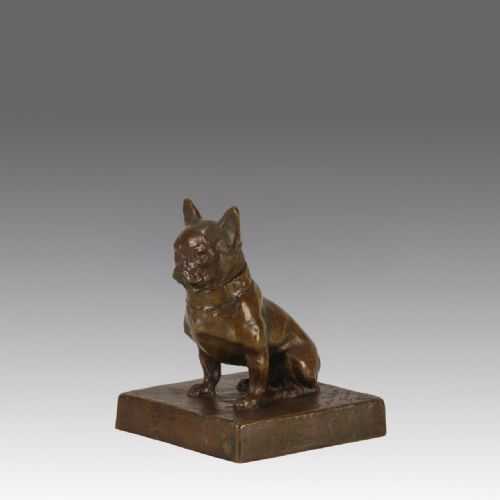
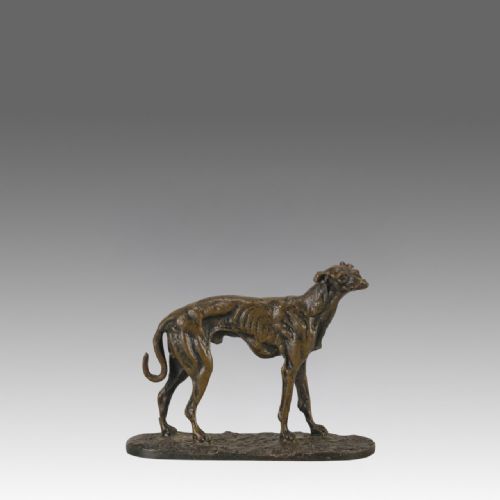
A bronze canine figure represents dogs in various forms, ranging from single sculptures and bookends to inkwells and decorative figurines. The pieces on this page span from the nineteenth century through the art deco period, recording breeds like greyhounds, terriers, bulldogs, and hounds.
French animalier works and Vienna bronzes dominate the selections, alongside Japanese Meiji period examples and spelter figures. These objects function as desk accessories or cabinet sculptures, capturing resting poses, alert stances, and sporting actions.
How they were made
Foundries utilised traditional lost-wax casting methods to shape bronze into detailed canine forms, frequently mounting the finished metal figures on marble or onyx bases. Some pieces employ cold-painting techniques to apply enamel colour over the bronze surface, creating realistic coats and markings.
Alternative metal alloys such as spelter appear alongside solid bronze, paired at times with brass details. Founders like Barbedienne cast works for prominent sculptors, ensuring precise musculature and texture.
Greyhounds share display space with pugs, inkwells, and bookends.
What varies in quality
The quality of the patina and the preservation of original cold-painted enamel heavily influence the character of a piece. Heavier, solid metal casts mounted cleanly on fitted stone bases demonstrate superior workmanship compared to lighter, softer alloy alternatives.
Alfred Barye·Dora Heber·P J Mêne·Prosper Lecourtier·Edith Parsons·Arthur Waagen·P.de Soete·Joseph Francois Victor Chemin·Franze Bergman·Louis Riche
The Bronze Canine Figure Glossary
- Animalier
- A nineteenth-century artistic movement dedicated to the realistic depiction of animals. Sculptors in this tradition focused on the anatomy and behaviour of wildlife and domestic beasts.
- Cold-painted bronze
- Bronze sculpture finished with paint applied after the metal cooled, rather than fired into a glaze. This technique was particularly popular in Austrian workshops for small, colourful figures.
- Spelter
- A zinc-based alloy used as a less expensive alternative to bronze. It takes a patinated finish well but is softer and lighter than genuine bronze.
- Patina
- The surface coloration and sheen developed naturally through age or applied artificially by chemical treatment. It protects the metal and defines the contours of the sculpture.
- Lost-wax casting
- A metalworking process where a molten metal is poured into a mould that has been created by means of a wax model. The wax is melted and drained away to leave the cavity for the bronze.
Bronze Canine Figure: Frequently Asked Questions
What is an animalier bronze?
An animalier bronze is a sculpture focusing on realistic representations of animals, prominent in nineteenth-century French art. These works portray dogs and other creatures in naturalistic movements and poses.
Artists studied live animals closely to capture accurate muscle tension, bone structure, and behavioral traits in the metal.
How should I clean a bronze canine figure?
Bronze figures require gentle dusting with a soft, dry cloth to protect the patinated surface. Avoid water, soap, or chemical polishes that can strip the original finish.
Keeping the piece away from direct sunlight and high humidity preserves the stability of the metal and any stone bases.
Are spelter dogs worth collecting?
Spelter figures offer an accessible alternative to bronze, representing popular subjects from the art deco period and earlier. While softer and lighter than bronze, quality spelter pieces display notable sculptural detail.
Collectors appreciate them for their distinct patination and the variety of dog breeds they depict.