
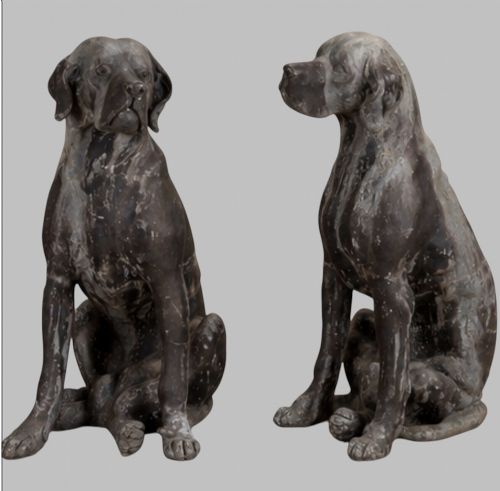


Antique Metal Dog Ornament
An antique metal dog ornament brings character and weight to a desk or mantel, spanning utilitarian desk accessories and small-scale animalier sculpture.
Antique Metal Dog Ornament
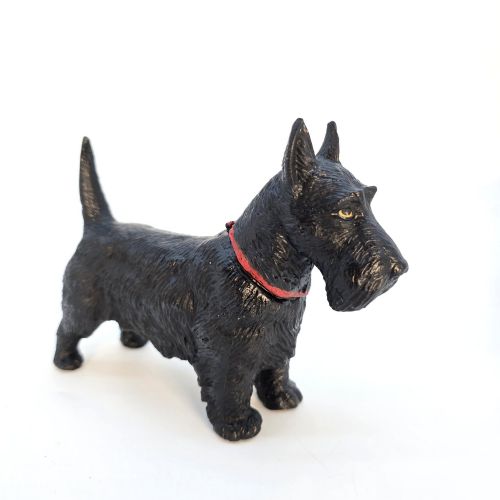
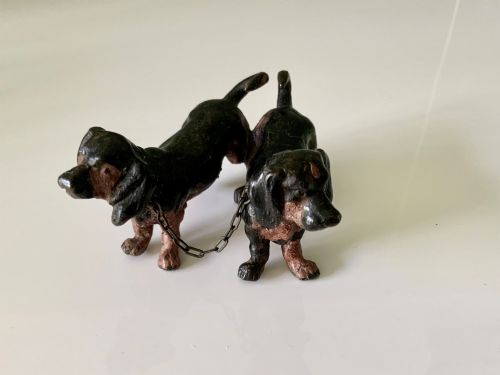
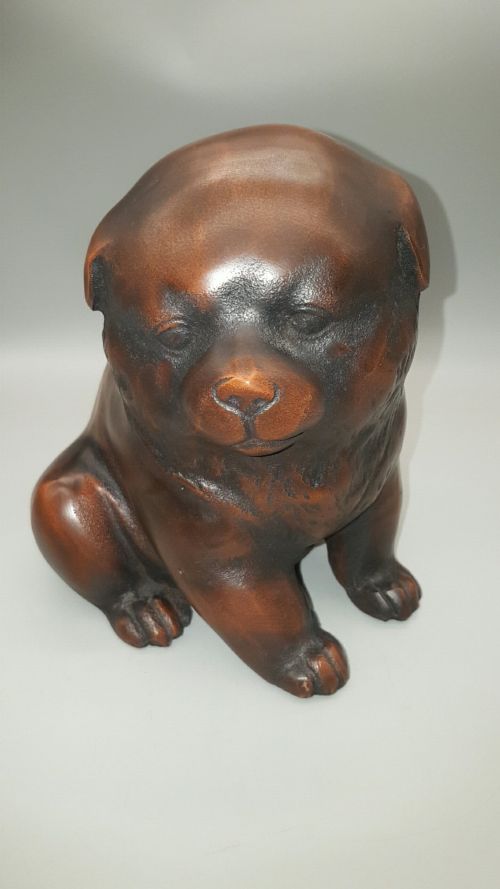
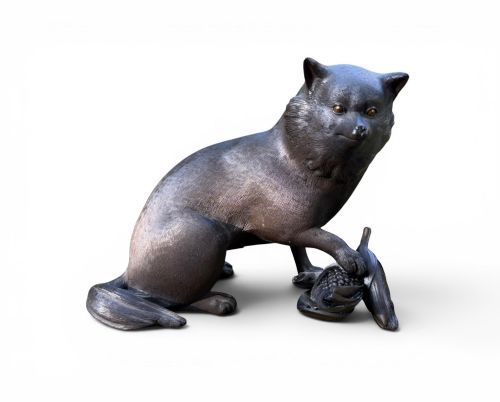
When you search for an antique metal dog ornament, you encounter a varied selection of animalier sculptures, desk items, and doorstops spanning the nineteenth and twentieth centuries. These figures range from playful cast iron doorstops and table lighters to finely detailed cold painted bronze pugs and poodles.
The pieces on this page draw from diverse stylistic traditions, including Art Deco, Meiji Period Japanese metalwork, and European animalier casting. You will find domestic pets alongside hunting hounds, rendered as inkwells, car mascots, and standalone figures.
Origins stretch across England, France, Austria, and Japan, reflecting local casting methods and domestic tastes. Whether cast in iron or cold painted in bronze, each object fulfils both decorative and functional roles in historical interiors.
How they were made
Foundries utilised traditional casting techniques such as the lost-wax method for bronze figures and sand casting for heavier iron items like doorstops. Molten metal poured into moulds captured fine details in fur and expression.
Surface decoration frequently involved cold painting, where enamel or oil colours were applied to the metal after casting and firing. Patination was also common, giving bronze and brass surfaces deep brown, green, or metallic tones.
One cheerful cast iron hound nods its head patiently on a nineteenth-century desk.
What varies in quality
The standard of an antique metal dog ornament rests largely on the crispness of the casting and the preservation of its original surface finish. Finer pieces retain intricate chisel work and delicate hand painting that cheaper mass-produced items lack.
Artistic attribution elevates certain works, particularly those bearing signatures or foundry marks from recognised sculptors and makers. The weight, stability, and integrity of the material also distinguish modest utilitarian doorstops from gallery-grade animalier sculptures.
Tsunemitsu·Unno Shomin·P.de Soete·J. Moigniez·Louis Lejeune·Franze Bergman·Barbedienne
The Antique Metal Dog Ornament Glossary
- Animalier
- A nineteenth-century artistic movement dedicated to the realistic portrayal of animals, often cast in bronze. Sculptors in this tradition focused on anatomical accuracy and natural postures.
- Cold painted bronze
- A Vienna bronze technique where the metal object is painted with multiple layers of cold enamel without subsequent firing. This finish is delicate and prone to chipping over time.
- Okimono
- A Japanese decorative figurine designed for display on a shelf or in a tokonoma alcove. These pieces are typically cast in bronze or iron with meticulous attention to detail.
- Spelter
- An alloy of zinc and lead or copper, often used as a cheaper substitute for bronze. It is lighter and softer, frequently finished with a bronze-look paint coating.
- Car mascot
- A sculptural ornament mounted on the radiator cap of a vintage automobile. These are frequently cast in bronze or chrome and depict animals in dynamic poses.
Antique Metal Dog Ornament: Frequently Asked Questions
What is an animalier dog sculpture?
An animalier sculpture focuses on the realistic representation of animals in bronze or other metals. These pieces capture dogs in motion, resting, or in expressive poses.
Originating mainly in nineteenth-century Europe, this style prioritizes anatomical precision and lifelike textures over mere decoration.
Were these metal dogs purely decorative?
Many of these metal dog figures served practical purposes in the home or office. Common utilitarian forms include inkwells, table lighters, doorstops, and jewellery boxes.
Other pieces were designed as automotive mascots for radiator caps or as small okimono figures for Japanese interiors.
How do I distinguish spelter from bronze?
Spelter is a softer, lighter zinc alloy that tends to feel cooler and less dense than bronze. Underneath worn paint or patina, spelter often reveals a greyish-white metal.
Bronze exhibits greater weight, durability, and a richer metallic grain when the surface patination wears thin at points of contact.