


Antique Desk Novelty Sculpture
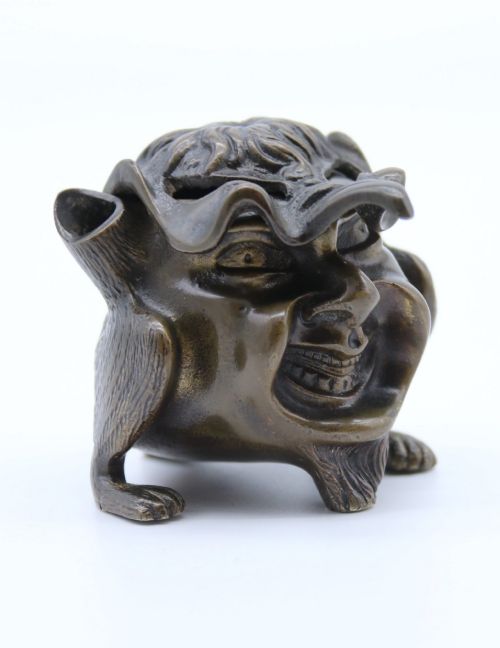
These antique desk novelty sculpture pieces bring humour and character to a workspace through charming animal and figural forms.
Antique Desk Novelty Sculpture
An antique desk novelty sculpture serves a practical desk function while taking an amusing or figurative form, ranging from inkwells and paperweights to table lighters and desk tidies. When exploring this selection, buyers frequently encounter Victorian and Edwardian examples alongside Art Deco pieces.
Dating primarily from the nineteenth century through the early twentieth century, these items reflect the tastes of past writing desks where utility met playful design. French, English and Austrian workshops produced much of this work in mediums designed to catch the eye of a seated writer.
How they were made
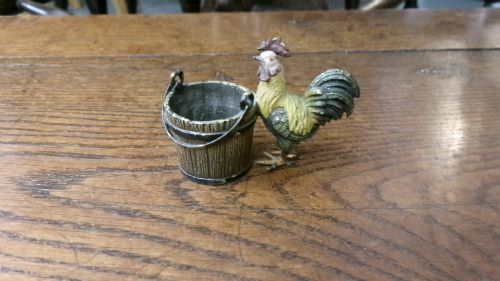
Metals form the foundation of most pieces, utilising cast bronze, brass, spelter, and sterling silver shaped through casting and cold painting techniques. Artisans applied polychrome paint finishes by hand to bronze and spelter figures, capturing realistic feather and fur textures.
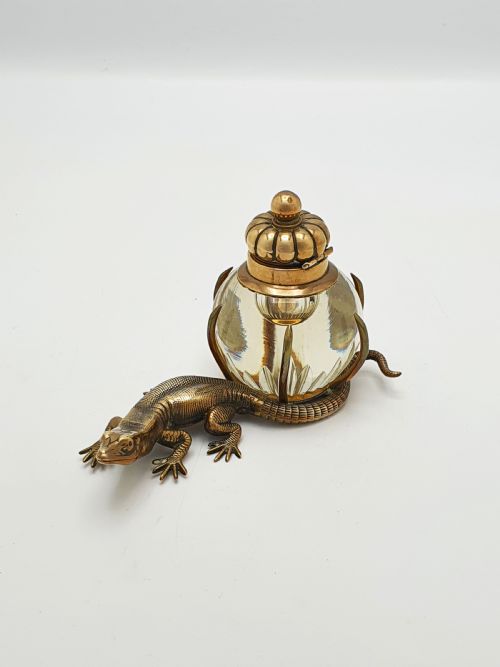
Carved wood represents another primary method of creation, particularly in Black Forest works where detailed animal forms incorporate hidden inkwells or hinged compartments. Glass inserts provide functional containers for ink within bronze, brass and wooden mounts, while ormolu and enamel add decorative contrast.
Mr Fox enjoys his desk duties dressed in a comfortable nightgown.
What varies in quality
The choice of material elevates certain objects, distinguishing solid silver or heavy bronze from lighter spelter or cast iron alternatives. Superior craftsmanship shows in the integration of functional elements like folding mechanisms, clockwork components or fitted glass inserts that remain original to the piece.
Andre Guilmet
The Antique Desk Novelty Sculpture Glossary
- Cold painted bronze
- A method where bronze figures were painted with oil-based colours without the application of heat. This technique was widely used in Austrian workshops.
- Inkstand
- A tray or stand holding one or more inkwells, often featuring spaces for pens and stamps. These dominated nineteenth-century writing desks.
- Spelter
- An alloy of zinc and lead used as a cost-effective substitute for bronze. It frequently receives a bronze-coloured finish.
- Animalier
- A nineteenth-century artistic style focusing on the realistic depiction of animals. Sculptors working in this style paid close attention to anatomical accuracy.
- Table lighter
- A mechanical device designed to sit on a desk or tabletop to provide a flame. Many were made in whimsical figural shapes during the Art Deco period.
Antique Desk Novelty Sculpture: Frequently Asked Questions
What are antique desk novelty sculptures?
These pieces are functional desktop items shaped into whimsical figures, animals, or objects. They combine utility with decorative charm for writing spaces.
Common forms include inkwells, paperweights, and table lighters designed to entertain while organising a desk.
How were antique inkstands used?
An inkstand held inkwells, pens, and blotting sand to assist with daily correspondence. Writers dipped their nibs into the central reservoir during letter writing.
The figural designs provided amusement and conversation starters for anyone seated at the desk.
How do I date an antique desk sculpture?
Dating relies on stylistic clues, such as the geometric lines of Art Deco pieces versus the ornate motifs of the Victorian era. Materials like cold painted bronze or sterling silver also point to specific manufacturing decades.
Maker marks, registration numbers, and hallmarks can pinpoint the exact year and origin of silver or metal items.
How do I care for cold painted bronze?
Cold painted pieces require gentle dusting with a soft, dry brush to protect the delicate surface paint. Moisture and harsh cleaning agents will damage the original finish.
Keep these sculptures away from direct sunlight and humidity to preserve the colours over time.