


Signed Bronze Animal Figurine
These signed bronze animal figurine pieces bring character and presence to a room, cast by makers who understood form and anatomy.
Signed Bronze Animal Figurine
A signed bronze animal figurine represents sculptural work ranging from the Victorian era through the twentieth century, capturing subjects from domestic pets to wild predators. When searching this phrase, a buyer meets examples spanning French Animalier traditions, Art Deco styling, and Japanese metalwork.
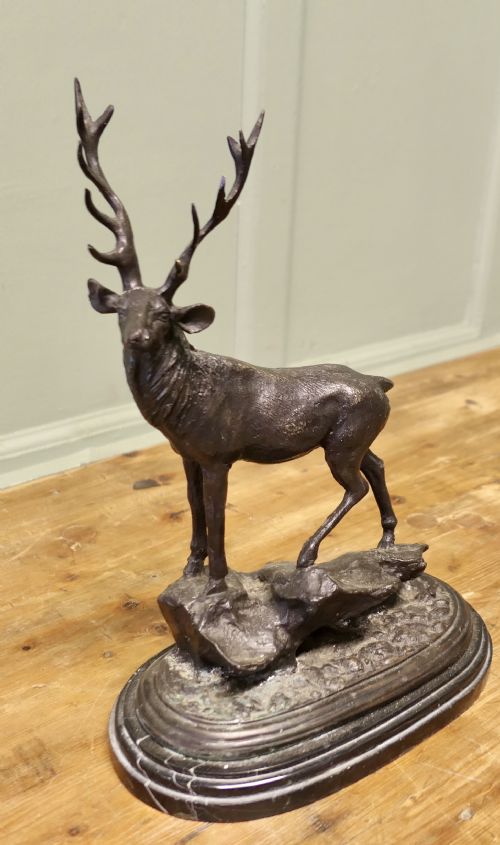
The selection here encompasses works set on marble plinths, standalone figures, and detailed okimono originating from diverse periods including the nineteenth century and the 1930s. Each sculpture bears a signature or mark linking the piece to its creator or foundry.
How they were made
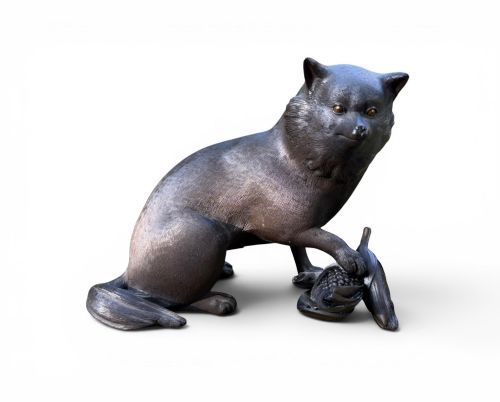
Makers utilised bronze casting techniques, employing hot cast methods to capture fine details in the musculature and fur of the animals. Patination gives the metal its surface colour, ranging from deep dark tones to warmer metallic shades.
Cold painted finishes appear on specific European pieces, applying pigment directly onto the metal surface to create realistic plumage or markings. Marble bases provide weight and stability, serving as plinths for figures of stags and lions.
A bronze tanuki stands ready to charm, reminding us that even serious metalwork sometimes appreciates a touch of folklore.
What varies in quality
The quality of the signature and the integration of the bronze with its marble base contribute to the overall execution. Patination depth and the preservation of cold painted surfaces dictate how well the piece maintains its original appearance.
Franz Bergman·G.Gardet·P.de Soete·Albert Hussmann·I. Rochard·Dubucand·Le Courtier
The Signed Bronze Animal Figurine Glossary
- Animalier
- A nineteenth-century artistic movement focused on the realistic depiction of animals, particularly predators and game. Sculptors in this tradition studied anatomy closely.
- Okimono
- A Japanese ornamental carving or casting intended for display on a shelf or cabinet. These figures often depict animals, figures, or scenes from daily life.
- Patinated bronze
- Bronze that has been treated chemically or thermally to alter its surface colour. This process protects the metal and enhances visual depth.
- Cold painted
- A technique where paint is applied to an unheated bronze object, common in Viennese animal sculptures. The finish requires careful handling to prevent flaking.
- Hot cast
- A traditional casting method where molten bronze is poured into a mould. This process creates solid, heavy figures with durable detail.
Signed Bronze Animal Figurine: Frequently Asked Questions
How do I clean a bronze animal?
Dust the surface gently with a soft, dry brush to remove particles without disturbing the patinated finish. Avoid using water, soap, or chemical polishes, as these substances can strip the historic surface treatment.
For pieces set on marble bases, take care not to let cleaning residues settle into the porous stone. A microfibre cloth helps maintain the lustre of the metal safely.
Where were these sculptures displayed?
Nineteenth-century and Art Deco bronzes typically stood on library desks, mantelpieces, or cabinet tops in period homes. Larger models served as floor-standing or table centrepieces in studies and reception rooms.
Japanese okimono figures were traditionally placed within the tokonoma alcove or on low display stands. Their scale allowed them to be appreciated at close range.
What is cold painting?
Cold painting involves applying natural pigments to a cold bronze casting rather than firing the colour into the metal. This technique allowed makers to achieve vibrant, lifelike colours on birds and small figures.
Because the paint sits on the surface, surviving examples often show minor wear that testifies to their age and handling. Preserving this finish requires keeping the piece away from direct sunlight and moisture.
How do I identify the period?
Stylistic markers, such as the sleek geometric lines of Art Deco or the naturalistic drama of nineteenth-century Animalier, offer initial clues to the date. Signatures stamped or incised into the bronze link the object to active working periods of known sculptors.
Materials like the type of marble base and the characteristics of the patination also help narrow down the decade of production. Comparative study of foundry marks aids in confirmation.