




British Maritime Wall Art
British maritime wall art captures centuries of coastal life, shipping and naval history through paintings and textiles.
British Maritime Wall Art
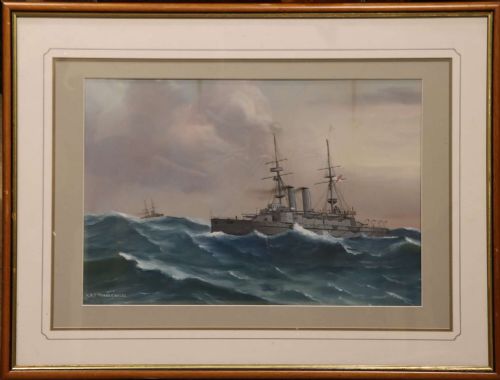
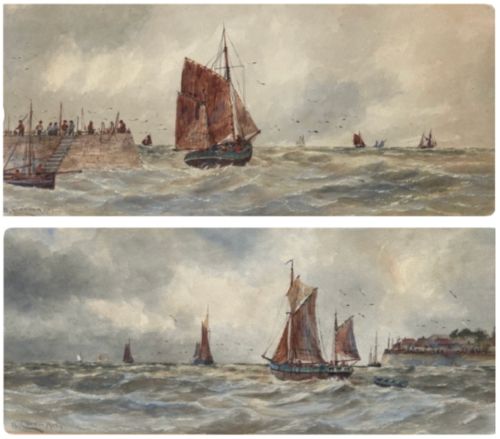
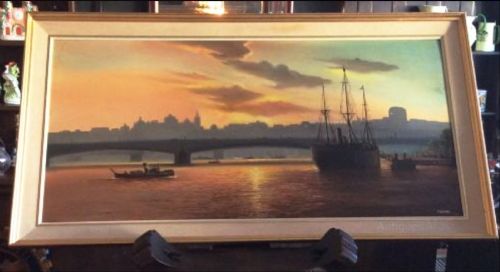
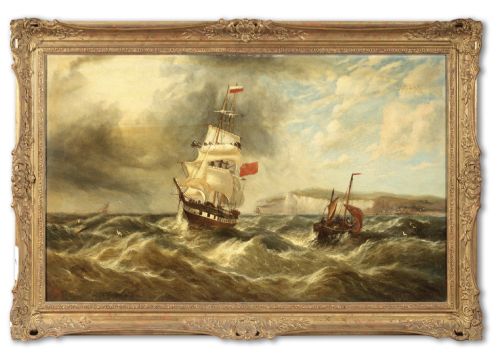
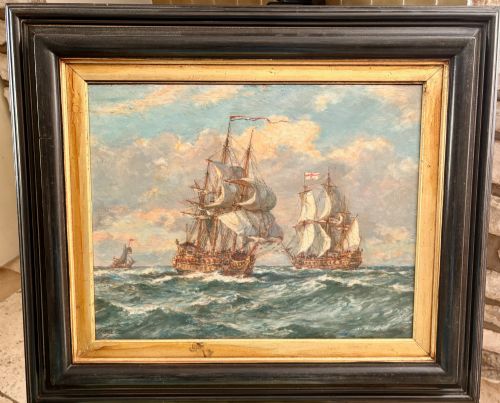
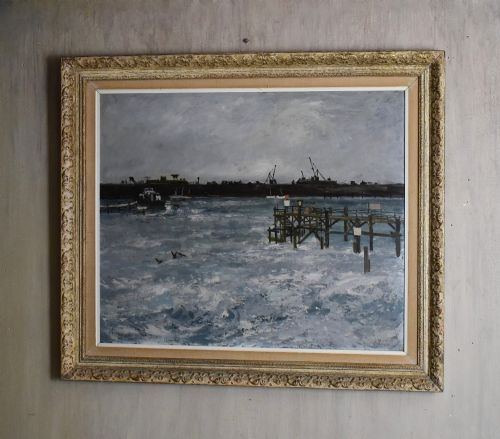
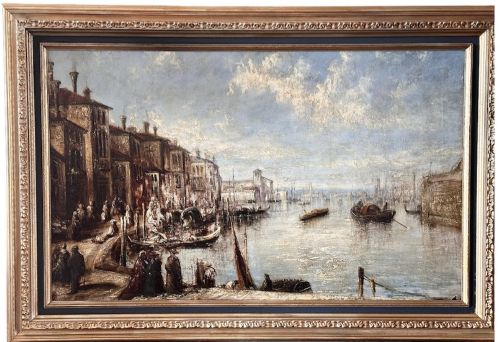
British maritime wall art encompasses paintings, watercolours and textile pieces depicting coastal scenes, harbours, shipping and naval vessels. The selection draws heavily on nineteenth-century and early twentieth-century works, alongside mid-century and post-war interpretations.
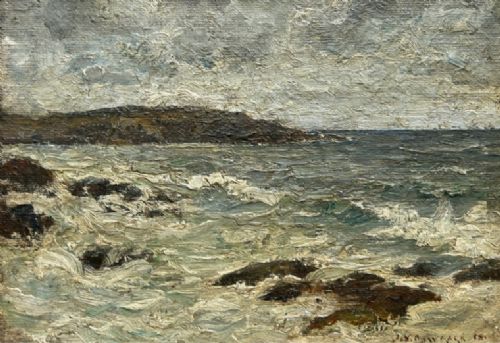
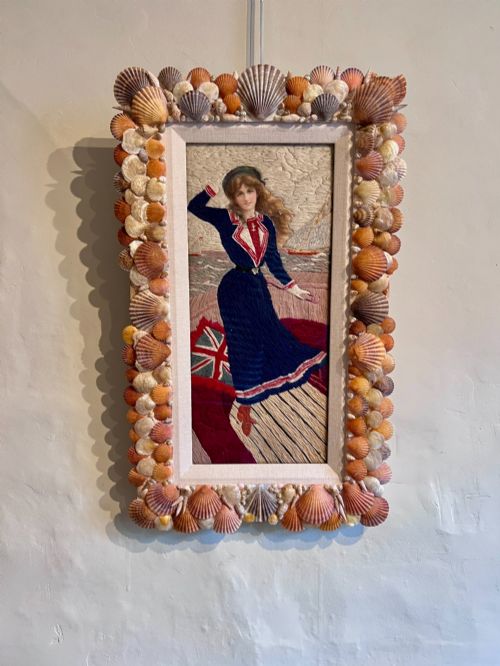
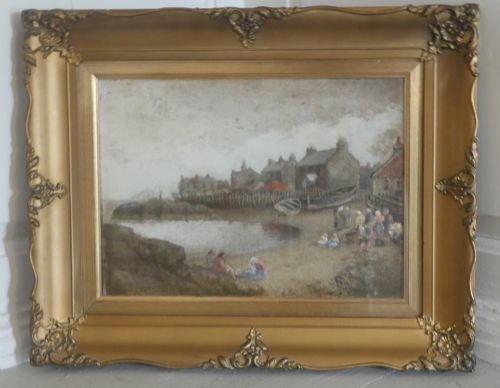
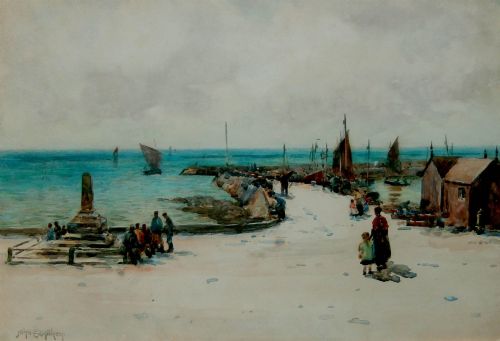
Buyers encounter oil paintings on canvas and board, delicate watercolours on paper, and traditional woolwork pictures known as woolies. Subjects range from busy Cornish fishing ports like St Ives to panoramic Thames views and dramatic open sea encounters.
The form is defined by its focus on Britain's maritime heritage, capturing the changing light on coastal waters, working vessels and merchant shipping. These works reflect both topographical recording and atmospheric impressionism.
How they were made
Artists working in oil utilised canvas and wooden boards to build up rich impasto textures or smooth marine expanses, often framed in gilt wood. Watercolourists applied pigment to paper to achieve transparent washes and fine linear detail for rigging and architecture.
Frames played an integral role in preservation and presentation, ranging from ornate nineteenth-century gilt mouldings to simpler wooden surrounds housing twentieth-century boards and watercolours.
British Maritime Wall Art Retail Price Guide 2026
Typical asking prices for british maritime wall art among the pieces listed under this phrase on Sellingantiques today, from the lower quarter to the upper quarter. They describe what is for sale here now, not the wider market.
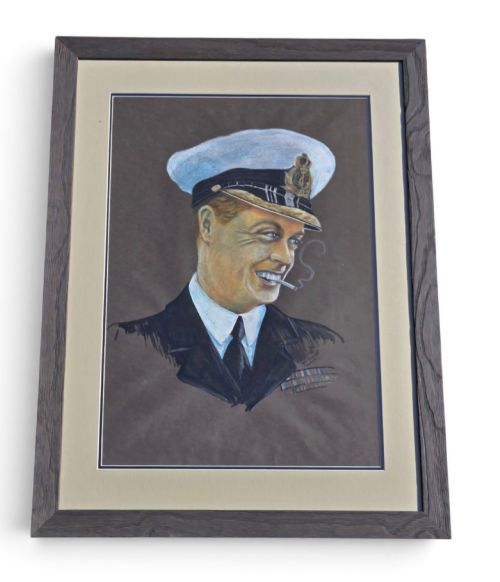
Listings feature works spanning the nineteenth century through the 1960s, utilising oil, watercolour, gouache, pastel and wool.
What varies in quality
Quality rests upon the artist's command of maritime atmosphere, spatial depth and accurate nautical detail in rigging, hull structure and tidal movement. Works by established Royal Academicians or exhibited painters demonstrate superior handling of light and water compared to anonymous amateur pieces.
Material preservation distinguishes finer examples, particularly in watercolours where paper tone remains bright and pigment shows minimal fading from sunlight exposure. Original framing and documented artist attributions further elevate the standing of a piece within the field.
James Orrock·John E. Aitken·William Banks Fortescue·Francis Moltino·Thomas Bush Hardy·Donald McIntyre
The British Maritime Wall Art Glossary
- Woolie
- A traditional maritime textile picture stitched in wool yarn by sailors, depicting ships and naval scenes.
- Impasto
- Paint applied thickly to a canvas or board so that it stands proud of the surface and holds brush marks.
- Gouache
- An opaque water-based pigment used to create matte finishes and solid colour areas on paper.
- Seascape
- A work of art depicting the sea, coastal views, shipping or marine activity.
- Provenance
- The documented history of ownership that establishes the authenticity and background of an artwork.
British Maritime Wall Art: Frequently Asked Questions
How do I date a maritime watercolour?
Dating relies on stylistic clues, clothing fashions of figures on shores or decks, and the rig of the vessels depicted. Signatures, dates inscribed on the reverse, and framing materials also offer reliable chronological indicators.
Paper quality and watermark analysis can narrow the period further when documentation is absent, helping to distinguish nineteenth-century sheets from later twentieth-century productions.
Where should I hang oil paintings?
Oil paintings on canvas or board benefit from stable indoor environments away from direct sunlight and excessive humidity fluctuations. Placing them on interior walls protects both the paint surface and the wooden stretcher or panel.
Keeping works clear of direct heat sources prevents the canvas from slackening and safeguards the integrity of traditional gilt wood frames.
How do I distinguish regional British ports in art?
Artists often recorded specific topographical landmarks, such as St Ives harbour walls, Whitby Abbey overlooking the Esk, or the distinctive shipping on the River Thames. Architectural details and local boat designs provide key identifiers.
Inscribed titles on the mount or reverse of the painting frequently confirm the exact coastal location captured by the artist.