





Framed Coastal Artwork
Framed coastal artwork brings together seascapes, harbours and maritime scenes captured across the nineteenth and twentieth centuries.
Framed Coastal Artwork
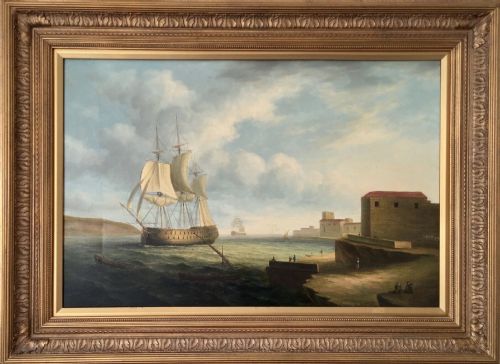
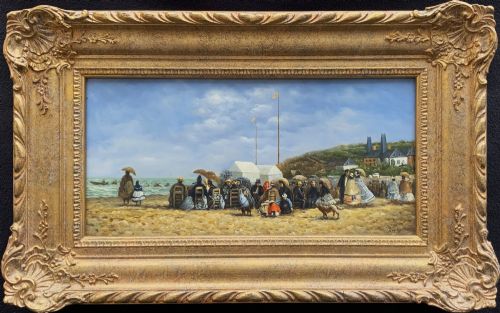
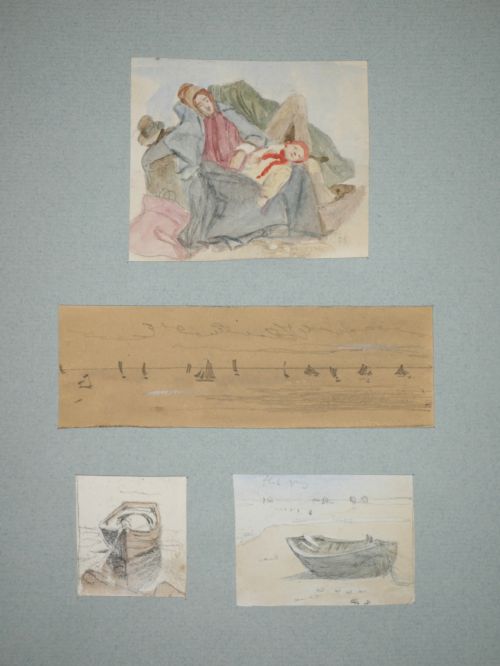
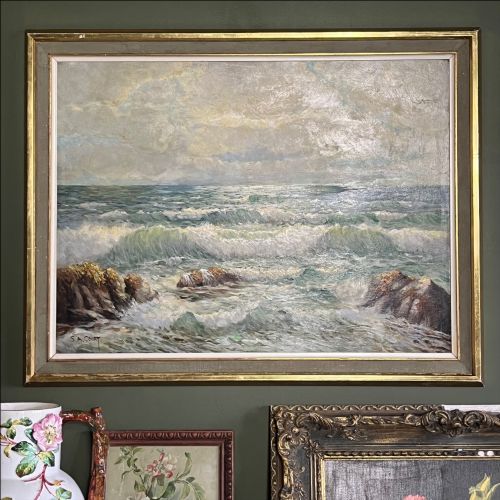
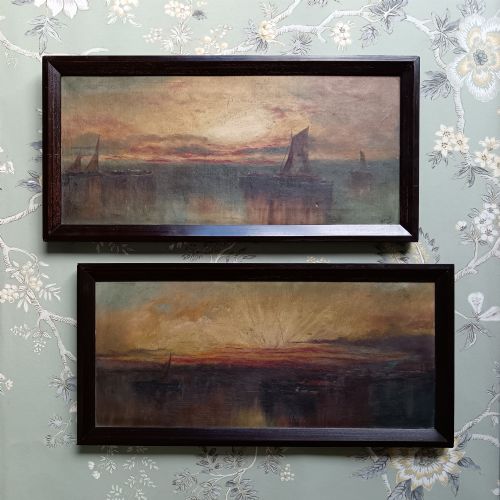
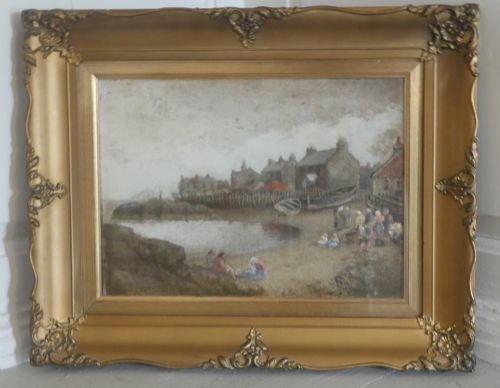
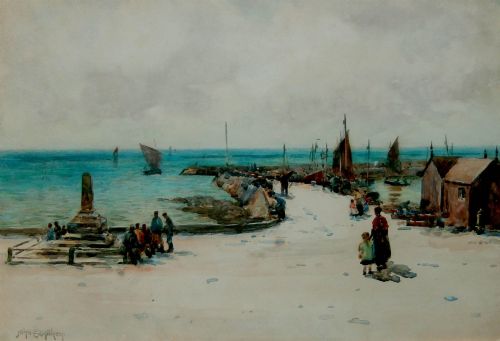
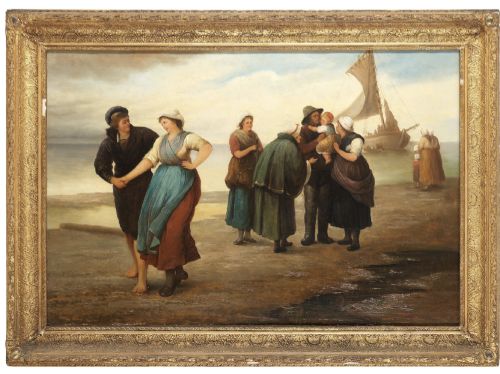
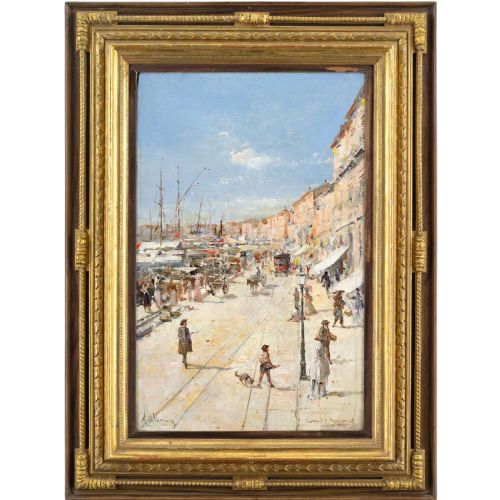
Framed coastal artwork spans oil paintings, watercolours and drawings depicting maritime views, fishing boats and seaside gatherings. The selection ranges from nineteenth-century marine watercolours to twentieth-century impressionist scenes.
Buyers encounter depictions of Cornish harbours, Mediterranean ports and open sea views set within period wooden and gilt frames. These pieces record maritime life and coastal landscapes through varying regional schools.
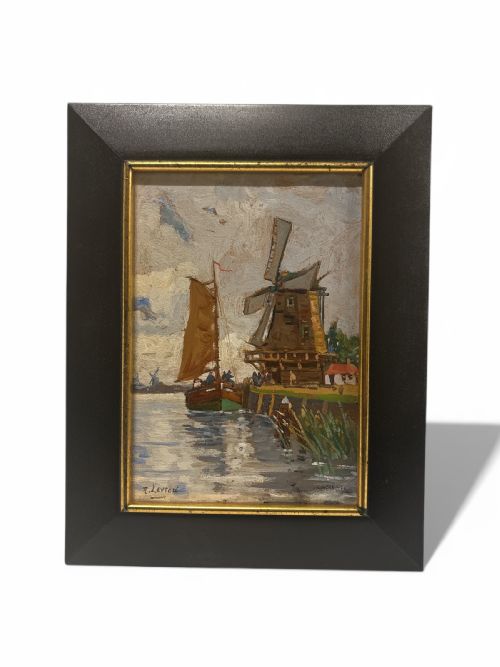
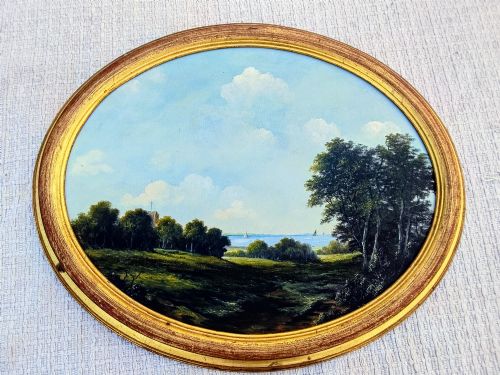
The objects present diverse formats, including oval canvases, board panels and works on paper. Each piece preserves a distinct record of coastal topography and maritime activity.
Materials and techniques
Artists painted on stretched canvas, wooden panels and paper supports, utilising oil paint, watercolour and gouache. En plein air methods allowed painters to capture natural light directly on coastal locations.
Frames incorporate wood and gilt finishes, sometimes with textured or moulded details designed to complement the artwork. These housings protect the painted or drawn surface while defining the visual boundary of the scene.
Materials recorded across the selection include oil on canvas, watercolour, canvas, paper, and gilt wood.
Markers of quality
Quality rests in the handling of light, atmospheric depth and compositional balance rather than the mere presence of a signature or frame. Skilled brushwork conveys the movement of water and the shift of weather across a coastal path.
The integration between the artwork and its period frame influences the overall integrity of the piece. Superior examples maintain original materials and stable surfaces across canvas, board or paper.
James Orrock·Clifford Hanney·Sidney A Court·John E Aitken·William Banks Fortescue·Augusto Alberici·Bonaventura Peeters·Lucy Pratt·Clive Browne·Peter Brannan·Paul Bret·Bernard Benedict Hemy·Thomas Creswick·James Fry·Ethel Sands·Thomas Maidment·TB Hardy·Donald McIntyre·Cecil Allan Mould RI·Charles Euphraisie Kuasseg·John Wilson Carmichael·Abraham Cooper RA·Erich Mercker
The Framed Coastal Artwork Glossary
- En plein air
- Painting outdoors to capture direct natural light and atmospheric conditions. This method defined many nineteenth and twentieth-century landscape works.
- Gilt wood
- Wood coated with a thin layer of gold leaf or metallic gilt. It frequently appears on nineteenth-century frames surrounding marine paintings.
- Watercolour
- A paint consisting of water-soluble pigments used on paper supports. It provides transparent washes suited to maritime skies and coastal water.
- Marine art
- Depictions of ships, harbours, coastal views and maritime engagements. This genre forms the core of nineteenth-century and Edwardian sea paintings.
- Post-Impressionism
- An art movement extending beyond impressionism with increased emphasis on symbolic content and distinct brushwork. It influences several twentieth-century coastal scenes on this page.
Framed Coastal Artwork: Frequently Asked Questions
What periods do these coastal artworks cover?
The works span from the nineteenth century through the Edwardian era into the mid-twentieth century.
They reflect shifting styles including Victorian marine painting, British impressionism and post-impressionist seaside scenes.
How are marine watercolours different from oil paintings?
Watercolours utilise pigment suspended in water applied to paper, creating lighter and more translucent coastal effects.
Oil paintings use pigment bound in drying oils on canvas or board, allowing heavier texture and richer colour depth.
Where were these coastal scenes typically painted?
Artists worked across British locations such as Cornwall, St Ives, Morecambe Bay and Brighton beach.
Other works record continental European ports including Valletta in Malta, Palermo in Sicily and Dutch coastal waters.
How should I care for a framed nineteenth-century watercolour?
Keep the piece away from direct sunlight to prevent fading of the delicate pigments on paper.
Maintain stable indoor humidity levels to protect both the watercolour support and the original frame.