


Victorian Nautical Artwork
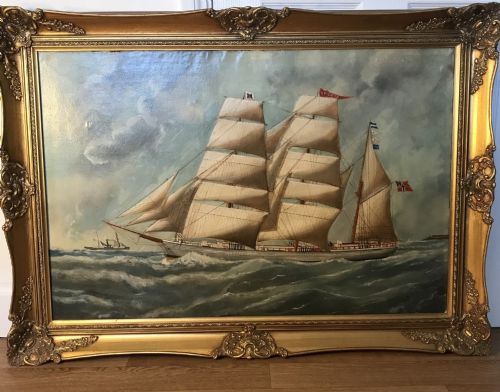
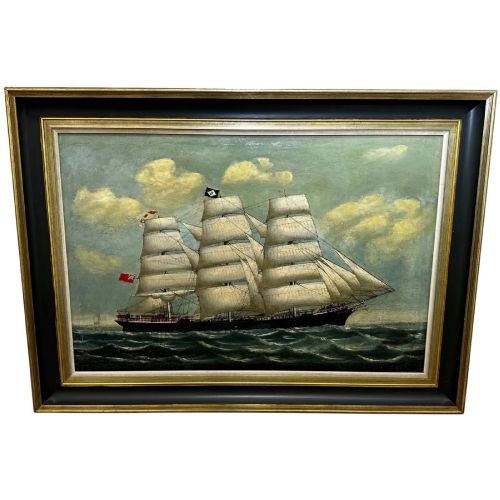
Victorian nautical artwork captures the power of the sea and the age of sail through detailed oil paintings, watercolours, and drawings.
Victorian Nautical Artwork
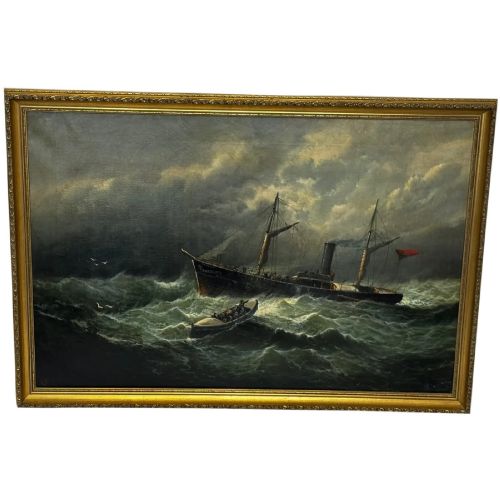
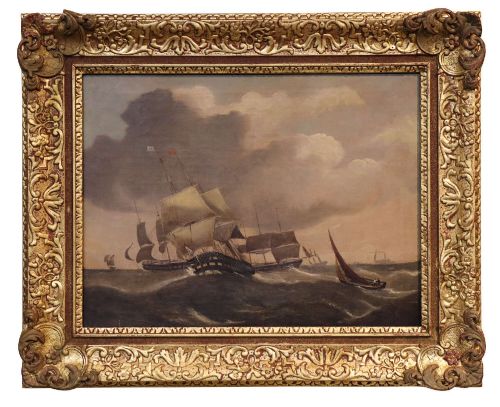
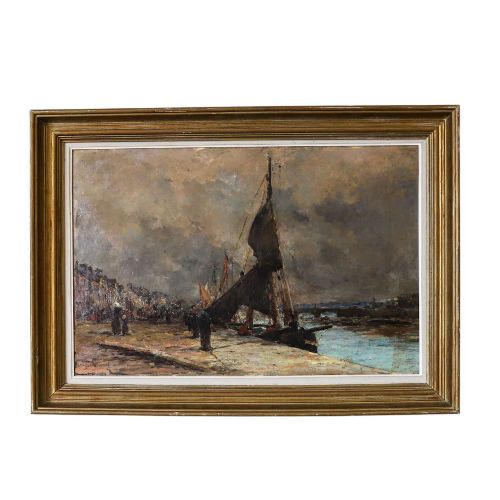
Victorian nautical artwork encompasses marine paintings, watercolours, and engravings produced primarily during the nineteenth century. These pieces record commercial shipping, naval vessels, coastal harbours, and dramatic maritime rescues.
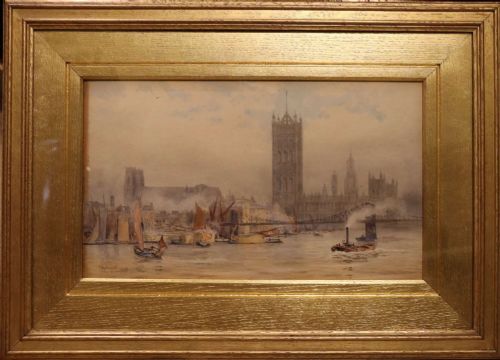
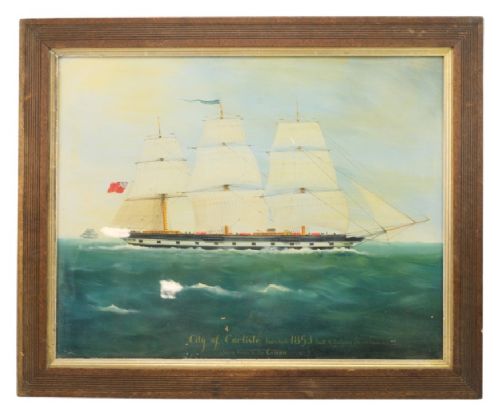
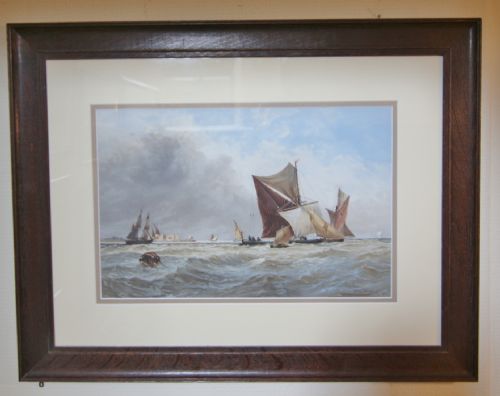
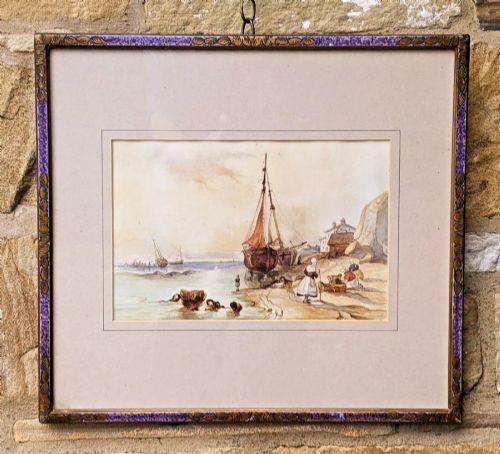
The selections available lean heavily toward oil on canvas and delicate watercolours executed by British artists. Subjects range from local fishing boats off Brighton and Scarborough to merchant clippers and international barques on the open ocean.
Works span from early Victorian depictions of shipping in heavy seas to late nineteenth-century harbour scenes and coastal views. Collectors encounter both signed works by known marine specialists and atmospheric pieces by regional or anonymous British schools.
Materials and Technique
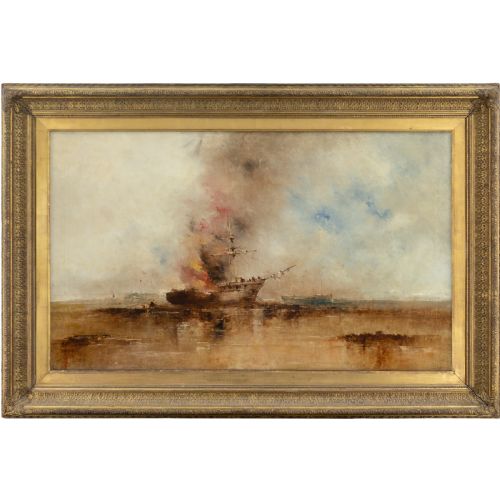
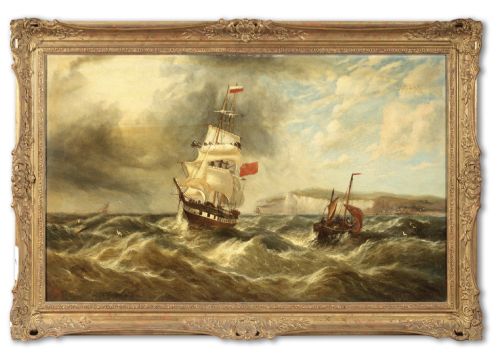
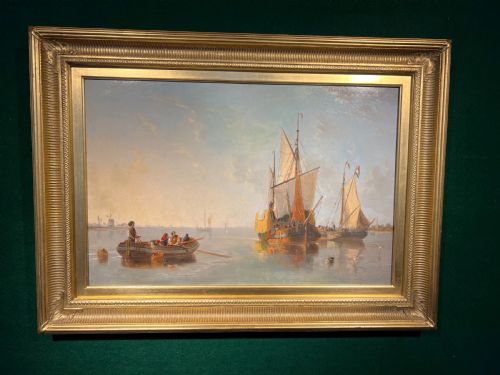
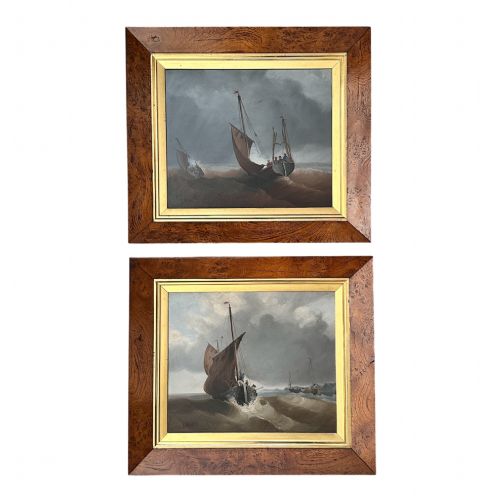
Painters utilised oil on canvas, oil on board, and paper watercolours, often framing the completed works in ornate gilt wood. Canvas and board provided durable surfaces for dramatic depictions of rough seas and stormy weather.
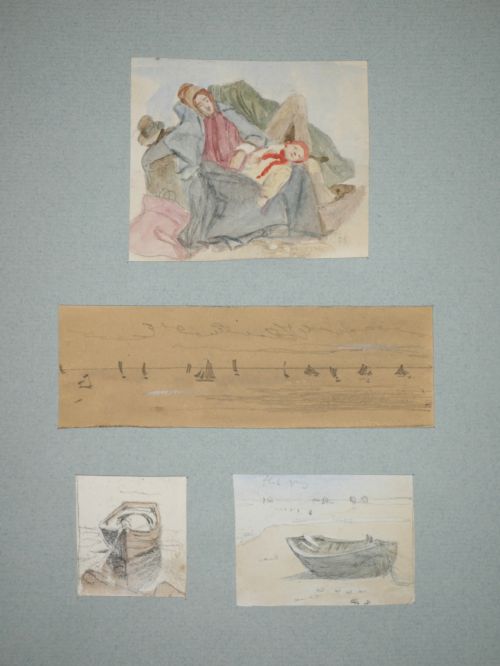
Watercolour pieces on paper captured the translucent qualities of coastal light and the subtle movement of harbour water. Artists applied pigments with fine brushes to render intricate rigging, distant lighthouses, and coastal architecture with precision.
Evaluating Quality
Quality rests upon the artist's command of maritime architecture, water movement, and atmospheric light. Superior pieces demonstrate accurate rendering of ship rigging, hull construction, and sea spray under shifting weather conditions.
Condition of the medium and framing also distinguishes works, with well-preserved canvases and original gilt wood frames holding greater visual coherence. The dynamism of the composition and the specificity of the vessel or location elevate the standing of a piece.
Thomas Bush Hardy·George Stanfield Walters·John Wilson Carmichael·Abraham Hulk I·William Henry Williamson
The Victorian Nautical Artwork Glossary
- Barque
- A sailing ship with three or more masts having the fore- and mainmasts square-rigged and the mizzenmast fore-and-aft rigged. These vessels formed the backbone of nineteenth-century international trade.
- Rigging
- The system of ropes, lines, and chains used to support masts and control sails on a vessel. Accurate depiction of rigging distinguishes accomplished marine artists from amateurs.
- Gilt Wood
- Wood that has been coated with a thin layer of gold leaf or gold paint. Frames made of gilt wood were standard for displaying important nineteenth-century oil paintings.
Victorian Nautical Artwork: Frequently Asked Questions
What subjects appear in these artworks?
The artworks primarily depict British merchant ships, fishing vessels, naval engagements, and coastal harbours. Scenes range from calm river shipping to dramatic storms on the open sea.
Artists also recorded specific historical events, such as troop transports heading to the Crimea, alongside everyday coastal life in places like Scarborough and the Thames.
How do I care for antique watercolours?
Watercolours on paper require protection from direct sunlight to prevent the fading of delicate pigments. Keep them away from high humidity and fluctuating temperatures.
Displaying works behind UV-filtering glass helps preserve the paper and water-based paints for years to come.
Are these pieces signed by artists?
Many works bear the signature or initials of the artist, while others are attributed to specific schools or painters based on style and technique. Signed pieces often provide clearer documentation of the creator's background.
Attributions to regional British schools or circles of known painters frequently accompany unsigned nineteenth-century maritime works.
How are oil paintings on canvas structured?
Nineteenth-century oil paintings utilised woven canvas stretched over wooden frames, often paired with decorative gilt wood surrounds. The application of oil paint allowed artists to build rich textures for waves and clouds.
This robust construction helped many maritime scenes survive in stable condition across multiple generations.