






British Marine Artwork
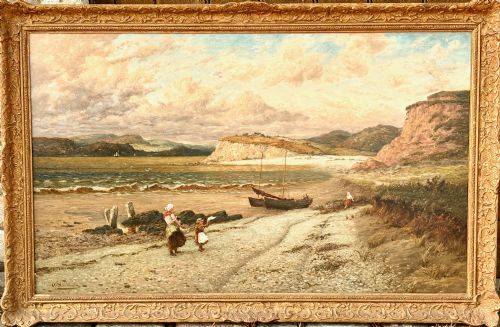
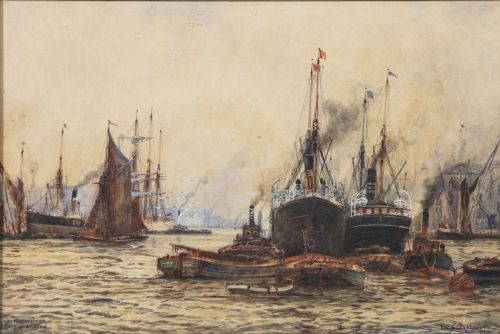
British marine artwork captures centuries of maritime heritage through detailed oil paintings and delicate watercolours.
British Marine Artwork
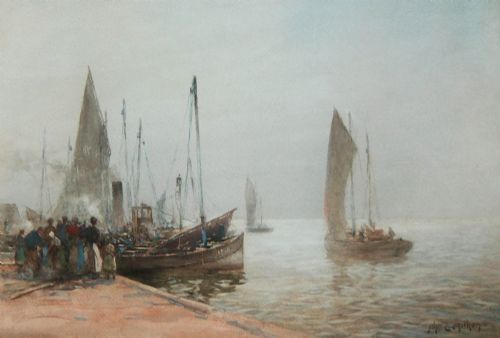
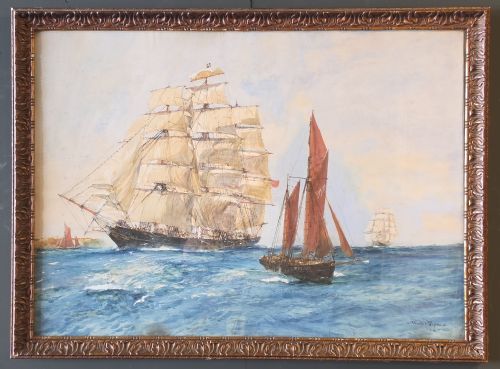
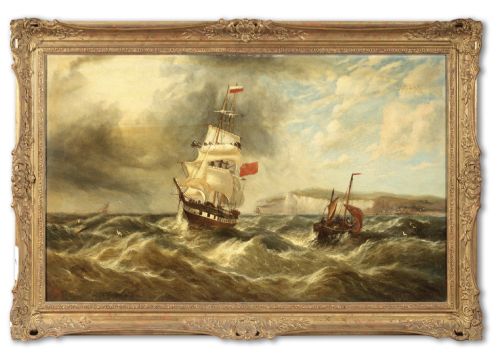
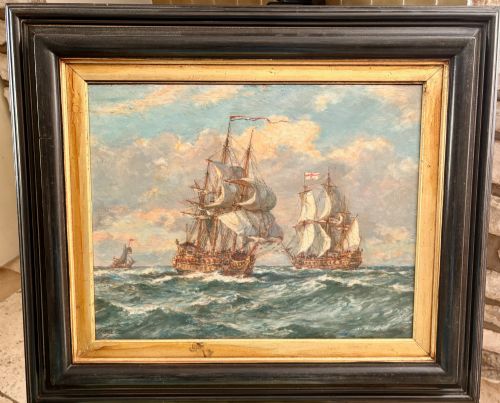
When you search for British marine artwork, you encounter historical depictions of coastal scenes, harbour views, and shipping vessels upon the water. These works document the deep connection between the island nation and the sea, ranging from tranquil estuary anchorages to turbulent open ocean encounters.
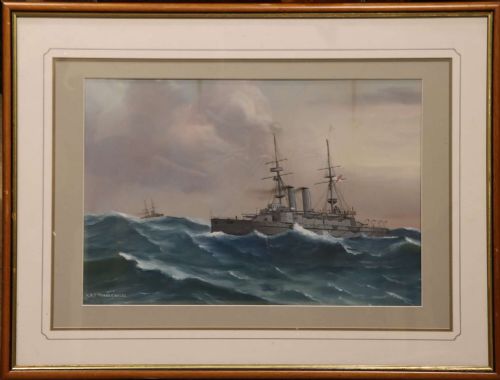
The pieces on this page span from the Victorian era through the Edwardian period and into the mid-twentieth century. Watercolours and oil paintings dominate the selection, capturing both working fishing fleets and grand merchant sailing ships.
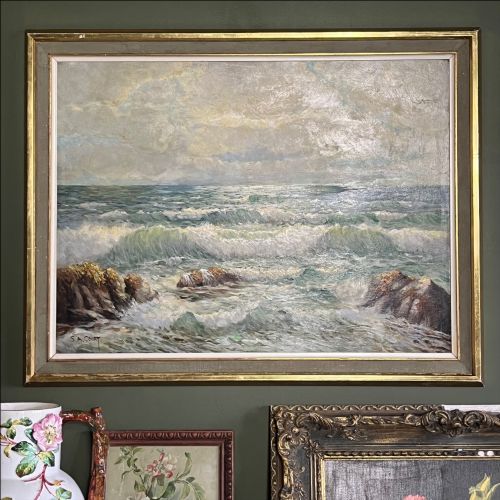
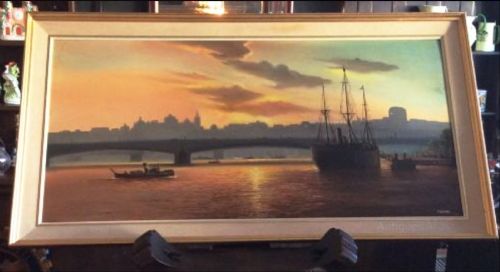
Represented styles stretch across traditional maritime realism, British Impressionism, and post-war expression. Many compositions focus on specific regional ports, rivers like the Thames, and recognizable coastal stretches around Cornwall, Yorkshire, and Scotland.
How They Were Made
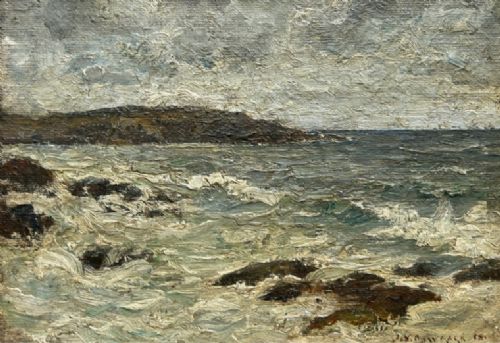
Artists utilised traditional painterly methods, applying oil paint to stretched canvas or wooden board to build rich textures and deep atmospheric tones. En plein air techniques allowed painters to capture changing light conditions directly on location by the shore.
Watercolour pieces on paper required precise brushwork and fluid washes to render translucent sea spray, moody skies, and reflective harbour waters. Many surviving examples retain their original framing and glass protection, preserving the delicate paper surfaces over decades.
Listings feature works from the Victorian era, Edwardian period, and mid-twentieth century executed in oil, watercolour, and canvas.
What Varies in Quality
Quality rests in the artist's command of light, movement, and atmospheric perspective rather than mere scale or subject matter. Superior works demonstrate a confident handling of water currents, shifting skies, and the accurate rigging of vessels.
The immediacy of brushwork and the harmony of the palette distinguish accomplished paintings from formulaic topographical records. Provenance and clear artist signatures further elevate pieces that successfully convey the dynamic energy of the sea.
Kenneth Cozens·James Orrock·Clifford Hanney·Sidney A Court·Francis Moltino·Bernard Gribble·Frank William Scarbrough·Clive Browne·Peter Brannan·Hector Caffieri·Bernard Benedict Hemy·Thomas Creswick·TB Hardy·John Wilson Carmichael·William Henry Williamson·Robert Leslie Howey·John Holland·George Stanfield Walters·Frank Kelsey·Henry Barlow Carter·F A Roylance·William Frederick Settle·Alfred George Morgan·Charles William Wyllie·Lionel Horsnell
The British Marine Artwork Glossary
- Seascape
- A work of fine art that depicts the sea, coastal views, or marine vessels in motion. These compositions often focus on weather conditions and maritime activity.
- Watercolour
- A painting method where fine pigment is suspended in a water-soluble binder on paper. It allows for luminous, transparent washes that suit coastal atmospheres.
- Impasto
- Paint applied thickly to a canvas or board, leaving visible brush or palette knife strokes. This technique adds tactile dimension to rough seas and rocky cliffs.
- Provenance
- The documented history of ownership surrounding a piece of art. Clear provenance helps verify the authenticity and attribution of historical works.
- Estuary
- The tidal mouth of a large river where the tide meets the current. These sheltered waters provided popular subject matter for nineteenth-century painters.
British Marine Artwork: Frequently Asked Questions
What subjects appear in these works?
The pieces depict working fishing boats, merchant ships, busy river docks, and quiet coastal harbours. Scenes range from calm estuaries to dramatic open seas in rough weather.
Artists frequently recorded specific British locations, including London river views, Yorkshire fishing ports, and Cornish cliffs.
How do I identify the date of a piece?
Dating relies on artist lifespans, stylistic shifts from Victorian realism to mid-century modernism, and framing materials. Signatures and inscriptions often provide direct clues to the year of creation.
Clothing styles on figures and the types of vessels depicted also help narrow down the historical period.
Where were these paintings displayed?
Historically, maritime works hung in domestic drawing rooms, shipping company offices, and public art exhibitions. Many were commissioned by patrons with personal ties to the sea or naval trade.
Today, they suit domestic interiors seeking traditional character or historical coastal atmosphere.
How should I care for a watercolour?
Watercolours require protection from direct sunlight to prevent fading of the delicate pigments on paper. Framing under UV-resistant glass ensures the longevity of the work.
Maintaining stable indoor humidity prevents paper warping and protects the integrity of the antique mount and frame.