
Brass Striking Clock
When you search for a brass striking clock, you enter a world of mechanical timepieces driven by weights or springs and governed by audible hours.
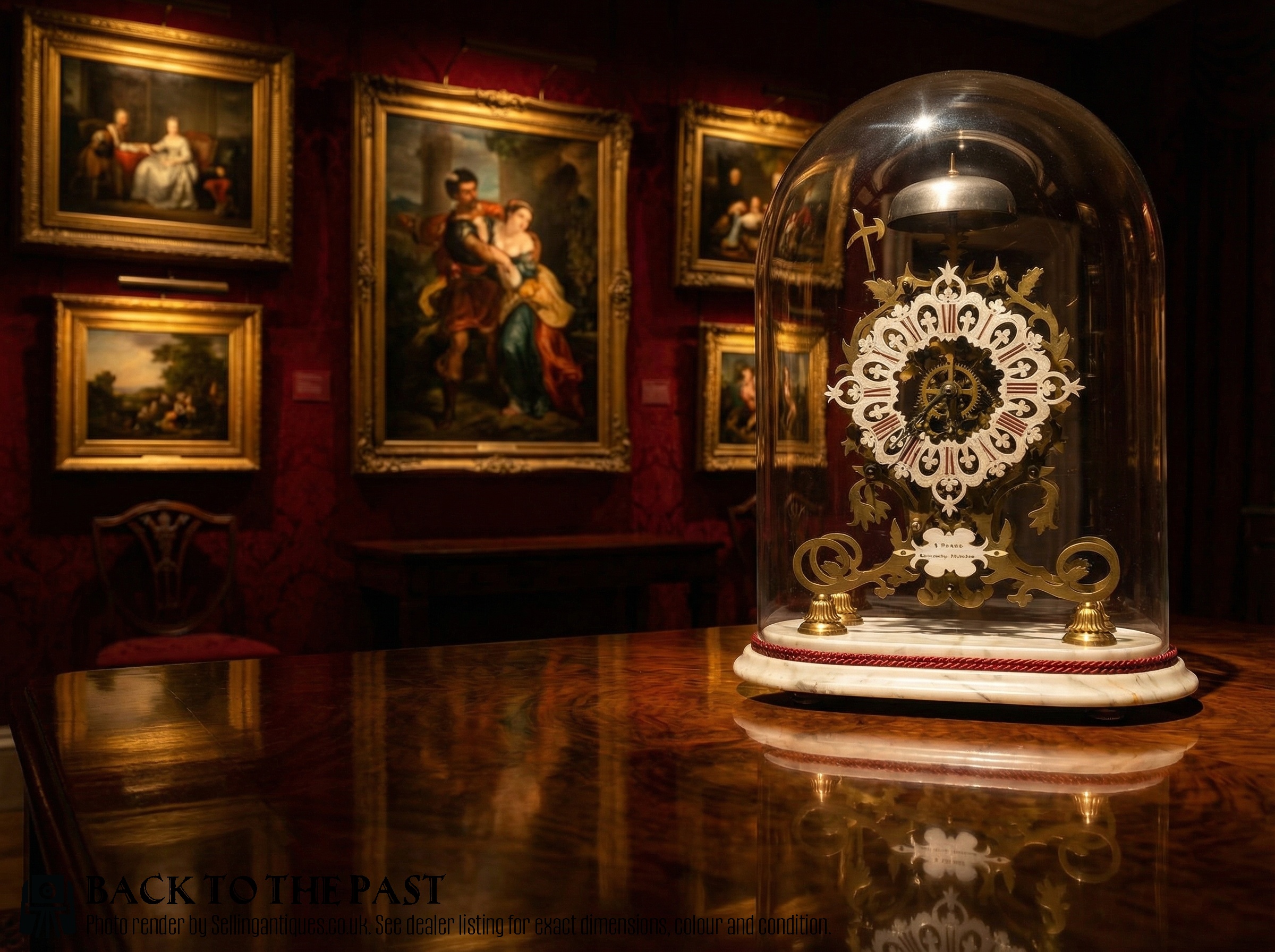
Brass Striking Clock
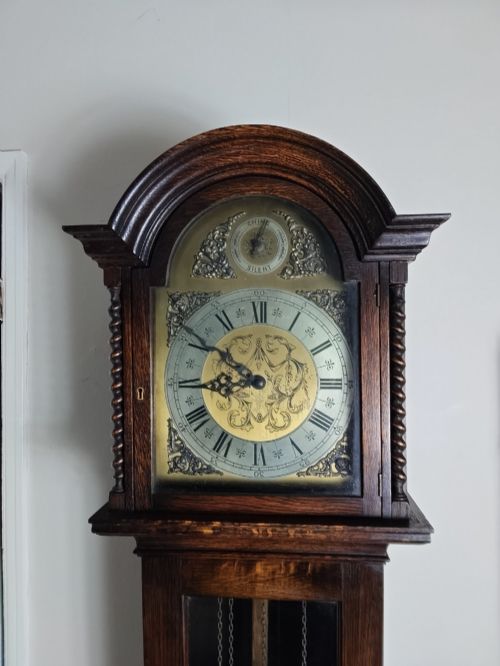
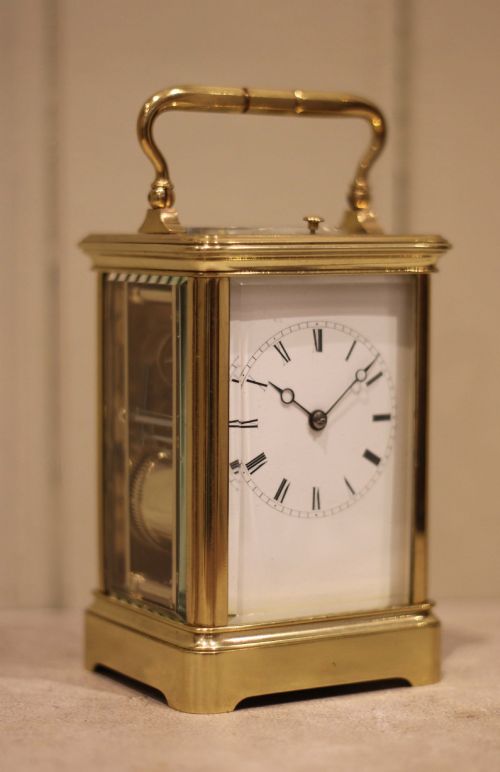
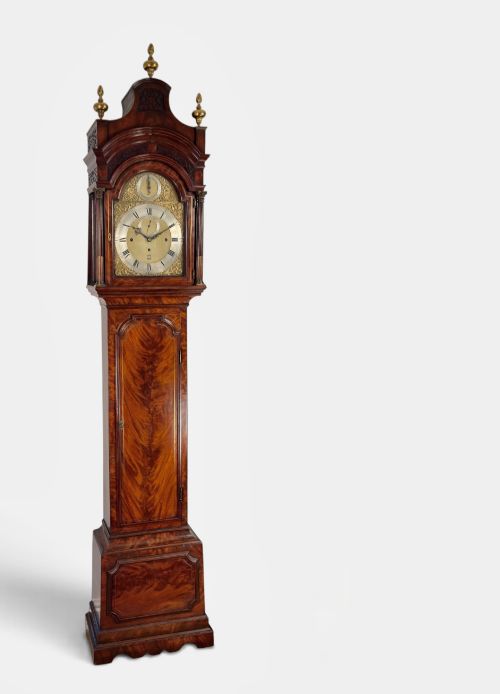
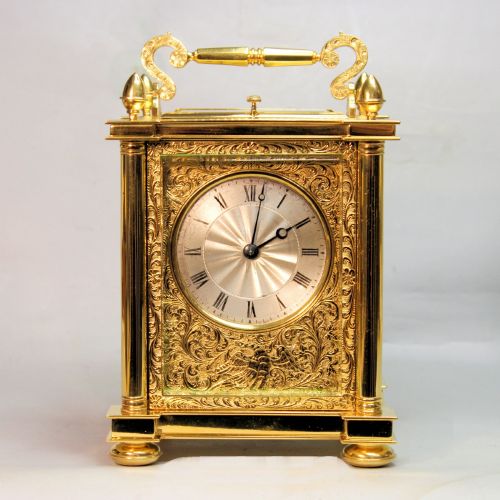
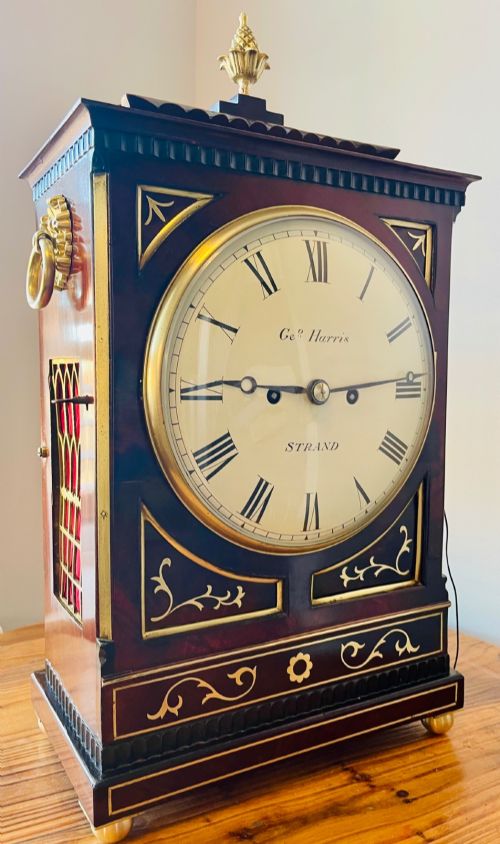
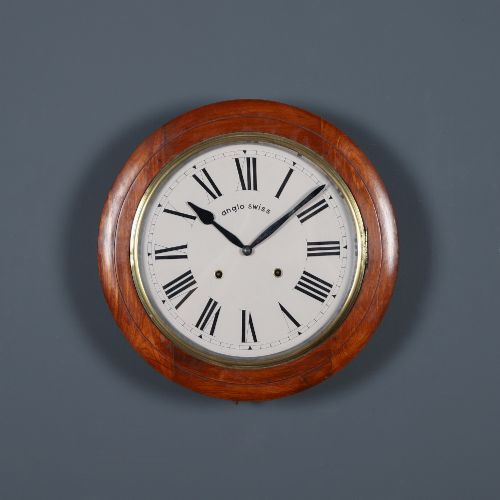
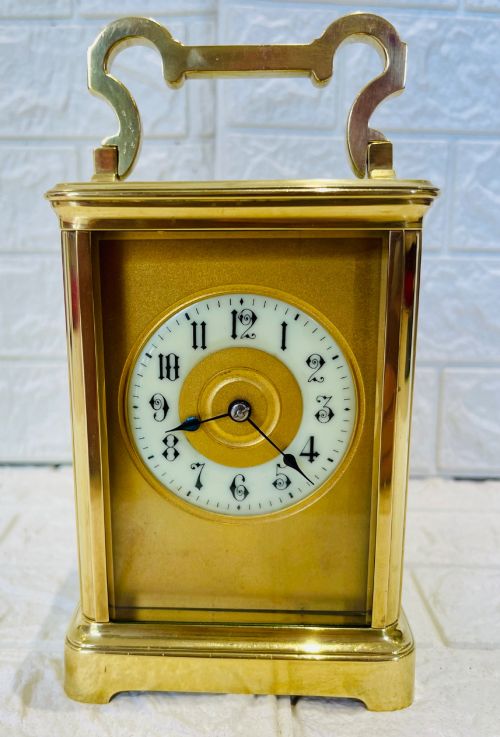
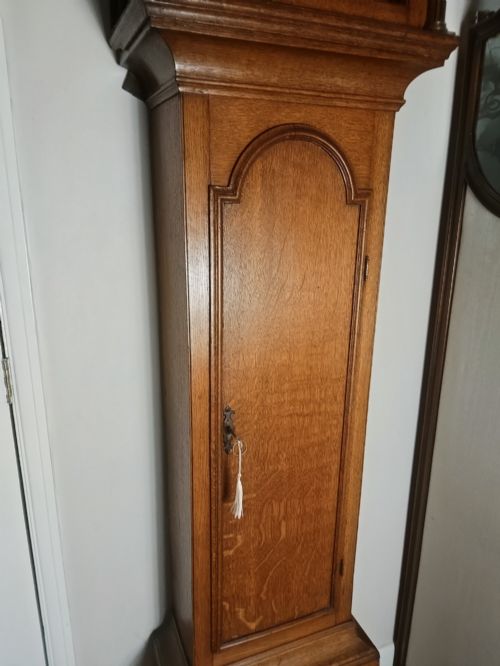
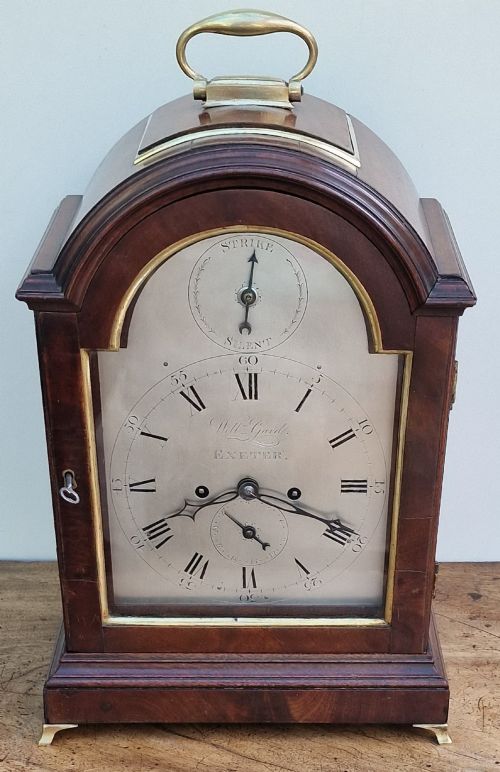
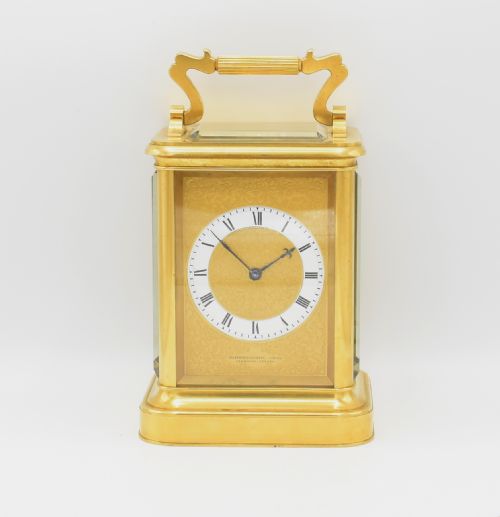
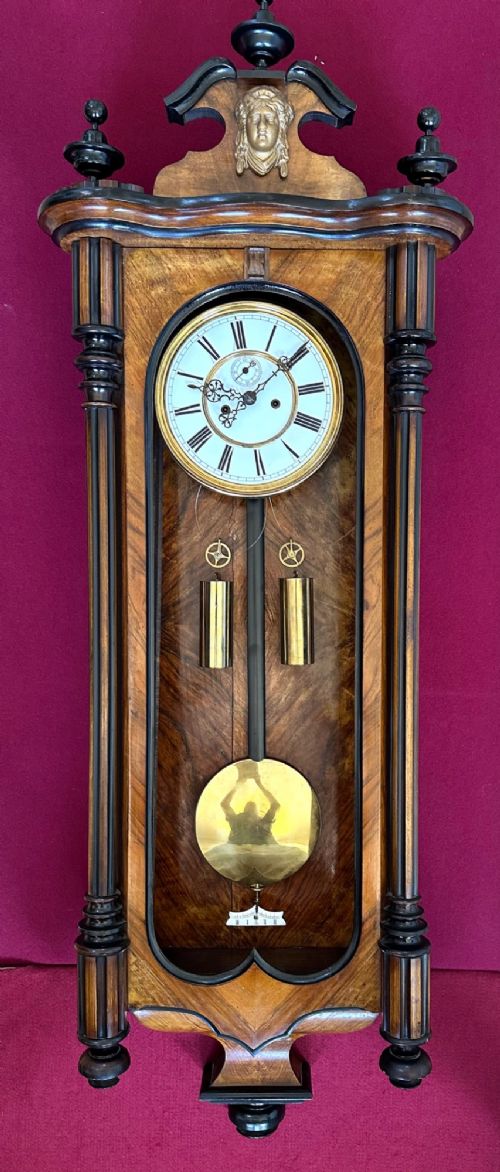
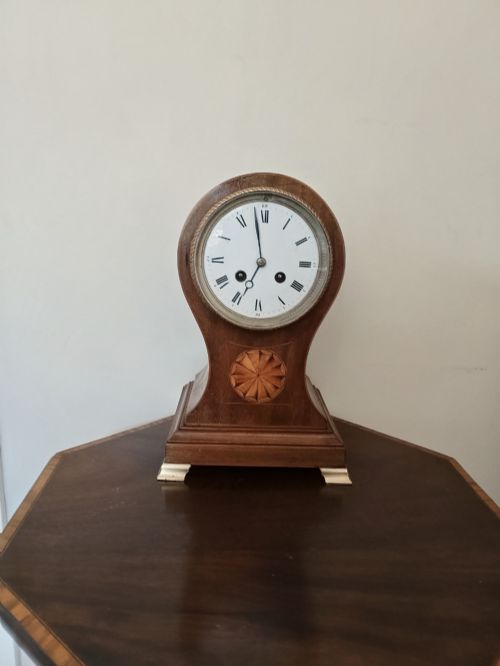
A brass striking clock encompasses a wide variety of domestic timepieces, ranging from tall longcase clocks housed in wooden cases to portable carriage clocks enclosed in bevelled glass and brass. You will encounter examples spanning the eighteenth, nineteenth, and twentieth centuries, originating from British workshops and French makers alike.
Georgian and Victorian periods provide the bulk of the traditional vernacular, supplemented by later nineteenth-century French designs. Buyers searching for a brass striking clock will find formats suited for tabletops, shelves, and walls.
Materials and Construction
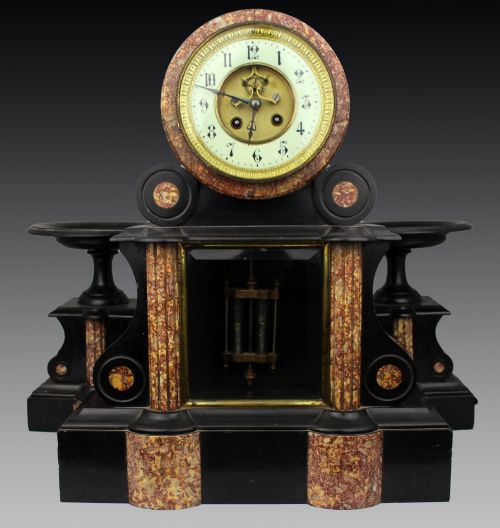
The primary structural metal is brass, utilised extensively for movement plates, wheels, dials, and carriage frames, frequently accented by gilding. Cabinets and surrounds employ dense hardwoods such as mahogany and walnut, alongside marble, slate, and occasionally tortoiseshell inlay.
Clockmakers relied on mechanical movements powered by fusee or spring mechanisms, driving gear trains of brass and steel. Audible striking relies on bells, gongs, or rack-and-snail systems that mark the hours and half-hours.
Listings feature mahogany, walnut, and oak cases alongside brass and gilt brass housings.
Assessing Mechanical and Material Merit
Quality in these timepieces rests upon the precision of the movement and the integrity of the housing. Finer examples feature intricate engraving on backplates, signed dials by accomplished makers, and robust fusee movements that maintain steady power.
Material choice and cabinet execution also separate standard production from superior items. Heavy cast brass, fire-gilt finishes, perfectly fitted bevelled glass panels, and well-figured mahogany or walnut cases define the upper end of the range.
John Ellicott·Cousens And Whiteside·Japy Freres·William Gard·Mappin And Webb·Barwise London·Benjamin Taylor·Henry Weedon·C Detouche·T Martin And Co·Henri Jacot·Schneckenburger·James McCabe·Winterhalder And Hoffmeier·Henry Marc·Wilson And Gill
The Brass Striking Clock Glossary
- Fusee
- A conical pulley used in spring-driven clocks to equalise the torque of the mainspring as it unwinds. This mechanism ensures more consistent timekeeping throughout the duration of the wind.
- Striking
- The capability of a clock to sound the hours or fractions thereof automatically by means of a bell, gong, or chime. This function distinguishes simple timepieces from those with acoustic complications.
- Carriage clock
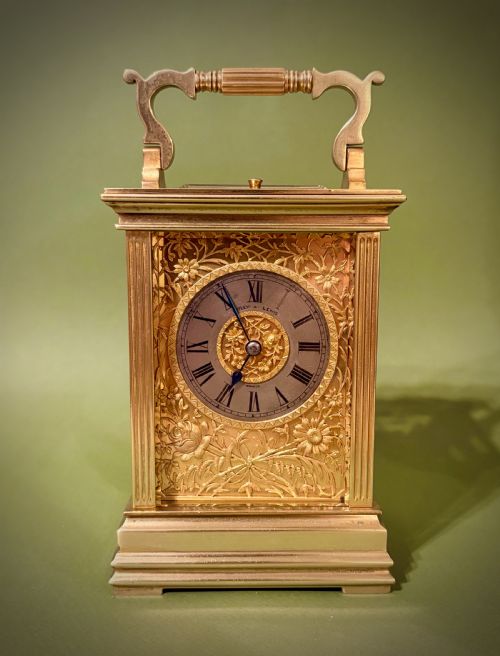
- A small, portable spring-driven clock designed for travel, typically fitted with a carrying handle and glass panels. They emerged in France during the nineteenth century.
- Bracket clock
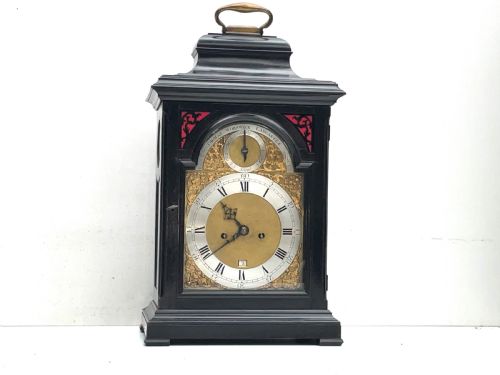
- A portable table clock originally designed to sit on a wall bracket to aid acoustics and viewing. Later examples retained the name despite resting directly on mantelpieces or desks.
- Skeleton clock
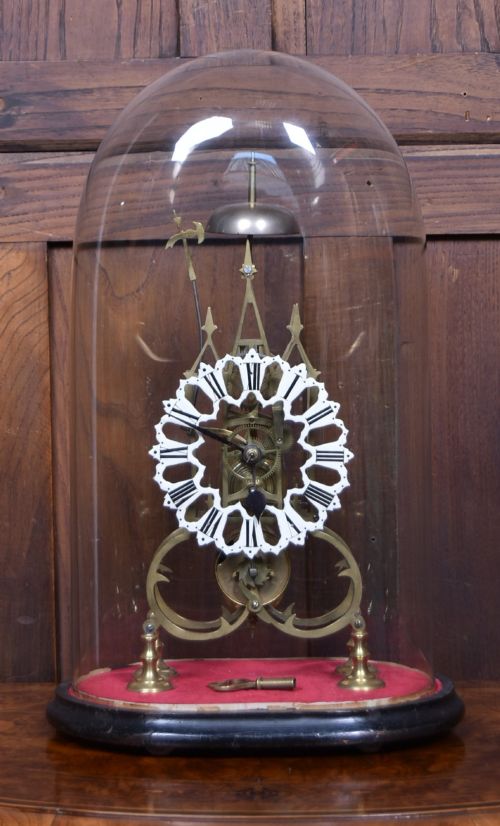
- A timepiece with an exposed movement where the plates are open-worked to reveal the gear train. These pieces are often protected beneath a glass dome.
Brass Striking Clock: Frequently Asked Questions
What is the difference between striking and repeating?
A striking clock sounds the hours or half-hours automatically as time passes. The mechanism counts out the correct number of blows corresponding to the current hour.
A repeating function allows the owner to press a button or pull a cord at any time to make the clock sound the last elapsed hour or quarter-hour on demand.
Where should I place a carriage clock?
Place your carriage clock on a stable, level surface away from direct sunlight, drafts, and sources of heat or moisture. Mantelpieces and sturdy wooden sideboards are traditional locations.
Avoid high-traffic shelves where the clock might be easily knocked, as delicate balance wheels and escapements require a stable environment.
How do I identify the age of a clock?
Examine the style of the case, the materials used, and any signatures or serial numbers engraved on the movement backplate. Different eras favoured distinct cabinet woods, dial designs, and architectural proportions.
Maker signatures often allow cross-referencing with historical records to narrow down the decade of manufacture. Movement construction techniques also evolve from early verge escapements to later platform escapements.