


Brass Horology Collectible
These brass horology collectible items are period clocks and timepieces valued for their traditional metalwork and mechanisms.
Brass Horology Collectible
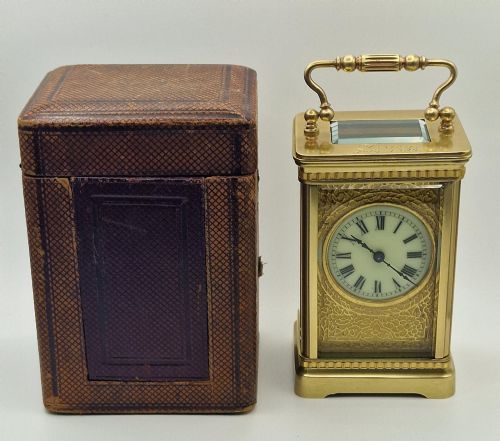
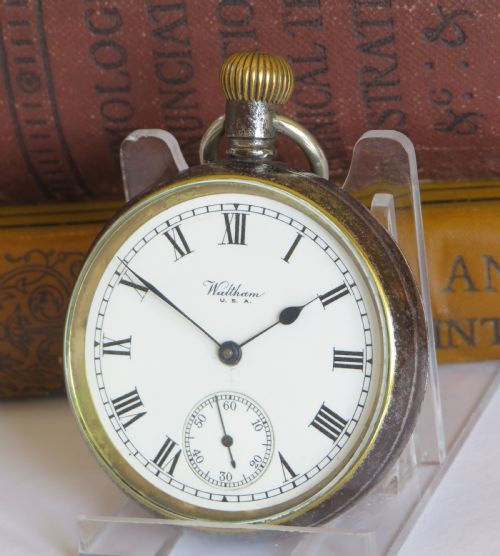
When you search for brass horology collectible items, you encounter a selection of timekeeping objects spanning multiple centuries. The most common forms on this page are carriage clocks and pocket watches produced during periods such as the Victorian and Edwardian eras, alongside earlier longcase clocks and wristwatches.
The selection includes pieces originating from 19th-century French workshops as well as English makers. Timepieces range from standard carriage clocks housed in gilt brass to specialised military watches and striking repeaters with alarm functions.
Earlier centuries are represented by items like a seventeenth-century longcase clock in burr walnut. These objects demonstrate the evolution of horological engineering from mechanical floor clocks to portable personal timepieces.
Materials and construction
Secondary materials support the core metal structures, including wood such as burr walnut for cabinetry, and leather or fabric incorporated into original boxes and protective housings.
Listings feature periods spanning from the seventeenth century through to the 1940s, utilising brass, glass, enamel, and burr walnut.
Distinctions in quality
Quality in these timepieces rests upon the precision of the mechanical movement and the refinement of the exterior case. Pieces featuring striking and repeating mechanisms or alarm complications demonstrate higher levels of horological skill than standard time-only versions.
The execution of the metalwork also separates examples, with finely cast gilt brass and detailed enamel work indicating superior craftsmanship. Associated items like original fitted boxes add to the completeness of a piece.
Mappin and Webb·Joseph Windmills
The Brass Horology Collectible Glossary
- Carriage clock
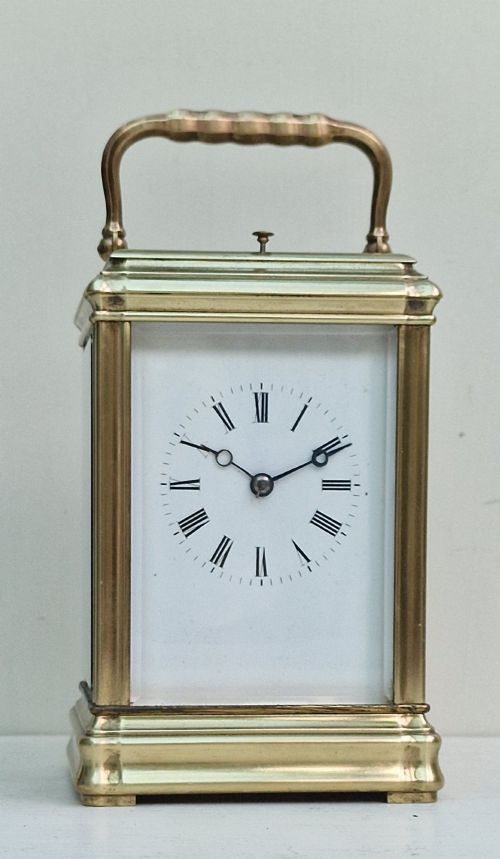
- A portable spring-driven clock designed for travel during the nineteenth century. These typically feature brass frames with glass panels allowing the movement to be observed.
- Gorge case
- A specific style of carriage clock housing characterised by a stepped, multi-moulded top and base. This frame design is frequently found on French examples from the Victorian period.
- Striking and repeating
- A mechanism that chimes the hours and quarters automatically, or repeats the last chime when a lever or button is pressed. This complication requires intricate gear assembly.
- Longcase clock
- A tall pendulum clock enclosed in a wooden case, also known as a grandfather clock. Early examples from the seventeenth century often utilised high-grade wood veneers like burr walnut.
Brass Horology Collectible: Frequently Asked Questions
What is a carriage clock?
A carriage clock is a small, portable spring-driven timepiece created for travellers in the nineteenth century. They are typically housed in brass frames with glass windows.
Many examples include striking mechanisms, alarms, and repeaters, and they are usually accompanied by their original leather travel cases.
What materials are used in these clocks?
Brass is the predominant metal used for the frames and exterior cases of these timepieces, frequently finished with gilding. Glass panels allow the internal gear trains to be viewed from multiple angles.
Dials are commonly constructed from white enamel with painted Roman or Arabic numerals, while associated items incorporate wood, leather, and fabric.
How do I care for an antique timepiece?
Antique mechanical clocks require stable placement away from direct sunlight, excessive moisture, and rapid temperature changes. Regular professional servicing ensures the brass gears and springs remain lubricated and functional.
Wind them gently according to their specific power reserve, whether eight-day or daily movements.