
Antique Brass Mantel Timepiece
An antique brass mantel timepiece brings precise mechanical rhythm and bright metallic polish to a room, offering both reliable function and traditional display.
Antique Brass Mantel Timepiece
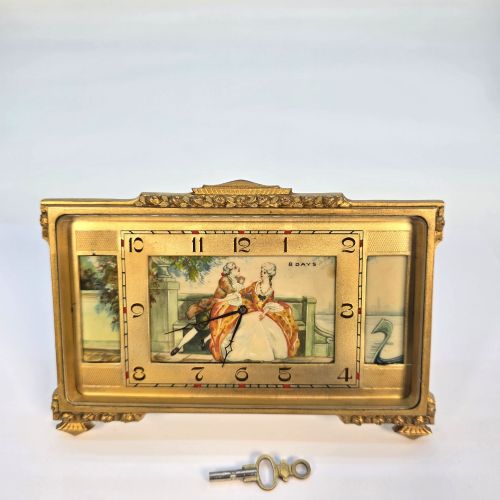
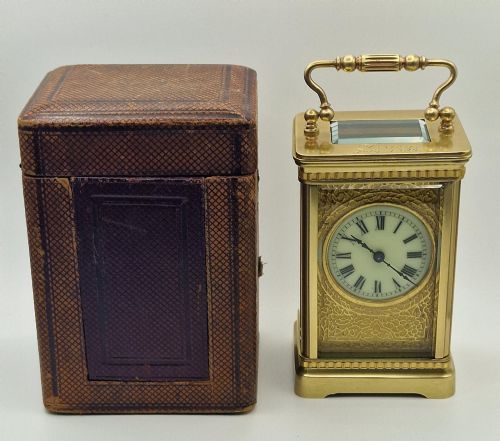
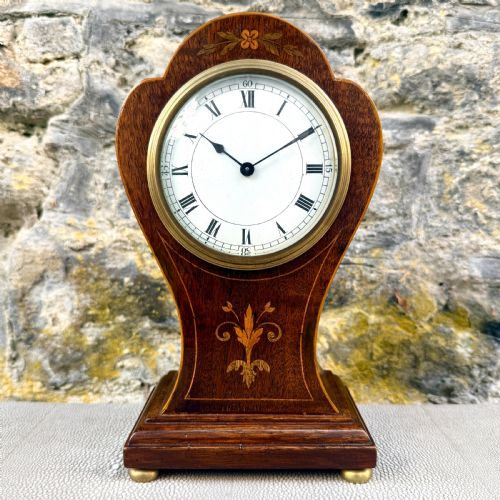
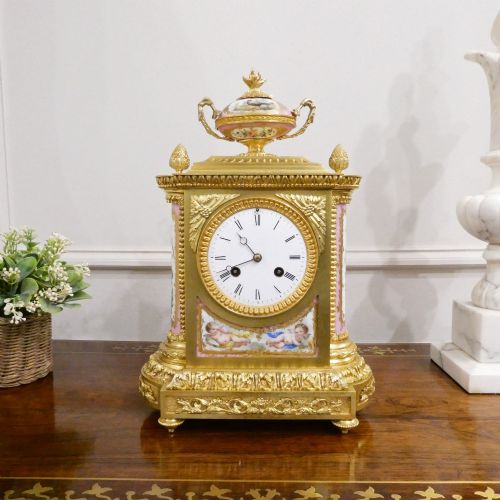
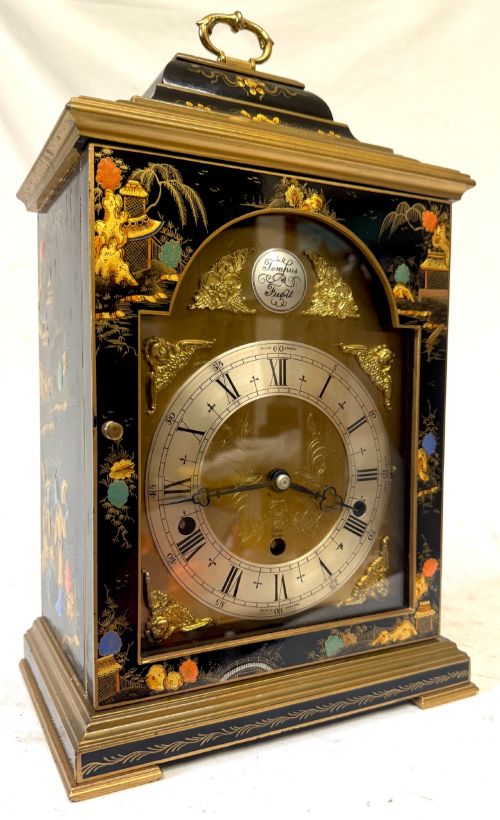
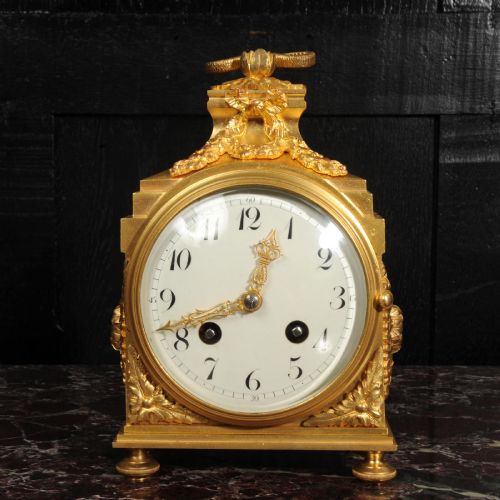
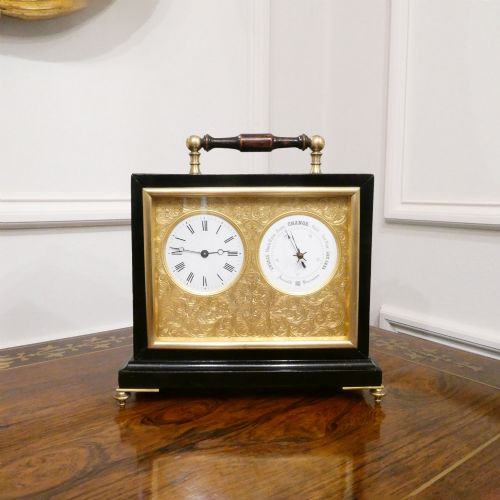
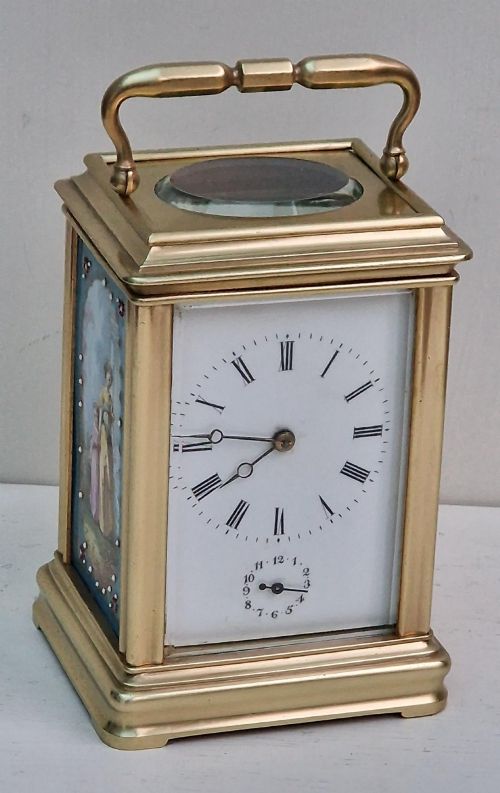
An antique brass mantel timepiece is a portable or shelf-bound clock designed to tell the hour without striking a bell, relying on brass as its primary housing or structural metal. When you search for an antique brass mantel timepiece, you encounter a selection spanning French carriage clocks, English library pieces, and heavier bracket designs.
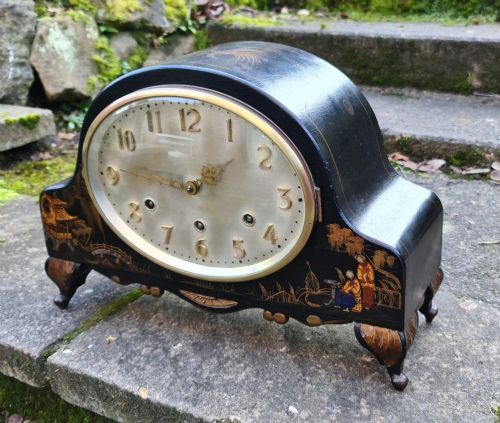
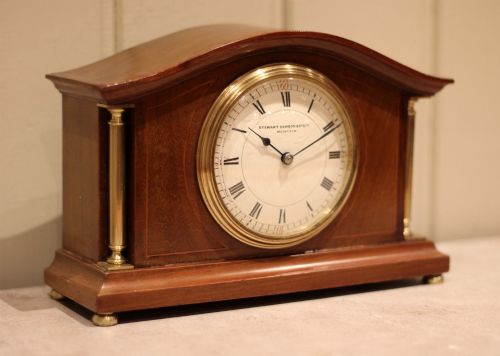
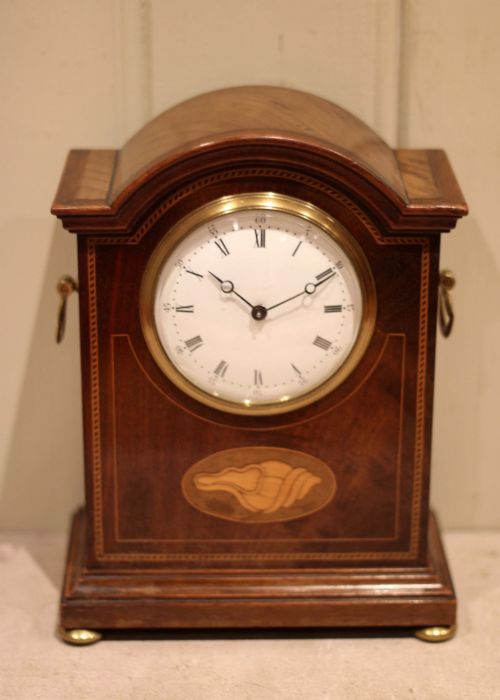
The pieces appearing on this page span the Victorian era, the Edwardian period, and the nineteenth and twentieth centuries, utilising materials such as glass, enamel, mahogany, and ormolu alongside solid brass. Carriage clocks and desk clocks dominate the smaller forms, while heavier wooden and metal cases provide architectural presence on larger shelves.
What varies in quality
Quality rests in the crispness of the brass casting, the depth of gilding, and the complexity of the movement rather than sheer size. Finer examples exhibit hand-chased ornamentation on the case and signed movements from recognised makers, whereas simpler pieces rely on standard commercial production.
The integrity of the glass panels, the legibility of the enamel dial, and the survival of original travel cases or brackets distinguish superior specimens. A heavier, tightly fitted movement with clean finishing separates standard timepieces from masterworks.
Listings feature Victorian, Edwardian, and Regency periods alongside Art Deco and Georgian examples.
HENRI JACOT·Thomas Langley·William Gard·Walker and Hall·Richard Winter·Pickford of London·Friedrich Adler
The Antique Brass Mantel Timepiece Glossary
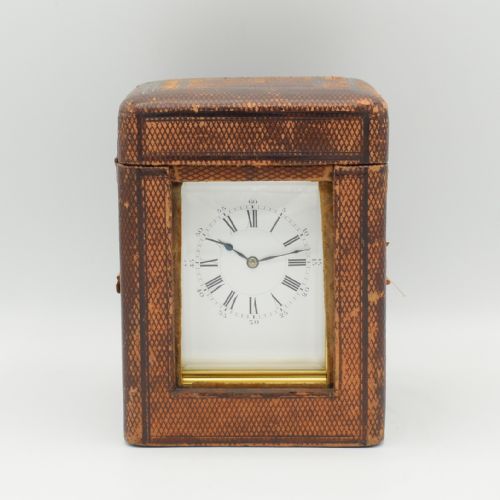
- Carriage clock
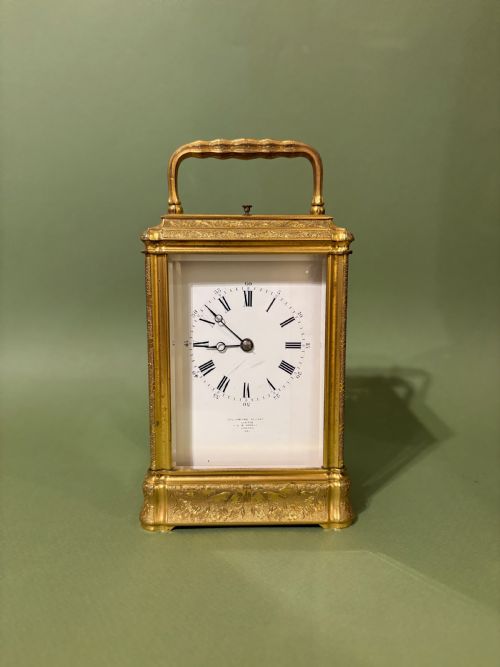
- A portable spring-driven timepiece fitted with a carrying handle and glass panels, originally designed for travel. These items often sit within leather or brass travel cases.
- Timepiece
- A clock that measures and indicates the time without a striking mechanism or chiming train. This term distinguishes non-striking clocks from fully striking models.
- Ormolu
- Gilt bronze produced by applying a finely ground high-carat gold and mercury amalgam to a bronze object, then heating it to drive off the mercury. This technique creates a rich, durable golden surface.
- Fusee
- A conical pulley used in mechanical clocks to maintain an even pull on the gear train as the mainspring unwinds. It ensures consistent timekeeping power throughout the winding cycle.
- Skeleton clock
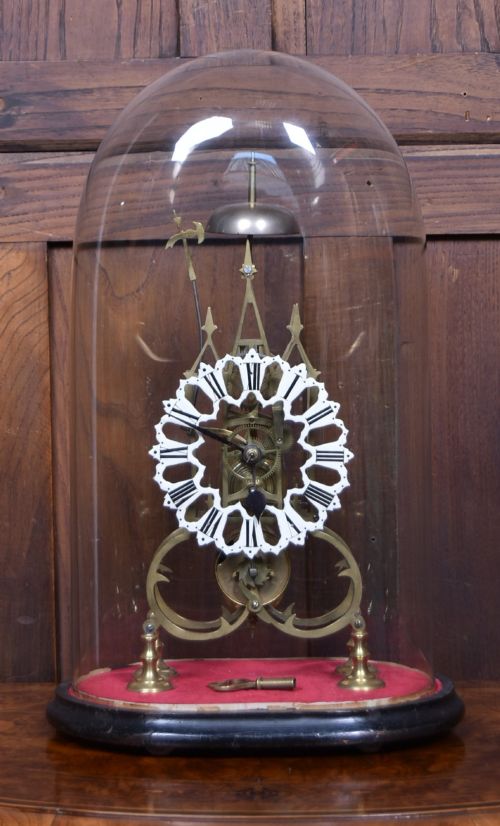
- A timepiece designed with an open framework that exposes the entire gear train and movement to view. These pieces typically display beneath a protective glass dome.
Antique Brass Mantel Timepiece: Frequently Asked Questions
How do I wind an antique timepiece?
Wind the clock using the appropriate key inserted into the dial or back plate arbor, turning gently until you feel resistance. Do not force the spring past its natural stop.
Ensure you turn the key in the correct direction specified for that particular movement to avoid damaging the internal gearing.
Are carriage clocks meant for travel?
Carriage clocks originated for travel by horse-drawn coach or train, featuring robust brass cases and protective glass panels. Many retain their original leather travel cases for this reason.
Modern handling requires care, but their original design prioritised portability and resilience against motion.
What is a fusee movement?
A fusee movement uses a conical pulley connected to the mainspring by a cord or chain to equalise power delivery. As the spring loses tension, the chain rides higher on the cone to maintain steady torque.
This mechanical refinement improves timekeeping accuracy across the entire duration of the winding period.
How do I tell Victorian from Edwardian clocks?
Victorian timepieces often display heavier ornamentation, including elaborate Rococo scrolls, heavy gilt bronze, and rich rosewood or mahogany cases. They reflect nineteenth-century revivals of historical styles.
Edwardian pieces generally shift towards lighter woods, cleaner lines, and simpler inlaid decoration, anticipating twentieth-century design preferences.