

Brass Stick Holder
These brass stick holder examples combine utility and metalwork, offering a sturdy home for umbrellas and walking canes.
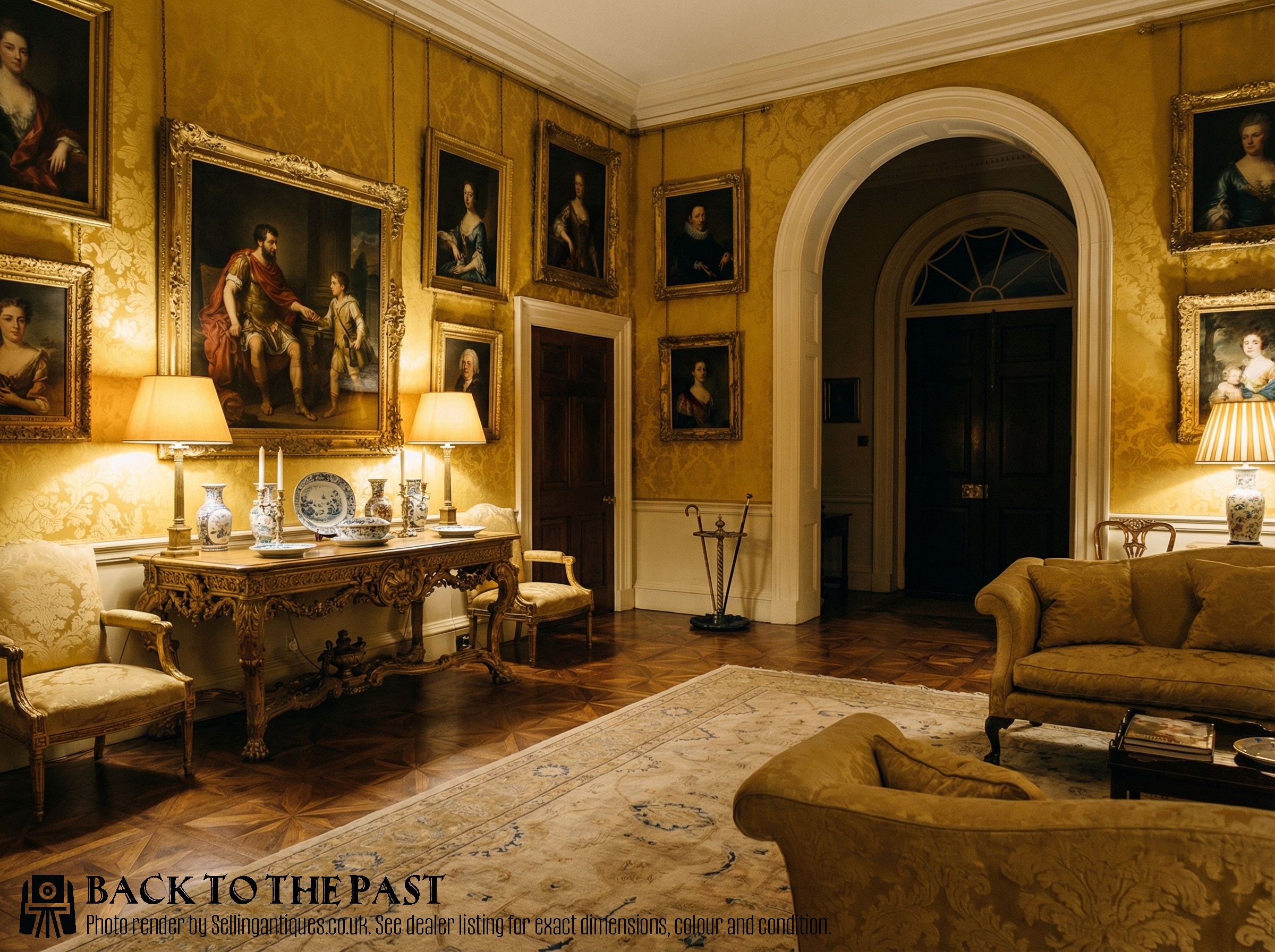
Brass Stick Holder
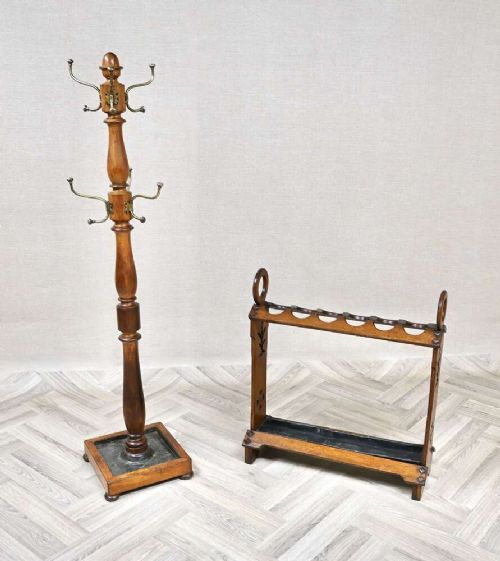
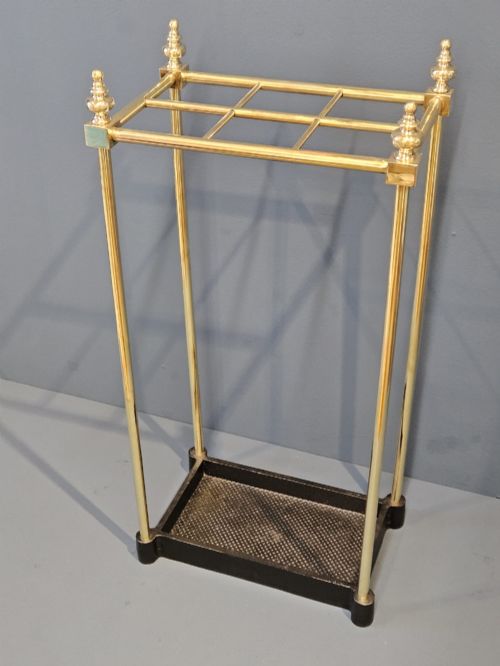
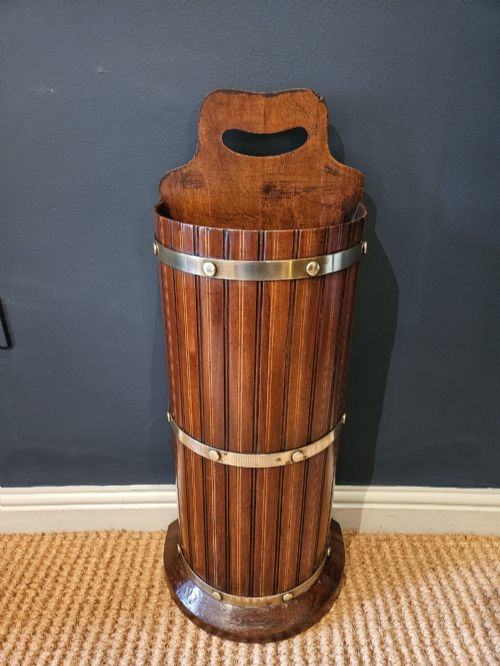
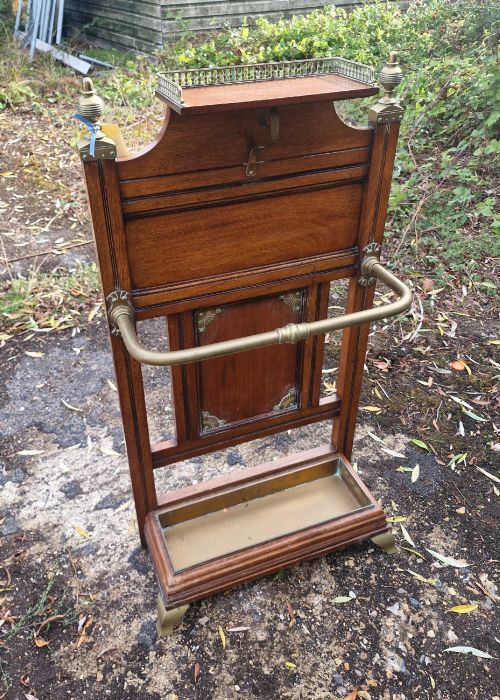
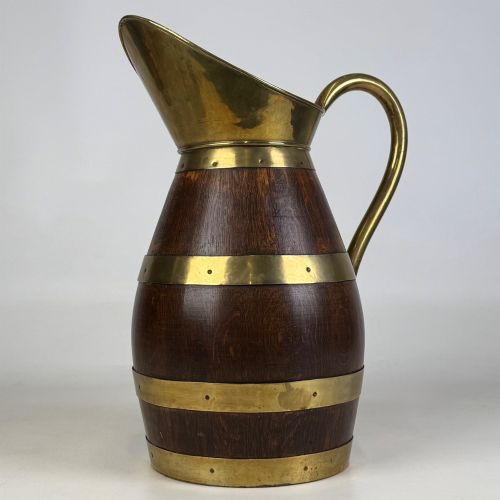
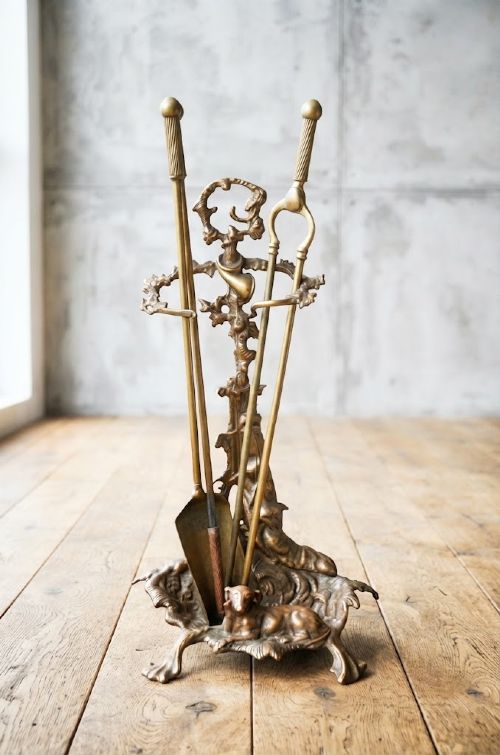
When searching for a brass stick holder, a buyer examines hall and porch furniture designed to corral walking sticks and umbrellas. These items emerge frequently in half-moon, demi-lune or cylindrical footprints fashioned to sit flush against hallway walls. The selection spans Victorian, Edwardian and later 1930 periods, incorporating materials such as cast iron, copper and oak alongside the primary metal. Alongside dedicated umbrella and stick stands, the evidence includes related functional objects like brass fire companion stands and coopered oak barrels with brass bands.
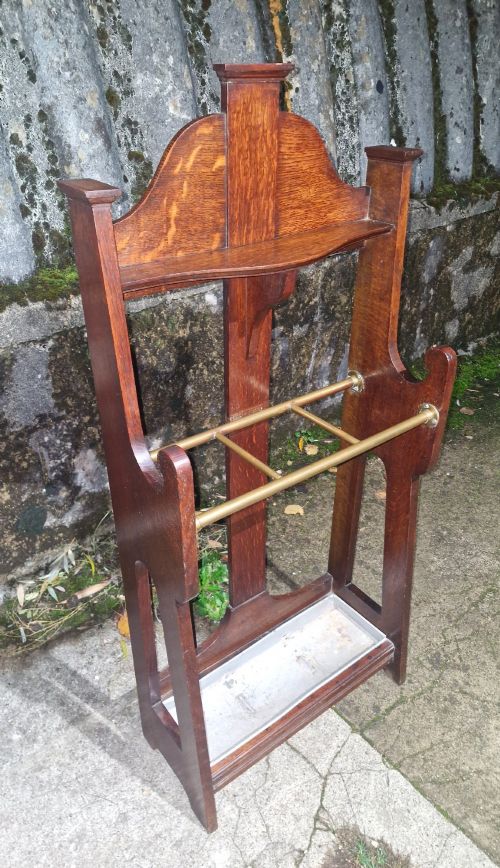
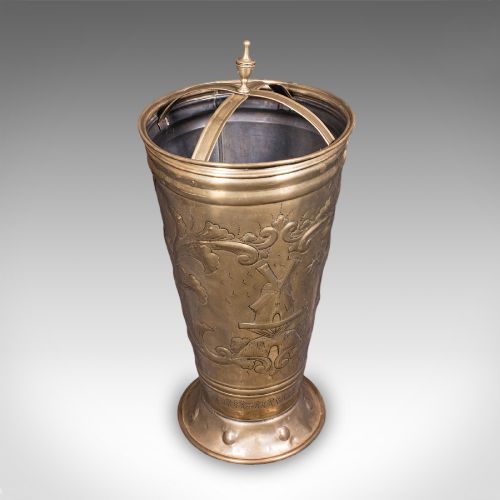
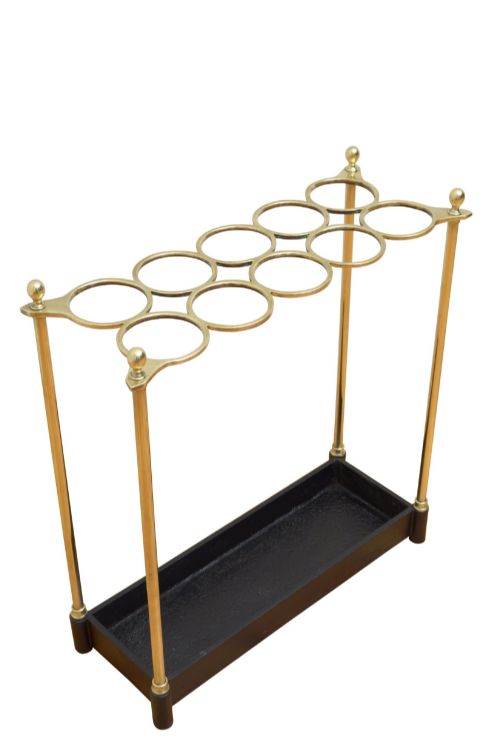
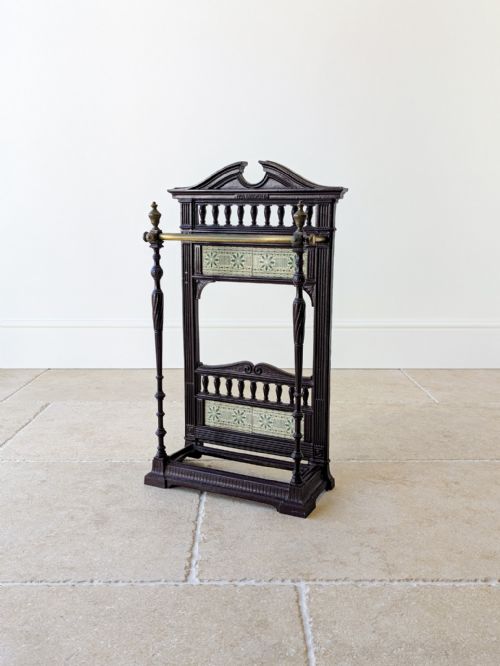
The dominant forms on this page include heavy cast iron and brass combinations from the late 19th century, alongside oak barrels secured with metal bindings. Many incorporate drip trays at the base to catch rainwater from wet umbrellas, occasionally styled with dog tooth motifs or ball finials. One regularly encounters half-moon designs meant for compact spaces, while larger country house examples utilise substantial brass framing and decorative hunting scenes.
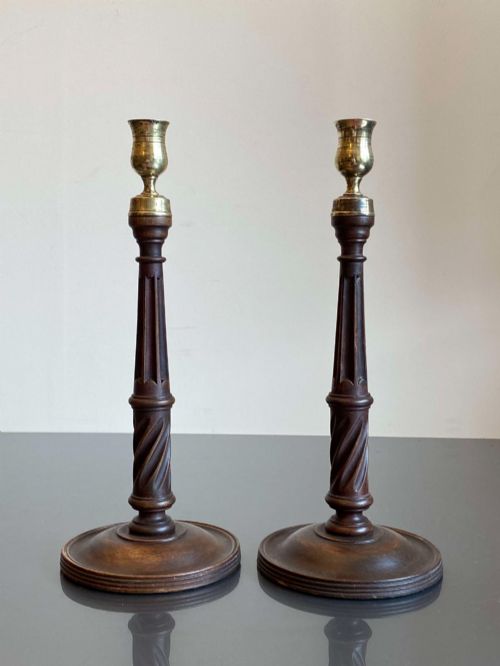
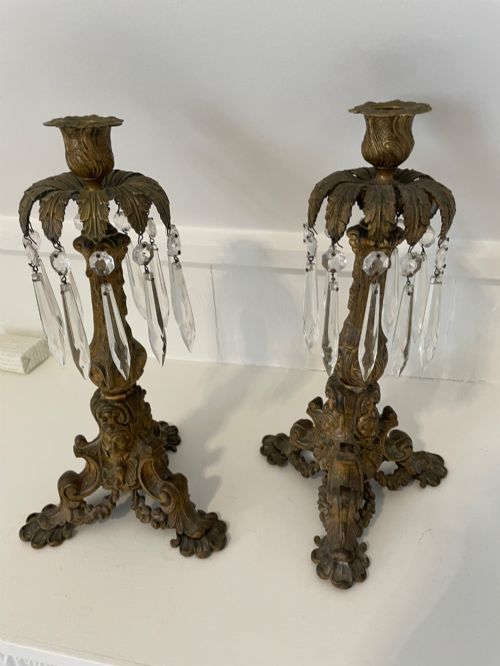
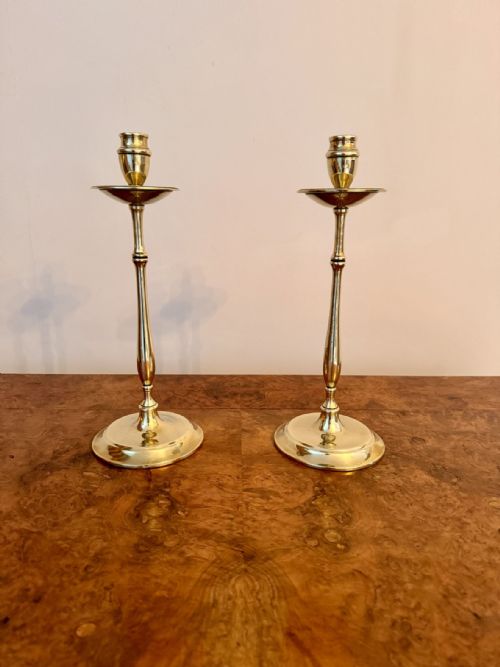
Makers and workshops of the period utilised durable metals to ensure these domestic items withstood daily hallway use over generations. Buyers also encounter hybrid forms where candlesticks and candelabras share space in the broader inventory, reflecting the overlapping production methods of metalworkers across the eighteenth and nineteenth centuries.
How they were made
The construction of a brass stick holder relies heavily on metal casting, combined frequently with structural iron and turned timber. Workshops cast brass components in moulds to produce decorative finials, half-lune frames and feet, while iron provided the weighted bases necessary to prevent tipping under the weight of heavy walking canes. Coopered wooden vessels utilised solid oak staves bound tightly with brass hoops, merging container-making traditions with metal hardware.
Surface finishing involved polishing, hammering and embossing sheet brass to create decorative relief patterns such as hunting scenes and floral motifs. Iron elements were often left dark or painted to contrast with the bright golden hue of polished brass parts. Rivets, screws and steel rods held the multi-material assemblies together, joining cast metal drip trays directly to upright frames.
Brass Stick Holder Retail Price Guide 2026
Typical asking prices for brass stick holder among the pieces listed under this phrase on Sellingantiques today, from the lower quarter to the upper quarter. They describe what is for sale here now, not the wider market.
Several Victorian models incorporate enthusiastic pug dog figures and hunting scenes into their metalwork.
What varies in quality
The distinction between standard utility items and finer examples lies in the weight of the metal and the crispness of the casting. Superior pieces display deeply chased or embossed details on the brass body rather than shallow, stamped patterns that blur with wear. Heavier gauge brass and thick oak staves indicate a workshop that prioritised longevity over mass production for the domestic market.
Proportion and structural integrity also separate the grades of available stock. Better stands retain their original matching drip trays and secure vertical alignment without looseness in the joints between the brass frame and the iron or wooden base. The refinement of decorative flourishes, such as turned ball finials or cast figural elements, marks the difference between basic hallway furniture and superior metalwork.
Coalbrookdale·Thomas Jeckyll·J.T. & Co
The Brass Stick Holder Glossary
- Demi-lune
- A half-moon shape used for furniture designed to stand flat against a wall. This footprint allows the holder to project minimally into narrow hallways.
- Coopered
- Constructed from wooden staves joined edge-to-edge and bound with metal hoops, a technique borrowed from barrel-making. Oak stick stands often employ this method.
- Drip tray
- A removable metal basin positioned at the base of a stand to catch water from wet umbrellas. These protect hallway floors from moisture damage.
- Finial
- A decorative ornamental feature fixed to the top of a post or upright. Brass stands frequently utilise ball or cast finials on their upper corners.
- Cast brass
- Molten brass poured into a mould to create solid components with complex shapes. This technique produces heavier and more ornate parts than sheet metal working.
Brass Stick Holder: Frequently Asked Questions
How do I clean a brass stick holder?
Maintenance involves dusting the metal regularly with a soft cloth to prevent the buildup of grime in recessed embossed patterns. Avoid harsh abrasive cleaners that strip the historic surface character accumulated over decades of use.
For stubborn marks, mild soapy water applied sparingly works best, followed by thorough drying to prevent water spots on the brass and corrosion on any iron components.
Were these stands made for umbrellas or walking sticks?
Victorian and Edwardian households utilised these holders for both wet umbrellas and heavy walking canes. Hallways required robust vessels capable of accommodating long, slender shafts without tipping.
Many designs feature partitioned rings at the top to keep multiple sticks separated, paired with deep base trays specifically sized to catch rainwater.
How do I date a brass stick stand?
Dating relies on observing the combination of materials, fastening methods and stylistic markers such as Aesthetic Movement or Art Deco motifs. Mid-nineteenth century pieces often pair heavy cast iron with turned brass rails, while later examples incorporate stamped sheet metal.
Examine the construction joints and screw types, as hand-cut threads and heavy hand-finishing point towards earlier Victorian production periods.
Can I use an antique stand in a modern hallway?
These practical metal and oak containers adapt readily to contemporary entryways by providing functional storage for modern umbrellas and walking aids. Their durable construction ensures they handle daily residential use without difficulty.
Placing a small modern liner inside the original drip tray can protect vulnerable historic soldered joints from standing water.